
 한국어
 English
 日本語
 中文(简体)
Summary
- Main use
- Treatment of relapsed or refractory primary central nervous system B-cell lymphoma
- Who takes it
- Adults
- Adult dose
- This medicine must be administered under the supervision of a physician experienced in cancer chemotherapy. ⦁ Administration Take this medicine orally once daily at a dose of 480 mg (6 tablets) on an empty stomach. If this medicine is taken after a meal, systemic exposure may increase, potentially increasing adverse reactions. Do not take it from 1 hour before a meal until 2 hours after a meal. ⦁ Dose adjustment If an adverse drug reaction occurs after taking this medicine, reduce the dose, temporarily withhold treatment, or discontinue treatment as shown in the following tables. Table 1. Recommended dose reductions Dose Recommended starting dose 480 mg First dose reduction 320 mg Second dose reduction 160 mg Table 2. Treatment interruption, dose reduction, or discontinuation according to adverse drug reactions Adverse reaction* Management Grade 4 neutropenia ⦁ Withhold treatment until recovery to Grade 3 or lower. After recovery, treatment may be resumed at the same dose. ⦁ If it recurs after resumption, discontinue this medicine until recovery. After recovery, treatment may be resumed at one lower dose level. Grade 3 or higher febrile neutropenia ⦁ Withhold treatment until recovery to Grade 2 or lower. After recovery, treatment may be resumed at the same dose. ⦁ If it recurs after resumption, discontinue this medicine until recovery. After recovery, treatment may be resumed at one lower dose level. Grade 3 thrombocytopenia (with bleeding) Grade 4 thrombocytopenia Grade 3 or higher hematologic toxicity (except thrombocytopenia and neutropenia) Grade 3 or higher nonhematologic toxicity (except interstitial lung disease and skin disorders) Interstitial lung disease Grade 2 or 3 ⦁ Discontinue this medicine until recovery to Grade 1 or lower. After recovery, treatment may be resumed at the same dose. ⦁ If it recurs after resumption, discontinue this medicine until recovery. After recovery, treatment may be resumed at one lower dose level. Grade 4 ⦁ Discontinue treatment. Skin disorders Grade 2 ⦁ Treatment may be continued if symptoms resolve with administration of antihistamines, corticosteroids, etc. ⦁ If symptoms do not resolve with antihistamines, corticosteroids, etc., reduce the dose by one level or discontinue treatment. Grade 3 or higher ⦁ Discontinue this medicine until resolution to Grade 2 or lower, and administer antihistamines, corticosteroids, etc. After recovery, treatment may be resumed at one lower dose level. Mucocutaneous eye syndrome (Stevens-Johnson syndrome), toxic epidermal necrolysis ⦁ Discontinue treatment. * Grades are based on NCI-CTCAE ver. 4.0.
Ingredients
- Importer
- ONO PHARMA KOREA CO.,LTD.
Efficacy & effects
Treatment of relapsed or refractory primary central nervous system B-cell lymphoma
View approved original textHide original text
This medication is used as a monotherapy in patients with recurrent or refractory B-cell primary central nervous system lymphoma. It has been approved based on the overall response rate from clinical trials, and additional clinical benefits such as increased survival duration have not yet been proven. Therefore, this medication is used as an important option for the treatment of this condition.
How to take
Adult dose
This medicine must be administered under the supervision of a physician experienced in cancer chemotherapy. ⦁ Administration Take this medicine orally once daily at a dose of 480 mg (6 tablets) on an empty stomach. If this medicine is taken after a meal, systemic exposure may increase, potentially increasing adverse reactions. Do not take it from 1 hour before a meal until 2 hours after a meal. ⦁ Dose adjustment If an adverse drug reaction occurs after taking this medicine, reduce the dose, temporarily withhold treatment, or discontinue treatment as shown in the following tables. Table 1. Recommended dose reductions Dose Recommended starting dose 480 mg First dose reduction 320 mg Second dose reduction 160 mg Table 2. Treatment interruption, dose reduction, or discontinuation according to adverse drug reactions Adverse reaction* Management Grade 4 neutropenia ⦁ Withhold treatment until recovery to Grade 3 or lower. After recovery, treatment may be resumed at the same dose. ⦁ If it recurs after resumption, discontinue this medicine until recovery. After recovery, treatment may be resumed at one lower dose level. Grade 3 or higher febrile neutropenia ⦁ Withhold treatment until recovery to Grade 2 or lower. After recovery, treatment may be resumed at the same dose. ⦁ If it recurs after resumption, discontinue this medicine until recovery. After recovery, treatment may be resumed at one lower dose level. Grade 3 thrombocytopenia (with bleeding) Grade 4 thrombocytopenia Grade 3 or higher hematologic toxicity (except thrombocytopenia and neutropenia) Grade 3 or higher nonhematologic toxicity (except interstitial lung disease and skin disorders) Interstitial lung disease Grade 2 or 3 ⦁ Discontinue this medicine until recovery to Grade 1 or lower. After recovery, treatment may be resumed at the same dose. ⦁ If it recurs after resumption, discontinue this medicine until recovery. After recovery, treatment may be resumed at one lower dose level. Grade 4 ⦁ Discontinue treatment. Skin disorders Grade 2 ⦁ Treatment may be continued if symptoms resolve with administration of antihistamines, corticosteroids, etc. ⦁ If symptoms do not resolve with antihistamines, corticosteroids, etc., reduce the dose by one level or discontinue treatment. Grade 3 or higher ⦁ Discontinue this medicine until resolution to Grade 2 or lower, and administer antihistamines, corticosteroids, etc. After recovery, treatment may be resumed at one lower dose level. Mucocutaneous eye syndrome (Stevens-Johnson syndrome), toxic epidermal necrolysis ⦁ Discontinue treatment. * Grades are based on NCI-CTCAE ver. 4.0.
Precautions
This medication should not be used in individuals who are allergic to the active ingredient or any of the components. Additionally, it contains lactose, so individuals with lactose intolerance or certain genetic metabolic disorders should not take this medication. This medication may increase the risk of infections, so caution should be exercised in patients with infections or reduced bone marrow function. Care should also be taken in hepatitis B virus carriers or patients with impaired liver or kidney function. Adverse effects such as bleeding, infections, severe skin reactions, bone marrow suppression, interstitial lung disease, and liver dysfunction may occur during treatment, so careful observation is necessary. In particular, when undergoing surgery or invasive procedures, consideration may be given to discontinuing this medication due to the high risk of bleeding. Since this medication is metabolized in the liver, drug concentrations may change when taken with certain medications, so it is essential to consult with a doctor. Females and males of childbearing potential must use effective contraception during treatment with this medication and for a certain period, and the risks and benefits should be carefully considered during pregnancy. If breastfeeding, it is recommended to discontinue breastfeeding as this medication may be secreted in breast milk. Safety and efficacy in children have not been sufficiently established, so caution should be exercised in their use. Care should also be taken not to swallow the packaging when taking this medication, and it should be stored away from moisture after opening.
Side effects
- Hemorrhage
- pneumonia
- pneumocystis pneumonia
- Aspergillus infection
- toxic epidermal necrolysis
- ocular mucosal skin syndrome
- Stevens-Johnson syndrome
- erythema multiforme
- toxic skin rash
- febrile neutropenia
Show 128 moreCollapse
- neutropenia
- leukopenia
- lymphopenia
- thrombocytopenia
- anemia
- anaphylaxis
- interstitial pneumonia
- liver dysfunction
- immune thrombocytopenic purpura
- bone marrow edema
- lymphocytic infiltration
- abnormal electrocardiogram T wave
- dizziness
- ocular discharge
- eye hemorrhage
- eye irritation
- eye congestion
- eye itching
- conjunctival hemorrhage
- nausea
- vomiting
- constipation
- diarrhea
- abdominal pain
- duodenitis
- gastritis
- gastroesophageal reflux disease
- Mallory-Weiss syndrome
- oral ulcer formation
- stomatitis
- discomfort in the upper abdomen
- abdominal distension
- coated tongue
- myasthenia
- chills
- facial swelling
- edema
- fatigue
- malaise
- fever
- thirst
- bronchitis
- conjunctivitis
- cystitis
- folliculitis
- fungal infection
- influenza
- laryngitis
- pharyngitis
- rhinitis
- sinusitis
- urinary tract infection
- sepsis
- candidiasis
- abdominal abscess
- respiratory infection
- herpes
- hyperkalemia
- hypertriglyceridemia
- increased lipase
- hyponatremia
- decreased appetite
- increased amylase
- decreased HDL
- hypokalemia
- hypophosphatemia
- dyslipidemia
- fracture
- arthralgia
- arthritis
- joint stiffness
- muscle spasm
- muscle weakness
- myalgia
- tendon pain
- musculoskeletal pain
- amnesia
- areflexia
- dysesthesia
- taste disturbance
- plantar reflex
- sensory hypersensitivity
- somnolence
- peripheral neuropathy
- paresthesia
- seizure
- sensory loss
- syncope
- tremor
- balance disorder
- restless legs syndrome
- insomnia
- dizziness
- headache
- delirium
- hematuria
- proteinuria
- increased serum creatinine
- cough
- dyspnea
- epistaxis
- respiratory inflammation
- bronchial hyperreactivity
- hiccups
- rash
- papular rash
- purpura
- drug rash
- dermatitis
- urticaria
- dry skin
- changes in hair color
- spots
- petechiae
- photosensitivity
- psoriasis
- generalized rash
- skin disorders
- facial swelling
- erythema
- pruritus
- hematoma
- orthostatic hypotension
- contusion
- increased CRP
- increased INR
- weight gain
- prostatitis
Not everyone experiences these, and they can vary from person to person.
Storage
This medication should be stored in a tightly closed container to prevent exposure to air or moisture. It is important to maintain a storage temperature between 1 degree and 30 degrees Celsius at room temperature.
Appearance and packaging
Appearance
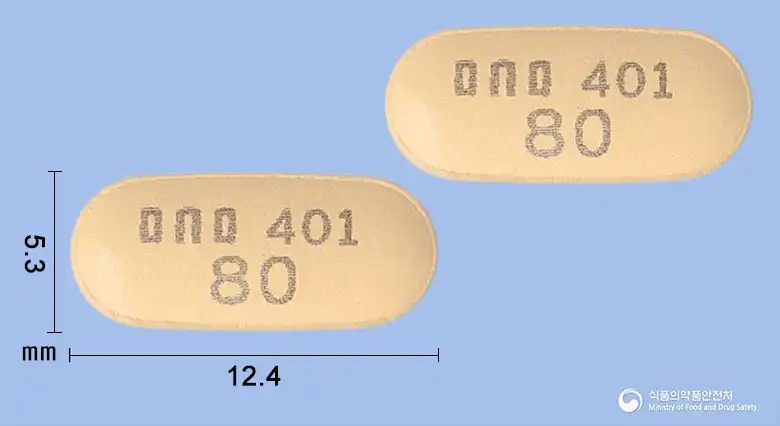
Yellow oval film-coated tablet
Package unit
28 tablets/box [14 tablets/blister * 2 blisters]
Questions about this medicine
No questions yet.
For anything that needs medical judgment, consult a doctor or pharmacist.