
 한국어
 English
 日本語
 中文(简体)
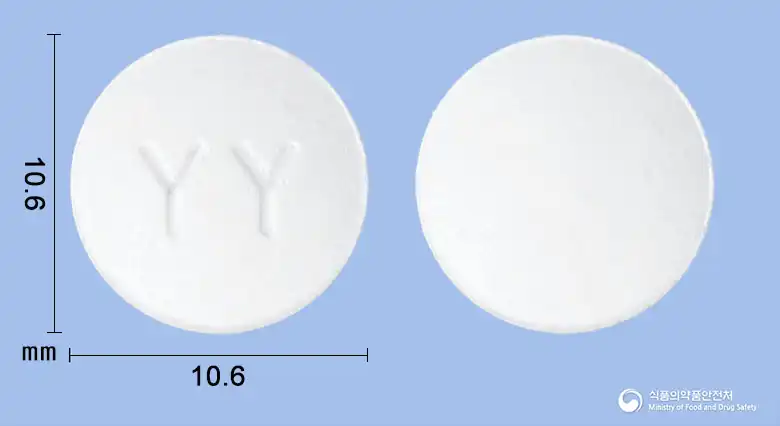 Viewing now
Nagran Orally Disintegrating Tablet 2.5 mg (Naratriptan Hydrochloride)
Naratriptan Hydrochloride 2.78mg
Orally disintegrating Tablet · Prescription medication
YuYu Pharmaceutical Co., Ltd.
MFDS item code 202106983 · Approved 2021.10.18 · Insurance code 644503300
Rapid relief of migraine with or without aura
This medication is used for the rapid relief of symptoms of migraine with or without aura.
This medicine should not be used routinely for preventive purposes. It is preferable to use it as monotherapy without concomitant use of other migraine medicines. This medicine is an orally disintegrating tablet. Place it on the tongue, allow it to dissolve in saliva, and swallow. Do not chew or crush it. Adults (18 ∼ 65 years): The recommended dose of naratriptan is 2.5 mg as a single dose. The total dose should not exceed 5.0 mg over 24 hours. If the migraine recurs after a single 2.5 mg dose of this medicine, another 2.5 mg dose may be taken after an interval of at least 4 hours. Patients who do not respond to this medicine should not take another dose for the same attack unless there is a therapeutic benefit, but may take it for subsequent attacks. Older adults (66 years and older): The safety and efficacy of naratriptan in older adults aged 66 years and older have not been established; therefore, its use is not recommended. Pharmacokinetic data indicate that clearance decreases with age. Patients with renal impairment: Use with caution in patients with renal impairment. The maximum dose over 24 hours should not exceed 2.5 mg. Do not administer to patients with severe renal impairment (creatinine clearance < 10 mL/min). Patients with hepatic impairment: Use with caution in patients with hepatic impairment. The maximum dose over 24 hours should not exceed 2.5 mg. Do not administer to patients with severe hepatic impairment (Child Pugh grade C).
Adolescents (12 ∼ 17 years): In a placebo-controlled study in adolescents, a single dose of naratriptan 0.25 mg, 1.0 mg, and 2.5 mg was not shown to be more effective than placebo. Therefore, naratriptan is not recommended for patients under 18 years of age. Children (under 12 years): There are insufficient clinical data on the use of naratriptan in children under 12 years of age; therefore, its use is not recommended.
This drug contains the artificial sweetener aspartame and should not be used by patients with phenylketonuria, a certain genetic disorder. It is important to ensure that the daily allowable intake of aspartame is not exceeded, and for adults, it should be used at a maximum of 2.4 grams per day. Those who have had allergic reactions to this medication or have heart disease, cerebrovascular disease, uncontrolled high blood pressure, or severe kidney or liver impairment should avoid taking it. Additionally, those with other specific cardiovascular diseases or neurological symptoms related to migraine should also not take this medication. Individuals allergic to sulfonamide components should use this medication cautiously. Side effects such as headache, dizziness, drowsiness, fatigue, and chest tightness may occur temporarily during treatment. Severe allergic reactions or heart-related adverse events have been rarely reported, so if any unusual symptoms occur, immediate consultation with a healthcare professional is advised. This medication should only be used if a diagnosis of migraine has been made, and care should be taken not to exceed the prescribed dosage. Drowsiness or dizziness may occur after use, so caution is advised when driving or operating machinery and other hazardous activities. Those at risk of cardiovascular disease must check their heart condition before taking this medication. There is a risk of side effects when taken in combination with other medications of a similar class, so it should only be taken after consulting a doctor. During pregnancy, it should be used only when necessary, considering the risks to the fetus, and caution is required when breastfeeding. In cases of overdose, symptoms such as increased blood pressure, headache, and fatigue may appear, so it is essential to adhere to the prescribed dose and seek medical attention immediately in case of overdose. Keep out of reach of children and ensure the medication is not transferred to other containers.
Not everyone experiences these, and they can vary from person to person.
This medication must be stored in a tightly sealed container to protect it from light and air exposure. The recommended storage temperature is room temperature between 1 to 30 degrees.
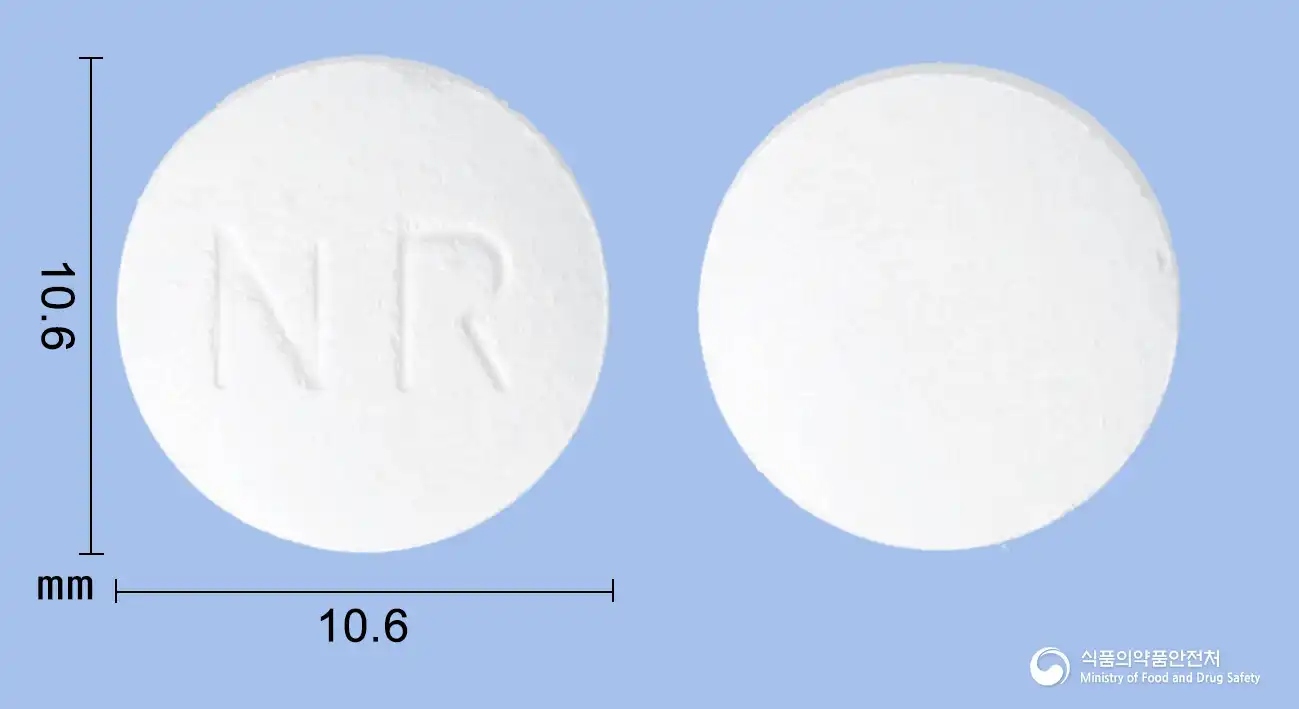
White or light yellow round orally disintegrating tablet
6 tablets/PTP[(Alu-Alu)]
Even with the same ingredient, strength, dosage form and how it is taken can differ.
Viewing nowNaratriptan Hydrochloride 2.78mg
Orally disintegrating Tablet · Prescription medication
YuYu Pharmaceutical Co., Ltd.
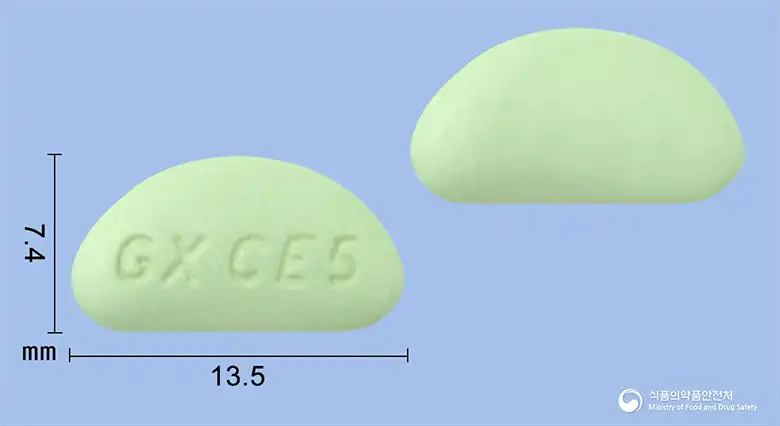
Naratriptan Hydrochloride 2.78mg
Tablet · Prescription medication
GlaxoSmithKline Co., Ltd.
Naratriptan Hydrochloride 2.78mg
Prescription medication
CMG Pharmaceutical Co., Ltd.
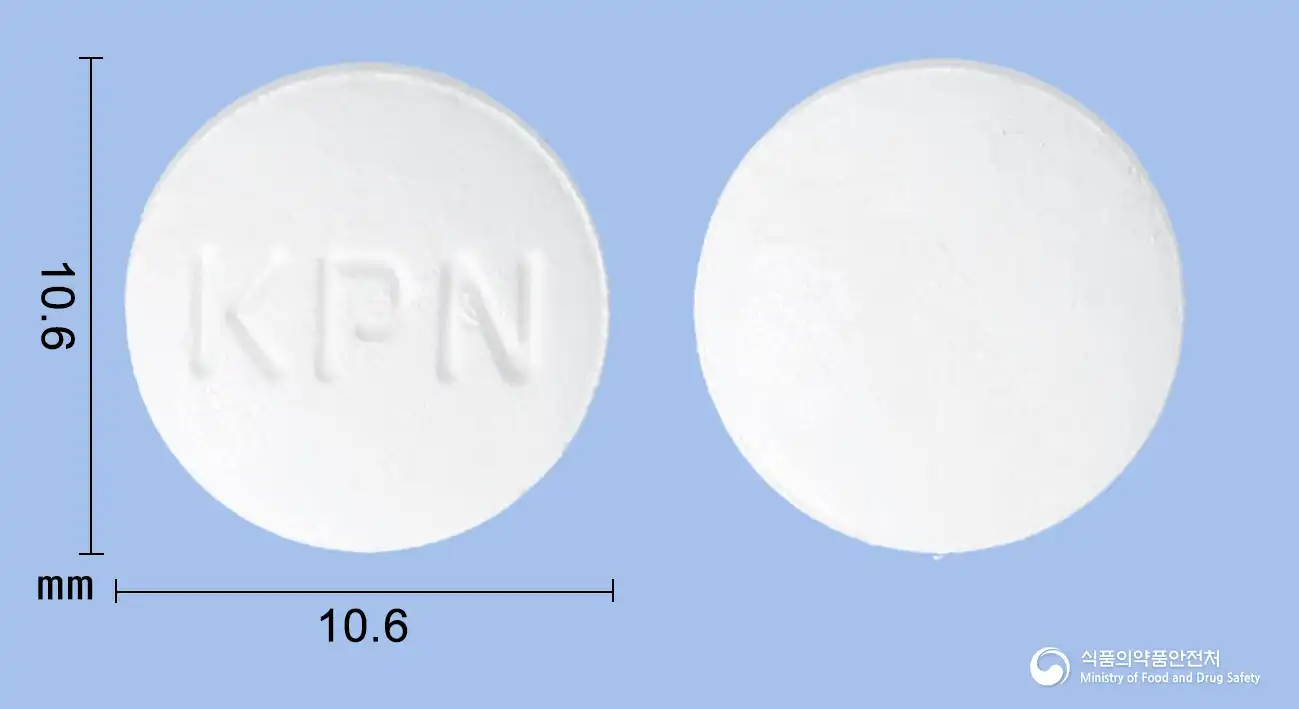
Naratriptan Hydrochloride 2.78mg
Orally disintegrating Tablet · Prescription medication
Korea Pharma Co., Ltd.
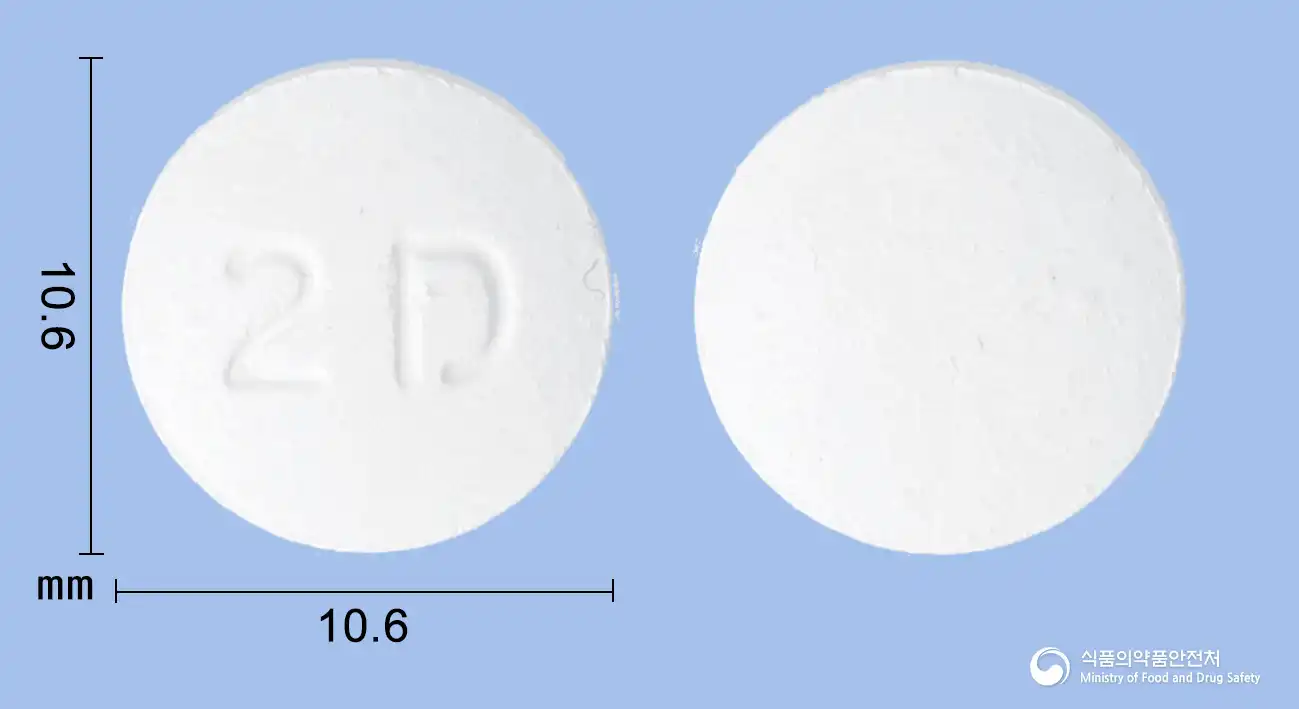
Naratriptan Hydrochloride 2.78mg
Tablet · Prescription medication
Eden Pharma Co., Ltd.
Naratriptan Hydrochloride 2.78mg
Orally disintegrating Tablet · Prescription medication
Daewoong Bio Co., Ltd.
Even with the same ingredient, the dose and directions can differ by strength and dosage form. Talk to a doctor or pharmacist before switching from a medication you are already taking.
No questions yet.
For anything that needs medical judgment, consult a doctor or pharmacist.
This drug information is based on data provided by the Korea Ministry of Food and Drug Safety.
Consult a doctor or pharmacist for accurate dosage, administration, and usage instructions.