한국어
 English
 日本語
 中文(简体)
 Viewing now
Samaro Flu Tablet 500 Micrograms (Roflumilast)
Roflumilast Micronized 0.5mg
Tablet · Prescription medication
Sama Pharmaceutical Co., Ltd.
MFDS item code 202106508 · Approved 2021.09.13 · Insurance code 645702890
Maintenance and adjunctive treatment of severe chronic obstructive pulmonary disease with chronic bronchitis
This medicine is used for the maintenance treatment of severe chronic obstructive pulmonary disease (COPD) with a history of exacerbation symptoms and accompanied by chronic bronchitis. It improves bronchial inflammation and decreases lung function as an adjunctive therapy to bronchodilators, helping to make breathing easier. Regular use is effective in preventing symptom recurrence and maintaining lung function.
Adults aged 18 years and older: Take 1 tablet once daily, with or without food.
This medication should not be used in patients who are hypersensitive to the active ingredient or excipients. It should also not be administered to patients with moderate to severe liver impairment. Patients with severe immunological diseases or severe acute infectious diseases should not use this medication. In cancer patients, other than those with basal cell carcinoma, the use should be avoided. Patients taking immunosuppressants are not recommended to use this medication. Patients with latent infections or severe congestive heart failure are prohibited from using this medication. Administration should be avoided in patients with a history of depression associated with suicidal thoughts or behaviors. This medication contains lactose; therefore, it should not be taken by patients with lactose intolerance or related genetic disorders. Caution is warranted in patients with mild liver dysfunction as this may increase the blood concentration of the medication. Underweight patients or those with a history of mental illness or a risk of psychiatric side effects should also use this medication cautiously. Common side effects may include diarrhea, weight loss, nausea, abdominal pain, and headache, most of which are mild to moderate. These symptoms often occur at the start of treatment and may improve over time. Rarely, suicidal thoughts or behaviors have been reported, and patients and caregivers should be educated to report any such symptoms immediately to their physician. This medication should not be used as an acute bronchodilator, and particularly underweight patients should regularly monitor for changes in weight. Patients with a history of mental illness or psychiatric symptoms should carefully assess the risks versus benefits during initiation and maintenance of therapy. This medication may interact with drugs that inhibit or induce certain liver enzymes; therefore, it is important to consult with a physician or pharmacist regarding concomitant medications. Pregnant or breastfeeding women are advised not to use this medication. Safety and efficacy have not been established in children under 18 years of age, so it should not be administered to them. No special dosage adjustments are necessary for the elderly. In case of overdose, symptoms may include headache, dizziness, palpitations, and hypotension, and immediate medical attention should be sought. This medication should be stored out of reach of children and kept in its original container to prevent misuse or deterioration of quality.
Not everyone experiences these, and they can vary from person to person.
This medication should be stored at room temperature between 1 to 30 degrees Celsius, and it is important to keep it in a tightly closed container to prevent air or moisture from entering. Proper storage will help maintain the medication's effectiveness over time.
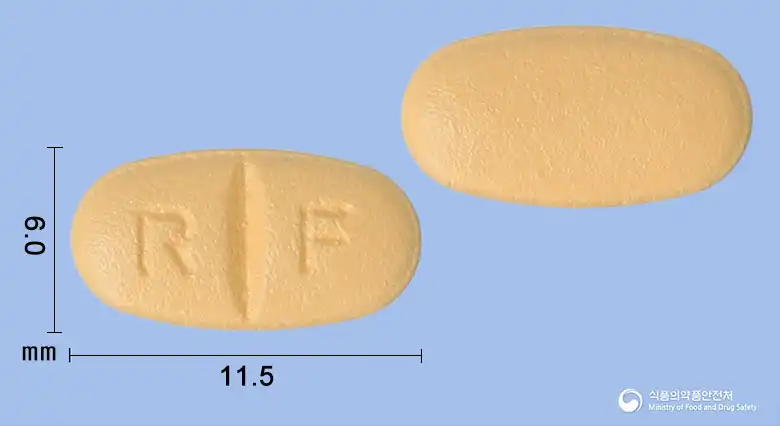
Yellow oval film-coated tablet
30 tablets/bottle, 200 tablets/bottle
Even with the same ingredient, strength, dosage form and how it is taken can differ.
Even with the same ingredient, the dose and directions can differ by strength and dosage form. Talk to a doctor or pharmacist before switching from a medication you are already taking.
No questions yet.
For anything that needs medical judgment, consult a doctor or pharmacist.
This drug information is based on data provided by the Korea Ministry of Food and Drug Safety.
Consult a doctor or pharmacist for accurate dosage, administration, and usage instructions.