
 한국어
 English
 日本語
 中文(简体)
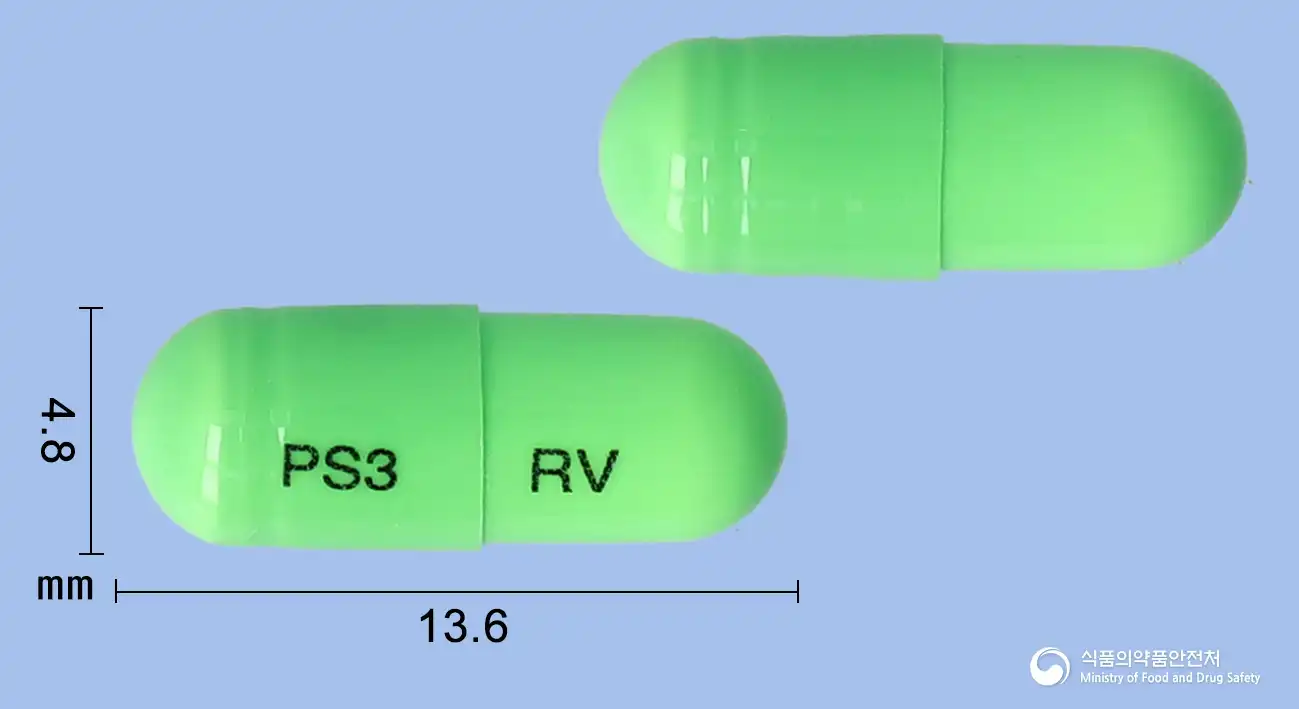 Viewing now
Diner Cut Capsule 10mg (Fluoxetine Hydrochloride)
Fluoxetine Hydrochloride 11.2mg
Hard capsule · Prescription medication
Optus Pharmaceutical Co., Ltd.
MFDS item code 202105840 · Approved 2021.08.10
Treatment of bulimia nervosa, mental disorders (depression, obsessive-compulsive disorder), and premenstrual dysphoric disorder
This drug is used for the treatment of depression, and effects are usually seen within 5 to 6 weeks. Depression refers to a persistent state characterized by various symptoms including changes in appetite and sleep, reduced concentration, feelings of guilt, and thoughts of suicide. This drug also helps reduce binge eating and purging behavior in bulimia nervosa. It is effective in relieving symptoms of obsessive-compulsive disorder, particularly useful for patients whose daily life is disrupted by obsessions or compulsive behaviors. It is also used to alleviate depression, anxiety, and physical symptoms associated with premenstrual dysphoric disorder. However, it is important to regularly evaluate the patient's condition during long-term treatment. This drug is used for the treatment of depression, bulimia nervosa, obsessive-compulsive disorder, and premenstrual dysphoric disorder.
Adults 1. Depression 1) Initial treatment: As the initial dose, administer 20mg of fluoxetine hydrochloride orally once daily in the morning. In controlled clinical trials, doses of 20~80mg per day were administered. If no improvement is observed, a dose increase may be considered after several weeks. Doses exceeding 20mg per day should be administered in 2 divided doses (morning and noon), and the maximum dose of 80mg per day should not be exceeded. The onset of an adequate antidepressant effect may be delayed until 4 weeks or longer after the start of treatment. 2) Maintenance/continuation/extended treatment: There are no definitive data on how long a patient should be treated with this medicine, but psychopharmacologists recognize that acute symptoms of depression require medication for several months or longer. It is not known whether the amount of antidepressant needed to relieve symptoms is the same as that needed to maintain or sustain stability. 2. Bulimia nervosa Administer 60mg of this medicine per day. The daily dose should not exceed 80mg. Measure electrolyte concentrations before starting treatment. 3. Obsessive-compulsive disorder Administer 20~60mg of this medicine per day. The daily dose should not exceed 80mg. 4. Premenstrual dysphoric disorder Administer 20mg of this medicine per day. Reassess the need for continued treatment after 6 months of therapy. Patients with renal and/or hepatic impairment, patients taking multiple medications, elderly patients, and patients with concomitant illnesses: Administer a lower dose or reduce the frequency of administration. Adjust the dose appropriately according to age and symptoms. Switching from MAO inhibitors used to treat psychiatric disorders When discontinuing an MAO inhibitor used to treat psychiatric disorders and starting treatment with this medicine, allow an interval of at least 14 days. Conversely, when starting an MAO inhibitor to treat psychiatric disorders, at least 5 weeks must have elapsed after discontinuing this medicine. Other MAO inhibitors, such as linezolid or methylene blue Patients receiving linezolid or intravenous methylene blue should not start treatment with this medicine because of the increased risk of serotonin syndrome. For patients requiring more urgent treatment of a psychiatric condition, including hospitalization or other interventions, treatment should be considered. It may be necessary to urgently administer linezolid or intravenous methylene blue to a patient already receiving this medicine. If there is no alternative to linezolid or intravenous methylene blue and, for a particular patient, the benefits of treatment with linezolid or intravenous methylene blue are judged to outweigh the risk of serotonin syndrome, this medicine may be stopped immediately and linezolid or intravenous methylene blue administered. Monitor the patient for symptoms of serotonin syndrome for 5 weeks after administration of linezolid or intravenous methylene blue, or until 24 hours after the last dose, whichever occurs first. Treatment with this medicine may be resumed 24 hours after the last dose of linezolid or intravenous methylene blue. The risk associated with administration of methylene blue by non-intravenous routes (oral tablets or local injection), or with intravenous injection of this medicine at 1mg/kg or less, is unclear. Nevertheless, clinicians should be aware of the possibility of emergency symptoms of serotonin syndrome with these uses.
This drug may increase the risk of suicidal thoughts or behavior in children, adolescents, and young adults with major depressive disorder or other psychiatric disorders, so careful monitoring is required, especially in patients aged 18 to 24. There may be certain cases where this drug should not be administered to specific patients. For example, patients with allergies to this drug or its additives, patients with severe renal dysfunction, and patients taking certain types of medications known as MAO inhibitors should not use this drug. This drug must be used cautiously in patients with a history of seizures, and treatment should be immediately discontinued if seizures occur or their frequency increases. In addition, patients at risk of suicide require careful monitoring from the start of treatment. Patients with cardiovascular diseases or issues related to QT interval prolongation also need to exercise caution when this drug is administered. Dose adjustments may be necessary for patients with liver or kidney impairment. This drug may affect blood glucose control, so diabetic patients should closely monitor blood sugar changes, and patients with high intraocular pressure or a risk of glaucoma should also exercise caution. Common side effects during the use of this drug may include headaches, nausea, insomnia, fatigue, diarrhea, etc., and rare but serious allergic reactions or skin rashes may occur. Withdrawal symptoms such as dizziness, sensory abnormalities, sleep disturbances, anxiety, nausea, tremors, headaches, etc., may occur upon discontinuation of this drug, so abrupt cessation should be avoided, and the dosage should be gradually reduced following a physician's instructions. This drug should only be used during pregnancy when absolutely necessary due to the risk to the fetus, and breastfeeding should be reconsidered as the drug may pass into breast milk. Safety and efficacy in children and adolescents have not been established, so it is recommended not to administer this drug to this population. This drug should be used cautiously when driving or operating hazardous machinery, and any combination with alcohol or other medications should always be discussed with a physician. This drug may interact with certain medications, so patients taking other drugs must inform their physician. In case of overdose, symptoms may include nausea, vomiting, seizures, cardiac arrhythmias, etc., and immediate medical attention should be sought. This drug should be stored out of reach of children and should not be transferred to other containers.
Headache, nausea, insomnia, fatigue, diarrhea, anaphylactic reaction, serum sickness, abnormal secretion of antidiuretic hormone, decreased appetite, hyponatremia, anxiety, irritability, restlessness, tension, decreased libido, sleep disorders, abnormal dreams, depersonalization, elevated mood, happy mood, thought disorders, abnormal libido, bruxism, hypomania, mania, hallucinations, agitation, panic attacks, suicidal thoughts and behaviors, confusion, attention deficit, dizziness, taste disturbances, hypersomnia, drowsiness, tremors, psychomotor agitation, movement disorders, ataxia, balance disorders, akathisia, convulsions, inability to sit still, Buccoglossal syndrome, serotonin syndrome, memory disturbances, blurred vision, mydriasis, palpitations, ventricular arrhythmia, QT prolongation, flushing, hypotension, vasculitis, vasodilation, yawning, dyspnea, pharyngitis, pulmonary-related events, nosebleeds, vomiting, dyspepsia, dry mouth, dysphagia, esophageal pain, gastrointestinal bleeding, specific hepatitis, rash, urticaria, pruritus, hyperhidrosis, hair loss, tendency to bruise easily, sweating, angioedema, petechiae, photosensitivity reactions, purpura, erythema multiforme, arthralgia, muscular dystonia, myalgia, frequent urination, dysuria, urinary retention, urination disorders, gynecological bleeding, erectile dysfunction, ejaculation disorders, sexual dysfunction, galactorrhea, hyperprolactinemia, priapism, anxious mood, chills, lethargy, abnormal mood, feeling cold, feeling hot, mucosal bleeding, weight loss, abnormal liver function tests, fractures, withdrawal symptoms, dizziness, sensory disturbances, sleep disturbances, asthenia, agitation, anxiety, tremors, headache, anaphylactic-like reactions, gradual systemic reactions, severe skin, kidney, liver or pulmonary-related reactions, suicidal ideation, suicidal behavior, self-harm, hostility, aggression, impulsivity, inability to sit still, panic disorder, insomnia, excitement, hostility, aggression, impulsivity, akathisia, movement disorders, altered platelet function, abnormal bleeding, aplastic anemia, atrial fibrillation, cataracts, cerebrovascular accidents, cholestatic jaundice, dyskinesia, eosinophilic pneumonia, epithelial necrosis, erythema multiforme, nodular erythema, exfoliative dermatitis, gynecomastia, cardiac arrest, liver failure, necrosis, hyperprolactinemia, hypoglycemia, immune-related hemolytic anemia, kidney failure, optic neuritis, pancreatitis, pancytopenia, pulmonary embolism, pulmonary hypertension, thrombocytopenia, thrombocytopenic purpura, ventricular tachycardia, vaginal bleeding, aggressive behavior
Not everyone experiences these, and they can vary from person to person.
This medication must be kept in a tightly sealed container to protect it from exposure to air and moisture. Additionally, it is safest to store it at room temperature between 1°C and 30°C, avoiding excessively hot or cold environments.
A green capsule filled with white or grayish-white powder
30 capsules/bottle, 300 capsules/bottle
Even with the same ingredient, strength, dosage form and how it is taken can differ.
Viewing nowFluoxetine Hydrochloride 11.2mg
Hard capsule · Prescription medication
Optus Pharmaceutical Co., Ltd.
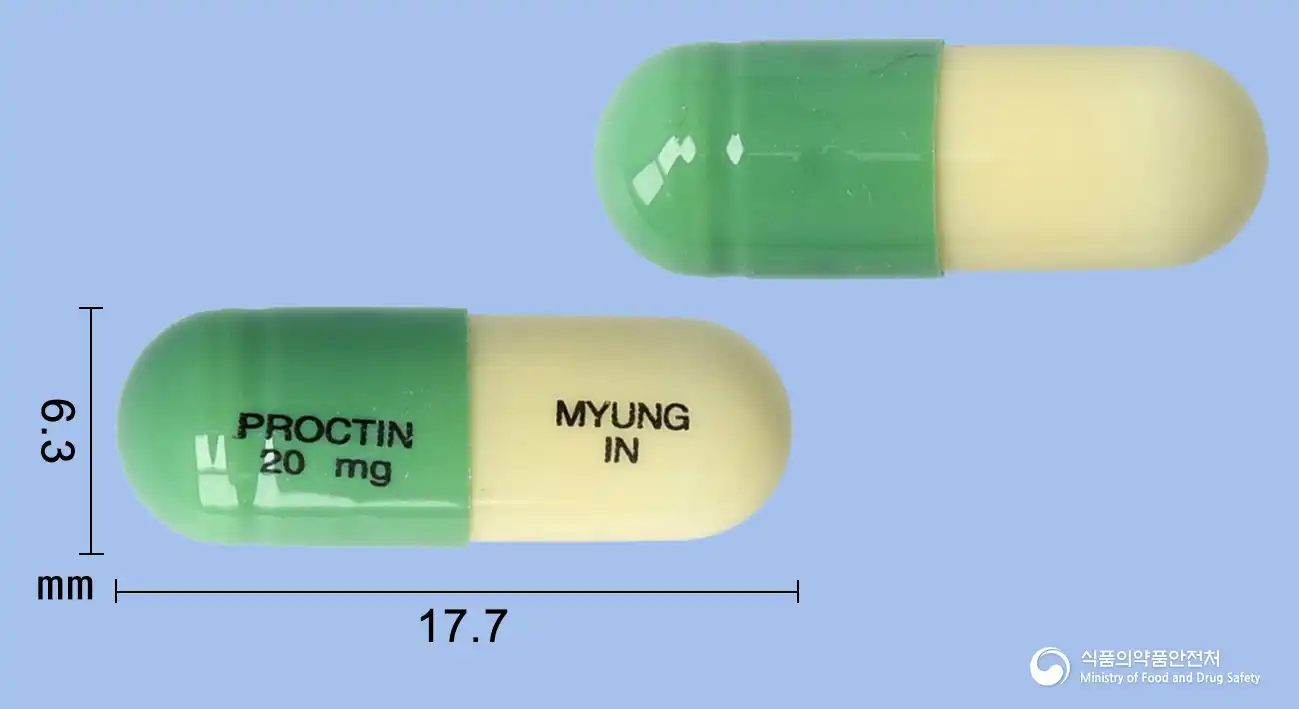
Fluoxetine Hydrochloride 22.36mg
Hard capsule · Prescription medication
Myungin Pharmaceutical Co., Ltd.
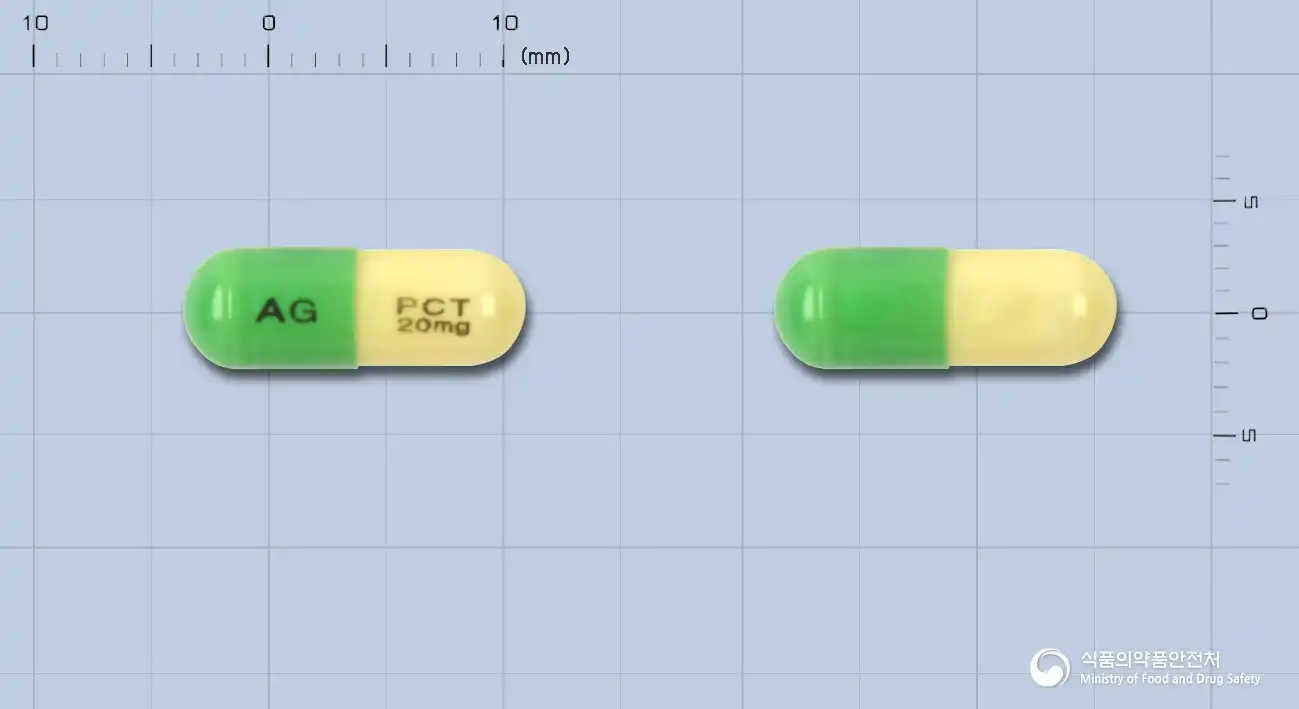
Fluoxetine Hydrochloride 22.4mg
Hard capsule · Prescription medication
Ahn-guk Pharmaceutical Co., Ltd.
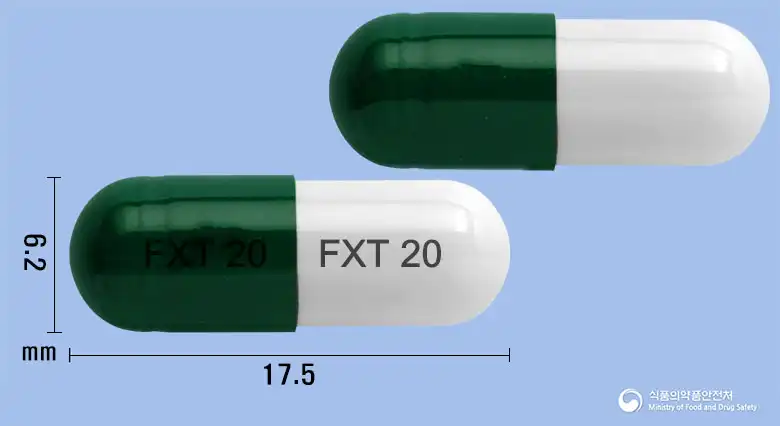
Fluoxetine Hydrochloride 22.4mg
Hard capsule · Prescription medication
Hanin Pharmaceutical Co., Ltd.
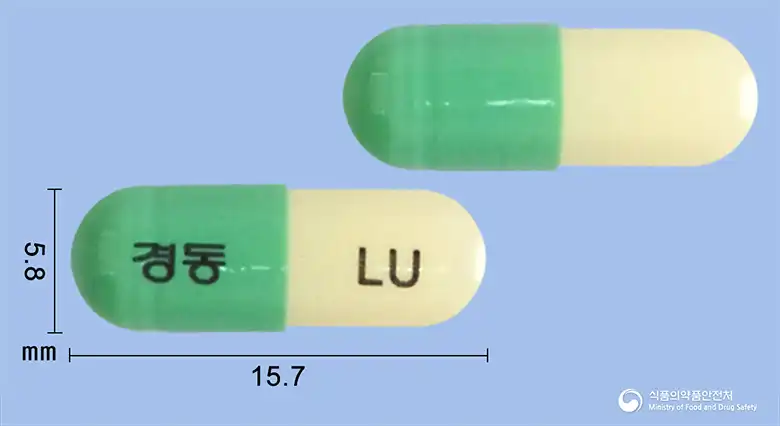
Fluoxetine Hydrochloride 22.4mg
Hard capsule · Prescription medication
Kyungdong Pharmaceutical Co., Ltd.
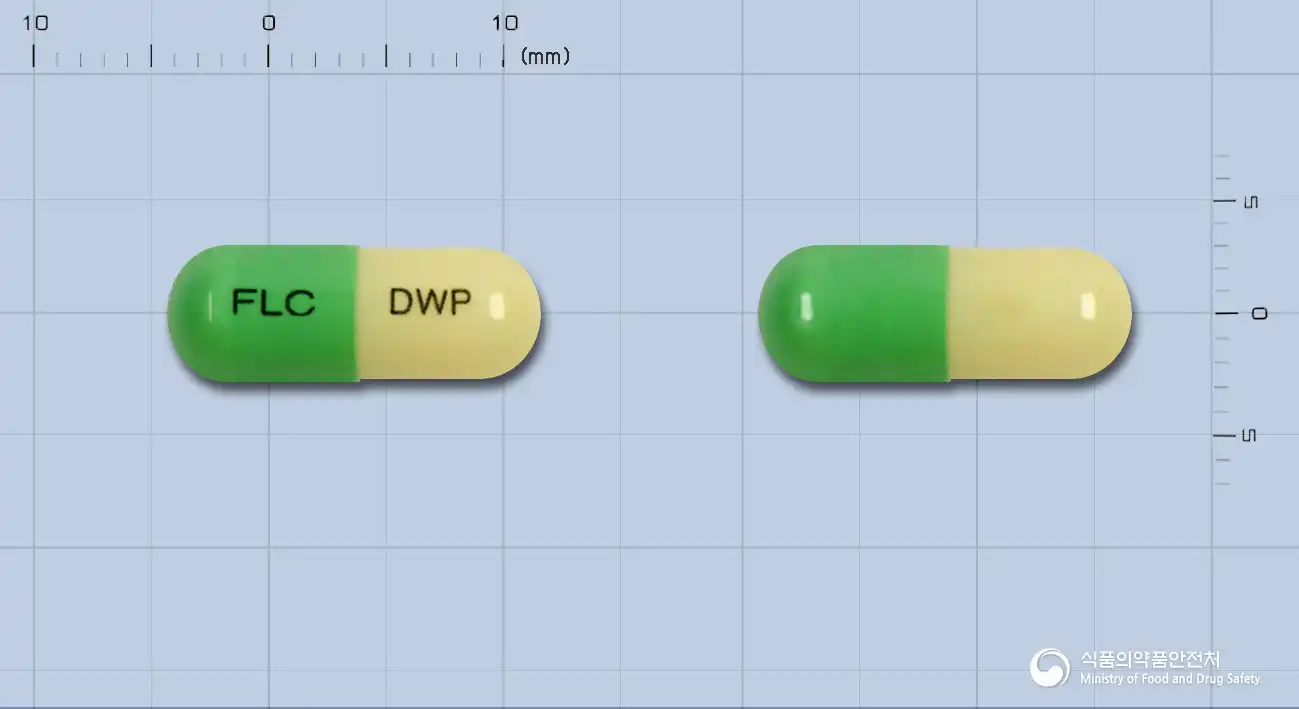
Fluoxetine Hydrochloride 22.4mg
Hard capsule · Prescription medication
Daewon Pharm Co., Ltd.
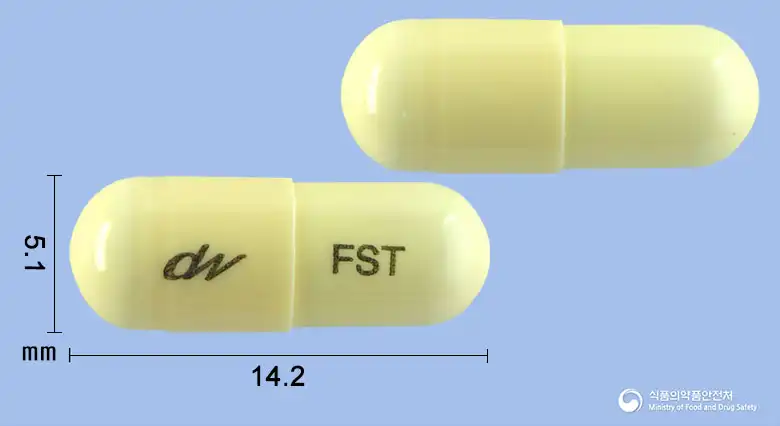
Fluoxetine Hydrochloride 22.4mg
Hard capsule · Prescription medication
Daewoo Pharmaceutical Co., Ltd.
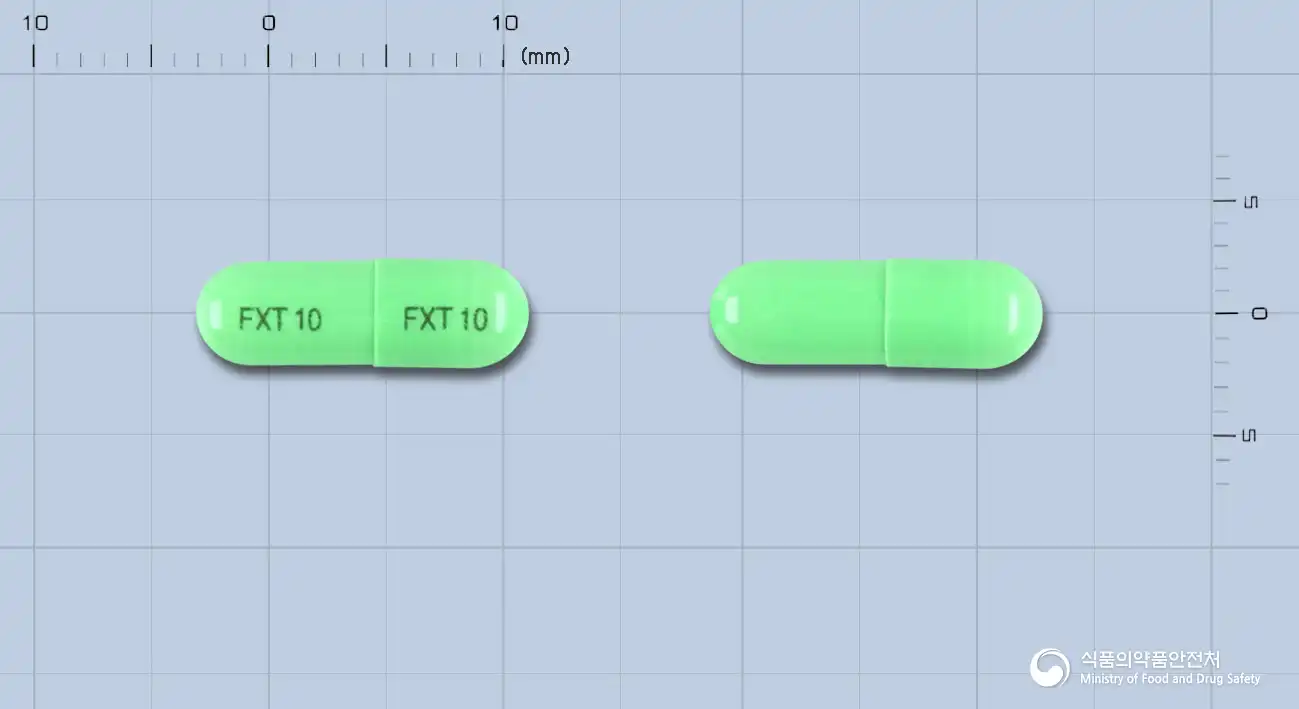
Fluoxetine Hydrochloride 11.2mg
Hard capsule · Prescription medication
Han In Pharmaceutical Co., Ltd.
Even with the same ingredient, the dose and directions can differ by strength and dosage form. Talk to a doctor or pharmacist before switching from a medication you are already taking.
No questions yet.
For anything that needs medical judgment, consult a doctor or pharmacist.
This drug information is based on data provided by the Korea Ministry of Food and Drug Safety.
Consult a doctor or pharmacist for accurate dosage, administration, and usage instructions.