한국어
 English
 日本語
 中文(简体)
 Viewing now
Robicuya Tablet 25 mg (Loratadine)
Lorlatinib 25mg
Tablet · Prescription medication
Pfizer Korea, Co., Ltd.
MFDS item code 202105596 · Approved 2021.07.29 · Insurance code 648903610
Treatment of adult patients with ALK-positive metastatic non-small cell lung cancer
This medicine is used for the treatment of adult patients with anaplastic lymphoma kinase (ALK)-positive metastatic non-small cell lung cancer (NSCLC).
The recommended dose of this drug is 100 mg orally once daily. (1) Duration of treatment Treatment with this drug is recommended for as long as the patient continues to experience clinical benefit and does not develop intolerable toxicity. (2) Delayed or missed doses If a dose of this drug is missed, take it as soon as remembered if at least 4 hours remain before the next dose; if less than 4 hours remain, skip the dose. Do not take 2 doses at once to make up for a missed dose. (3) Dose adjustment Treatment interruption or dose reduction may be necessary based on the safety and tolerability of each individual patient. The dose of this drug should be reduced as follows. • First dose reduction: 75 mg orally once daily • Second dose reduction: 50 mg orally once daily If the patient cannot tolerate 50 mg orally once daily, treatment with this drug should be permanently discontinued. The recommended dose modifications for patients who develop toxicity and atrioventricular (AV) block are shown in Table 1. [Table 1] Recommended dose modifications of this drug for adverse reactions Adverse reactiona Dose of this drug Hypercholesterolemia or hypertriglyceridemia Mild hypercholesterolemia (cholesterol between the upper limit of normal (ULN) and 300 mg/dL or between the ULN and 7.75 mmol/L) or Moderate hypercholesterolemia (cholesterol between 301 mg/dL and 400 mg/dL or between 7.76 mmol/L and 10.34 mmol/L) or Mild hypertriglyceridemia (triglycerides between 150 mg/dL and 300 mg/dL or between 1.71 mmol/L and 3.42 mmol/L) or Moderate hypertriglyceridemia (triglycerides between 301 mg/dL and 500 mg/dL or between 3.43 mmol/L and 5.7 mmol/L) Initiate or adjust lipid-lowering therapyb according to the respective prescribing information. Continue treatment with this drug at the same dose. Severe hypercholesterolemia (cholesterol between 401 mg/dL and 500 mg/dL or between 10.35 mmol/L and 12.92 mmol/L) or Severe hypertriglyceridemia (triglycerides between 501 mg/dL and 1,000 mg/dL or between 5.71 mmol/L and 11.4 mmol/L) Initiate lipid-lowering therapyb. If the patient is currently receiving lipid-lowering therapy, increase the doseb according to the respective prescribing information. Alternatively, switch to a new lipid-lowering therapyb. Continue treatment with this drug at the same dose without interruption. Life-threatening hypercholesterolemia (cholesterol greater than 500 mg/dL or 12.92 mmol/L) or Life-threatening hypertriglyceridemia (triglycerides greater than 1,000 mg/dL or 11.4 mmol/L) Initiate lipid-lowering therapyb or increase the doseb according to the respective prescribing information. Alternatively, switch to a new lipid-lowering therapyb. Interrupt treatment with this drug until hypercholesterolemia and/or hypertriglyceridemia recovers to moderate or mild grade. Try to continue treatment with this drug at the same dose while maximizing lipid-lowering therapyb according to the respective prescribing information. If severe hypercholesterolemia and/or hypertriglyceridemia recurs despite maximizing lipid-lowering therapyb according to the respective prescribing information, reduce the dose of this drug by 1 dose level. Central nervous system (CNS) effects c Grade 2: Moderate or Grade 3: Severe Interrupt treatment until the toxicity is Grade 1 or lower. Then resume treatment with this drug at a dose reduced by 1 dose level. Grade 4: Life-threatening/emergency intervention indicated Permanently discontinue treatment with this drug. Increased lipase (lipid-digesting enzyme)/amylase Grade 3: Severe or Grade 4: Life-threatening/emergency intervention indicated Interrupt treatment with this drug until lipase or amylase returns to baseline. Then resume treatment with this drug at a dose reduced by 1 dose level. Interstitial lung disease (ILD)/pneumonitis Grade 1: Mild or Grade 2: Moderate Interrupt treatment with this drug until symptoms return to baseline, and consider initiating corticosteroids. Resume treatment with this drug at a dose reduced by 1 dose level. Permanently discontinue treatment with this drug if ILD/pneumonitis recurs or does not resolve within 6 weeks after treatment interruption and steroid administration. Grade 3: Severe or Grade 4: Life-threatening/urgent intervention indicated Permanently discontinue treatment with this drug. PR interval prolongation/atrioventricular (AV) block 1st-degree AV block: asymptomatic Continue treatment with this drug at the same dose without interruption. Consider the effects of concomitant medications, and assess and correct electrolyte imbalances that may prolong the PR interval. Closely monitor ECG/symptoms that may be associated with AV block. 1st-degree AV block: symptomatic Temporarily interrupt treatment with this drug. Consider the effects of concomitant medications, and assess and correct electrolyte imbalances that may prolong the PR interval. Closely monitor ECG/symptoms that may be associated with AV block. If symptoms resolve, resume treatment with this drug at a dose reduced by 1 dose level. 2nd-degree AV block: asymptomatic Temporarily interrupt treatment with this drug. Consider the effects of concomitant medications, and assess and correct electrolyte imbalances that may prolong the PR interval. Closely monitor ECG/symptoms that may be associated with AV block. If 2nd-degree AV block is not observed on subsequent ECGs, resume treatment with this drug at a dose reduced by 1 dose level. 2nd-degree AV block: symptomatic Temporarily interrupt treatment with this drug. Consider the effects of concomitant medications, and assess and correct electrolyte imbalances that may prolong the PR interval. Refer the patient for cardiac observation and monitoring. If symptomatic AV block persists, consider pacemaker placement. If symptoms and 2nd-degree AV block resolve or reverse to asymptomatic 1st-degree AV block, resume treatment with this drug at a dose reduced by 1 dose level. Complete AV block Temporarily interrupt treatment with this drug. Consider the effects of concomitant medications, and assess and correct electrolyte imbalances that may prolong the PR interval. Refer the patient for cardiac observation and monitoring. A pacemaker may be used for severe symptoms associated with AV block. If AV block does not resolve, permanent pacemaker placement may be considered. If a pacemaker is placed, resume treatment with this drug at the full dose. If no pacemaker is placed, resume treatment with this drug at a dose reduced by 1 dose level when symptoms resolve and the PR interval falls below 200 msec. Hypertension Grade 3 (systolic blood pressure (SBP) 160 mmHg or higher or diastolic blood pressure (DBP) 100 mmHg or higher; medical intervention indicated; two or more antihypertensive drugs or a more intensive regimen than previously used) Temporarily interrupt treatment with this drug until hypertension recovers to Grade 1 or lower (SBP less than 140 mmHg, DBP less than 90 mmHg), then resume treatment with this drug at the same dose. If Grade 3 hypertension recurs, temporarily interrupt treatment with this drug until it recovers to Grade 1 or lower, and resume treatment at a reduced dose. If hypertension cannot be adequately controlled with optimal medical management, permanently discontinue treatment with this drug. Grade 4 (life-threatening consequences, urgent intervention indicated) Temporarily interrupt treatment with this drug until it recovers to Grade 1 or lower, then resume treatment at a reduced dose or permanently discontinue treatment with this drug. If Grade 4 hypertension recurs, permanently discontinue treatment with this drug. Hyperglycemia Grade 3 or Grade 4 (persistent hyperglycemia greater than 250 mg/dL despite optimal antihyperglycemic therapy) Temporarily interrupt treatment with this drug until hyperglycemia is adequately controlled, then resume treatment with this drug at the next lower dose level. If hyperglycemia cannot be adequately controlled with optimal medical management, permanently discontinue treatment with this drug. Other adverse reactions Grade 1: Mild or Grade 2: Moderate Depending on the clinical situation, make no dose adjustment or reduce the dose by 1 dose level. Grade 3 or higher: Severe Interrupt treatment with this drug until symptoms resolve to Grade 2 or lower or return to baseline. Then resume treatment with this drug at a dose reduced by 1 dose level. a. Grades are based on the NCI CTCAE classification criteria. b. Lipid-lowering therapy may include HMG-CoA reductase inhibitors, nicotinic acid, fibric acid derivatives, or omega-3 fatty acid ethyl esters. c CNS effects include psychotic effects and changes in cognition, mood, mental status, or speech. (4) Strong cytochrome P-450 (CYP) 3A4/5 inhibitors Concomitant use of this drug with strong CYP3A4/5 inhibitors and grapefruit juice may increase the plasma concentration of this drug. Consider alternative concomitant medications that are unlikely to inhibit CYP3A4/5. If concomitant administration of a strong CYP3A4/5 inhibitor is necessary, reduce the starting dose of this drug (100 mg once daily) to 75 mg once daily. If concomitant use of a strong CYP3A4/5 inhibitor is discontinued, resume this drug at the dose used before administration of the strong CYP3A4/5 inhibitor, after a washout period equivalent to 3-5 half-lives of the strong CYP3A4/5 inhibitor. (5) Dose adjustment with fluconazole Avoid concomitant use of this drug and fluconazole. If concomitant administration is unavoidable, reduce the starting dose of this drug from 100 mg orally once daily to 75 mg orally once daily. 3. Special populations (1) Renal impairment No dose adjustment is necessary in patients with mild or moderate renal impairment [absolute estimated glomerular filtration rate (eGFR): ≥30 mL/min]. Dose reduction is recommended in patients with severe renal impairment (eGFR: <30 mL/min) (starting dose 75 mg orally once daily). (2) Hepatic impairment Dose adjustment is not recommended in patients with mild hepatic impairment. There are no data on this drug in patients with moderate or severe hepatic impairment. Therefore, this drug is not recommended for patients with moderate to severe hepatic impairment. 4. Method of administration This drug is for oral use. Patients should be encouraged to take this drug at the same time every day, with or without food. The tablets should be swallowed whole (they should not be chewed, crushed, or split before swallowing). Tablets that are broken, cracked, or otherwise not intact must not be taken.
This drug can cause severe problems in the lungs, so if symptoms like shortness of breath, coughing, or fever occur, an immediate examination at a hospital is required. Individuals with an allergy to this drug or any of its components should not use it, and concomitant use with certain powerful medications is prohibited. Patients with lactose intolerance should not take this medication and should consult a doctor before use. During treatment, cholesterol and triglyceride levels can significantly increase, so regular blood tests are necessary. Central nervous system effects may occur, including memory loss, mood changes, and speech disorders; any unusual symptoms should be reported. Cardiac-related issues may also arise, and regular ECG tests should be conducted; dosage adjustments may be needed if there are cardiac abnormalities. Blood pressure may increase, so hypertension should be frequently checked before and during treatment, and hyperglycemia may occur requiring blood glucose tests. This drug has many interactions with other medications, so patients must inform healthcare providers of any current medications, especially when taking certain antibiotics or drugs metabolized in the liver. Women who are pregnant or planning to become pregnant should not take this drug, and men must ensure effective contraception during and for a period after treatment. The safety of this drug in children has not been established, and information on its use in elderly patients is limited, so caution is advised. In case of overdose, there is no specific antidote, and immediate hospital treatment is required, keeping it out of reach of children.
Not everyone experiences these, and they can vary from person to person.
This medication can degrade due to air or humidity, so it must be stored in a sealed container. It is important to maintain the storage temperature between 1 to 30 degrees Celsius to safely preserve the drug's effectiveness.
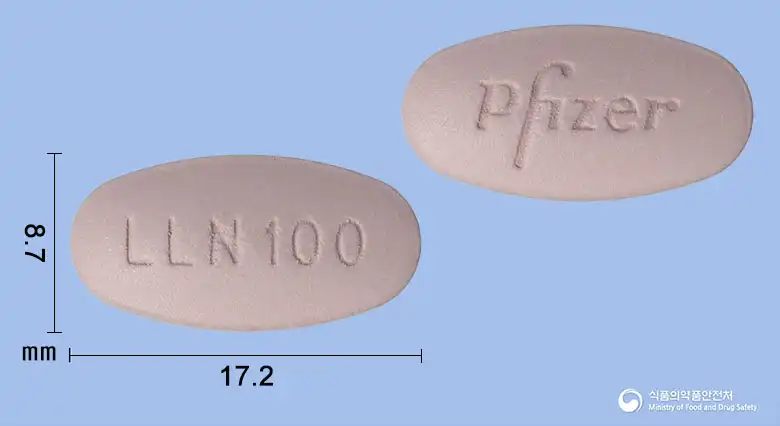
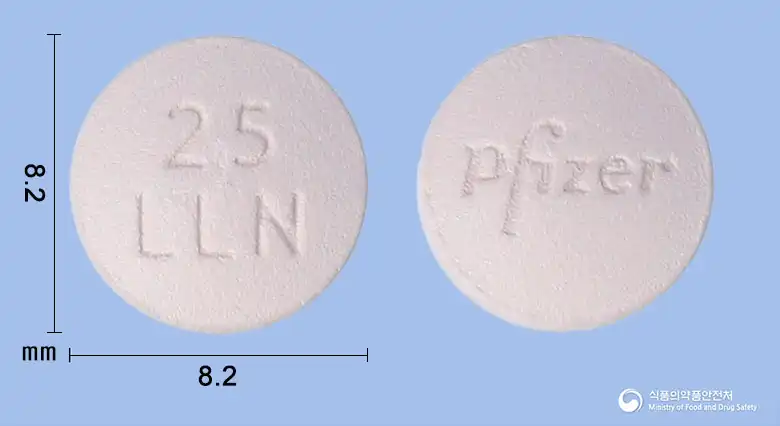
Light pink round film-coated tablet
90 tablets/box [10 tablets/blister X 9]
Even with the same ingredient, strength, dosage form and how it is taken can differ.
Even with the same ingredient, the dose and directions can differ by strength and dosage form. Talk to a doctor or pharmacist before switching from a medication you are already taking.
No questions yet.
For anything that needs medical judgment, consult a doctor or pharmacist.
This drug information is based on data provided by the Korea Ministry of Food and Drug Safety.
Consult a doctor or pharmacist for accurate dosage, administration, and usage instructions.