
 한국어
 English
 日本語
 中文(简体)
 Viewing now
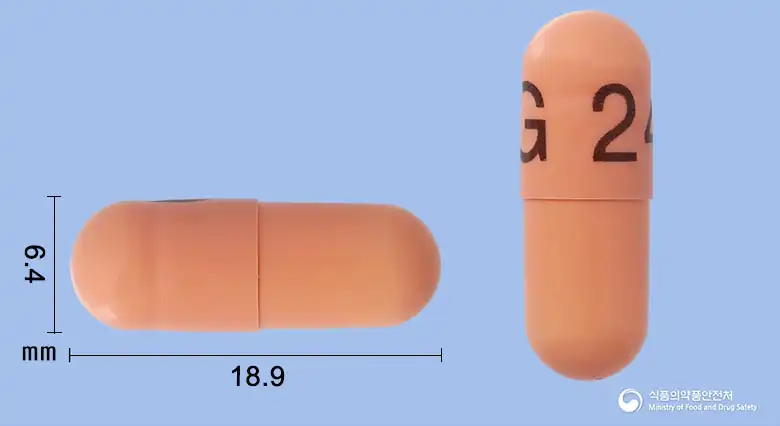
Reminyl PR Sustained Release Capsule 24 mg (Galantamine Bromide)
Galantamine Hydrobromide 7.69mg
Hard capsule · Prescription medication
Clinigen Korea Co., Ltd.
MFDS item code 202104931 · Approved 2021.06.29 · Insurance code 076100110,646902530
Treatment of symptoms of mild to moderate Alzheimer's-type dementia
Used for the treatment of symptoms of mild to moderate Alzheimer's type dementia.
(Adults) Administer once daily in the morning. It is best taken immediately after breakfast. Swallow this medicine whole with an adequate amount of water; do not chew or crush it. Ensure adequate fluid intake while taking this medicine. Initial dose: A dose of 8mg once daily is recommended for the first 4 weeks. Maintenance dose: - After the initial dose, administer 16mg once daily for at least 4 weeks. - Thereafter, based on assessment of clinical benefit and tolerability, the dose may be increased up to a maximum of 24mg daily. - For patients who do not tolerate 24mg daily or have no improvement in response, consider reducing the dose to 16mg daily. - This medicine may be continued for as long as it benefits the patient. Assess the clinical benefit of this medicine regularly and consider discontinuing treatment if it is ineffective. - No rebound phenomenon occurs after discontinuation of treatment (e.g., in preparation for surgery). (Patients with renal or hepatic impairment) Blood concentrations of galantamine may increase in patients with moderate to severe renal or hepatic impairment. For patients with moderate hepatic impairment, based on pharmacokinetic modeling, administer 8mg every other day for at least 1 week, preferably in the morning. Thereafter, administer 8mg once daily for at least 4 weeks. Do not exceed 16mg daily. This medicine is contraindicated in patients with severe hepatic impairment (Child-Pugh score >9). No dose adjustment is required in patients with mild hepatic impairment. No dose adjustment is required in patients with a creatinine clearance of 9mL/min or higher. This medicine is contraindicated in patients with severe renal impairment (creatinine clearance < 9mL/min). (Concomitant therapy) Consider reducing the dose of this medicine in patients receiving CYP 2D6 or CYP 3A4 inhibitors (e.g., ketoconazole).
(Pediatrics) Use in children is not recommended.
This medication should not be used in patients with hypersensitivity to any of its ingredients or with severe liver or kidney impairment. While taking this medication, side effects such as nausea, vomiting, diarrhea, headache, dizziness, and decreased appetite may occur, so caution should be exercised. Particularly, symptoms of slowed heart rate or fainting may appear, so patients with heart disease should be especially careful. This medication is used in patients with mild to moderate Alzheimer's type dementia, and its efficacy has not been proven in other forms of dementia. If a rash or severe allergic reaction occurs, stop taking the medication immediately and consult a healthcare professional. It is important to regularly check for weight changes during treatment. Patients with heart disease or those taking medications that lower heart rate should consult their doctor, as this medication may affect heart rhythm. Patients with a history of gastrointestinal ulcers should take this medication with caution, and it is advisable for patients recovering from gastrointestinal surgery to avoid its use. Those with a history of seizures or conditions such as asthma or obstructive lung disease should be cautious when taking this medication. Patients with bladder problems or urination disorders should consult a healthcare professional before using this medication. This medication may interact with certain muscle relaxants used during anesthesia, so it is crucial to inform the healthcare provider if surgery is planned. It is safer for lactose intolerant patients not to take this medication. During pregnancy, the benefits and risks to the fetus should be carefully evaluated before administration, and it is recommended that nursing mothers do not take this medication. For the first week of administration, dizziness or drowsiness may occur, so caution is advised when driving or operating machinery. In the case of overdose, severe symptoms such as vomiting, bradycardia, and seizures may occur; therefore, if overdose is suspected, seek medical attention immediately. Keep this medication out of reach of children and do not transfer it to another container.
Decreased appetite, depression, dizziness, headache, trembling, fainting, drowsiness, sleepiness, bradycardia, nausea, vomiting, diarrhea, abdominal pain, upper abdominal pain, indigestion, abdominal discomfort, muscle spasms, fatigue, asthenia, apathy, weight loss, falls, laceration, dehydration, taste disturbances, hypersomnia, sensory disturbances, blurred vision, I-degree atrioventricular block, palpitations, tachycardia, ventricular premature contractions, flushing, hypotension, nausea, sweating, muscle weakness, hypersensitivity, hallucinations, visual hallucinations, auditory hallucinations, seizures, extrapyramidal disorder, tinnitus, complete atrioventricular block, hypertension, hepatitis, Stevens-Johnson syndrome, acute generalized exanthematous pustulosis, erythema multiforme, increased liver enzymes, rash, pruritus, extrapyramidal syndrome, Parkinson's syndrome, worsening of Parkinson's syndrome, hand paresis, bradykinesia, pincer syndrome, delirium, sweating, edema, constipation, thirst, gastritis, belching, jaundice, elevated γ-GT, elevated ALT/AST, exacerbation of chronic renal failure, urinary incontinence, vertigo, decreased appetite, falls, sweating, gastrointestinal cramps, drooling, tearing, defecation, urination, collapse, Torsades de Pointes, ventricular tachycardia, brief loss of consciousness
Not everyone experiences these, and they can vary from person to person.
This medication should be stored in a tightly sealed container to prevent air and moisture infiltration, ideally at room temperature between 1 and 30 degrees Celsius. Storing it this way helps maintain its efficacy over a longer period.
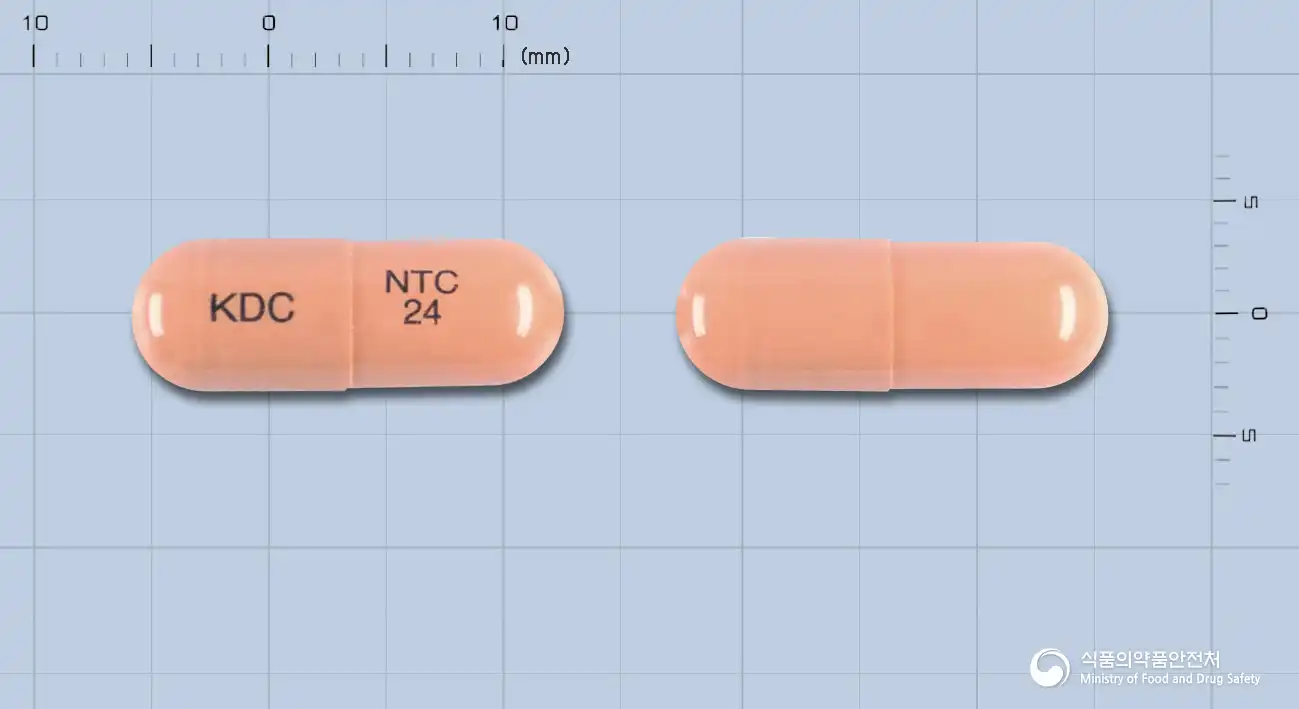
Light brown hard capsules containing white to off-white sustained-release granules
56 capsules/box [7 capsules/PTP × 8]
Even with the same ingredient, strength, dosage form and how it is taken can differ.
Viewing nowGalantamine Hydrobromide 7.69mg
Hard capsule · Prescription medication
Clinigen Korea Co., Ltd.
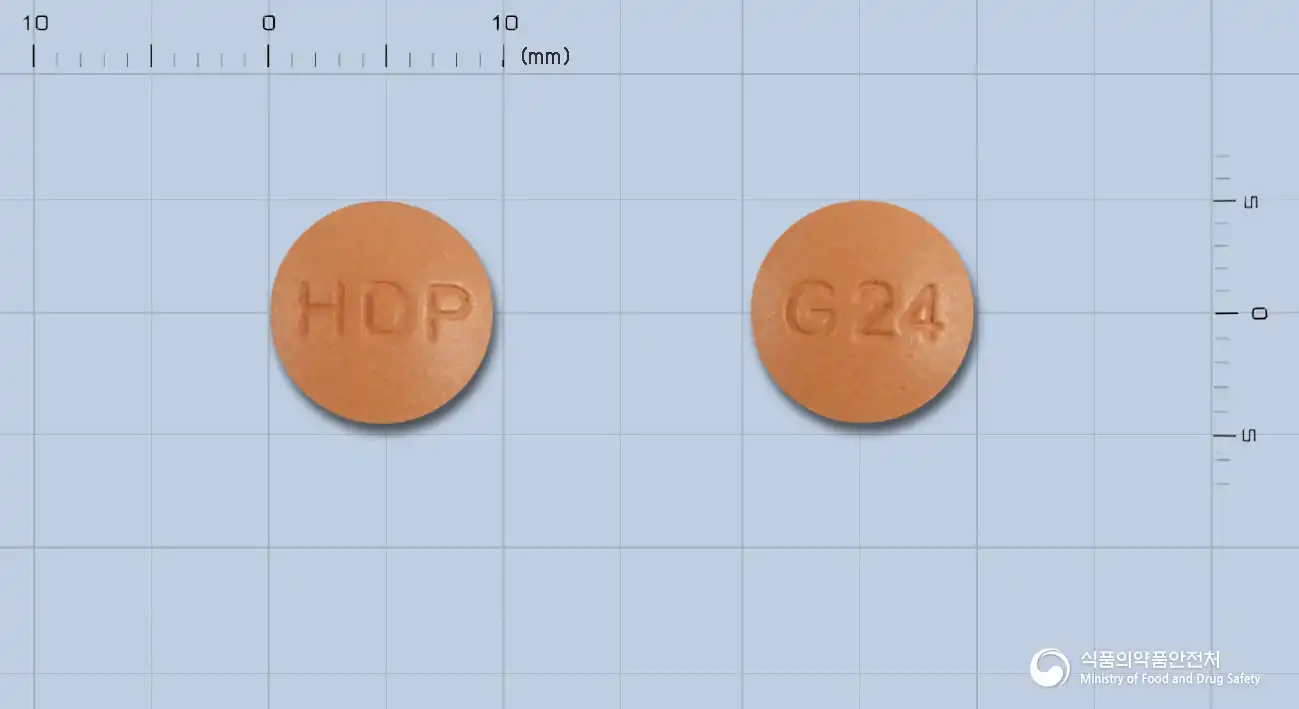
Galantamine Hydrobromide 30.76mg
Tablet · Prescription medication
Hyundai Pharmaceutical Co., Ltd.
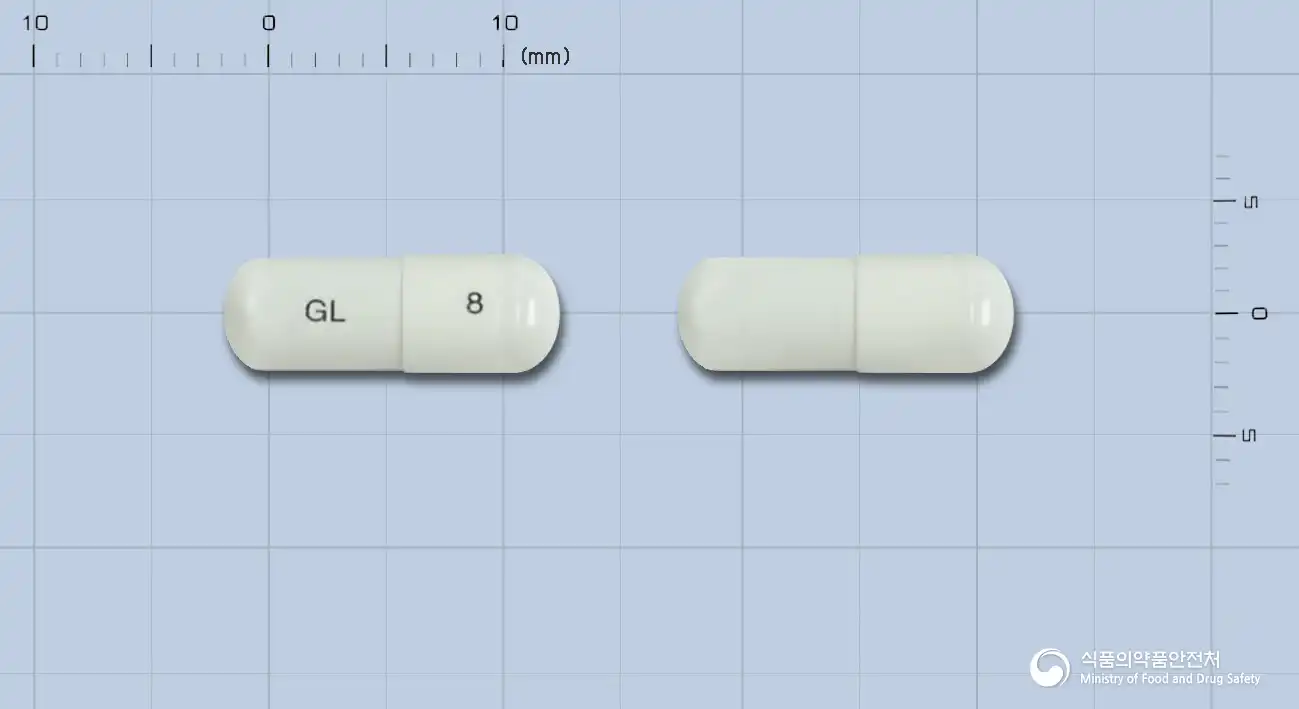
Galantamine Hydrobromide 10.25mg
Hard capsule · Prescription medication
Myeongin Pharmaceutical Co., Ltd.
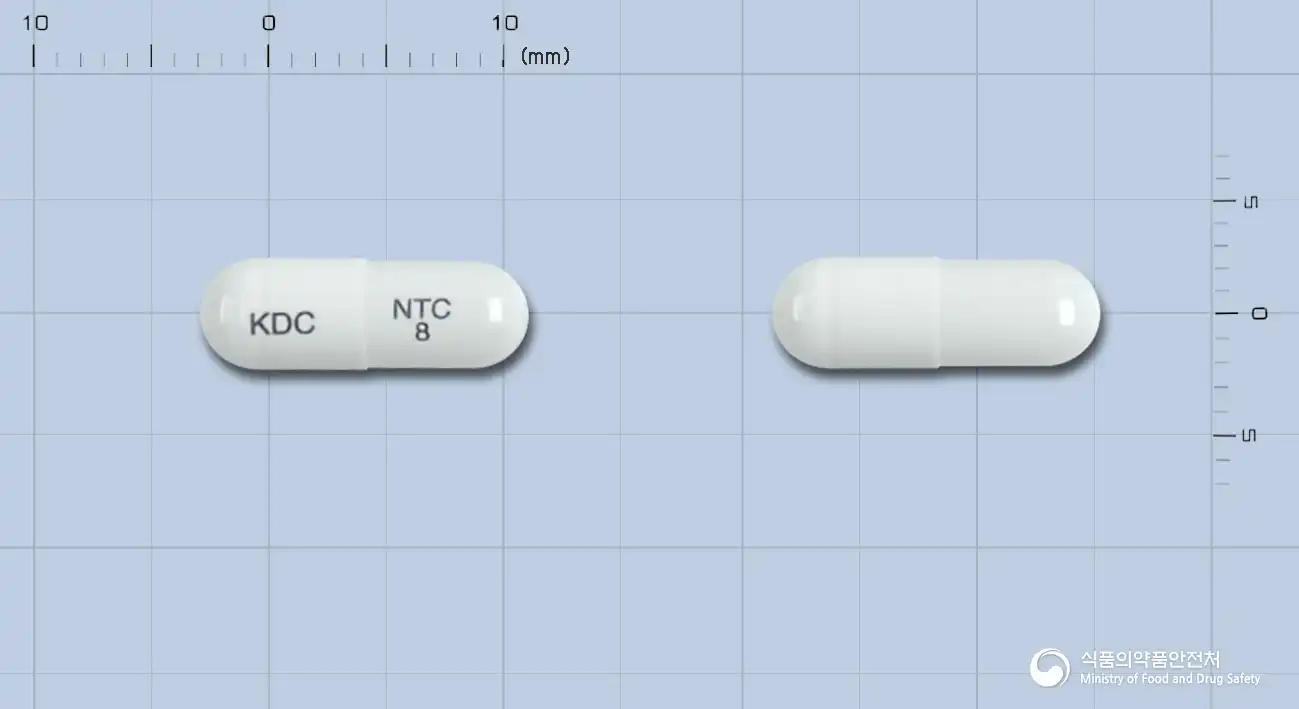
Galantamine Hydrobromide 10.25mg
Hard capsule · Prescription medication
Korea Pharmaceutical Co., Ltd.

Galantamine Hydrobromide 20.51mg
Tablet · Prescription medication
Hyundai Pharmaceutical Co., Ltd.

Galantamine Hydrobromide 10.25mg
Tablet · Prescription medication
Hyundai Pharmaceutical Co., Ltd.

Galantamine Hydrobromide 20.51mg
Hard capsule · Prescription medication
Korea Pharmaceutical Co., Ltd.
Galantamine Hydrobromide 30.76mg
Hard capsule · Prescription medication
Korea Pharmaceutical Co., Ltd.
Even with the same ingredient, the dose and directions can differ by strength and dosage form. Talk to a doctor or pharmacist before switching from a medication you are already taking.
No questions yet.
For anything that needs medical judgment, consult a doctor or pharmacist.
This drug information is based on data provided by the Korea Ministry of Food and Drug Safety.
Consult a doctor or pharmacist for accurate dosage, administration, and usage instructions.