
 한국어
 English
 日本語
 中文(简体)
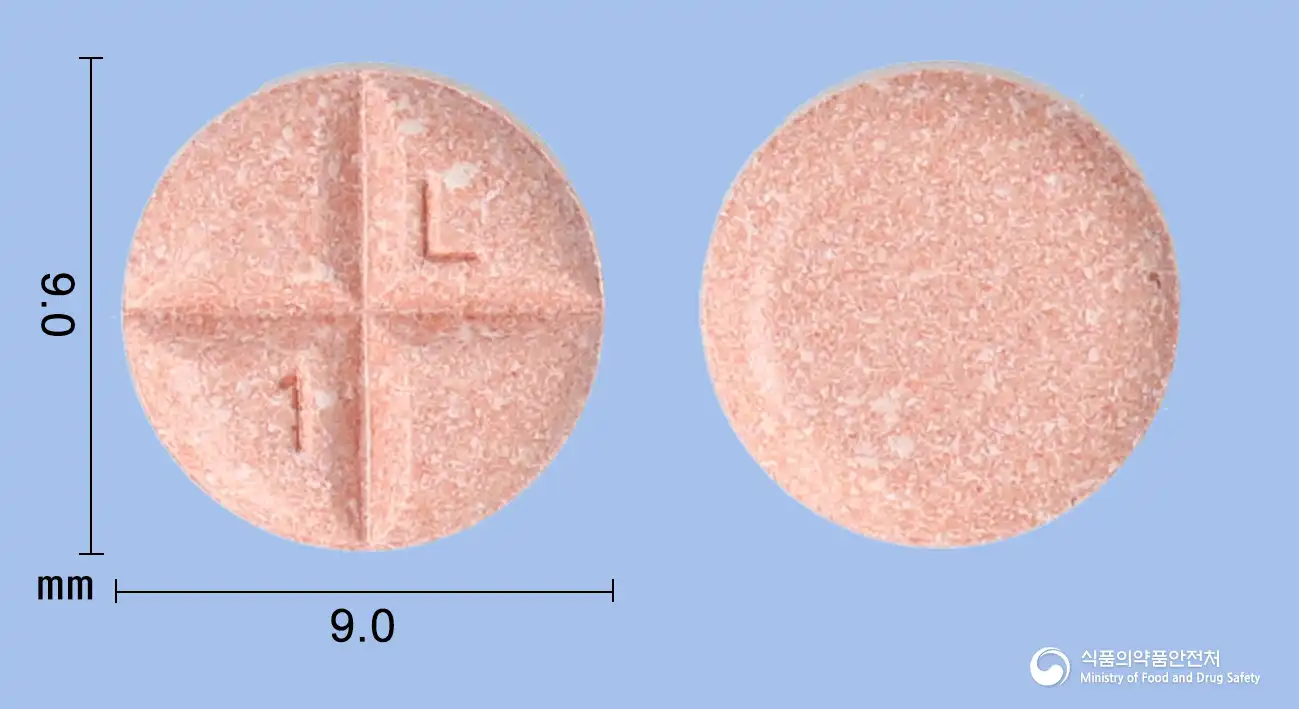 Viewing nowCombination
Mydopar 25/100 mg (Benserazide, Levodopa)
Benserazide Hydrochloride 28.5mg · Levodopa 100mg
Tablet · Prescription medication · Combination
Myeongin Pharmaceutical Co., Ltd.
MFDS item code 202104353 · Approved 2021.06.03 · Insurance code 651905030
Treatment of parkinsonism (excluding drug-induced parkinsonism)
This medication is used for the treatment of Parkinson's syndrome. Parkinson's syndrome is a condition characterized by symptoms such as tremors, stiffness, and slowness of movement, caused by a deficiency of dopamine in the brain. It is effective for primary or other causes of Parkinson's syndrome excluding drug-induced Parkinson's disease, and through alleviating symptoms, it improves the quality of daily life.
As with conventional levodopa therapy, treatment with this medicine should be initiated at the lowest possible dose and increased gradually. The dosage and administration should be determined individually, regardless of the stage of the disease. To avoid the competitive effect of dietary protein on levodopa and promote a more rapid onset of action, it is recommended, if possible, to take this medicine 30 minutes before or 1 hour after a meal. Gastrointestinal adverse reactions may occur early in treatment, but they can be managed by taking this medicine with a low-protein diet or beverage, or by increasing the dose slowly. The following administration schedules may be used as a guide to dosage and administration. 1. Initial therapy For patients with early-stage Parkinson's disease, it is preferable to initiate treatment with 1/2 tablet per dose, 3~4 times daily. Patients with more advanced disease should receive twice the above dose. Once tolerability of the initial therapy is confirmed, promptly increase the number of daily doses by 1 at weekly intervals (e.g., 4 times daily instead of 3 times daily). If the patient can be closely monitored, the dose may also be adjusted at intervals of 2~3 days. Optimal effects are generally achieved with a total daily dose of 4~8 tablets of this medicine, divided into 3~4 doses. If the daily dose needs to be increased further, increase it at intervals of 1 month. It may take 4~6 weeks to reach the optimal dose. 2. Maintenance therapy The average maintenance dose is 1 tablet 4~6 times daily. The number of daily doses (at least 3 times daily) and dosing intervals should be determined and adjusted for each patient. 3. Special dosage and administration Antiparkinsonian medicines other than levodopa may be continued until the therapeutic effect of this medicine is fully established; however, after this medicine takes effect, the doses of these medicines can often be gradually reduced. If marked fluctuations in therapeutic effect (on-off phenomenon) occur during treatment, it is recommended to reduce the dose per administration and increase the frequency of administration, or to administer HBS capsules (levodopa/benserazide).
This drug should not be administered to patients with severe endocrine disorders, liver disorders, renal disorders, or heart diseases. It should also not be used by patients with psychiatric disorders or severe mental illnesses, patients under 25 years old, pregnant women, patients with malignant melanoma, or patients with closed-angle glaucoma. Additionally, patients with allergies to this drug or its ingredients, and those taking non-selective MAO inhibitors should not be treated with this medication. Caution is required when using in patients with liver or kidney impairment, patients with open-angle glaucoma, and those with a history of myocardial infarction or heart failure. Patients with osteomalacia, peptic ulcer, or diabetes should also take care, and diabetic patients should frequently monitor their blood sugar levels and adjust their diabetes medication dosages. This medication may have side effects such as blood abnormalities, decreased appetite, depression, anxiety, hallucinations, movement disorders, drowsiness, deep vein thrombosis, orthostatic hypotension, nausea, vomiting, diarrhea, skin rashes, etc. Regular blood tests and liver and kidney function tests should be conducted, especially when taking it long-term. This medication should be stopped before surgery, and sudden discontinuation can lead to severe neuroleptic malignant syndrome, so it should be tapered off gradually. Caution is needed while driving or operating machinery as drowsiness can occur, and behavioral changes such as impulse control disorders may appear, requiring observation. This medication can interact with other drugs, so it should be taken according to a physician's instructions, especially when combined with non-selective MAO inhibitors, sympathomimetics, antihypertensives, and antipsychotics. Pregnant or breastfeeding women should not use this medication, and women who could become pregnant should employ appropriate contraceptive measures. Overdosage may result in heart problems, mental disorders, gastrointestinal disturbances, and abnormal motor symptoms, so immediate consultation with medical personnel is necessary. This medication should be kept out of reach of children and should be stored tightly closed in its original container as it is sensitive to moisture.
Not everyone experiences these, and they can vary from person to person.
This drug is sensitive to light and should be stored in a tightly sealed container that blocks light. Additionally, care should be taken to prevent moisture, and it is best kept in a cool place below 25 degrees Celsius.
Pink round tablet with cross-score
30 tablets/bottle, 100 tablets/bottle
Even with the same ingredient, strength, dosage form and how it is taken can differ.
Viewing nowCombinationBenserazide Hydrochloride 28.5mg · Levodopa 100mg
Tablet · Prescription medication · Combination
Myeongin Pharmaceutical Co., Ltd.
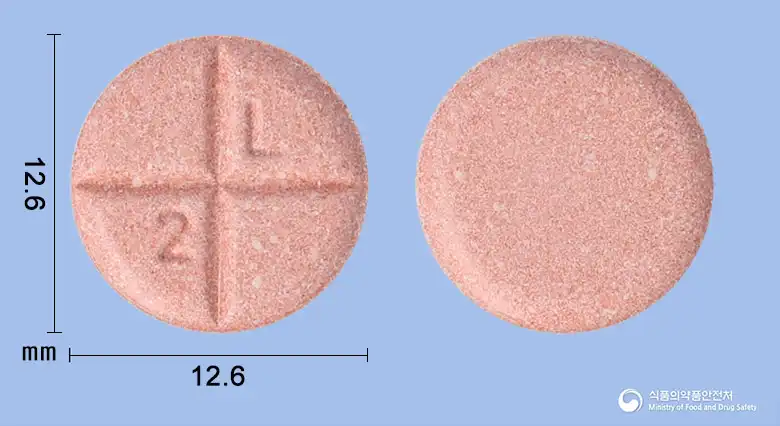 Combination
Benserazide Hydrochloride 57mg · Levodopa 200mg
Tablet · Prescription medication · Combination
Myeongin Pharmaceutical Co., Ltd.
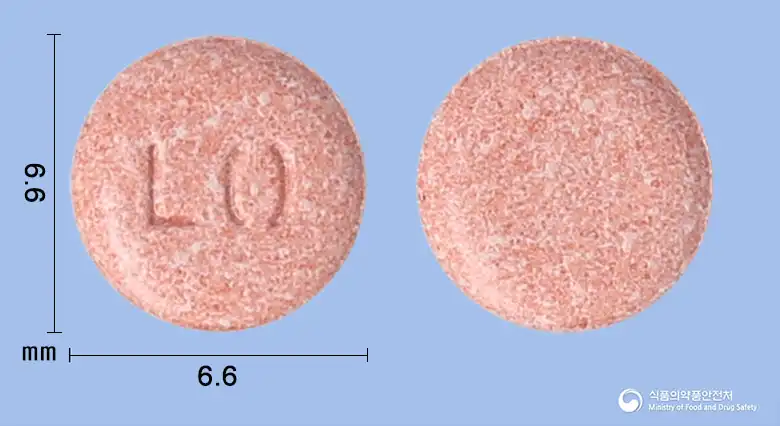 Combination
Benserazide Hydrochloride 14.25mg · Levodopa 50mg
Tablet · Prescription medication · Combination
Myungin Pharmaceuticals Co., Ltd.
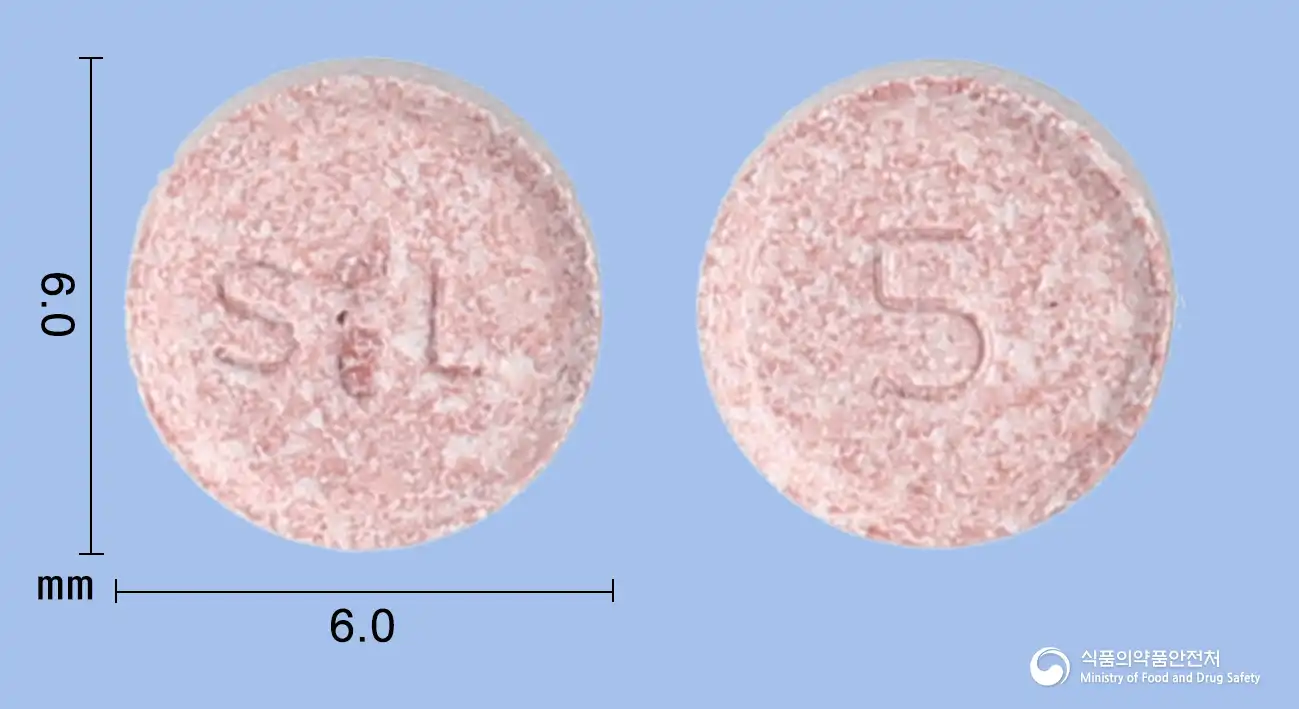 Combination
Levodopa 50mg · Benserazide Hydrochloride 14.25mg
Tablet · Prescription medication · Combination
Samil Pharmaceutical Co., Ltd.
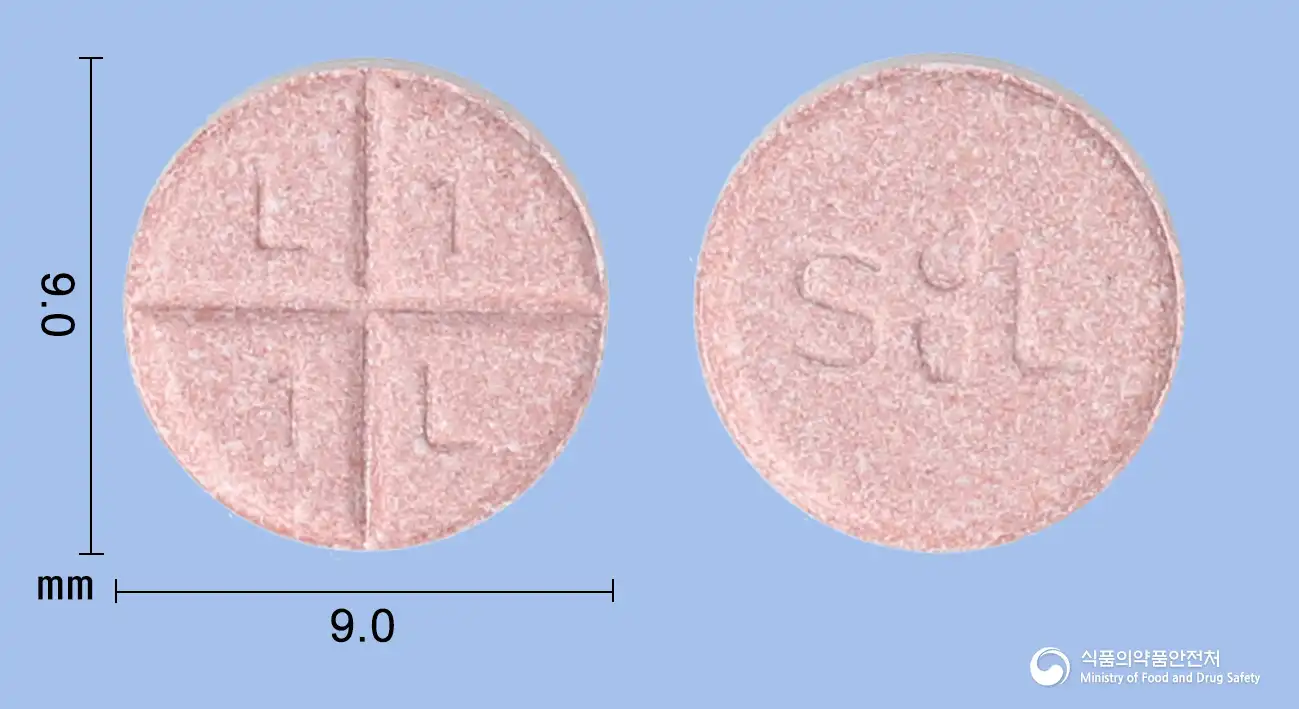 Combination
Levodopa 100mg · Benserazide Hydrochloride 28.5mg
Tablet · Prescription medication · Combination
Samil Pharmaceutical Co., Ltd.
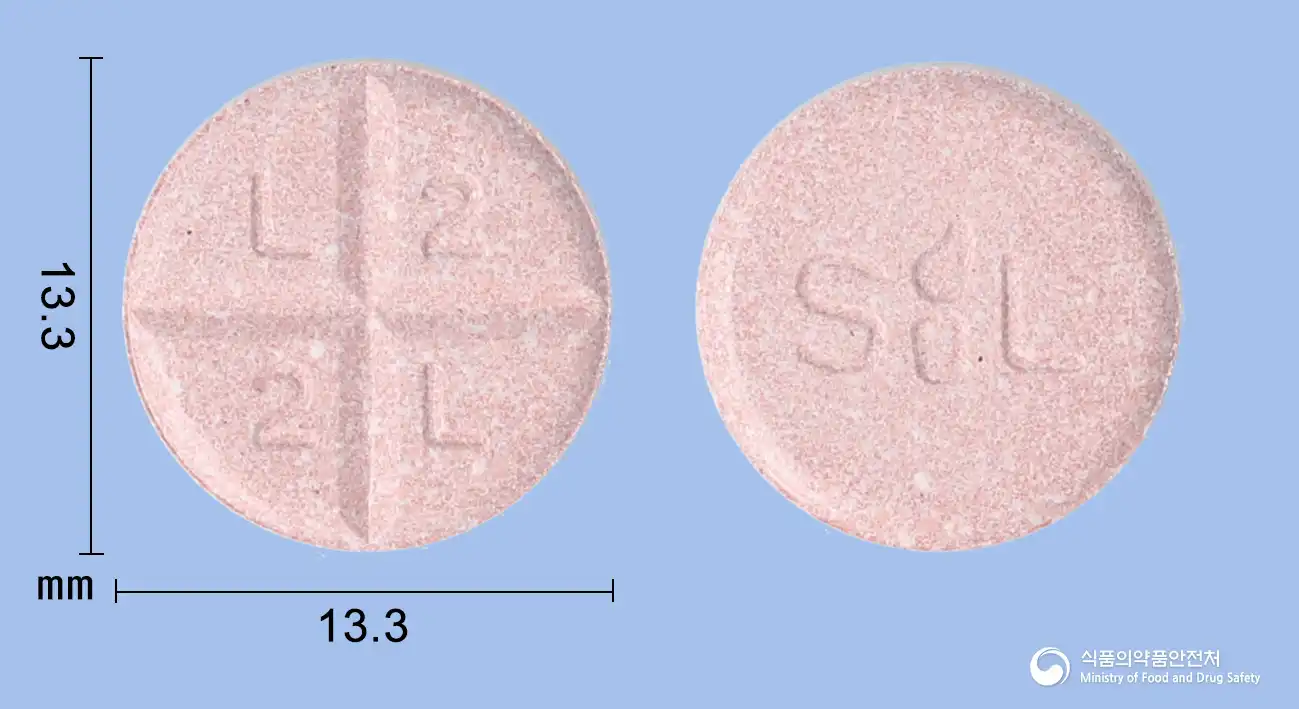 Combination
Levodopa 200mg · Benserazide Hydrochloride 57mg
Tablet · Prescription medication · Combination
Samil Pharmaceutical Co., Ltd.
Even with the same ingredient, the dose and directions can differ by strength and dosage form. Talk to a doctor or pharmacist before switching from a medication you are already taking.
No questions yet.
For anything that needs medical judgment, consult a doctor or pharmacist.
This drug information is based on data provided by the Korea Ministry of Food and Drug Safety.
Consult a doctor or pharmacist for accurate dosage, administration, and usage instructions.