
 한국어
 English
 日本語
 中文(简体)
Dosage form image
Viewing nowRopinirole Sustained Release Tablet 1.5 mg (Ropinirole Hydrochloride Dihydrate)
Pramipexole Dihydrochloride Monohydrate 1.5mg
Tablet · Prescription medication
Hanmi Pharm Co., Ltd.
MFDS item code 202103199 · Approved 2021.04.20
Treatment of idiopathic Parkinson's disease
This medication is used alone in the treatment of idiopathic Parkinson's disease, specifically in early Parkinson's disease patients, and in advanced cases, it is used in conjunction with levodopa. It helps to improve motor function disorders and slows the progression of symptoms.
Idiopathic Parkinson's disease Take this medicine once daily at the same time with water. Swallow it whole without chewing, splitting, or crushing. It may be taken with or without food. If a dose is missed, take this medicine within 12 hours after the scheduled dose time. If 12 hours have passed, skip the missed dose and take the next dose according to the next scheduled dosing plan. 1. Patients with normal renal function 1) Initiation regimen Week | Total daily dose (mg) | Dose (mg) 1 | 0.375 | 0.375 2 | 0.75 | 0.75 3 | 1.50 | 1.50 Start with a total daily dose of 0.375mg/day and gradually increase it. Increase the dose approximately once every 5-7 days and do not increase it more frequently. If intolerable adverse reactions do not occur, the dose may be increased to the maximum therapeutic dose. The increases recommended based on clinical trials are as follows. If further increases are needed, increase by 0.75mg at 1-week intervals, up to a maximum of 4.5mg daily. Patients already taking immediate-release pramipexole tablets may be switched overnight to this medicine at the same total daily dose. 2) Maintenance therapy The dose per administration ranges from 0.375mg to a maximum of 4.5mg daily. In pivotal clinical trials, efficacy was observed at daily doses starting from 1.5mg during dose escalation in both early and advanced Parkinson's disease, and some patients may experience additional therapeutic benefit at doses higher than 1.5mg. This regimen applies particularly to patients with advanced Parkinson's disease in whom a reduction in the levodopa dose is planned. In patients taking this medicine in combination with levodopa, consider reducing the levodopa dose during dose escalation and maintenance therapy with pramipexole, as this is necessary to avoid excessive dopaminergic stimulation. 2. Patients with renal impairment The elimination of pramipexole varies depending on renal function. For initiation therapy, the following dosing schedule is suggested; Renal function | Initial dose (mg) | Maximum dose (mg) creatinine CL>50ml/min | No adjustment of the daily dose or dosing frequency is necessary. creatinine CL=30~50ml/min | 0.375mg every 2 days | 2.25mg once daily creatinine CL<30ml/min | Use of this medicine in these patients has not been adequately studied; therefore, consider use of immediate-release pramipexole tablets. If renal function declines during maintenance therapy, follow the above recommendations for dosing. 3. Discontinuation Reduce the dose by 0.75 mg/day until the daily dose is reduced to 0.75 mg, then reduce it by 0.375 mg/day thereafter.
This medication is a dopamine agonist used in the treatment of Parkinson's disease, and may cause drowsiness or sudden sleep symptoms in patients. In particular, there is a risk of suddenly falling asleep while driving or operating complex machinery, so such activities should be avoided until drowsiness has completely subsided. Additionally, this medication can cause hallucinations or confusion, with these symptoms being more common in older adults, so caution is necessary. Orthostatic hypotension, which is a drop in blood pressure upon suddenly standing up that may lead to dizziness or fainting, should be monitored carefully. Patients with impaired kidney function or cardiovascular disease require dosage adjustments and blood pressure monitoring. It is advisable not to use this medication concurrently with other sedatives or alcohol, and consultations with a doctor are necessary when taking it with certain medications, as drug concentration may be altered. Women who are pregnant or breastfeeding should consider the potential effects on the fetus or newborn before using this medication. Safety in children has not been established; therefore, it should not be administered to children. Elderly patients may require dosage adjustments due to slowed drug excretion from decreased kidney function, and the risk of hallucinations may increase. In the case of overdose, symptoms may include nausea, vomiting, hallucinations, and hypotension, and immediate medical attention should be sought. Lastly, this medication should be stored out of reach of children and kept away from light and moisture.
Not everyone experiences these, and they can vary from person to person.
This medication should be stored in a sealed container that shields it from light, at a temperature between 1 degree and 30 degrees Celsius at room temperature. It is also advisable to keep it in a dry place free from moisture.
White or light gray, elliptical, biconvex sustained release tablet
100 tablets/box [10 tablets/PTP x 10 packs]
Even with the same ingredient, strength, dosage form and how it is taken can differ.
Pramipexole Dihydrochloride Monohydrate 1.5mg
Tablet · Prescription medication
Hanmi Pharm Co., Ltd.
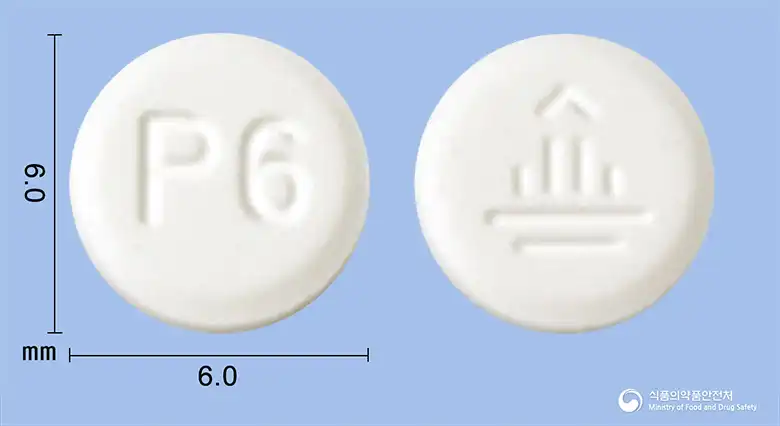
Pramipexole Dihydrochloride Monohydrate 0.125mg
Tablet · Prescription medication
Boehringer Ingelheim Korea Co., Ltd.

Pramipexole Dihydrochloride Monohydrate 0.25mg
Tablet · Prescription medication
Boehringer Ingelheim Korea, Co., Ltd.
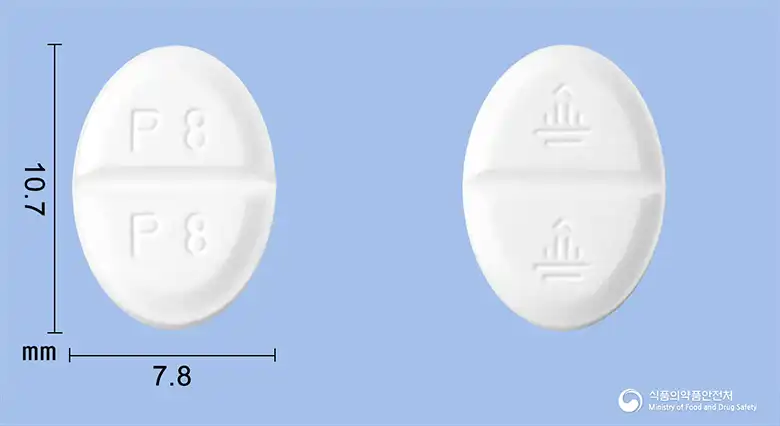
Pramipexole Dihydrochloride Monohydrate 0.5mg
Tablet · Prescription medication
Boehringer Ingelheim Korea Co., Ltd.
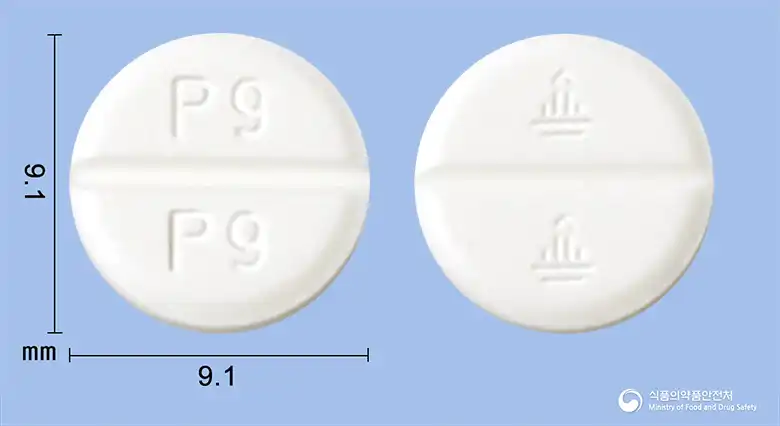
Pramipexole Dihydrochloride Monohydrate 1mg
Tablet · Prescription medication
Boehringer Ingelheim Korea Co., Ltd.
Pramipexole Dihydrochloride Monohydrate 1.5mg
Tablet · Prescription medication
Boehringer Ingelheim Korea Co., Ltd.
Pramipexole Dihydrochloride Monohydrate 0.75mg
Tablet · Prescription medication
Boehringer Ingelheim Co., Ltd.
Pramipexole Dihydrochloride Monohydrate 0.375mg
Tablet · Prescription medication
Boehringer Ingelheim Korea Co., Ltd.
Even with the same ingredient, the dose and directions can differ by strength and dosage form. Talk to a doctor or pharmacist before switching from a medication you are already taking.
No questions yet.
For anything that needs medical judgment, consult a doctor or pharmacist.
This drug information is based on data provided by the Korea Ministry of Food and Drug Safety.
Consult a doctor or pharmacist for accurate dosage, administration, and usage instructions.