
 한국어
 English
 日本語
 中文(简体)
 Viewing now
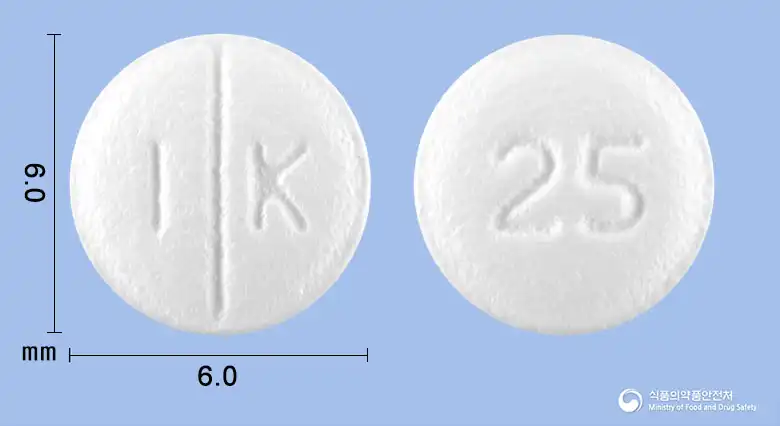
Topiramate 25 mg Tablet
Topiramate 25mg
Tablet · Prescription medication
Ixu Pharmaceutical Co., Ltd.
MFDS item code 202102646 · Approved 2021.03.26
Treatment of epilepsy (including partial seizures); prevention of migraine
This medication is used as monotherapy for the treatment of secondary generalized seizures or partial seizures in children aged 6 and older and adults with epilepsy. Additionally, it is used as adjunctive therapy for patients over 2 years old whose seizures are uncontrolled by existing antiepileptic medications, providing support for the same types of seizures and specific syndromes (Lennox-Gastaut syndrome), as well as for the treatment of primary generalized tonic-clonic seizures. Furthermore, it is also utilized to reduce the frequency of migraine occurrences. Therefore, it is effectively used for epilepsy and migraine prevention.
It is preferable to start this medicine at a low dose and increase it to the effective dose. Monitoring plasma concentrations is not necessary to optimize treatment with this medicine. The recommended dose of this medicine applies to all adults and pediatric patients, including older adults, in the absence of renal disease. This medicine may be taken with or without food. Swallow the tablet whole; do not crush it. Epilepsy monotherapy in adults (17 years and older): Start with 25㎎ in the evening for the first week. Thereafter, increase the dose by 25 or 50㎎ per day at intervals of 1-2 weeks, administering it in 2 divided doses daily. If the patient has difficulty tolerating this titration schedule, extend the titration interval. The dose and rate of titration should be determined according to clinical response. The recommended dose for monotherapy in adults is 100~200mg per day. The maximum recommended dose is 500㎎ per day. Some patients with recurrent epilepsy have tolerated doses of up to 1,000㎎ per day as topiramate monotherapy. Adjunctive therapy for epilepsy in adults (17 years and older): The minimum effective dose is 200mg per day; the usual dose is 200-400mg per day in 2 divided doses. Depending on the patient, the dose may be increased up to the maximum recommended dose of 800mg per day. Start treatment with 25-50mg in the evening for the first week; starting at a lower dose is also possible. Thereafter, increase the dose by 25-50mg at intervals of 1-2 weeks, administered in 2 divided doses daily. If the patient has difficulty tolerating the increased dose, the dose increase may be smaller or the titration interval may be extended. The dose should be determined according to clinical effect. Migraine prophylaxis in adults: Start with 25mg of this medicine in the evening for the first week. Thereafter, increase the dose by 25mg/day at 1-week intervals. If the patient has difficulty tolerating this titration, extend the titration interval. The recommended dose is 100mg per day, administered in 2 divided doses. Some patients may respond to a dose of 50mg per day. Doses of up to 200mg per day may be administered; the dose and rate of titration should be determined according to clinical response. In patients with moderate or severe renal impairment (CLcr < 70 mL/min/1.73 m2), it is recommended that the starting and maintenance doses be reduced to approximately 1/2. Hemodialysis patients: Because this medicine is removed from plasma by hemodialysis, increase the dose of this medicine by approximately 1/2 on the day of dialysis. Increase the dose taking into account the duration of dialysis, dialyzer clearance, and the patient's renal clearance, and administer divided doses at the beginning and end of hemodialysis. Use with caution in patients with hepatic impairment because clearance of this medicine may be reduced.
Epilepsy monotherapy in pediatric patients (6-16 years): Start with 0.5-1㎎/㎏ in the evening for the first week. Thereafter, increase the dose by 0.5-1㎎/㎏ per day at intervals of 1-2 weeks and administer it twice daily. If the patient has difficulty tolerating the increase, use smaller increments or extend the titration interval. The dose and extent of titration should be determined according to clinical response. The recommended dose for monotherapy in pediatric patients is 3-6mg/kg per day. Doses of up to 500㎎ per day have been used in pediatric patients diagnosed with partial-onset seizures. Adjunctive therapy for epilepsy in pediatric patients (2 years-16 years): The recommended dose is approximately 5-9mg/kg per day, administered in 2 divided doses. Administer 25mg (or less, based on 1-3mg/kg per day) in the evening during the first week. Thereafter, increase the dose by 1-3mg/kg per day at intervals of 1-2 weeks, administered in 2 divided doses until an appropriate clinical effect is achieved. Dose titration should be determined according to clinical effect. Doses of up to 30mg/kg per day have been used and were generally well tolerated.
This medication is used for the prevention of seizures and migraines. During the use of this medication, thoughts or behaviors of suicide, and mental health issues such as depression may occur, so it is essential to consult a doctor immediately if symptoms arise. Moreover, there may be a slight increase in the risk of sudden death for patients taking this medication, thus caution is advised. This drug can cause severe skin reactions such as Stevens-Johnson syndrome or toxic epidermal necrolysis, so discontinue use and inform healthcare personnel immediately if any skin abnormalities occur. Patients with a hypersensitivity to this drug or certain genetic lactose metabolism disorders should not take it. Women who are pregnant or planning to become pregnant should ensure to take a pregnancy test before using this medication, and it should be used cautiously during pregnancy as it may pose risks to the fetus, and effective contraceptive methods should be employed. Patients with impaired kidney or liver function may require dose adjustments, and if kidney function is decreased, the drug may be removed during hemodialysis, necessitating dosage adjustment based on dialysis conditions. Adequate hydration is important during the use of this medication and a high fluid intake is necessary due to the risk of kidney stones. Various side effects such as drowsiness, dizziness, reduced concentration, memory disturbance, appetite loss, and weight loss may occur; therefore, caution is needed when driving or operating machinery. Abrupt cessation of medication may lead to worsened seizures, so the dosage must be gradually reduced according to a doctor's instructions. It may interact with other medications, so inform your doctor or pharmacist about any medications currently being taken, especially with anticonvulsants, contraceptives, lithium, blood pressure medications, and diabetes medications. Pregnant or breastfeeding women should consult with a specialist before taking this medication, as there may be risks such as congenital malformations or growth retardation for the fetus. While on the medication, weight changes, mood swings, visual problems, skin changes, decreased sweating, and increased body temperature should be closely monitored. Adhering to these precautions can enhance therapeutic outcomes and reduce the risk of side effects.
Not everyone experiences these, and they can vary from person to person.
This medication should be stored in a tightly sealed container that blocks air and moisture, in a cool and dry place below 25 degrees Celsius.
White round film-coated tablets
30 tablets/bottle, 300 tablets/bottle
Even with the same ingredient, strength, dosage form and how it is taken can differ.
Viewing nowTopiramate 25mg
Tablet · Prescription medication
Ixu Pharmaceutical Co., Ltd.
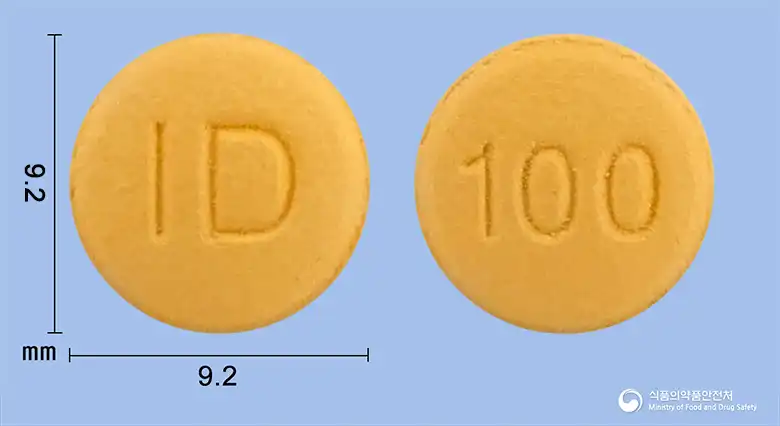
Topiramate 100mg
Tablet · Prescription medication
Ildong Pharmaceutical Co., Ltd.
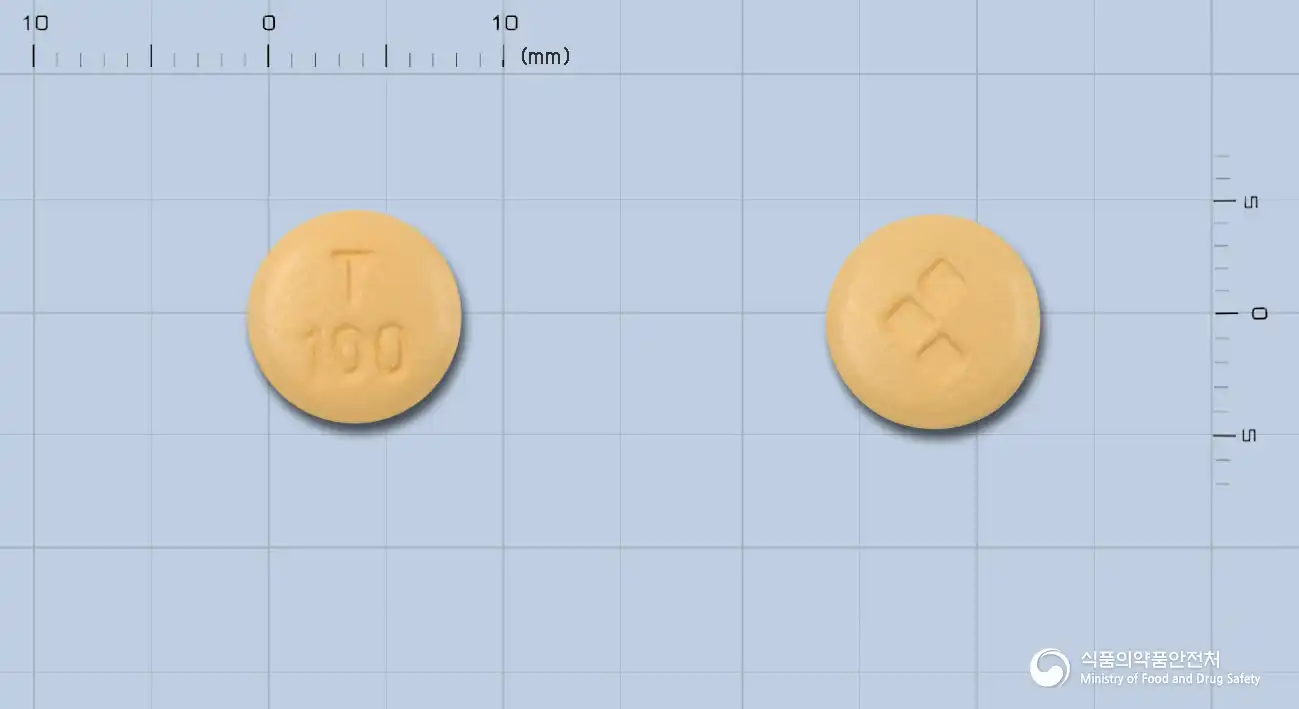
Topiramate 100mg
Tablet · Prescription medication
Myungin Pharmaceutical Co., Ltd.
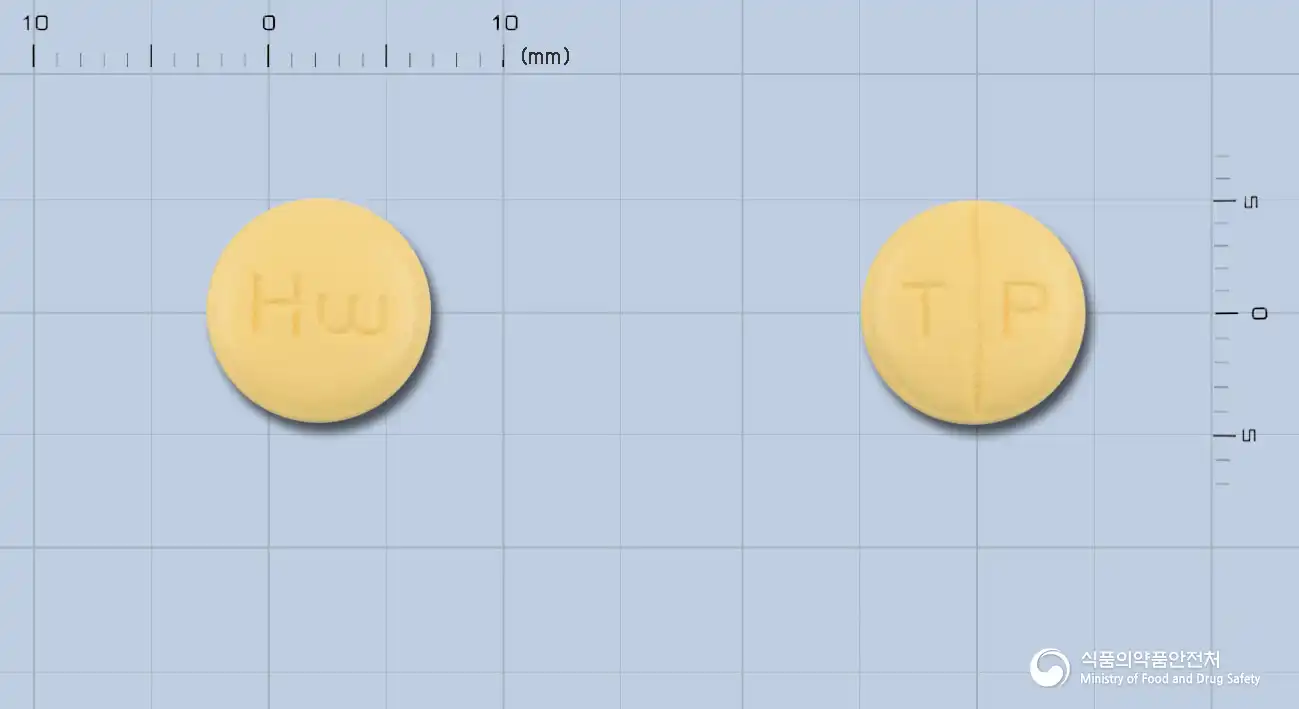
Topiramate 100mg
Tablet · Prescription medication
Albozencore Co., Ltd.
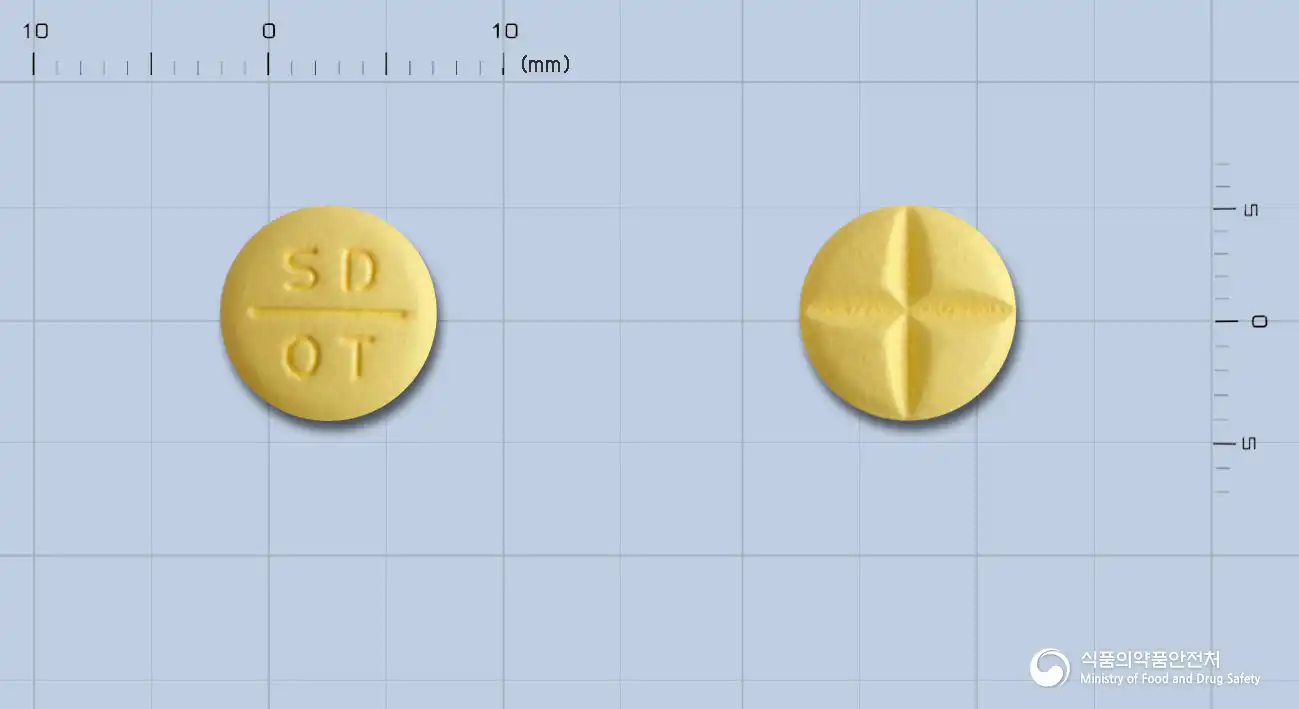
Topiramate 100mg
Tablet · Prescription medication
Pamgen Science Co., Ltd.
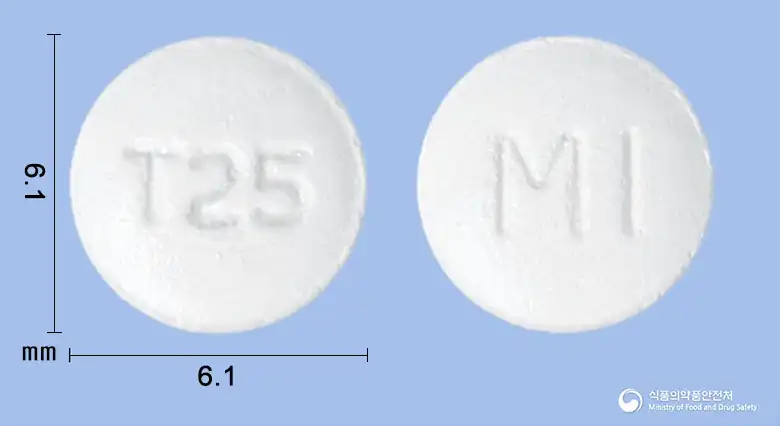
Topiramate 25mg
Tablet · Prescription medication
Myungjin Pharmaceutical Co., Ltd.
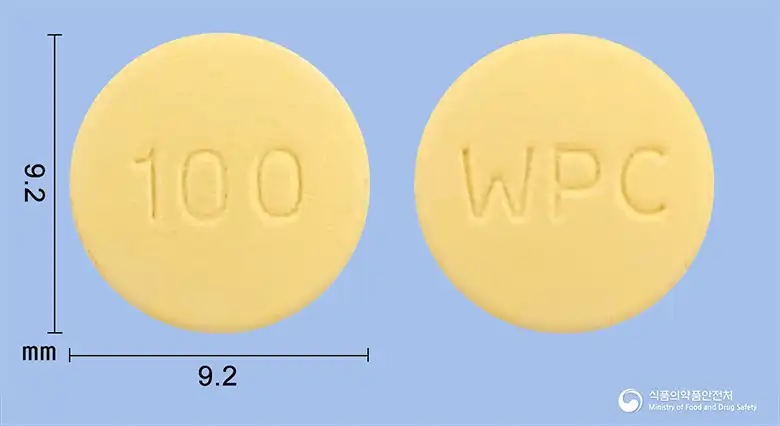
Topiramate 100mg
Tablet · Prescription medication
Hanlin Pharmaceutical Co., Ltd.
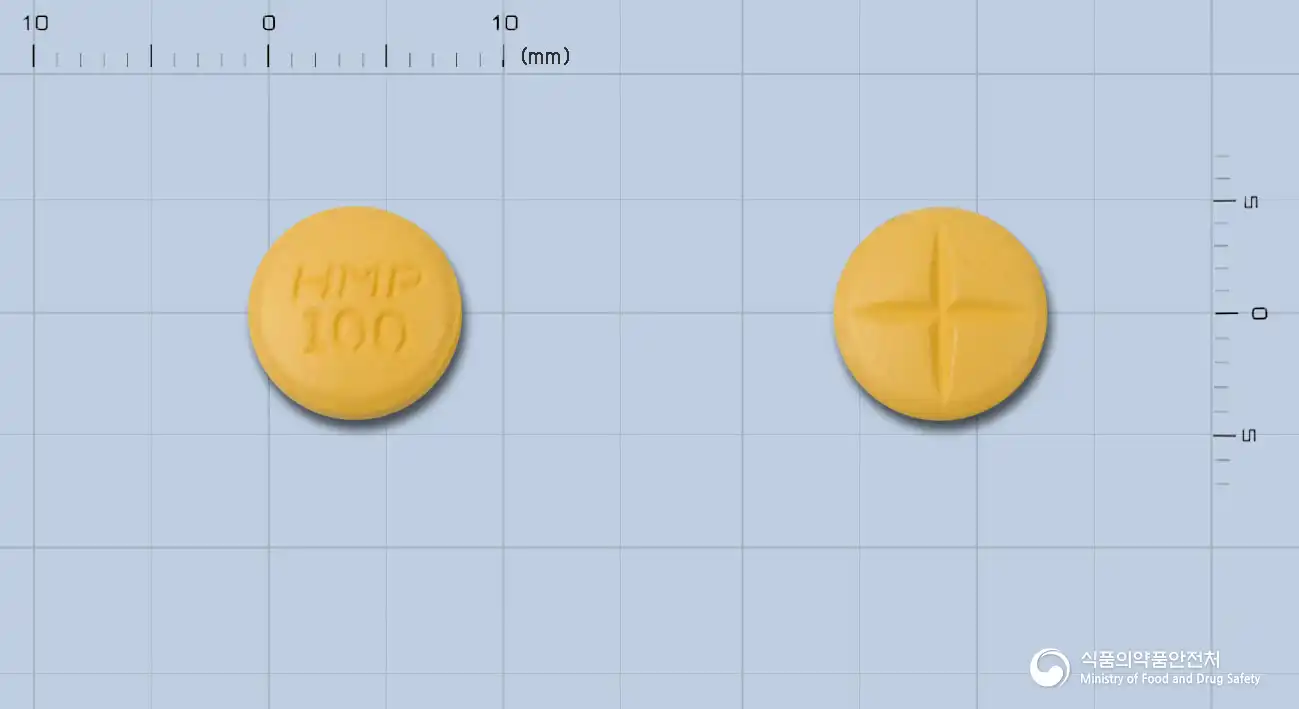
Topiramate 100mg
Tablet · Prescription medication
Hanmi Pharmaceutical Co., Ltd.
Even with the same ingredient, the dose and directions can differ by strength and dosage form. Talk to a doctor or pharmacist before switching from a medication you are already taking.
No questions yet.
For anything that needs medical judgment, consult a doctor or pharmacist.
This drug information is based on data provided by the Korea Ministry of Food and Drug Safety.
Consult a doctor or pharmacist for accurate dosage, administration, and usage instructions.