
 한국어
한국어 English
 日本語
日本語 中文(简体)
Dosage form image
Viewing nowEmpagliflozin 25 mg Tablets
Empagliflozin 25mg
Tablet · Prescription medication
JW Pharmaceutical Corp.
MFDS item code 202102043 · Approved 2021.03.05
Improvement of blood sugar control in type 2 diabetes and prevention of cardiovascular events
This medication is used in conjunction with dietary and exercise regimens to assist in blood sugar control for adults with type 2 diabetes. It may be administered as monotherapy and can be combined with metformin, pioglitazone, sulfonylureas, insulin, or DPP-4 inhibitors if blood sugar control is insufficient. Particular caution should be exercised when used in patients with concomitant cardiovascular disease according to expert guidelines. This medication is effective for improving blood sugar management in individuals with type 2 diabetes.
The recommended dosage of this medication is 10 mg once daily for monotherapy and in addition to other hypoglycemic agents such as insulin. In cases where there is a high tolerance and additional blood sugar control is required, the dosage may be increased to 25 mg once daily. This medication can be administered irrespective of meals, and the tablet should be swallowed whole. If a dose is missed, take it as soon as remembered, but do not take two doses on the same day.
This medication is contraindicated for certain patients. For example, individuals with allergies to the active or inactive ingredients should not take this medication. In addition, it is not to be administered to patients with type 1 diabetes or diabetic ketoacidosis. Patients with severely impaired kidney function, i.e., a glomerular filtration rate (GFR) of less than 30 mL/min/1.73m² or patients with end-stage renal disease or on dialysis should not use this medication. This product contains lactose, therefore, patients with lactose intolerance, galactose intolerance, or genetic lactose deficiency should also refrain from using it. Caution should be exercised when administering this medication to patients with mildly impaired kidney function. Patients with a GFR less than 60 mL/min/1.73m² are recommended not to start treatment with this medication, and if already undergoing treatment, the dosage should be adjusted. If the GFR falls below 45 mL/min/1.73m², discontinuation of this medication is advised. In patients with end-stage renal disease or undergoing dialysis, the efficacy of this medication is not expected, hence should not be used. In patients with heart failure of NYHA class I-II, experience with this medication is limited, so caution is necessary, and its use is not recommended in patients of NYHA class III-IV. Furthermore, when used with insulin or sulfonylureas, the risk of hypoglycemia may increase, and therefore dosage reduction of these medications may be needed. During treatment with this medication, various adverse reactions such as hypoglycemia, urinary tract infection, genital infection, increased urination, decreased fluid volume, and changes in kidney function may occur. In particular, hypoglycemia can occur more frequently when used in conjunction with insulin or sulfonylureas, necessitating caution. Rarely, severe metabolic abnormalities known as ketoacidosis may occur, in which case cessation of this medication is required, along with evaluation and treatment from medical personnel. Ketoacidosis may include symptoms such as nausea, vomiting, abdominal pain, and difficulty in breathing. In elderly patients, particularly those over 75 years old, the risk of fluid loss is heightened, and caution should be taken during its use. Serious urinary tract infections, such as urosepsis or pyelonephritis, have been reported, and immediate treatment is necessary upon the onset of infection symptoms. Pregnant women should avoid using this medication, and breastfeeding women are advised to stop breastfeeding upon commencement of this medication. The safety and efficacy of this medication in individuals under 18 years of age have not been established, thus it should not be used in this population. No specific toxic symptoms have been reported in the event of overdose; however, if overdose is suspected, immediate contact with healthcare professionals is necessary for appropriate treatment. When storing this medication, keep it out of the reach of children and it is advised not to transfer it to another container. Caution is especially necessary when driving or operating machinery, particularly due to the risk of hypoglycemia when used with insulin or sulfonylureas. Regular monitoring of kidney function is essential during treatment with this medication, and careful observation of fluid status and electrolyte balance is important. Additionally, this medication may interact with other pharmaceuticals; therefore, consult with a healthcare professional or pharmacist if other medications are currently being taken.
Urticaria, severe swelling (angioedema), ketoacidosis, rash, angioedema, necrotizing fasciitis, urosepsis and pyelonephritis, acute pyelonephritis, deep vein thrombosis, liver abnormalities (though jaundice symptoms are not specified, liver damage has been reported), severe skin reactions, severe allergic reactions, significant renal and urinary tract disorders, severe swelling or urination abnormalities, severe neurological symptoms (such as cerebral infarction, intracranial aneurysms)
Not everyone experiences these, and they can vary from person to person.
This medication should be stored in a tightly closed container to avoid exposure to air or moisture. It is important to maintain a storage temperature between 1 to 30 degrees Celsius to preserve the drug's potency over time.
Pale yellow, biconvex, oval tablet coated with film
10 tablets/box [(10 tablets/PTP x 1)], 30 tablets/box [(10 tablets/PTP x 3)], 30 tablets/bottle
Even with the same ingredient, strength, dosage form and how it is taken can differ.
Empagliflozin 25mg
Tablet · Prescription medication
JW Pharmaceutical Corp.
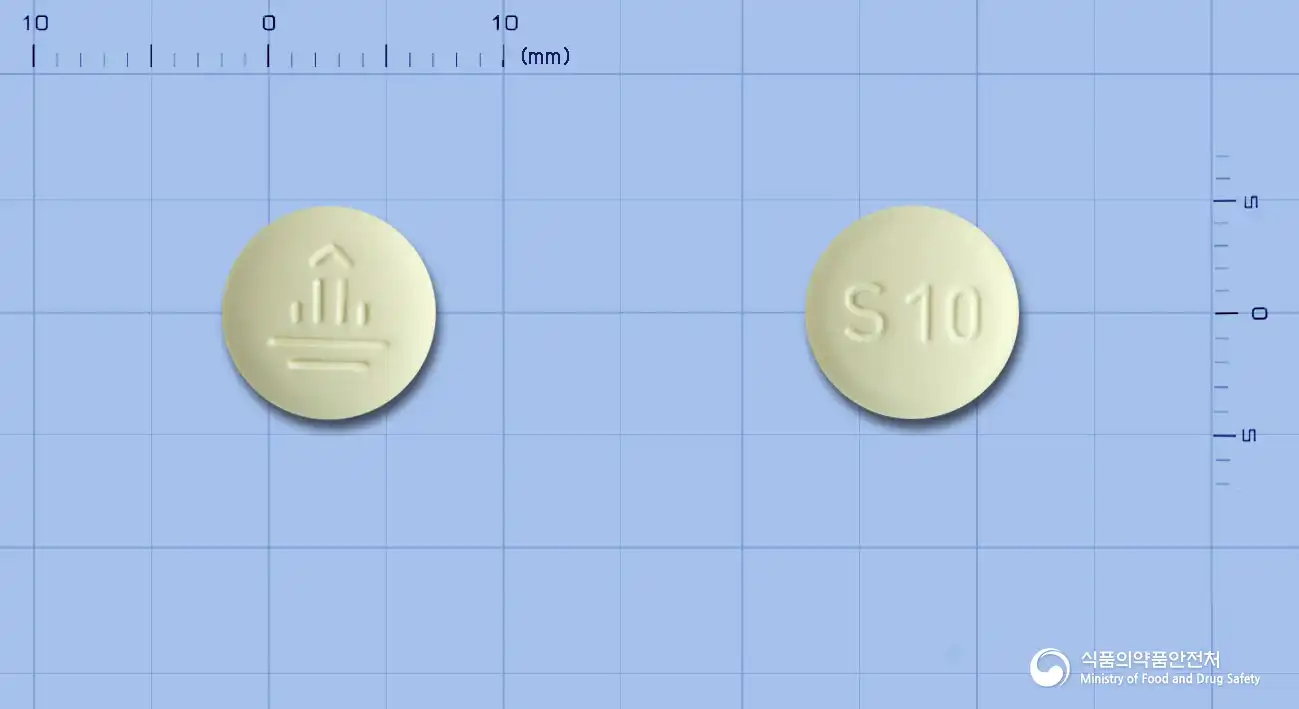
Empagliflozin 10mg
Tablet · Prescription medication
Boehringer Ingelheim Korea Co., Ltd.
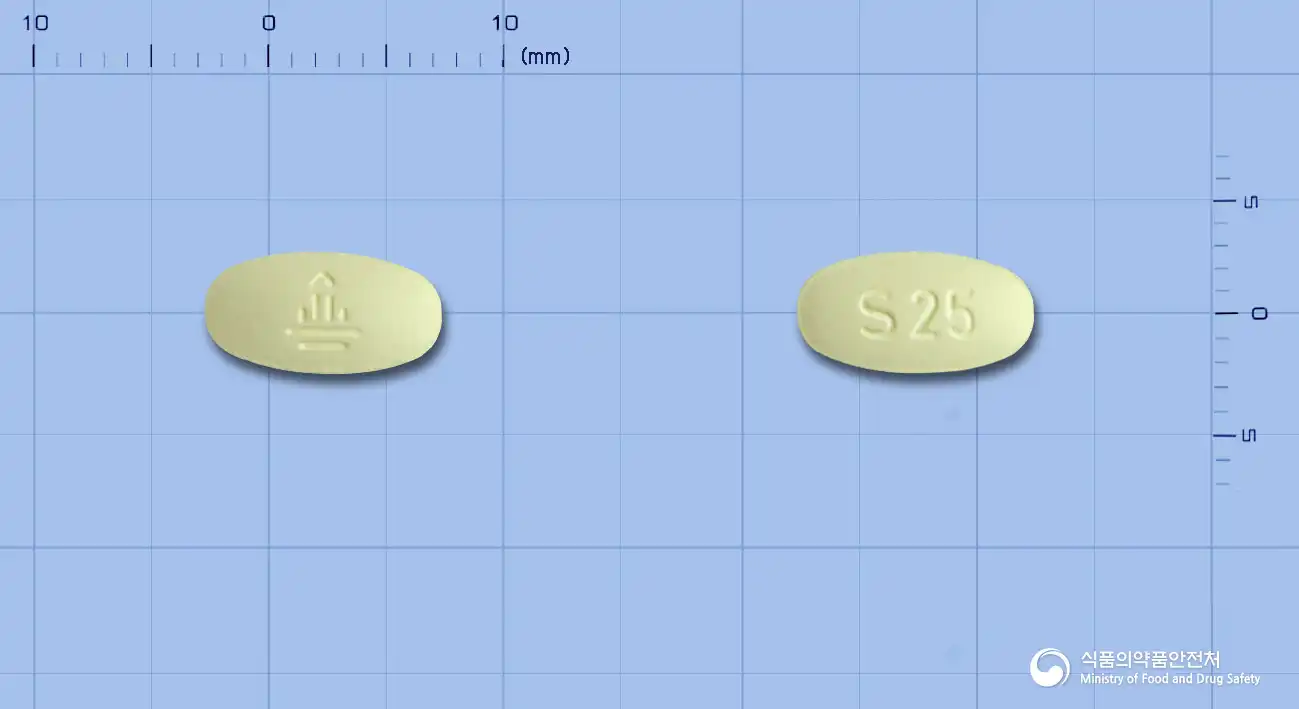
Empagliflozin 25mg
Tablet · Prescription medication
Boehringer Ingelheim Korea Co., Ltd.
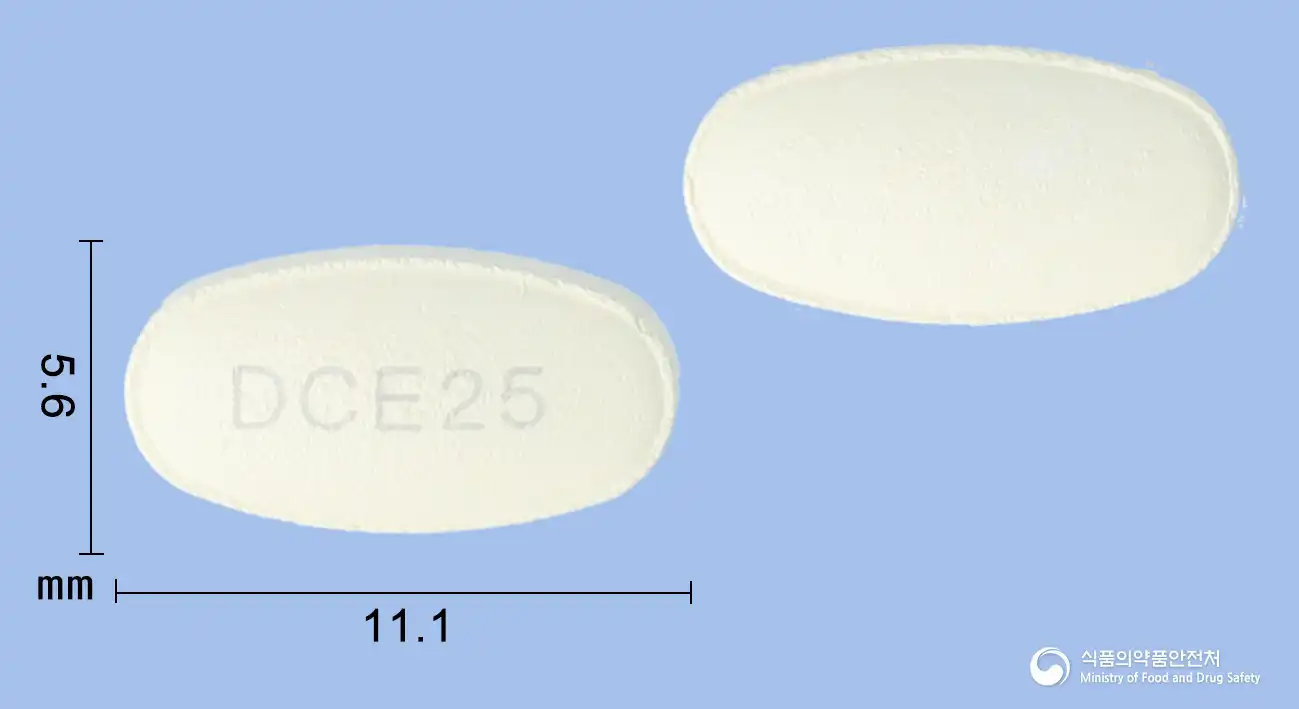
Empagliflozin 25mg
Tablet · Prescription medication
Donggu Bio Pharmaceutical Co., Ltd.
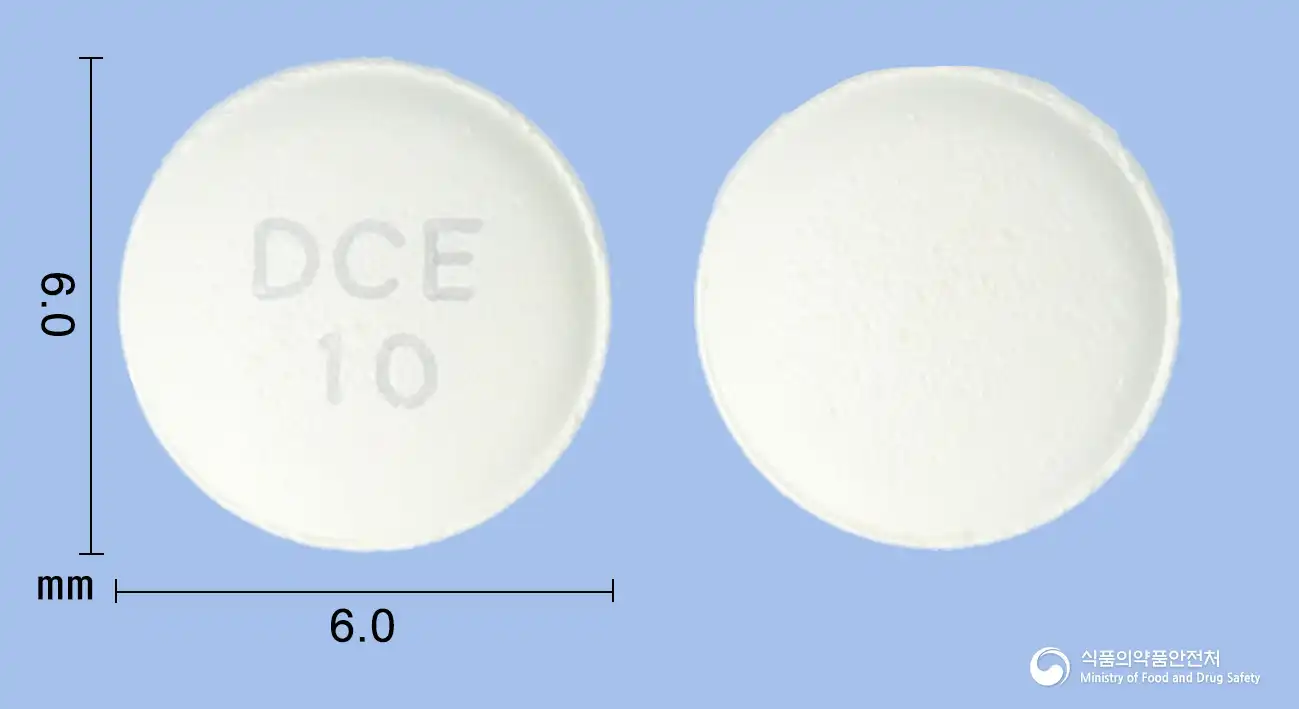
Empagliflozin 10mg
Tablet · Prescription medication
Dong Gu Bio Pharmaceutical Co., Ltd.
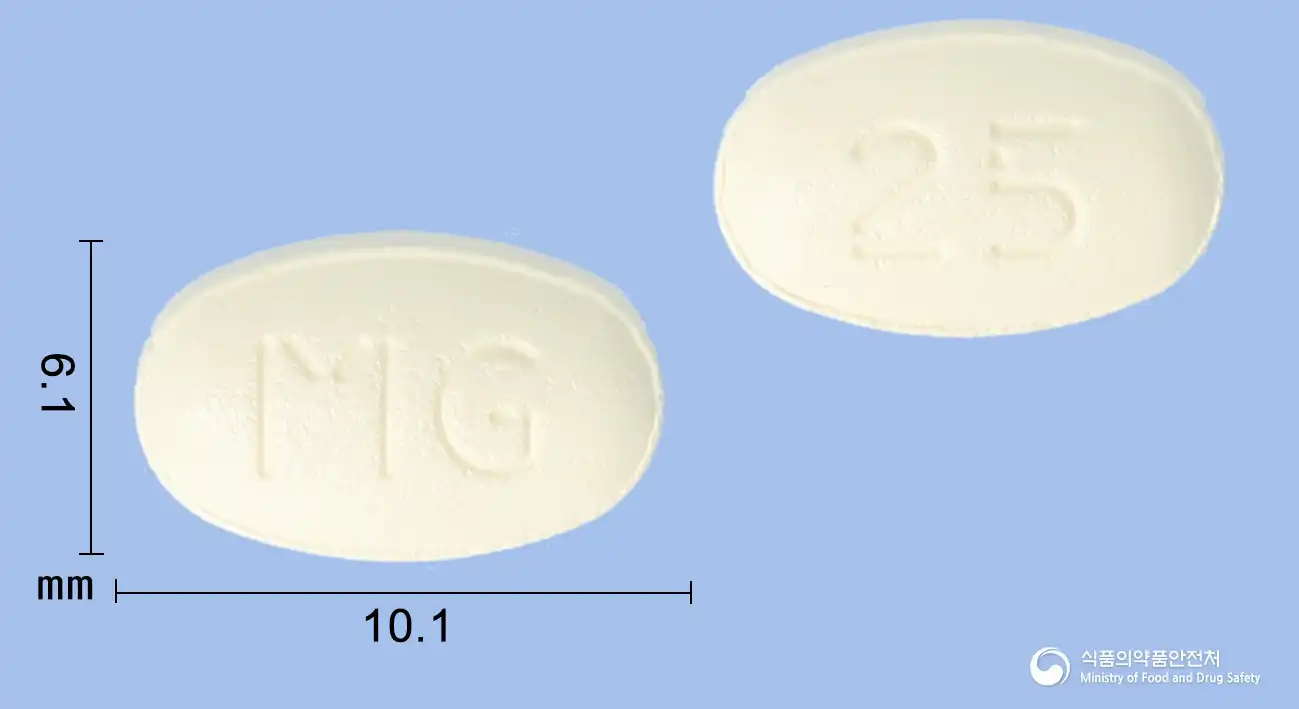
Empagliflozin 25mg
Tablet · Prescription medication
Korea Prime Pharmaceuticals Co., Ltd.
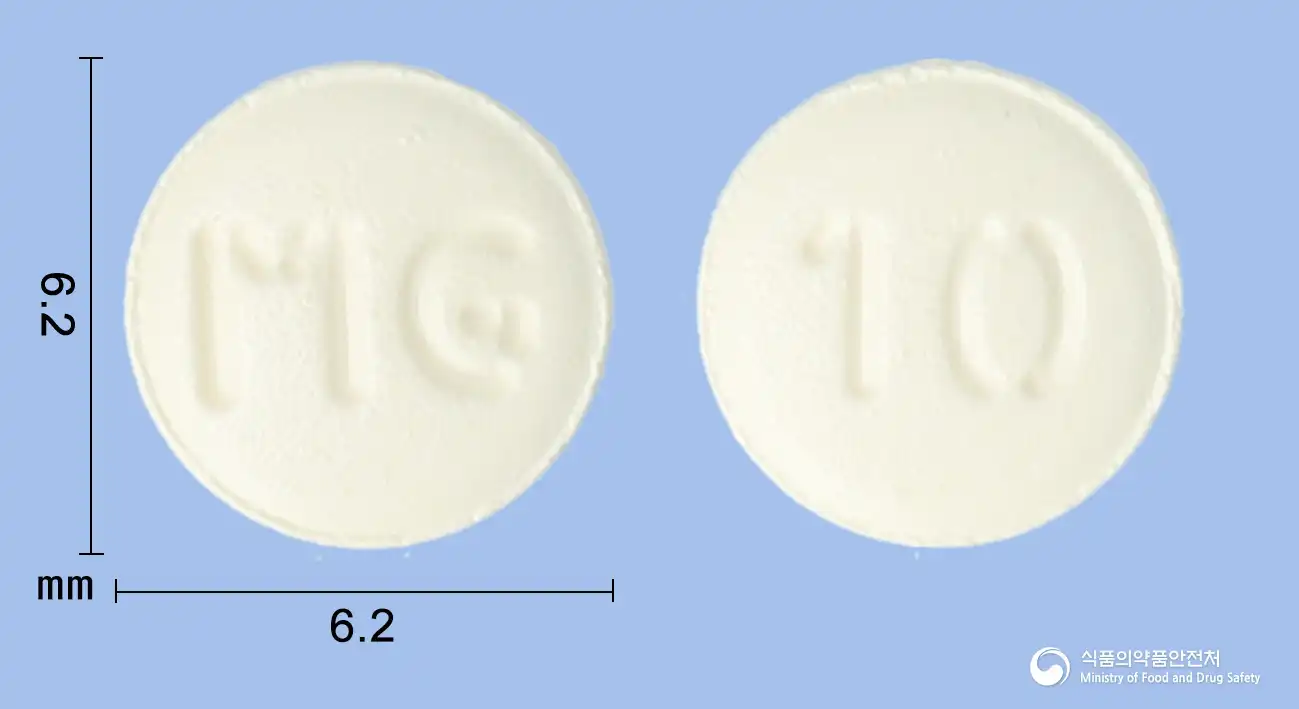
Empagliflozin 10mg
Tablet · Prescription medication
Korea Prime Pharmaceutical Co., Ltd.
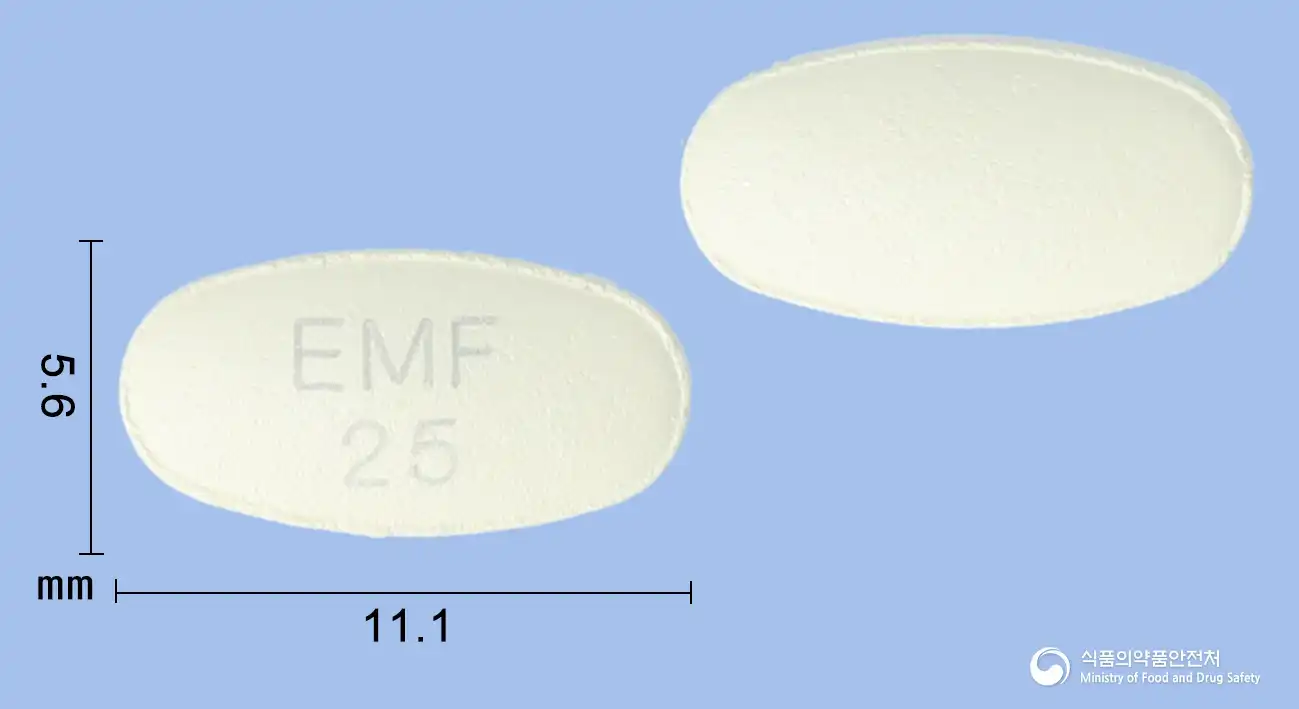
Empagliflozin 25mg
Tablet · Prescription medication
Kips Biopharma Co., Ltd.
Even with the same ingredient, the dose and directions can differ by strength and dosage form. Talk to a doctor or pharmacist before switching from a medication you are already taking.
No questions yet.
For anything that needs medical judgment, consult a doctor or pharmacist.
This drug information is based on data provided by the Korea Ministry of Food and Drug Safety.
Consult a doctor or pharmacist for accurate dosage, administration, and usage instructions.