
 한국어
 English
 日本語
 中文(简体)
Dosage form image
Viewing nowKujuh Morphine Sulfate Injection 15 mg/mL (Morphine Sulfate Hydrate)
Morphine Sulfate Hydrate 15mg
Solution · Prescription medication
Kujuh Pharm Co., Ltd.
MFDS item code 202009293 · Approved 2020.12.29
This product's status changed to Expired on 2025.12.29. It may no longer be sold, so consult a doctor or pharmacist before taking it.
Relief of pain (labor, myocardial infarction, etc.), preoperative sedation, relief of symptoms associated with acute pulmonary edema
This medication is used to alleviate severe acute or chronic pain, for example, pain due to terminal illnesses. Additionally, it is used as an adjunct to anesthesia for preoperative sedation and helps relieve pain during childbirth. In patients with acute pulmonary edema, it shows cardiovascular effects that contribute to anxiety relief but should not be used for treating pulmonary edema caused by chemical respiratory irritants. It is also effective in relieving pain caused by myocardial infarction. Overall, it aids in pain control and anxiety relief to improve patient conditions.
This medicine should be administered by subcutaneous injection, intramuscular injection, or slow intravenous injection; do not administer epidurally or intrathecally. When administering this medicine intravenously, resuscitation equipment and an opioid antagonist (such as naloxone) should be immediately available. For patients with severe chronic pain, adjust the dose according to the severity of pain, response, and tolerance. The dose may be increased in patients with very severe chronic pain or in patients who have developed tolerance to the analgesic effects of opioids. This medicine is primarily used for subcutaneous injection, but may also be administered by intramuscular injection or slow intravenous injection. Repeated subcutaneous injections may cause local inflammation, pain, and induration; therefore, intramuscular injection is preferred over subcutaneous injection for repeated administration. 1. Adults 1) Dose for subcutaneous or intramuscular injection: In general, administer 10 mg of morphine sulfate hydrate every 4 hours as needed. A single dose may be in the range of 5∼20 mg, depending on the patient's response and needs. 2) Dose for intravenous injection: In general, administer 4∼10 mg of this medicine slowly over 4∼5 minutes and repeat every 4 hours as needed. 2.5∼15 mg of this medicine may be diluted in 4∼5 mL of sterile water for injection. 3. Pain relief during labor: In general, administer 10 mg of this medicine by subcutaneous or intramuscular injection. 4. Pain relief due to myocardial infarction: Inject 8∼15 mg of this medicine. If the pain is very severe, smaller additional doses may be administered every 3∼4 hours.
Children: Administer 0.1∼0.2 mg/kg of this medicine by subcutaneous injection as needed; do not exceed 15 mg per dose. Children: Administer at a reduced dose. Do not administer to premature infants. Safety and efficacy in neonates have not been established.
This drug is an opioid analgesic that acts on the central nervous system; using it with other central nervous system depressants or alcohol can result in severe respiratory depression, deep sedation, coma, or even death, hence caution is necessary. This medication should not be used in patients with allergies to it, as well as those with seizure disorders, severe respiratory diseases, heart failure, asthma attacks, arrhythmias, brain tumors, or acute alcohol intoxication. Careful administration is required in patients with varying conditions such as hypotension, respiratory depression, asthma, a history of drug dependence, heart abnormalities, acute abdominal diseases, and impaired liver or kidney function, especially in children and elderly patients. This medication may cause physical dependence or tolerance with long-term use; therefore, abrupt discontinuation may induce withdrawal symptoms, necessitating gradual dose reduction while closely monitoring the patient's status. During administration, drowsiness or dizziness may occur, hence it is advisable to avoid driving or operating dangerous machinery. Complications such as acute chest syndrome can arise, so closely observe for related symptoms, and monitor for adrenal insufficiency or hormonal changes. This medication can interact with several other drugs; if other medications are being taken, consulting with a physician is mandatory, particularly regarding combinations with benzodiazepines, central nervous system depressants, MAO inhibitors, or neuromuscular blockers which may be risky. In cases of pregnancy or breastfeeding, it should be avoided or administered with extreme caution due to effects on the fetus and newborn; closely monitor the respiratory status of the newborn. This medication can cause respiratory depression in newborns and premature infants; therefore, caution is especially warranted when administering it to children. In cases of overdose, severe respiratory depression, decreased consciousness, hypotension, heart issues, etc., may occur, hence immediate emergency intervention is required and opioid antagonists may be administered if necessary. Before use, check for discoloration or sediment in the injection solution, and do not use if abnormalities are noted; wash off the drug immediately if it comes into contact with the skin. This medication must be strictly managed and should be stored in a closed container that protects from light at room temperature between 1 to 30 degrees Celsius to maintain its effectiveness.
Not everyone experiences these, and they can vary from person to person.
This medication should be stored in a closed container that can block light, and it is best kept at room temperature, between 1 and 30 degrees Celsius. Proper storage will help maintain the medication's effectiveness over time.
Colorless and transparent solution in a brown transparent ampoule
1 mL - 10 ampoules/box, 1 mL - 25 ampoules/box, 2 mL - 10 ampoules/box, 2 mL - 25 ampoules/box
Even with the same ingredient, strength, dosage form and how it is taken can differ.
Morphine Sulfate Hydrate 15mg
Solution · Prescription medication
Kujuh Pharm Co., Ltd.
Morphine Sulfate Hydrate 1mg
Injections · Prescription medication
Myungmoon Pharmaceutical Co., Ltd.
Morphine Sulfate Hydrate
Prescription medication
Hana Pharmaceutical Co., Ltd.
Morphine Sulfate Hydrate 1mg
Injections · Prescription medication
Hana Pharmaceutical Co., Ltd.

Morphine Sulfate Hydrate 10mg
Tablet · Prescription medication
Hana Pharmaceutical Co., Ltd.
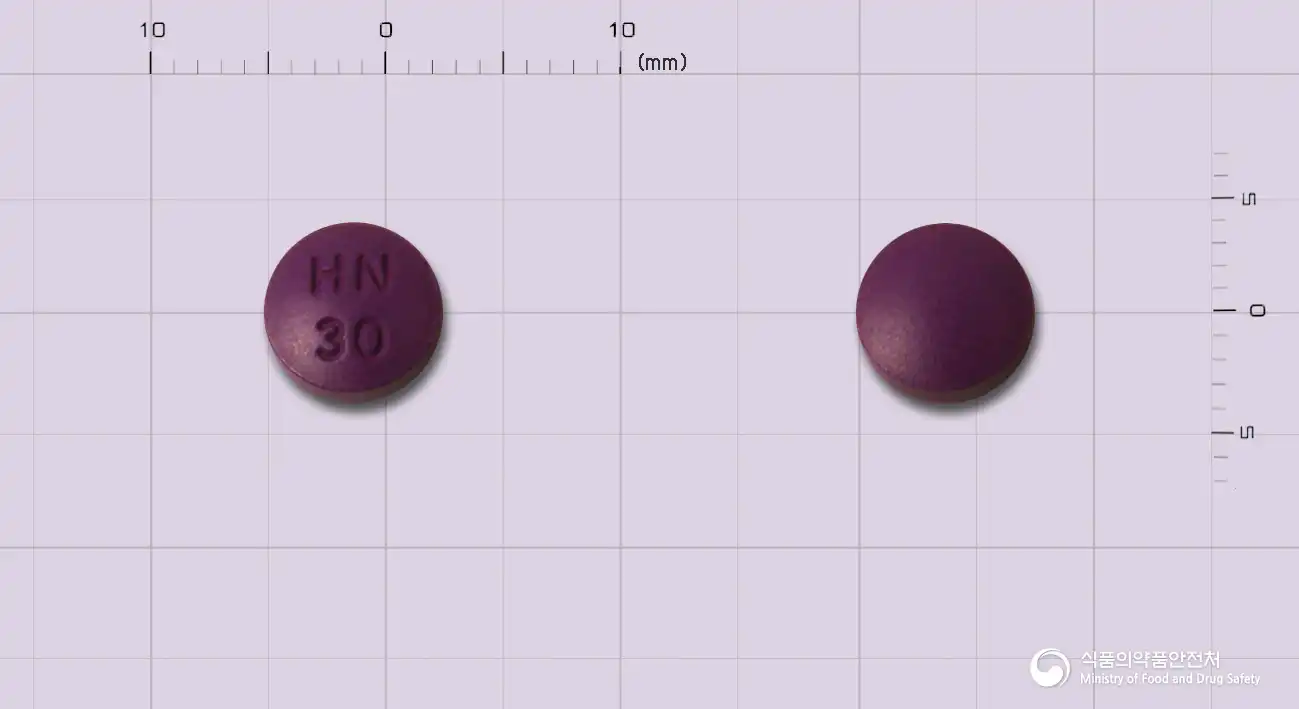
Morphine Sulfate Hydrate 30mg
Tablet · Prescription medication
Hana Pharmaceutical Co., Ltd.
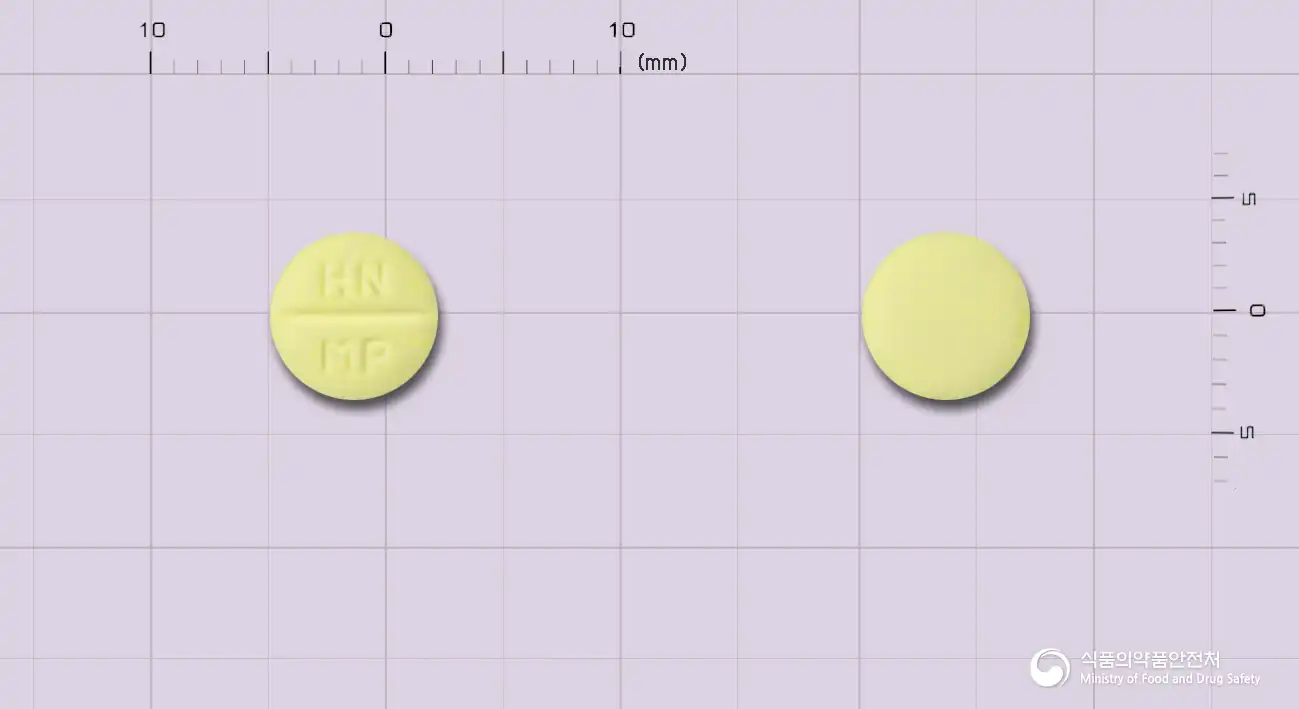
Morphine Sulfate Hydrate 15mg
Tablet · Prescription medication
Hana Pharmaceutical Co., Ltd.
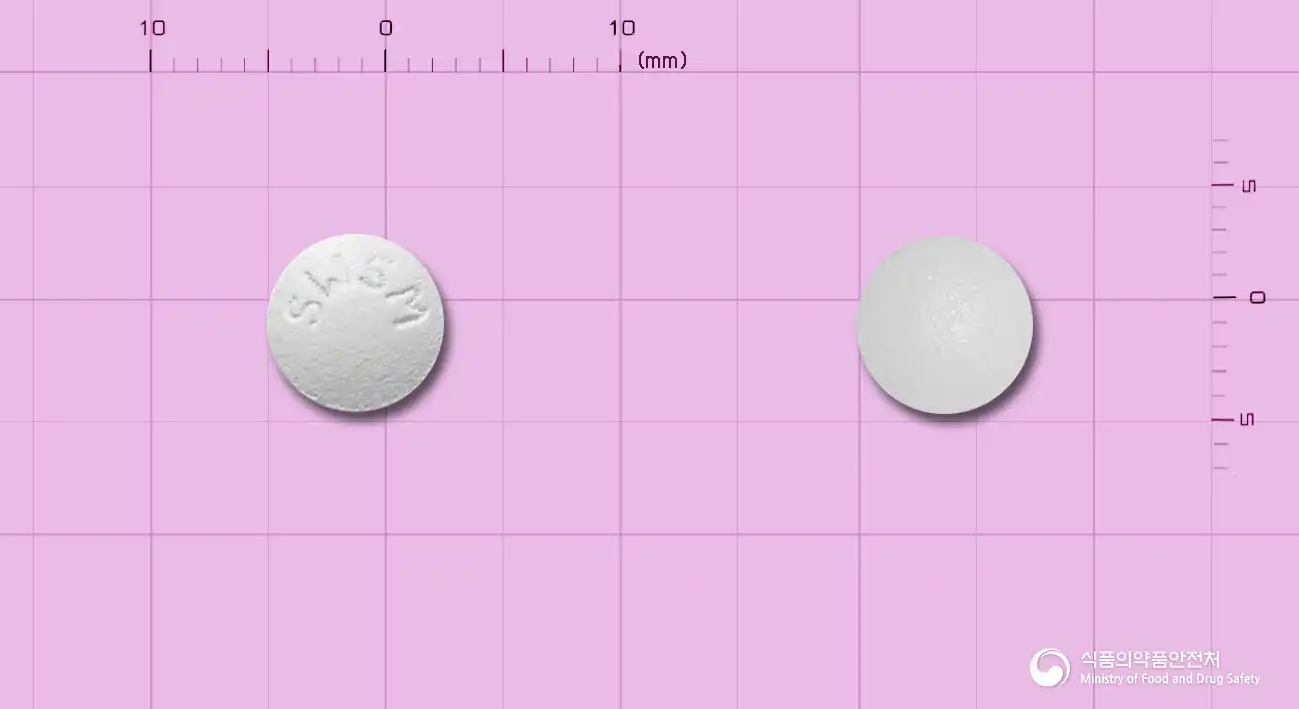
Morphine Sulfate Hydrate 15mg
Tablet · Prescription medication
Sungwon Adcock Pharmaceutical Co., Ltd.
Even with the same ingredient, the dose and directions can differ by strength and dosage form. Talk to a doctor or pharmacist before switching from a medication you are already taking.
No questions yet.
For anything that needs medical judgment, consult a doctor or pharmacist.
This drug information is based on data provided by the Korea Ministry of Food and Drug Safety.
Consult a doctor or pharmacist for accurate dosage, administration, and usage instructions.