
 한국어
 English
 日本語
 中文(简体)
 Viewing now
Mirzentak ODF 30mg (Mirtazapine)
Mirtazapine 30mg
Orally disintegrating Tablet · Prescription medication
Hwanin Pharmaceutical Co., Ltd.
MFDS item code 202009229 · Approved 2020.12.24 · Insurance code 657203740
Treatment of major depressive disorder
This medication is used for major depression.
The therapeutic dose of this medicine should be adjusted according to the patient's clinical condition, and the lowest effective dose possible should be administered. The initial dose of mirtazapine is 15 mg per day, and the dose may need to be increased until an appropriate clinical effect is achieved. The usual effective daily dose is 15~45 mg of this medicine. Clearance of this medicine may be reduced in patients with moderate to severe renal impairment (creatinine clearance <40 mL/min); use caution when prescribing. Clearance of this medicine may be reduced in patients with hepatic impairment; use caution when prescribing. In particular, caution is advised when prescribing to patients with severe hepatic impairment, as this has not been studied. The recommended dose is the same as for adults. When increasing the dose, careful monitoring is required to achieve a satisfactory and safe effect. The half-life of this medicine is 20∼40 hours, so once-daily dosing is sufficient. If possible, take it at a consistent time in the evening before bedtime. The daily dose may also be divided into equal doses taken once in the morning and once in the evening. Do not change the dose at intervals of less than 1~2 weeks to allow sufficient time to assess the therapeutic response to the dose. With an appropriate dose, a therapeutic effect is achieved within 2~4 weeks. If the effect is insufficient, the dose may be increased up to the maximum dose. If there is no effect after continuing treatment for a further 2~4 weeks, discontinue treatment. Treatment should continue for at least 4∼6 months until the patient's symptoms have completely resolved. Thereafter, gradual discontinuation is recommended to avoid withdrawal symptoms. Remove this medicine and place it on the tongue. It dissolves rapidly on the tongue and can be swallowed without water. To prevent this medicine from breaking, do not press the tablets through the packaging (Figure 1). Each pack contains 10 tablets, separated by perforations. As shown in Figures 2 and 3, bend the pack along the perforation to separate and remove one tablet. As shown in Figures 4 and 5, hold the marked area on the back and carefully peel off the backing in the direction of the arrow. Remove the tablet with dry hands and place it on the tongue.
Children and adolescents under 18 years: Do not use this medicine.
This drug may increase the risk of suicidal thoughts and behavior in children, adolescents, and young adults with major depression or psychiatric disorders, so careful judgment and close observation are necessary when administering to this age group. During the use of this drug, bone marrow suppression such as leukopenia or agranulocytosis may rarely occur, so if the patient develops fever or symptoms of infection such as a sore throat, immediate consultation with a physician is required. Patients with impaired liver or kidney function may have elevated levels of this drug, so dosage adjustment and caution are necessary for these patients. This drug may cause drowsiness and dizziness, so caution is advised when performing tasks that require concentration, such as driving or operating machinery, especially during the initial stages of treatment. Increased appetite and weight gain may commonly occur, so periodic checks of weight changes are advisable. This drug may cause serious side effects known as serotonin syndrome when used in conjunction with other serotonergic drugs, so it should only be taken with other medications after consultation with a physician. Pregnant or breastfeeding women must consult with a physician before taking this drug as it may affect the newborn, particularly in late pregnancy. The safety and efficacy of this drug have not been established in children and adolescents under 18 years old, so it is generally not administered to them. In case of overdose, symptoms such as drowsiness, loss of directional sense, and heart arrhythmia may occur, so strict adherence to the dosage is necessary to avoid overdose. Consumption of alcohol during this medication may enhance its central nervous system depressant effects and should be avoided. Additionally, this drug may be contraindicated for patients with certain hereditary diseases due to the presence of artificial sweetener components, so patients with such conditions must inform their healthcare provider.
Drowsiness, nausea, increased appetite, weight gain, dizziness, lethargy, flu-like syndrome, back pain, dry mouth, constipation, peripheral edema, edema, myalgia, abnormal dreams, psychotic events, tremor, confusion, dyspnea, frequent urination, fatigue, abdominal pain, acute abdominal syndrome, chills, fever, facial edema, ulcers, photosensitivity reactions, neck stiffness, neck pain, abdominal distension, soft tissue inflammation, chest pain under the sternum, hypertension, vasodilation, angina, myocardial infarction, bradycardia, ventricular premature contractions, syncope, migraine, hypotension, atrial arrhythmia, ectopic heartbeat, vascular headache, pulmonary embolism, cerebral ischemia, cardiac hypertrophy, phlebitis, left heart failure, vomiting, decreased appetite, belching, glossitis, cholecystitis, gum bleeding, stomatitis, colitis, abnormal liver function tests, tongue discolouration, ulcerative stomatitis, salivary gland enlargement, excessive saliva secretion, bowel obstruction, pancreatitis, aphthous stomatitis, liver cirrhosis, gastritis, gastroenteritis, oral candidiasis, tongue swelling, goiter, hypothyroidism, lymphadenopathy, leukopenia, petechiae, anemia, thrombocytopenia, lymphocytosis, pancytopenia, thirst, dehydration, weight loss, gout, elevated AST, abnormal healing, increased alkaline phosphatase, elevated ALT, diabetes mellitus, hyponatremia, myasthenia gravis, arthralgia, arthritis, tendinitis, pathological fractures, osteoporotic fractures, bone pain, myositis, tendon rupture, arthritis, bursitis, sensory loss, apathy, depression, decreased motor function, dizziness, single contraction, anxiety, restlessness, amnesia, hyperactivity, sensory abnormalities, ataxia, delirium, delusions, loss of self-identity, movement disorders, extrapyramidal syndrome, increased libido, coordination abnormalities, stuttering, hallucinations, manic reactions, neurosis, muscle tone abnormalities, hostility, increased reflexes, emotional instability, sense of relief, paranoid reactions, aphasia, nystagmus, akathisia, confusion, dementia, diplopia, drug dependence, paralysis, generalized tonic-clonic seizure, decreased muscle tone, hepatic myoclonus, psychotic depression, withdrawal syndrome, serotonin syndrome, increased coughing, sinusitis, epistaxis, bronchitis, asthma, pneumonia, asphyxia, laryngitis, pneumothorax, hiccups, itching, rash, acne, exfoliative dermatitis, dry skin, herpes simplex, hair loss, urticaria, herpes zoster, skin hypertrophy, seborrhea, skin ulcer, eye pain, abnormal eye accommodation, conjunctivitis, hearing loss, keratoconjunctivitis, overflow incontinence, glaucoma, auditory hyperreactivity, ear pain, eye inflammation, temporary hearing loss in one ear, otitis media, loss of taste, abnormal sense of smell, urinary tract infection, kidney stones, cystitis, dysuria, urinary incontinence, urinary retention, vaginitis, hematuria, breast pain, amenorrhea, dysmenorrhea, white vaginal discharge, erectile dysfunction, polyuria, urethritis, uterine bleeding, menorrhagia, abnormal ejaculation, breast engorgement, breast enlargement, urgency, over-sedation, forgetfulness, facial tremors, fatigue, tinnitus, skin mucosal syndrome, vesicular dermatitis, erythema multiforme, toxic epidermal necrolysis, elevated creatine kinase in blood, rhabdomyolysis, oral sensory decrease, lip swelling, bone marrow suppression, eosinophilia, restless legs syndrome, oral sensory abnormalities, aggressiveness, hyperprolactinemia, sleepwalking, disorientation, memory impairment, tachycardia, coma, seizure, insomnia, agitation, headache, nausea, anxiety, panic disorder, restlessness, hostility, impulsivity, akathisia, hypomania, mania, manic/hypomanic, onset of mania or hypomania, seizure, hyponatremia, serotonin syndrome, suicidal tendency, suicidal impulses, suicidal behavior, hostility, aggression, anger, insomnia, anxiety, panic disorder, agitation, impulsivity, akathisia, mania, suicidal symptoms, worsened depression, prodromal symptoms of suicidal tendencies, manic or bipolar episode, withdrawal symptoms, impaired cognitive and motor functions, impaired judgment and thought processes, damage to motor skills, orthostatic hypotension, QT prolongation, torsades de pointes arrhythmia
Not everyone experiences these, and they can vary from person to person.
This drug should be stored in a tightly sealed container to prevent air and moisture exposure, ideally in a cool place below 30 degrees. This will help maintain the efficacy of the medication for a long time.
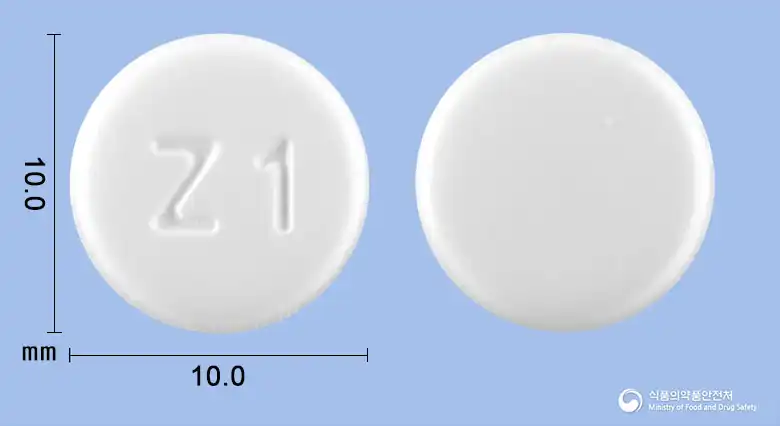
White round orally disintegrating tablet
30 tablets (10 tablets/PTP x 3)
Even with the same ingredient, strength, dosage form and how it is taken can differ.
Viewing nowMirtazapine 30mg
Orally disintegrating Tablet · Prescription medication
Hwanin Pharmaceutical Co., Ltd.
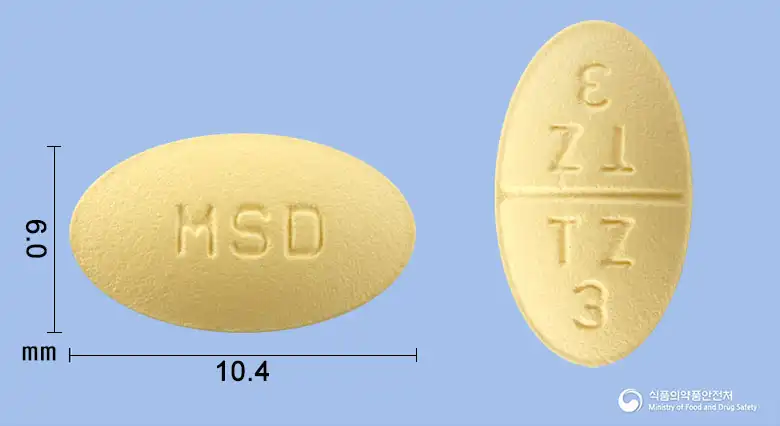
Mirtazapine 15mg
Tablet · Prescription medication
Korea Organon Co., Ltd.
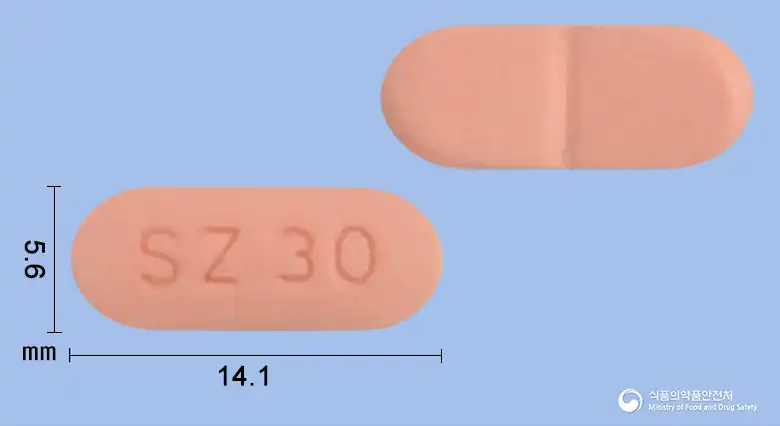
Mirtazapine 30mg
Tablet · Prescription medication
Samil Pharmaceutical Co., Ltd.
Mirtazapine
Prescription medication
Korea Novartis Co., Ltd.
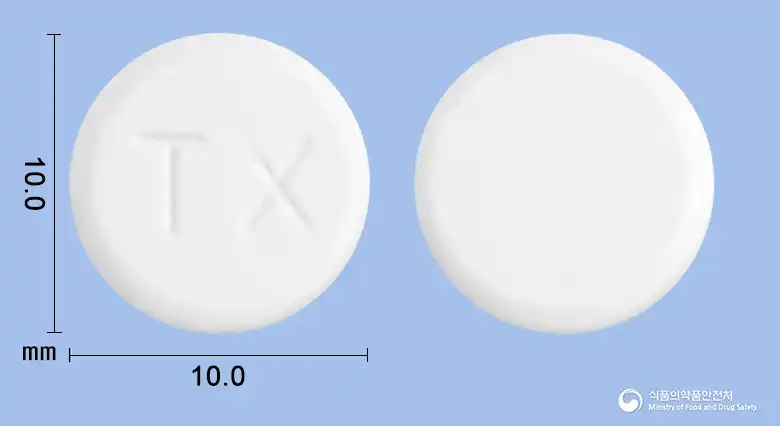
Mirtazapine 30mg
Orally disintegrating Tablet · Prescription medication
Samil Pharmaceutical Co., Ltd.
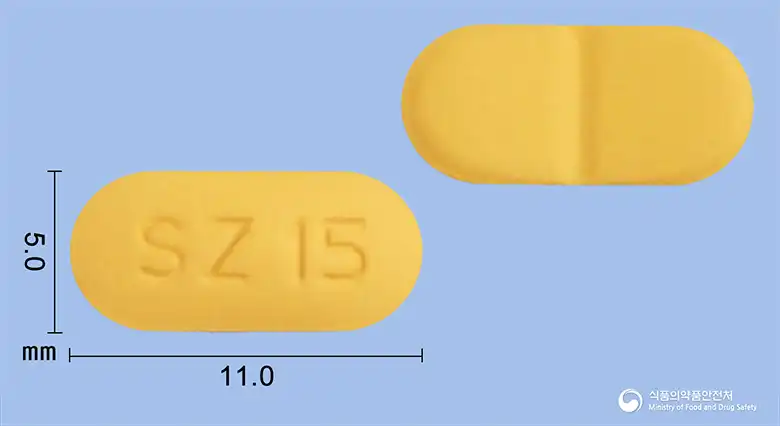
Mirtazapine 15mg
Tablet · Prescription medication
SamIl Pharmaceutical Co., Ltd.
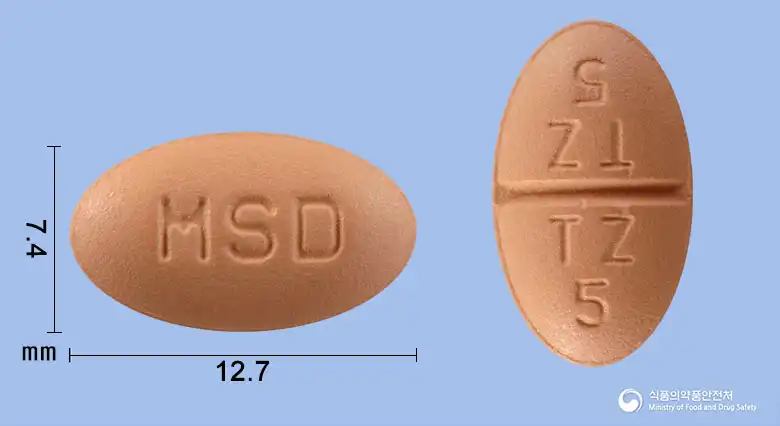
Mirtazapine 30mg
Tablet · Prescription medication
Korea Organon Co., Ltd.
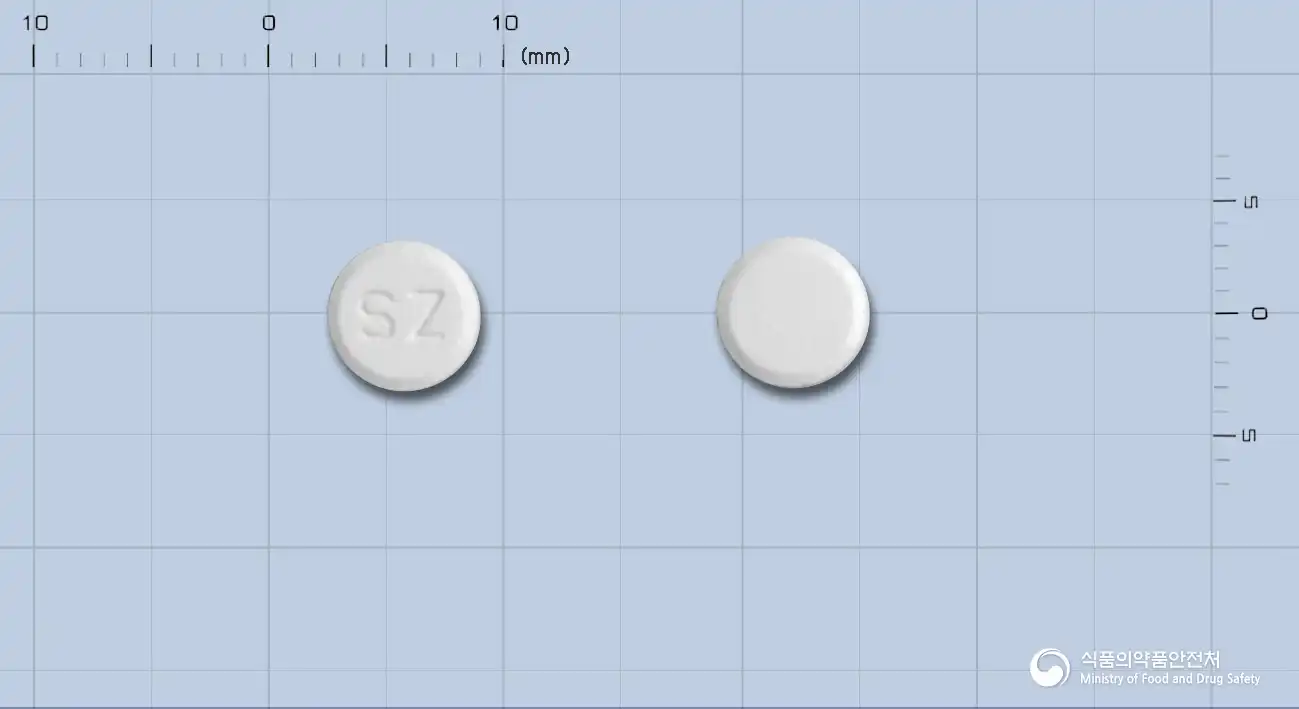
Mirtazapine 15mg
Orally disintegrating Tablet · Prescription medication
Samil Pharmaceutical Co., Ltd.
Even with the same ingredient, the dose and directions can differ by strength and dosage form. Talk to a doctor or pharmacist before switching from a medication you are already taking.
No questions yet.
For anything that needs medical judgment, consult a doctor or pharmacist.
This drug information is based on data provided by the Korea Ministry of Food and Drug Safety.
Consult a doctor or pharmacist for accurate dosage, administration, and usage instructions.