
 한국어
 English
 日本語
 中文(简体)
 Viewing now
Leflunomide 10 mg Tablet
Leflunomide 10mg
Tablet · Prescription medication
Sam-il Pharmaceutical Co., Ltd.
MFDS item code 202009077 · Approved 2020.12.22 · Insurance code 643903820
Treatment of rheumatoid arthritis in adults and relief of symptoms of active psoriatic arthritis
This medication is used for the treatment of rheumatoid arthritis in adults, helping to alleviate the signs and symptoms of arthritis, inhibit joint damage, and improve physical function. It is also used to relieve the symptoms and signs of active psoriatic arthritis. It can be administered in combination with some other anti-inflammatory medications, but research on the combination with certain drugs is still insufficient. Overall, this medication is effective for the treatment of rheumatoid arthritis and psoriatic arthritis.
1. Loading dose Given the long half-life of this medicine and the recommended 24-hour dosing interval, treatment is generally initiated with a loading dose to achieve steady-state plasma concentrations more rapidly. Administer 100mg once daily for 3 days as the loading dose. In patients with rheumatoid arthritis, omitting the loading dose may reduce the risk of adverse reactions (see section 5. General Precautions, item 9)). 2. Maintenance dose For patients with rheumatoid arthritis, administer 20mg daily as the maintenance dose. Some patients experienced adverse reactions such as hair loss, weight loss, and increased liver enzyme levels when treated with 25mg daily. Therefore, the maintenance dose should not exceed 20mg daily; in patients with poor clinical tolerability, the maintenance dose may be reduced to 10mg daily. For patients with psoriatic arthritis, administer 20mg daily as the maintenance dose. Monitor liver enzyme levels; dose adjustment may be necessary. (See Warning - Hepatotoxicity.) Because the half-life of the active metabolite of this medicine is prolonged, it may take several weeks for metabolite levels to decrease. Therefore, carefully monitor patients after reducing the dose.
This medication remains in the body for a prolonged period, so side effects may persist even after discontinuation of the drug. Therefore, immediate removal of the drug is necessary in case of severe adverse reactions. It may impose a burden on the liver, so patients with impaired liver function should exercise particular caution; it should not be used in patients with a history of liver damage. Regular liver function tests are required before and during the first 6 months of treatment, and dosage adjustments or discontinuation may be necessary if liver enzyme levels increase. As it may suppress immune function, it is not recommended for patients with severe infections or immunodeficiency; if symptoms of infection appear, treatment should be discontinued immediately and consult a physician. Patients with lung-related diseases or a history of pneumonia should ascertain their condition through chest X-rays before administration and decide cautiously. Severe allergic reactions or ulcers on the skin, impaired wound healing may occur, so if such symptoms appear, the medication should be stopped and appropriate treatment sought. Women who are pregnant or may become pregnant should not take this medication as it may pose risks to the fetus, and if pregnancy is confirmed during treatment, immediate consultation with a physician is necessary. Safety in children has not been established, therefore it is advisable to avoid administration in patients under the age of 18. Elderly patients over 65 years do not require dose adjustments, but should be closely monitored considering their overall health condition. When used in conjunction with other hepatotoxic drugs or immunosuppressants, there may be an increased risk of adverse effects; therefore, consultation with a physician and regular monitoring is necessary. In the event of an overdose, symptoms such as diarrhea, abdominal pain, and blood abnormalities may appear, and it is crucial to inform the healthcare provider immediately if suspected, with possible detoxification treatment. Throughout treatment, blood pressure, liver function, and blood counts should be regularly monitored, and immediate action should be taken if abnormalities are discovered. This medication may increase the risk of infection due to immunosuppressive effects, so if symptoms of infection occur, the physician should be notified immediately, and it is preferable to avoid live vaccines. There may be drug interactions, so if other medications are being taken, it is imperative to inform the healthcare provider, especially when combined with drugs that affect liver metabolism. Store in a cool place below 25 degrees Celsius, away from direct sunlight, and keep in a tightly sealed container to prevent air ingress. For long-term storage, it is preferable to manage between 15 and 30 degrees Celsius.
Not everyone experiences these, and they can vary from person to person.
This medication is sensitive to light, so it should be stored in a container that shields it from light. Additionally, it is important to keep it in a sealed container to prevent air from entering. The storage temperature should be maintained below 25 degrees Celsius to ensure the effectiveness of the drug.
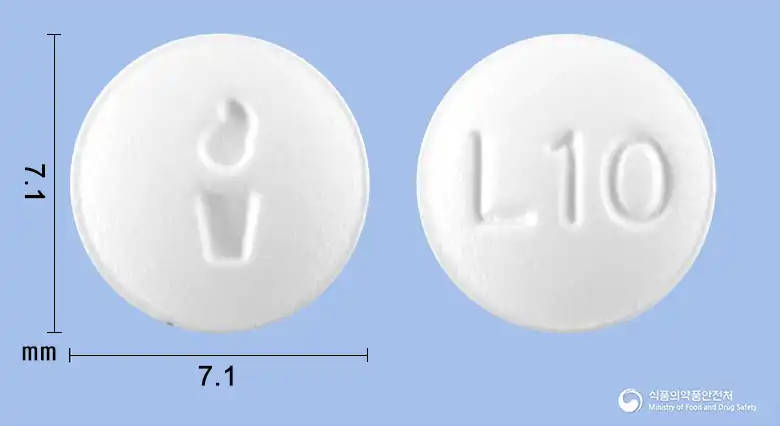
White round film-coated tablets
30 tablets/bottle
Even with the same ingredient, strength, dosage form and how it is taken can differ.
Viewing nowLeflunomide 10mg
Tablet · Prescription medication
Sam-il Pharmaceutical Co., Ltd.
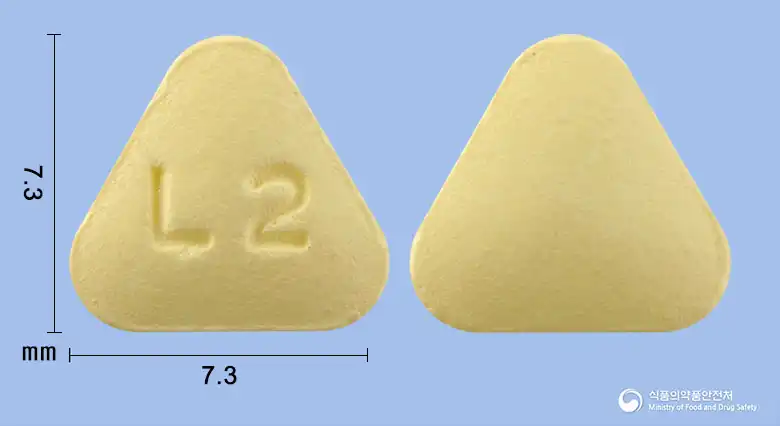
Leflunomide 20mg
Tablet · Prescription medication
Celltrion Pharma, Inc.

Leflunomide 20mg
Tablet · Prescription medication
KPM Pharmaceutical Co., Ltd.
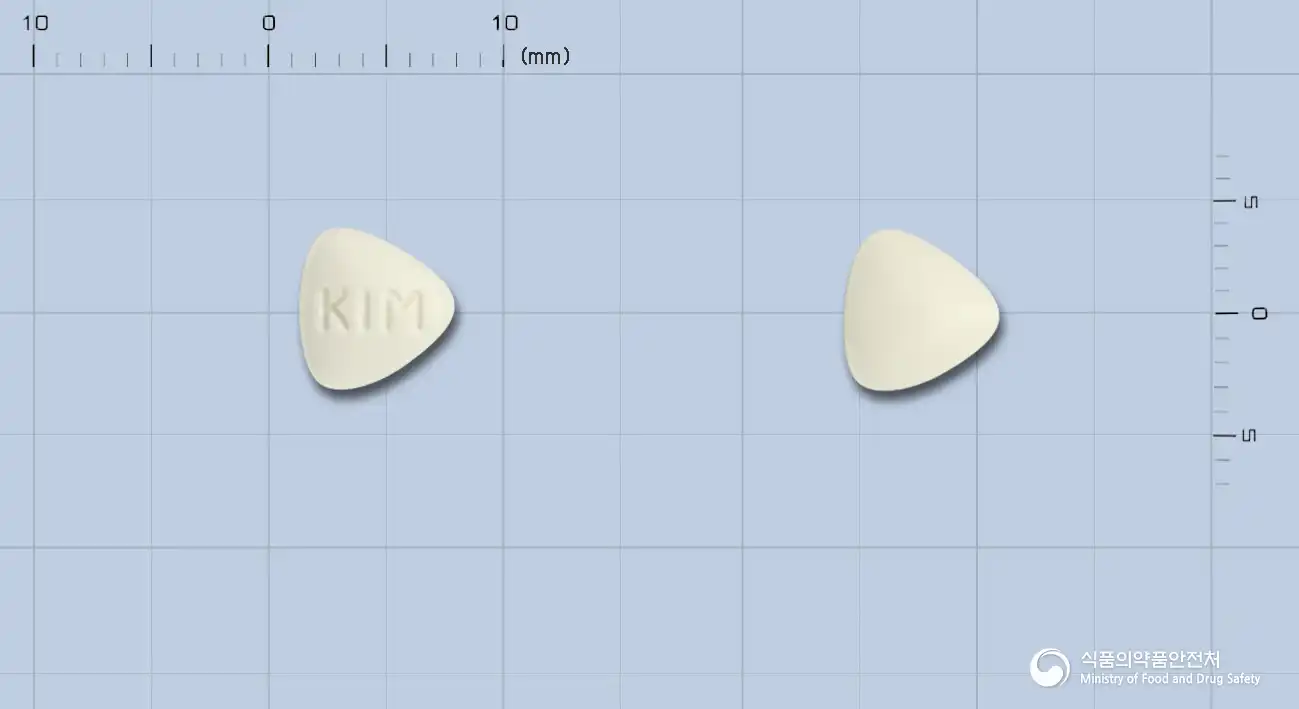
Leflunomide 20mg
Tablet · Prescription medication
Kims Pharmaceutical Co., Ltd.
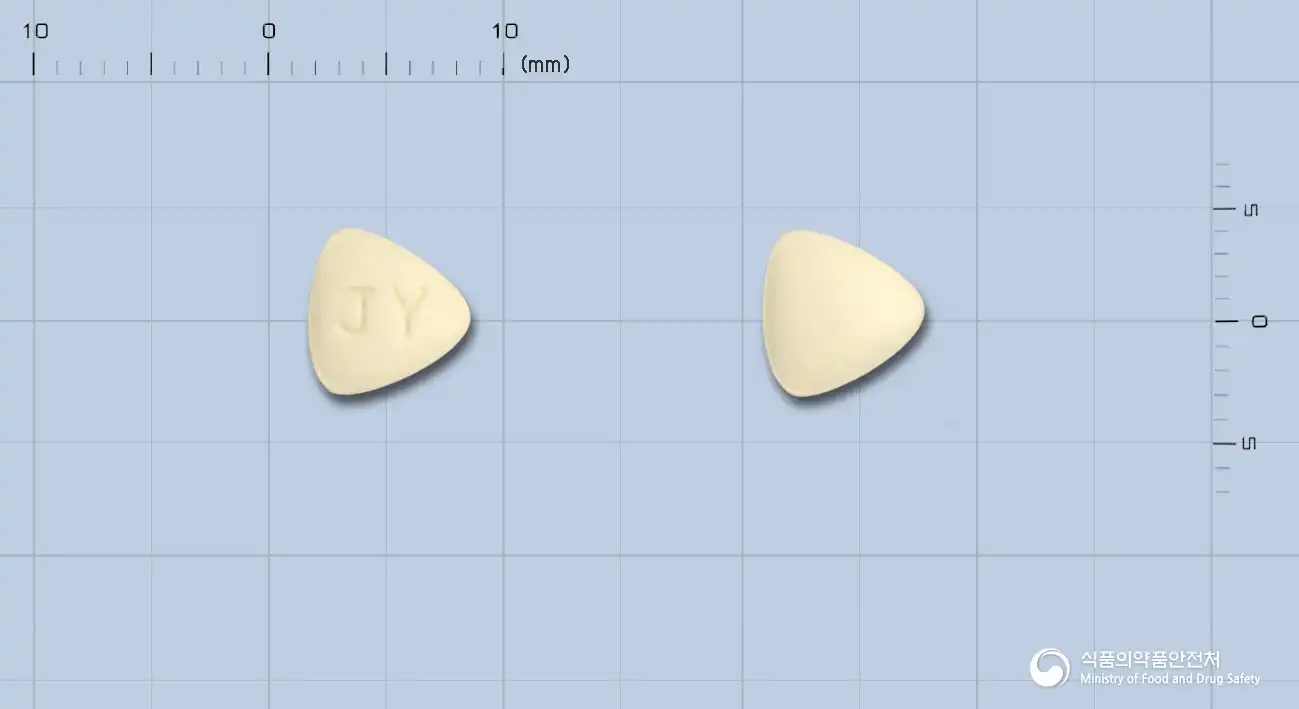
Leflunomide 20mg
Tablet · Prescription medication
Jinyang Pharmaceutical Co., Ltd.
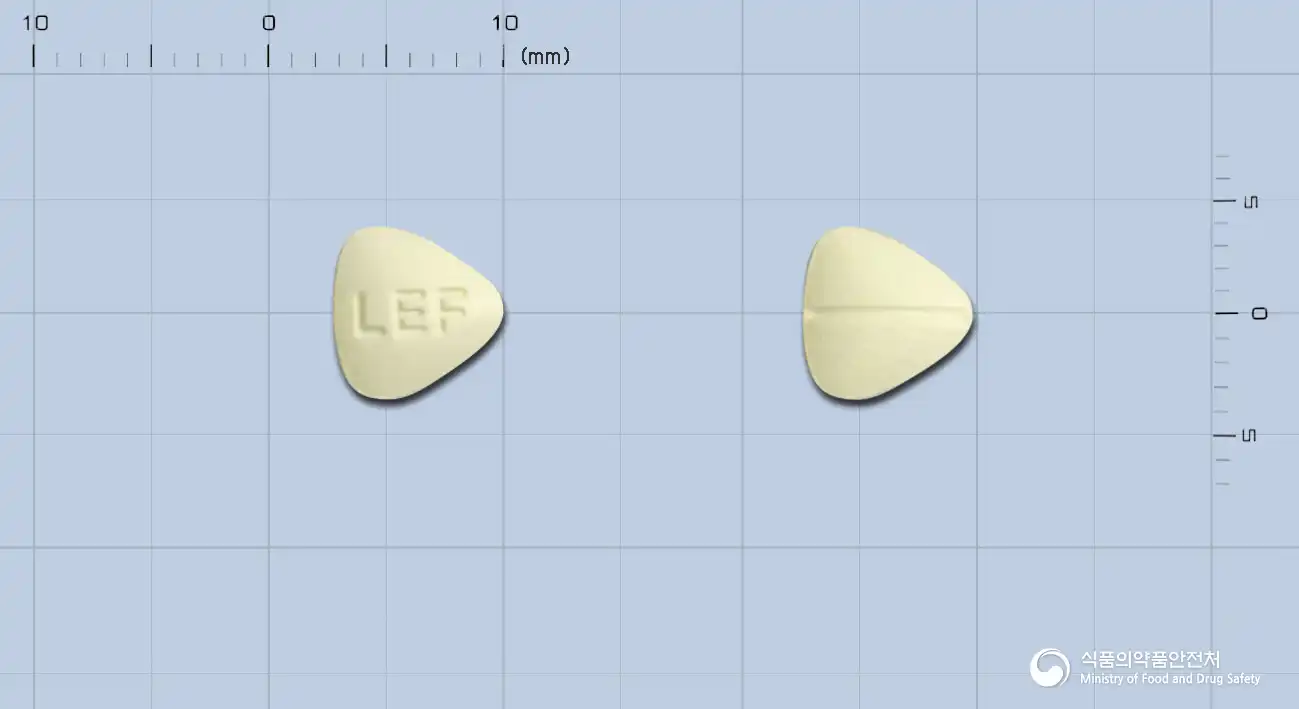
Leflunomide 20mg
Tablet · Prescription medication
Hanlim Pharmaceuticals Co., Ltd.
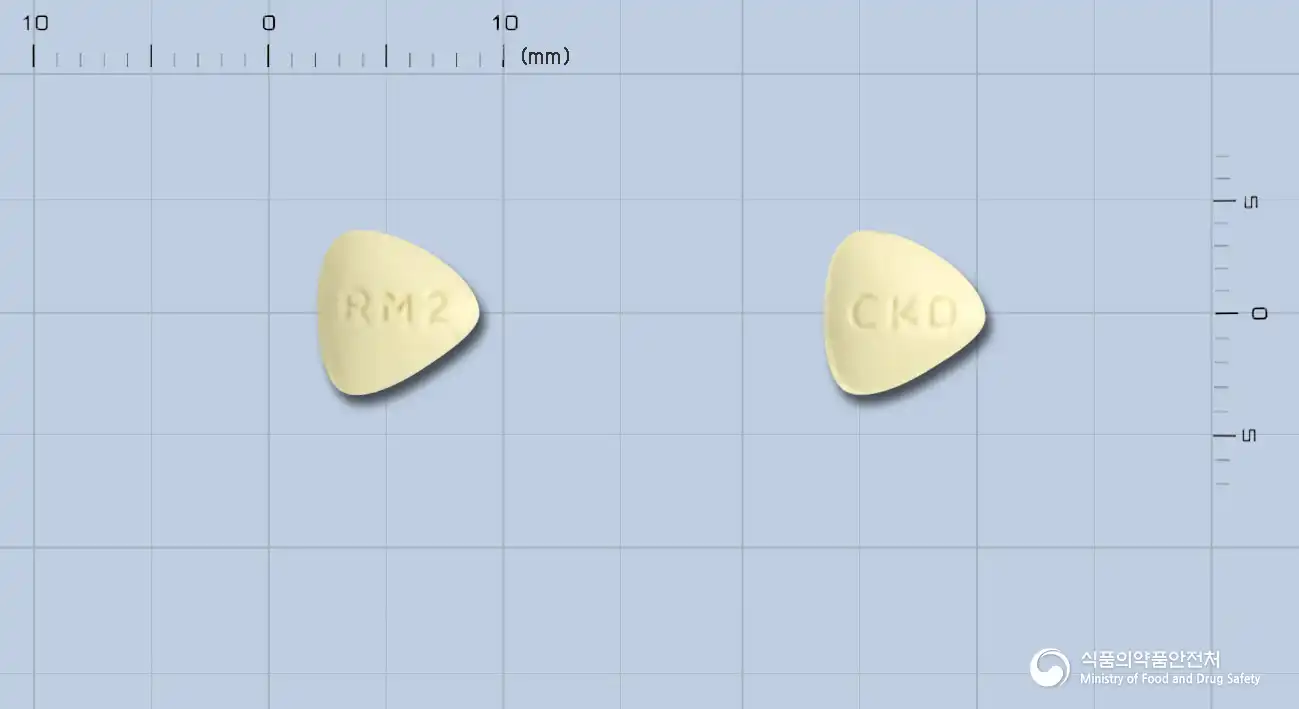
Leflunomide 20mg
Tablet · Prescription medication
Jongkundang Co., Ltd.
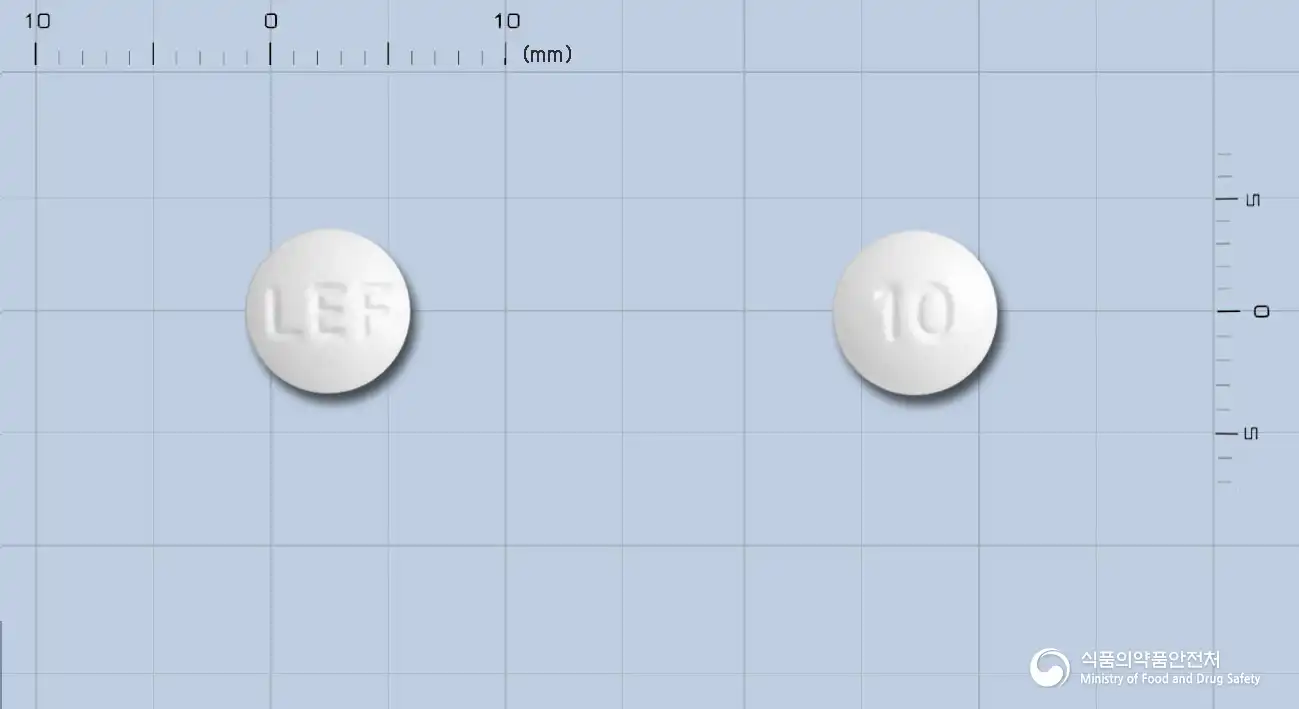
Leflunomide 10mg
Tablet · Prescription medication
Hanlim Pharmaceutical Co., Ltd.
Even with the same ingredient, the dose and directions can differ by strength and dosage form. Talk to a doctor or pharmacist before switching from a medication you are already taking.
No questions yet.
For anything that needs medical judgment, consult a doctor or pharmacist.
This drug information is based on data provided by the Korea Ministry of Food and Drug Safety.
Consult a doctor or pharmacist for accurate dosage, administration, and usage instructions.