
 한국어
 English
 日本語
 中文(简体)
 Viewing now
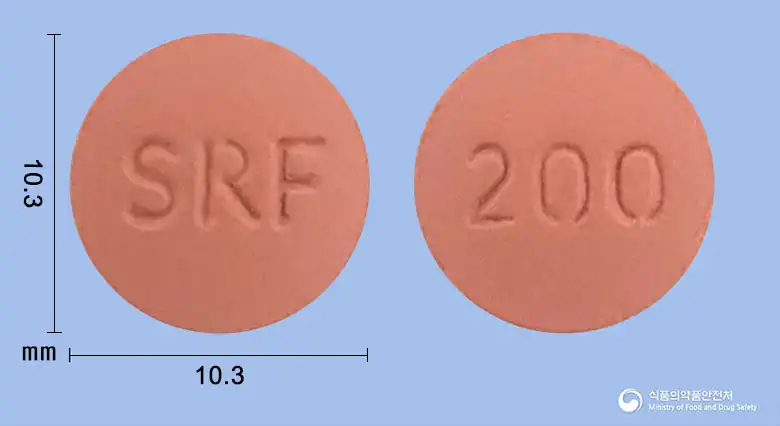
Sorafenib Tablet 200 mg (Sorafenib Tosylate (Unmodified))
Sorafenib Tosylate Micronized 274mg
Tablet · Prescription medication
Hanmi Pharmaceutical Co., Ltd.
MFDS item code 202007416 · Approved 2020.10.29 · Insurance code 643508320
Treatment of hepatocellular carcinoma, advanced renal cell carcinoma, and radioiodine-refractory differentiated thyroid cancer
This medication is used for advanced renal cell carcinoma and hepatocellular carcinoma that has failed previous cytokine treatment or for which this treatment is not suitable, as well as for locally recurrent or metastatic advanced differentiated thyroid cancer that does not respond to radioactive iodine treatment.
The recommended dose is 400 mg twice daily, taken on an empty stomach (at least 1 hour before or 2 hours after a meal). Treatment with this drug should continue until the patient no longer derives clinical benefit or develops unacceptable toxicity. Dose reductions for advanced renal cell carcinoma and hepatocellular carcinoma Temporary interruption or dose reduction of this drug may be necessary to manage suspected adverse reactions. If a dose reduction is required during treatment of advanced renal cell carcinoma or hepatocellular carcinoma, reduce the dose to 400 mg once daily. If an additional dose reduction is required, administer 400 mg of this drug once every 2 days. Examples of recommended dose modifications for dermatologic toxicity in advanced renal cell carcinoma and hepatocellular carcinoma are shown in the following table. Grade 1: Numbness, dysesthesia, paresthesia, tingling, painless swelling, erythema, or discomfort of the hands or feet that does not interfere with the patient's normal activities All occurrences: Continue treatment with this drug and consider topical treatment for symptom relief. Grade 2: Painful erythema and swelling or discomfort of the hands or feet that affects the patient's normal activities First occurrence: Continue treatment with this drug and consider topical treatment for symptom relief. If there is no improvement within 7 days, refer to the item below. No improvement within 7 days, or second or third occurrence: Interrupt treatment with this drug until the toxic symptoms improve to Grade 0-1. When treatment is resumed, reduce the dose of this drug (400 mg once daily or 400 mg once every 2 days). Fourth occurrence: Discontinue treatment with this drug. Grade 3: Moist desquamation, ulceration, severe pain, or severe discomfort of the hands or feet that makes daily activities difficult First or second occurrence: Interrupt treatment with this drug until the toxic symptoms improve to Grade 0-1. When treatment is resumed, reduce the dose of this drug (400 mg once daily or 400 mg once every 2 days). Third occurrence: Discontinue treatment with this drug. Dose reductions for differentiated thyroid cancer Temporary interruption or dose reduction of this drug may be necessary to manage suspected adverse reactions. If a dose reduction is required during treatment of differentiated thyroid cancer, reduce the dose to 600 mg daily (administer two 200 mg tablets, followed 12 hours later by one 200 mg tablet). If an additional dose reduction is required, administer 400 mg daily (200 mg twice daily); if further reduction is needed, administer 200 mg of this drug once daily. The dose may be increased when nonhematologic adverse reactions improve. Examples of recommended dose modifications for dermatologic toxicity in differentiated thyroid cancer are shown in the following table. Grade 1: Numbness, dysesthesia, paresthesia, tingling, painless swelling, erythema, or discomfort of the hands or feet that does not interfere with the patient's normal activities All occurrences: Continue treatment with this drug and consider topical treatment for symptom relief. Grade 2: Painful erythema and swelling or discomfort of the hands or feet that affects the patient's normal activities First occurrence: Immediately initiate topical treatment and reduce the dose of this drug to 600 mg daily (400 mg and 200 mg 12 hours apart). If there is no improvement within 7 days, refer to the item below. No improvement within 7 days at the reduced dose, or second occurrence: Interrupt treatment with this drug until the toxic symptoms improve to Grade 0-1. When treatment is resumed, reduce the dose of this drug by one dose level from the previous dose. Third occurrence: Interrupt treatment with this drug until the toxic symptoms improve to Grade 0-1. When treatment is resumed, reduce the dose of this drug by one dose level from the previous dose. Fourth occurrence: Discontinue treatment with this drug. Grade 3: Moist desquamation, ulceration, severe pain, or severe discomfort of the hands or feet that makes daily activities difficult First occurrence: Interrupt treatment with this drug until the toxic symptoms improve to Grade 0-1. When treatment is resumed, reduce the dose of this drug by one dose level from the previous dose. Second occurrence: Interrupt treatment with this drug until the toxic symptoms improve to Grade 0-1. When treatment is resumed, reduce the dose of this drug by one dose level from the previous dose. Third occurrence: Discontinue treatment with this drug. * For patients requiring dose adjustment due to Grade 2 or 3 skin toxicity, the dose of this drug may be increased if the skin toxicity improves to Grade 0-1 after at least 28 days of treatment at the reduced dose. No dose adjustment is necessary based on the patient's age, sex, or body weight. No dose adjustment is necessary in patients with hepatic impairment classified as Child-Pugh A or B. No clinical studies have been conducted in patients with hepatic impairment classified as Child-Pugh C. No dose adjustment is necessary in patients with mild or moderate renal impairment, or severe renal impairment not requiring dialysis. No clinical studies have been conducted in patients undergoing dialysis. Monitoring of fluid balance and electrolytes is recommended in patients at risk of renal impairment.
This medication may harm the fetus during pregnancy, and should not be taken by pregnant women. Women of childbearing potential must avoid pregnancy while taking this medication, as there is a significant risk of fetal malformation, growth impairment, or fetal death. It is also recommended to discontinue breastfeeding during treatment with this medication. Patients with allergies to the active ingredient or excipients should not take this medication. Common side effects may include diarrhea, fatigue, hair loss, infection, skin rash, etc., which can be severe in some cases. Hypertension may occur, so regular blood pressure monitoring is necessary, and appropriate treatment should be received if needed. The risk of bleeding may increase, so any symptoms of bleeding should lead to immediate consultation with a healthcare provider. Cardiovascular abnormalities such as aneurysm, arterial dissection, ischemic heart disease, and myocardial infarction may occur, so caution is needed for patients with a history of heart disease. Rare side effects such as gastrointestinal perforation may occur, so if unusual symptoms such as abdominal pain appear, immediate medical consultation is required. This medication may interact with various other drugs, so if you are taking any other medications, inform your healthcare provider. Patients with liver or kidney function issues should consult with their healthcare provider before taking this medication, and the safety for patients with severe liver dysfunction has not been established. This medication can prolong the QT interval and increase the risk of arrhythmias, so patients with heart conditions or risk factors for QT prolongation should have regular electrocardiograms. Regular monitoring of electrolytes such as calcium, potassium, and phosphorus is recommended, as abnormalities may occur. There is no specific antidote for overdose, so discontinue use immediately and receive conservative treatment. Safety has not been thoroughly established for children or the elderly, so caution is advised. Caution is also needed when driving or operating machinery while taking this medication.
Diarrhea, fatigue, alopecia, infection, hand-foot skin reactions, rash, weight loss, flushing, itching, dry skin, loss of appetite, nausea, vomiting, constipation, liver dysfunction, abdominal pain, hypertension, bleeding, renal dysfunction, fever, mucositis, headache, arthralgia, dyspnea, neuropathy, voice changes, hypocalcemia, increased ALT, increased AST, lymphocytopenia, leukopenia, neutropenia, anemia, thrombocytopenia, anaphylactic reaction, hypersensitivity reaction, angioedema, hypothyroidism, hyperthyroidism, hypophosphatemia, hypokalemia, hyponatremia, dehydration, tumor lysis syndrome, depression, taste disturbances, reversible posterior leukoencephalopathy, tinnitus, congestive heart failure, myocardial ischemia or infarction, QT prolongation, vasculitis, rhinorrhea, voice disorders, interstitial lung disease-like cases, stomatitis, dyspepsia, dysphagia, gastroesophageal reflux disease, pancreatitis, gastritis, gastrointestinal perforation, elevated bilirubin levels and jaundice, cholecystitis, cholangitis, drug-induced hepatitis, keratinocyte carcinoma, squamous cell carcinoma of the skin, exfoliative dermatitis, acne, eczema, erythema multiforme, radiation recall dermatitis, Stevens-Johnson syndrome, leukocytoclastic vasculitis, toxic epidermal necrolysis, myalgia, muscle cramps, rhabdomyolysis, renal failure, proteinuria, nephrotic syndrome, erectile dysfunction, gynecomastia, asthenia, influenza-like illness, mucosal infection, weight loss, increased amylase, increased lipase, transient elevation of transaminases, transient elevation of alkaline phosphatase, abnormal INR, abnormal prothrombin level, vesicular rash, pustular rash, skin ulcer, gait disturbance, postural instability, intra-abdominal air, peritonitis, tongue diseases, tongue ulcer formation, cavities, duodenal ulcer, hyperkalemia, worsening hypertension, pleural effusion, splenic disorders, nocturia, testicular disorders, ascites, abdominal distension, abscess, liver failure, hepatic encephalopathy, ascites, hematemesis, esophageal variceal bleeding, disease exacerbation, abdominal bloating, pneumonia, melena, hepatorenal syndrome, worsening condition, death, pleural effusion, liver cancer, ruptured liver cancer, hyperbilirubinemia, back pain, bacterial peritonitis, dyspnea, jaundice, acute liver failure, unexplained abnormal liver function tests, gastrointestinal bleeding, hypoglycemia, hematochezia, hemoptysis, acute renal failure, tumor pain, increased AST, musculoskeletal pain, cerebral infarction, cerebral hemorrhage, multiple organ failure, abdominal discomfort, anemia, epigastric pain, septic shock, neutropenia, nausea, altered consciousness, muscle weakness, increased ALT, itching, hepatic coma, hepatocellular jaundice, liver rupture, deterioration of health, hyperkalemia, fatigue, myalgia, acute cholecystitis, acute respiratory distress syndrome, cough, cholangitis, biliary disorders, herpes zoster, urticaria, peripheral edema, neck/shoulder pain, febrile neutropenia, constipation, leukopenia, limb pain, tumor progression, malignant tumor progression, dizziness, flank pain, hyponatremia, confused state, sepsis, pulmonary metastasis, hematobilia, respiratory failure, urinary tract infection, tumor bleeding, nosebleed, anal bleeding, liver abscess, hepatotoxicity, hepatic hydrothorax, hepatocellular damage, hepatic renal failure, extrahepatic obstructive jaundice, liver disease, sensory disturbances, infectious pleural effusion, seizures, subdural hemorrhage, arthralgia, necrotizing pneumonia, bacteremia, acute cholangitis, acute pancreatitis, bronchopneumonia, pneumothorax, encephalopathy, brain damage, brain metastasis, leg fracture, bile duct obstruction, gallstones, cholestatic jaundice, intracranial hemorrhage, headache, mycoplasma pneumonia, chronic liver failure, chronic renal failure, chronic gastritis, stuttering, peripheral motor neuropathy, hemiplegia, dysuria, leukocytosis, abdominal drainage, peritonitis, diplopia, incomplete bypass, gamma radiation therapy for bones, bone metastasis, bone pain, upper gastrointestinal bleeding, bacterial arthritis, bacterial sepsis, dyspepsia, vesicles, mitral valve insufficiency, esophageal stricture, renal failure, myocardial infarction, drug rash, drug overdose, gastric ulcer, gastric adenocarcinoma, gastric bleeding, scrotal swelling, intentional drug overdose, transplant rejection, suicide, postural instability, hypovolemic shock, generalized itching, mucinous substance, mass, tumor rupture, spinal compression, vertebral compression fracture, hemorrhagic ascites, hemorrhagic esophagitis, hemorrhagic gastritis, hemorrhagic varices, appendectomy, cavities, periodontitis, gout, pulmonary edema, skin diseases, oliguria, perianal abscess, anal pain, ischemic colitis, hemoperitoneum, hypochromic anemia, thrombocytopenia, blood diarrhea, thrombosis, increased serum potassium, respiratory arrest, erythema, pleuritic pain, chest pain, dysuria, chills, confused state, chest discomfort, nasopharyngitis, allergic dermatitis, tremors, altered consciousness, hematuria, increased alkaline phosphatase, urinary retention, multiple organ failure, frequency of urination, hemorrhoids, septic shock, pulmonary tuberculosis, hair color change, decreased TSH, dry eyes, hypercholesterolemia, increased bone density, acute pyelonephritis, cognitive impairment, road traffic accident, stuttering, non-cardiac chest pain, facial spasm, benign prostatic hyperplasia, disorientation, pneumonia, skin diseases, thrombocytopenia, blood diarrhea, thrombosis, erythema, pleural effusion
Not everyone experiences these, and they can vary from person to person.
This medication should be stored in a tightly sealed container to avoid exposure to air or moisture, preferably in a cool place between 1–25 degrees Celsius. Avoid direct sunlight and high temperatures for safe storage.
Pink round film-coated tablet
56 tablets/box [8 tablets/PTP X 7]
Even with the same ingredient, strength, dosage form and how it is taken can differ.
Viewing nowSorafenib Tosylate Micronized 274mg
Tablet · Prescription medication
Hanmi Pharmaceutical Co., Ltd.
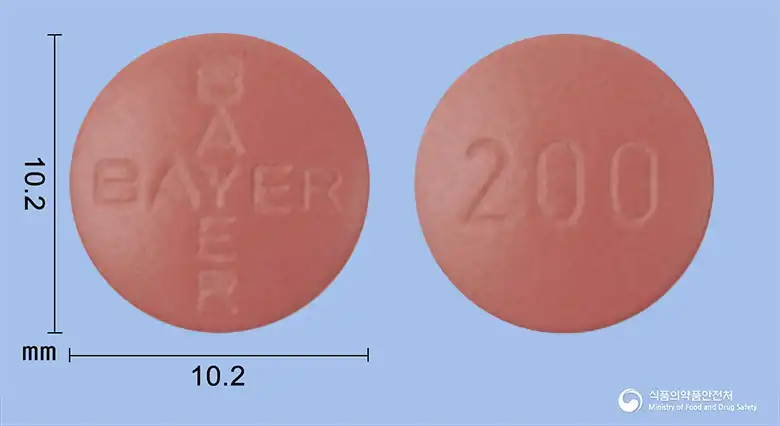
Sorafenib Tosylate Micronized 274mg
Tablet · Prescription medication
Bayer Korea Co., Ltd.
Even with the same ingredient, the dose and directions can differ by strength and dosage form. Talk to a doctor or pharmacist before switching from a medication you are already taking.
No questions yet.
For anything that needs medical judgment, consult a doctor or pharmacist.
This drug information is based on data provided by the Korea Ministry of Food and Drug Safety.
Consult a doctor or pharmacist for accurate dosage, administration, and usage instructions.