
 한국어
 English
 日本語
 中文(简体)
 Viewing now
Ostedo Tablet 12 mg (Dutetrabenazine)
Deutetrabenazine 12mg
Tablet · Prescription medication
HanDoc Teva Co., Ltd.
MFDS item code 202006402 · Approved 2020.09.16
Improvement of symptoms of Huntington's chorea and tardive dyskinesia
This medication is used to improve movement function disorder symptoms associated with neurological conditions such as Huntington's chorea and tardive dyskinesia.
1. Method of administration The dose of this drug should be determined individually for each patient based on the reduction in symptoms of chorea or tardive dyskinesia and tolerability. For patients who are not switching from tetrabenazine (a VMAT2 inhibitor related to this drug), the recommended starting dose when initiating this drug is 12mg per day (6mg twice daily). Increase the dose of this drug by 6 mg per day at 1-week intervals; the maximum recommended dose is 48 mg per day. If the total daily dose is 12 mg or more, administer it in 2 divided doses. Administer this drug with food. Swallow this drug whole. Do not chew, crush, or split the tablets. 2. Patients switching to this drug from tetrabenazine Discontinue tetrabenazine and start this drug the following day. The recommended initial dosing regimen of this drug for patients switching from tetrabenazine is shown in Table 1. Table 1. Recommended initial dosing regimen when switching from tetrabenazine to this drug Current daily dose of tetrabenazine — Initial dosing regimen of this drug 12.5 mg — 6 mg, once daily 25 mg — 6 mg, twice daily 37.5 mg — 9 mg, twice daily 50 mg — 12 mg, twice daily 62.5 mg — 15 mg, twice daily 75 mg — 18 mg, twice daily 87.5 mg — 21 mg, twice daily 100 mg — 24 mg, twice daily After switching to this drug, the dose may be adjusted at 1-week intervals. 3. Dose adjustment when used concomitantly with strong CYP2D6 inhibitors For patients taking strong CYP2D6 inhibitors (e.g., antidepressants such as paroxetine, fluoxetine, and bupropion, or quinidine), the total daily dose of this drug must not exceed 36 mg (maximum single dose 18 mg) [see Precautions for Use 5. Drug Interactions, item 1)]. 4. Discontinuation and interruption of treatment Treatment with this drug may be discontinued without tapering. If treatment with this drug is resumed after an interruption of more than 1 week, the dose must be titrated again. If treatment has been interrupted for less than 1 week, treatment may be resumed at the previous maintenance dose without dose titration.
This medication may increase the risk of depression and suicidal impulses in patients with Huntington's disease, so the patient's mental state should be carefully evaluated before treatment. Patients and families should be adequately informed about the risk of depression and suicide, and should report any abnormal behavior to healthcare professionals immediately. It should not be administered to patients with suicidal impulses or inadequately treated depression. It should not be used in patients with impaired liver function, and serious side effects may occur when used in combination with certain medications, so consultation with healthcare professionals is necessary. Common side effects during treatment with this medication may include drowsiness, diarrhea, dry mouth, and fatigue, so caution is needed. Activities requiring concentration, such as driving or operating hazardous machinery, should only be undertaken after assessing one's condition after taking this medication. This medication may prolong the QT interval related to heart rate, so special caution is needed for patients with heart disease. Serious neurological side effects such as neuroleptic malignant syndrome may occur, so any unusual symptoms should be reported to healthcare professionals immediately. This medication may cause movement disorders such as akathisia, restlessness, jitteriness, and Parkinsonism, so dose adjustments or discontinuation may be necessary if symptoms occur. Women who are pregnant or breastfeeding should carefully evaluate the potential effects on the fetus or newborn before using this medication. Special caution is needed in pediatric or geriatric patients, as safety and efficacy have not been adequately established. In cases of overdose, symptoms such as severe neurological abnormalities, vomiting, and hypotension may occur, and immediate emergency treatment should be sought. This medication should be kept out of the reach of children and should not be transferred to another container.
Not everyone experiences these, and they can vary from person to person.
This medication should be stored in a tightly sealed container to prevent air exposure, and it is best to keep it at room temperature between 1°C and 30°C. Additionally, care should be taken to avoid exposure to light and moisture.
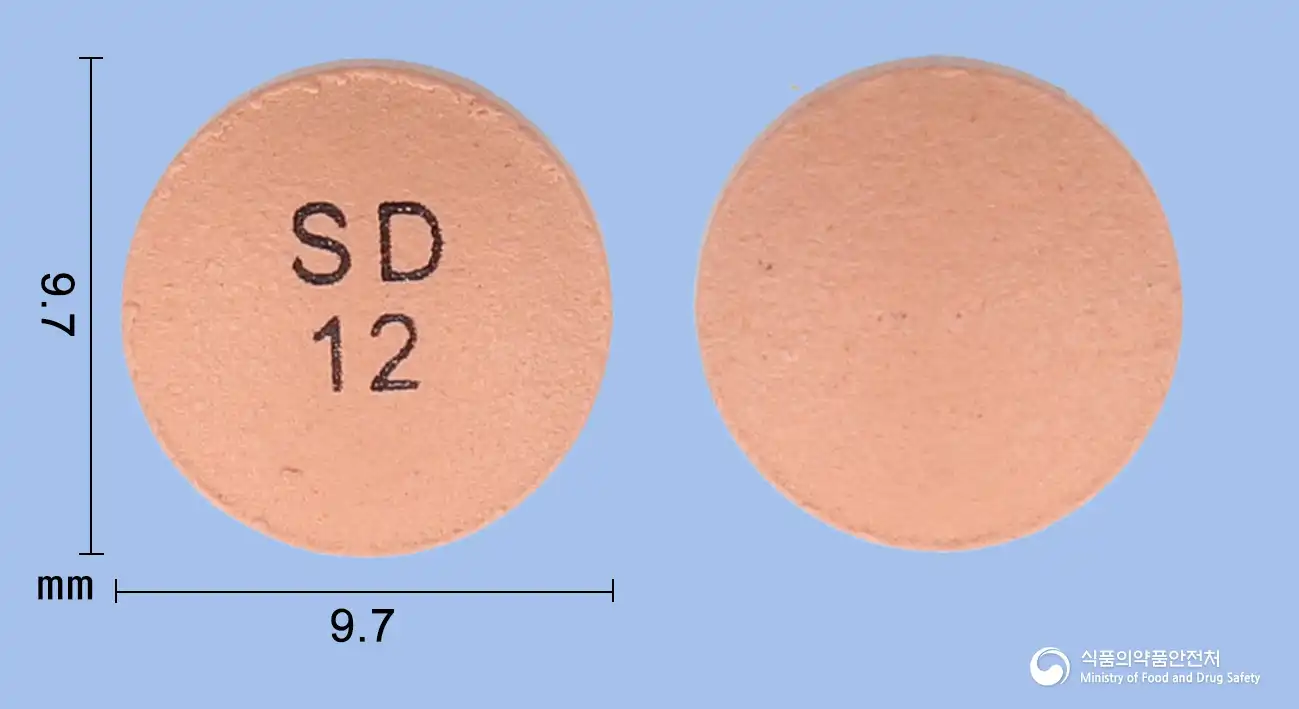
Beige colored round film-coated tablet
60 tablets/bottle [60 tablets/bottle X 1]
Even with the same ingredient, strength, dosage form and how it is taken can differ.
Viewing nowDeutetrabenazine 12mg
Tablet · Prescription medication
HanDoc Teva Co., Ltd.
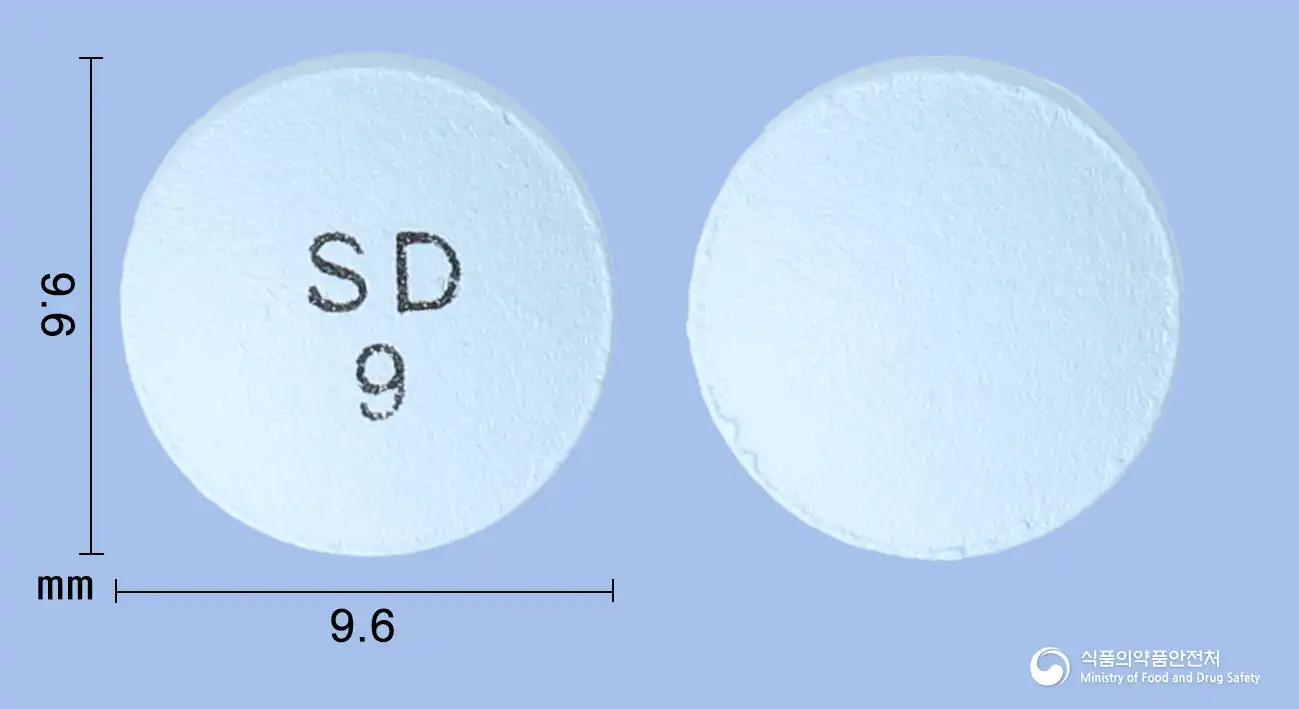
Deutetrabenazine 9mg
Tablet · Prescription medication
Hanmi Teva Pharmaceutical Co., Ltd.
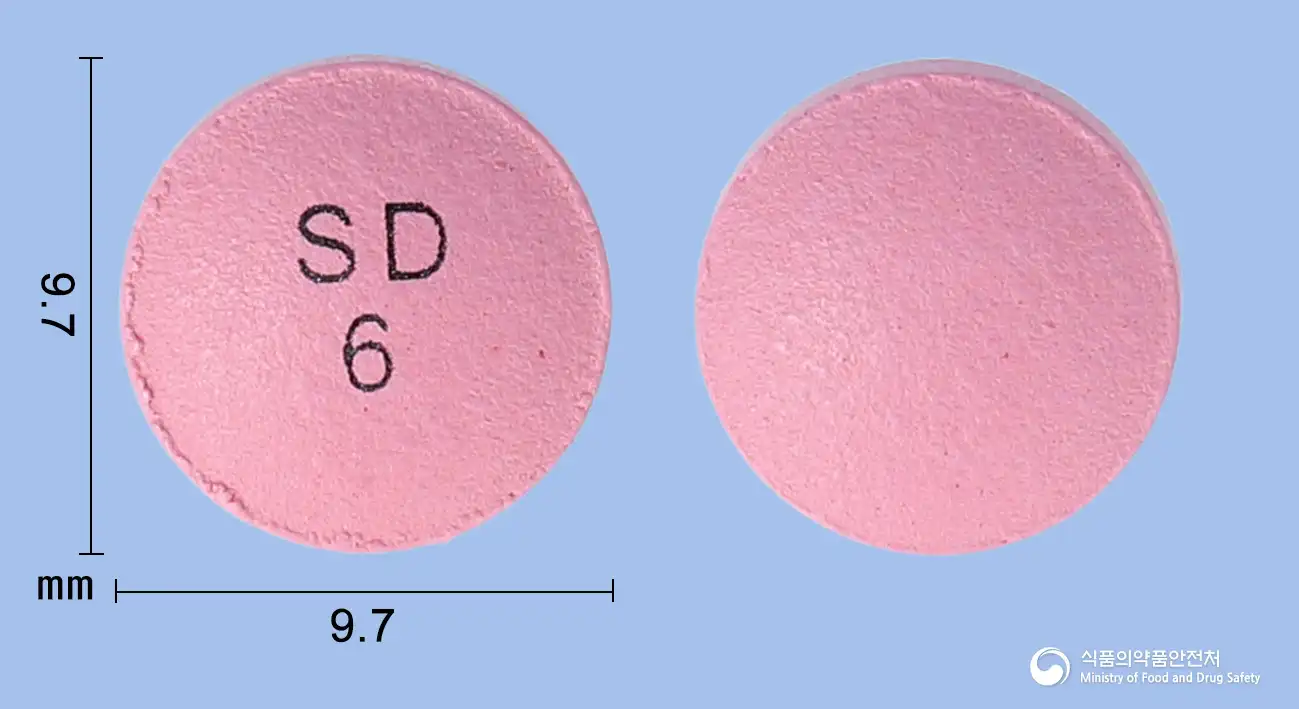
Deutetrabenazine 6mg
Tablet · Prescription medication
Handok Teva Co., Ltd.
Even with the same ingredient, the dose and directions can differ by strength and dosage form. Talk to a doctor or pharmacist before switching from a medication you are already taking.
No questions yet.
For anything that needs medical judgment, consult a doctor or pharmacist.
This drug information is based on data provided by the Korea Ministry of Food and Drug Safety.
Consult a doctor or pharmacist for accurate dosage, administration, and usage instructions.