
 한국어
 English
 日本語
 中文(简体)
 Viewing now
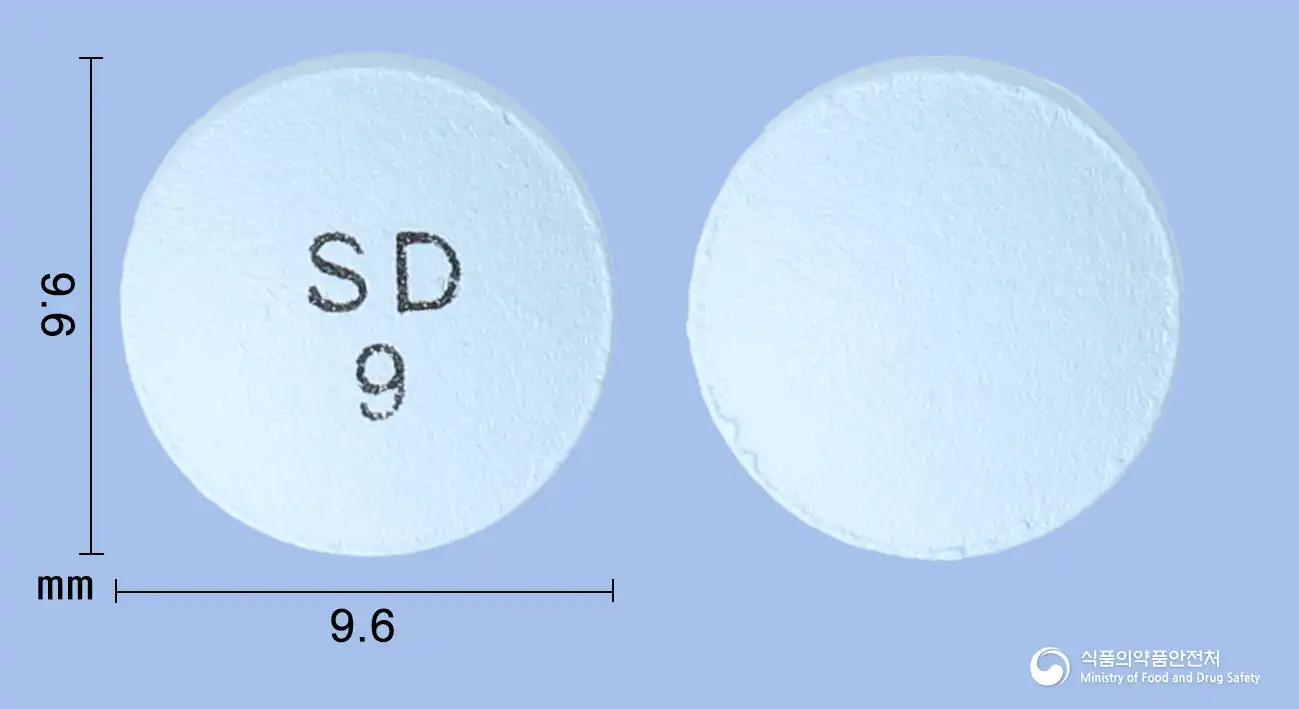
Ostedo Tablet 9mg (Dutetrabenazine)
Deutetrabenazine 9mg
Tablet · Prescription medication
Hanmi Teva Pharmaceutical Co., Ltd.
MFDS item code 202006400 · Approved 2020.09.16
Improvement of symptoms of Huntington's chorea and tardive dyskinesia
This medicine is used to improve the symptoms of Huntington’s disease and tardive dyskinesia.
The dose of this drug should be determined individually for each patient based on the reduction in symptoms of chorea or tardive dyskinesia and tolerability. For patients who are not switching from tetrabenazine (a VMAT2 inhibitor related to this drug), the recommended starting dose when initiating this drug is 12mg per day (6mg twice daily). Increase the dose of this drug by 6 mg per day at 1-week intervals; the maximum recommended dose is 48 mg per day. If the total daily dose is 12 mg or more, administer it in 2 divided doses. Administer this drug with food. Swallow this drug whole. Do not chew, crush, or split the tablets. Discontinue tetrabenazine and start this drug the following day. Current daily dose of tetrabenazine 12.5 mg: 6 mg, once daily Current daily dose of tetrabenazine 25 mg: 6 mg, twice daily Current daily dose of tetrabenazine 37.5 mg: 9 mg, twice daily Current daily dose of tetrabenazine 50 mg: 12 mg, twice daily Current daily dose of tetrabenazine 62.5 mg: 15 mg, twice daily Current daily dose of tetrabenazine 75 mg: 18 mg, twice daily Current daily dose of tetrabenazine 87.5 mg: 21 mg, twice daily Current daily dose of tetrabenazine 100 mg: 24 mg, twice daily After switching to this drug, the dose may be adjusted at 1-week intervals. For patients taking strong CYP2D6 inhibitors (e.g., antidepressants such as paroxetine, fluoxetine, and bupropion, or quinidine), the total daily dose of this drug must not exceed 36 mg (maximum single dose 18 mg) [see Precautions for Use 5. Drug Interactions, item 1)]. Treatment with this drug may be discontinued without tapering. If treatment with this drug is resumed after an interruption of more than 1 week, the dose must be titrated again. If treatment has been interrupted for less than 1 week, treatment may be resumed at the previous maintenance dose without dose titration.
This medication may increase the risk of depression and suicidal thoughts in patients with Huntington's disease, so it is essential to check for symptoms of depression or suicidal thoughts before use. This medication should not be administered to patients with a history of depression or suicidal tendencies, and both patients and caregivers should be fully aware of these risks. Patients with impaired liver function should not use this medication, and severe side effects may occur if combined with specific medications, so it is essential to consult a physician. Side effects such as drowsiness, fatigue, dry mouth, and diarrhea may occur during the use of this medication, so caution is necessary. It is safest to avoid activities that require attention, such as driving or operating dangerous machinery, in the initial phase of taking this medication. This medication may affect heart rhythm, so patients with heart disease or prolongation of the QT interval must consult with medical personnel before administration. Severe neurological side effects, such as neuroleptic malignant syndrome, may occur, so if symptoms such as high fever, muscle rigidity, or changes in mental status appear, immediate consultation with a medical professional is required. Symptoms like akathisia, restlessness, and Parkinsonism may occur; if such symptoms appear, it may be necessary to adjust or discontinue the dosage. The safety of this medication during pregnancy has not been established, so consultation with a physician is necessary if pregnant or planning to become pregnant. If breastfeeding, consideration should also be given to the possible secretion of this medication in breast milk and a careful evaluation of the risks and benefits of using this medication. The safety for pediatric and elderly patients has not been sufficiently studied, so it should be administered cautiously in these age groups. Severe side effects may occur in case of overdose, so strict adherence to the prescribed dosage is crucial, and if any unusual symptoms occur, immediate contact with a medical professional should be made. This medication should be kept out of the reach of children, and transferring to another container is important to maintain quality.
depression
Not everyone experiences these, and they can vary from person to person.
This medication is sensitive to air and moisture, so it must be stored in a tightly sealed container. It is essential to maintain a storage temperature between 1 and 30 degrees Celsius at room temperature and to avoid direct sunlight and humid places.
Blue round film-coated tablet
60 tablets/bottle [60 tablets/bottle X 1]
Even with the same ingredient, strength, dosage form and how it is taken can differ.
Viewing nowDeutetrabenazine 9mg
Tablet · Prescription medication
Hanmi Teva Pharmaceutical Co., Ltd.
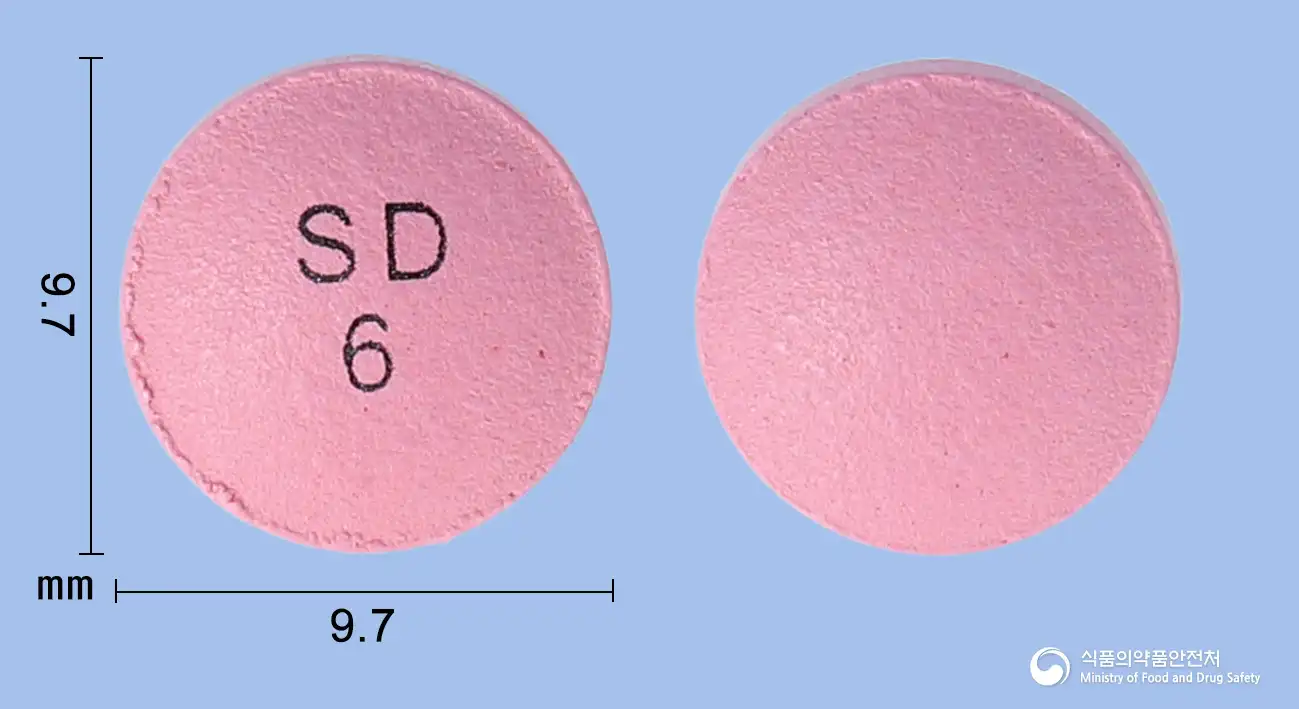
Deutetrabenazine 6mg
Tablet · Prescription medication
Handok Teva Co., Ltd.
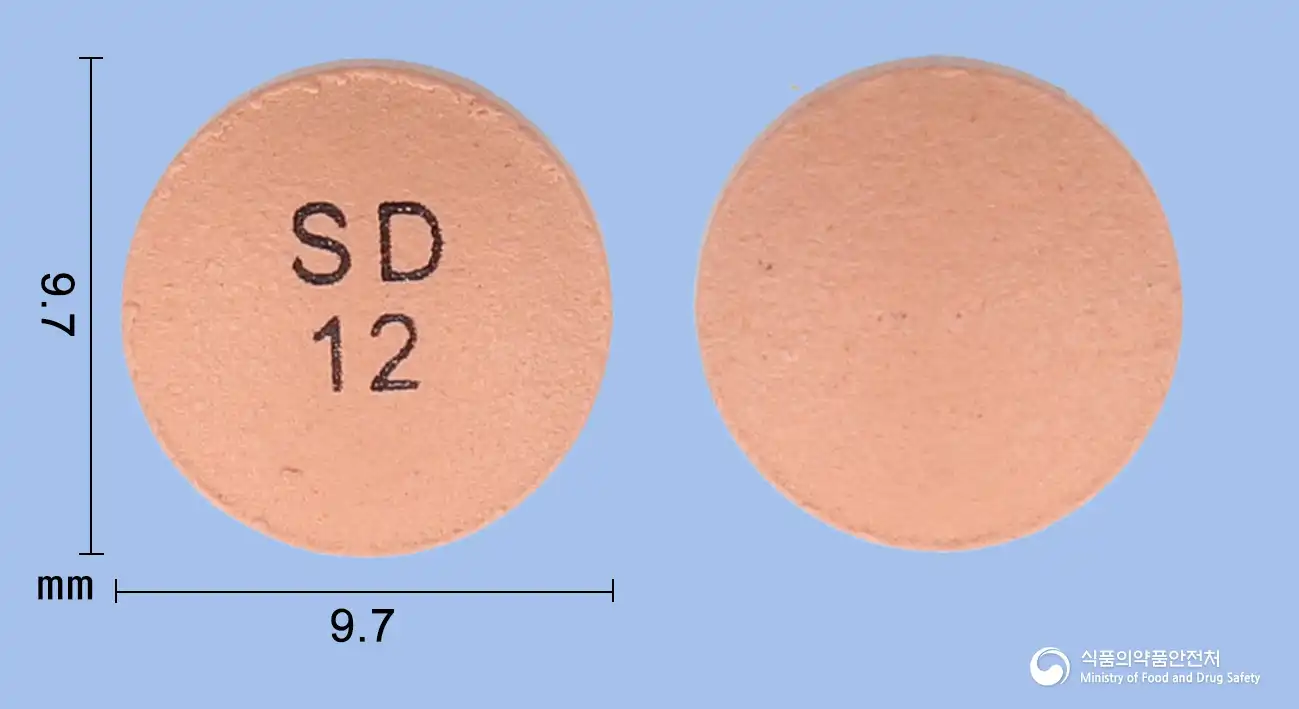
Deutetrabenazine 12mg
Tablet · Prescription medication
HanDoc Teva Co., Ltd.
Even with the same ingredient, the dose and directions can differ by strength and dosage form. Talk to a doctor or pharmacist before switching from a medication you are already taking.
No questions yet.
For anything that needs medical judgment, consult a doctor or pharmacist.
This drug information is based on data provided by the Korea Ministry of Food and Drug Safety.
Consult a doctor or pharmacist for accurate dosage, administration, and usage instructions.