
 한국어
 English
 日本語
 中文(简体)
 Viewing now
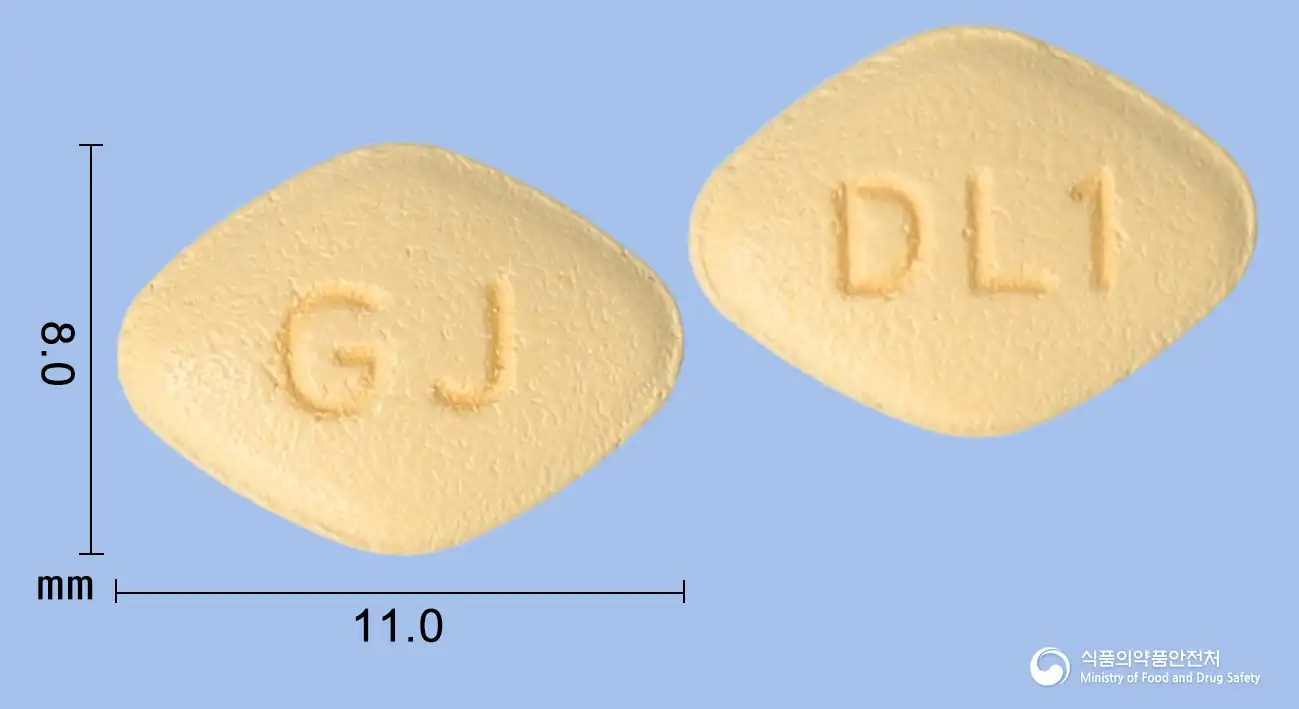
Dapari Zinc 10mg (Dapagliflozin Monohydrate Mixture)
Dapagliflozin Anhydrous Lactose Mixture 15.27mg
Tablet · Prescription medication
Guju Pharmaceutical Co., Ltd.
MFDS item code 202005380 · Approved 2020.07.23 · Insurance code 669805790
Improvement of glycemic control in type 2 diabetes mellitus
This medication is used to improve blood sugar control in patients with type 2 diabetes and acts as an adjunct to diet and exercise. It can be administered alone or in combination with other medications. It is particularly used in patients with cardiovascular disease or risk factors who do not have sufficient blood sugar control. This medication is administered considering its effects on blood sugar control and the risk of cardiovascular events. Therefore, it is effective in aiding blood sugar management and improving cardiovascular health in type 2 diabetic patients.
Type 2 diabetes mellitus Monotherapy and add-on combination therapy The recommended dose of this medicine is 10mg once daily for monotherapy and add-on combination therapy with other glucose-lowering agents, such as insulin. When this medicine is used in combination with insulin or an insulin secretagogue such as a sulfonylurea, a lower dose of insulin or the insulin secretagogue may be considered to reduce the risk of hypoglycemia. Initial combination therapy For patients with no prior experience of antidiabetic drug therapy, when administered in combination with metformin, the recommended initial dose of this medicine is 5mg once daily or 10mg once daily. Special populations Renal impairment - eGFR less than 45 mL/min/1.73m2: Use of this medicine is not recommended for the purpose of improving glycemic control. - Patients on dialysis: Do not administer this medicine. Hepatic impairment No dose adjustment is required in patients with mild or moderate hepatic impairment. For patients with severe hepatic impairment, an initial dose of 5 mg is recommended. If well tolerated, this dose may be increased to 10mg. Elderly patients (≥ 65 years) Dose adjustment based on age is not recommended. Method of administration This medicine may be taken orally once daily at any time of day, with or without food. The tablet should be swallowed whole.
Under 18 years of age: The efficacy and safety of dapagliflozin have not been established. No relevant data are available.
This medication should not be used in patients with a known hypersensitivity to the active ingredient or any excipients. It should also not be administered to patients with type 1 diabetes or diabetic ketoacidosis. Patients with genetic disorders such as lactose intolerance, lactase deficiency, or glucose-galactose malabsorption should not take this medication. It should not be used in patients undergoing dialysis. In patients with fluid volume depletion or impaired kidney function, this medication should be used with caution. This medication can lower blood pressure and affect kidney function, so blood pressure and kidney status must be closely monitored before and during treatment. Especially in elderly patients or those taking diuretics, there is a higher risk of hypotension or reduced blood volume, requiring careful attention. This medication contains dyes Yellow No. 4 and Yellow No. 5, so individuals allergic or hypersensitive to these components should take it with caution. Taking this medication may lead to genital or urinary tract infections, so if symptoms of infection appear, immediate consultation with a healthcare provider is essential. Additionally, hypoglycemic symptoms may occur, thus it may be necessary to adjust the dosage when used in conjunction with other diabetes medications such as insulin or sulfonylureas to reduce the risk of hypoglycemia. Symptoms of dehydration or hypotension due to fluid volume reduction may occur, so if dizziness or dry mouth is experienced, inform your healthcare provider. Rarely, serious complications such as diabetic ketoacidosis may occur, so if symptoms like vomiting, abdominal pain, or difficulty breathing appear, immediate treatment is required. Pregnant or breastfeeding women are advised not to use this medication, and if pregnancy is confirmed, discontinuation of use should occur. In the case of overdose, there is no specific antidote, and treatment should be symptomatic, with appropriate measures taken for any symptoms of dehydration or hypotension. This medication does not significantly affect driving or the operation of machinery, but caution is necessary due to the risk of hypoglycemia. The safety and efficacy of this medication have not been established in children.
Not everyone experiences these, and they can vary from person to person.
This medication should be stored in a tightly sealed container to prevent exposure to air or moisture. The storage temperature should be maintained between 1 and 30 degrees Celsius at room temperature. This will help preserve the drug's effectiveness and prevent deterioration.
Yellow, biconvex, diamond-shaped film-coated tablets
28 tablets/box [14 tablets/ptp X2], 30 tablets/bottle
Even with the same ingredient, strength, dosage form and how it is taken can differ.
Viewing nowDapagliflozin Anhydrous Lactose Mixture 15.27mg
Tablet · Prescription medication
Guju Pharmaceutical Co., Ltd.
Dapagliflozin Anhydrous Lactose Mixture 7.635mg
Tablet · Prescription medication
International Pharmaceuticals Co., Ltd.
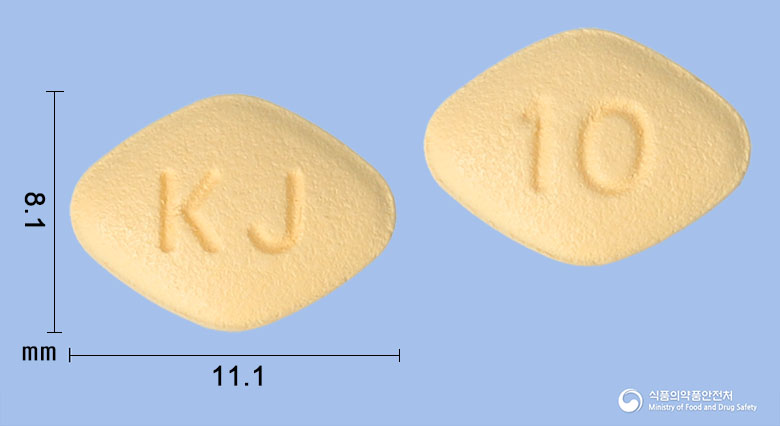
Dapagliflozin Anhydrous Lactose Mixture 15.27mg
Tablet · Prescription medication
International Pharmaceutical Co., Ltd.
Dapagliflozin Anhydrous Lactose Mixture 7.635mg
Tablet · Prescription medication
Shinil Pharmaceutical Co., Ltd.
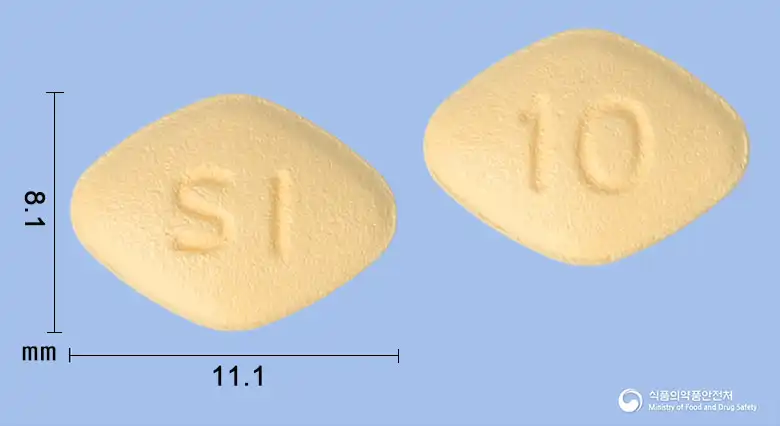
Dapagliflozin Anhydrous Lactose Mixture 15.27mg
Tablet · Prescription medication
Sinil Pharmaceutical Co., Ltd.
Dapagliflozin Anhydrous Lactose Mixture 7.635mg
Tablet · Prescription medication
Dongwha Pharmaceutical Co., Ltd.
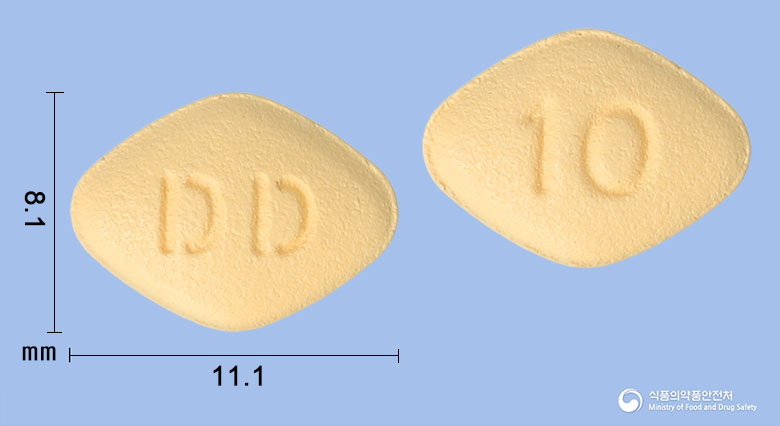
Dapagliflozin Anhydrous Lactose Mixture 15.27mg
Tablet · Prescription medication
Donghwa Pharmaceutical Co., Ltd.
Dapagliflozin Anhydrous Lactose Mixture 7.635mg
Tablet · Prescription medication
Albozen Korea Co., Ltd.
Even with the same ingredient, the dose and directions can differ by strength and dosage form. Talk to a doctor or pharmacist before switching from a medication you are already taking.
No questions yet.
For anything that needs medical judgment, consult a doctor or pharmacist.
This drug information is based on data provided by the Korea Ministry of Food and Drug Safety.
Consult a doctor or pharmacist for accurate dosage, administration, and usage instructions.