
 한국어
 English
 日本語
 中文(简体)
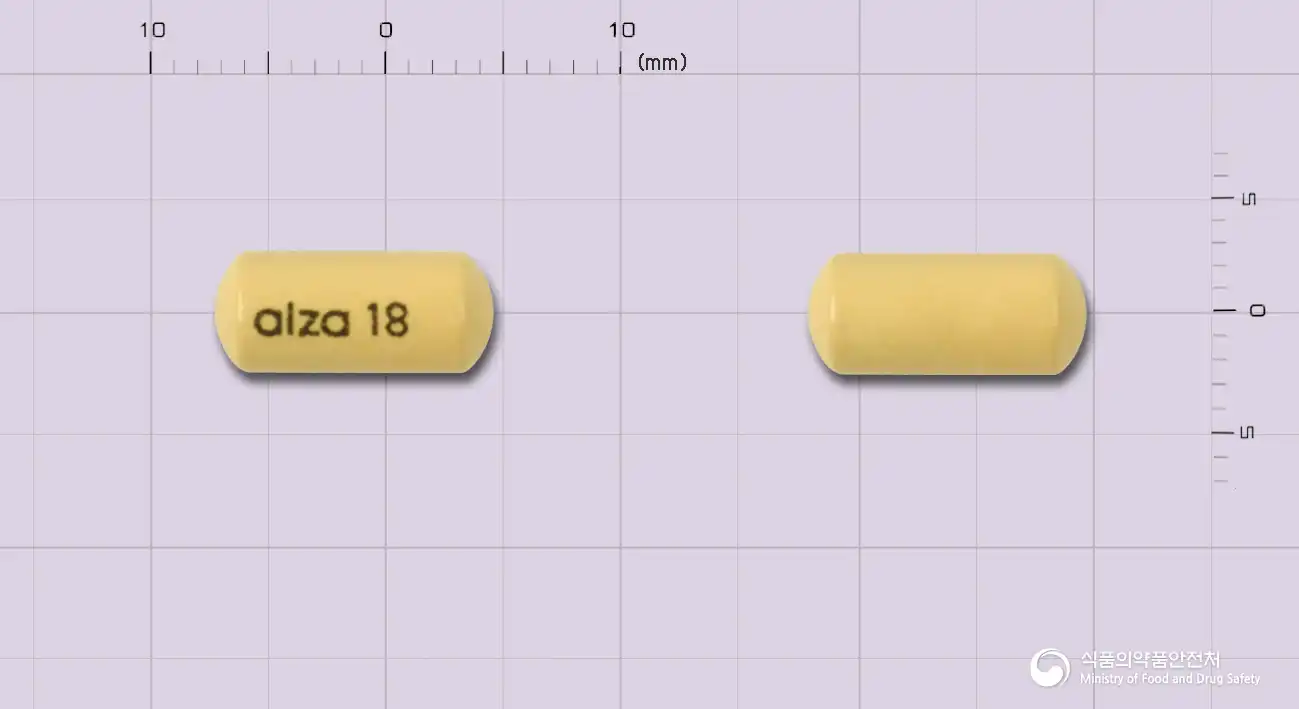 Viewing now
Concerta OROS Extended-Release 18 mg (Methylphenidate Hydrochloride)
Methylphenidate Hydrochloride 4mg
Tablet · Prescription medication
Korea Janssen Co., Ltd.
MFDS item code 202005265 · Approved 2020.07.22 · Insurance code 646902360
Treatment of attention-deficit/hyperactivity disorder (ADHD)
This medication is primarily used to treat Attention Deficit Hyperactivity Disorder, or ADHD. ADHD can manifest in individuals from childhood to adulthood, and this medication has been clinically proven effective in patients aged 6 to 65 years. The diagnosis should be strictly made according to DSM or ICD criteria, and since there is no single diagnostic test, it is crucial to accurately assess the patient's history and various evaluations. Furthermore, it is preferable for this medication to be used as part of an overall treatment program that includes psychological, educational, and social interventions rather than as a sole treatment. Not all patients with ADHD require pharmacotherapy, and symptoms of ADHD caused by environmental factors or other psychiatric disorders may not be suitable for this medication. When appropriate educational and psychological/social treatments are combined, this medication can be effectively used to improve the patient's symptoms.
Administer orally once daily in the morning. This drug should be swallowed whole with water. Do not chew, cut, or crush the tablet. This drug may be taken with food. Adults (18-65 years): 18mg or 36mg/day For methylphenidate 5mg 2 or 3 times daily, For methylphenidate extended-release formulation 20mg (8-hour duration): 18mg once daily For methylphenidate 10mg 2 or 3 times daily, for methylphenidate extended-release formulation 40mg (8-hour duration): 36mg once daily For methylphenidate 15mg 2 or 3 times daily, For methylphenidate extended-release formulation 60mg (8-hour duration): 54mg once daily For methylphenidate 20mg 2 or 3 times daily: 72mg once daily For patients who have received methylphenidate using a regimen other than those listed above, the initial dose should be determined based on clinical judgment. The dose should be individualized according to the patient's symptoms and response to the drug. Based on the evaluation of clinical benefit and tolerability, the dose may be increased by 18mg at 1-week intervals in patients who do not show an optimal response at a low dose. Adults (18-65 years): 72mg/day When prescribing a dose between 18mg and 36mg of methylphenidate, 27mg may be used. No controlled clinical trials have established how long patients with ADHD can take this drug. However, it is generally accepted that pharmacological treatment of ADHD is required over the long term. No controlled clinical trials have been conducted to evaluate the efficacy of this drug with long-term use beyond 7 weeks. When prescribing this drug long term to patients with ADHD, regularly reevaluate the efficacy of long-term use by temporarily interrupting drug treatment and conducting a trial to assess the patient's social functioning. If symptoms worsen or other adverse reactions occur, the dose should be reduced and, if necessary, treatment with this drug should be discontinued. If symptoms do not improve within one month after adjustment to an appropriate dose, discontinue this drug.
Children (6-12 years): 18mg/day; maximum dose 54mg/day Adolescents (13-17 years): 18mg/day; maximum dose 72mg/day, but do not exceed 2mg/kg/day.
This medication should not be used in patients with significant heart disease, particularly in children, adolescents, and adults with structural heart abnormalities or arrhythmias. Care should be taken when administering to patients with hypertension, and blood pressure and heart rate should be monitored regularly. A thorough history and physical examination should be conducted to confirm the presence of any heart conditions, and immediate evaluation should occur if any cardiac symptoms arise. Caution is also required in patients with a history of psychosis, as symptoms may worsen. Patients with bipolar disorder should undergo sufficient psychiatric evaluation before treatment and should be closely monitored during treatment. This medication may provoke symptoms of psychosis or mania; therefore, if such symptoms appear, the medication may need to be discontinued. Aggression or hostility may occur, thus behavioral changes during treatment should be carefully observed. Long-term use may result in suppression of growth in children; if growth does not proceed normally, the medication may need to be temporarily discontinued. Patients with a history of seizures or abnormal EEG findings may have an increased risk of seizures, and caution should be taken during administration; if seizures occur, discontinue immediately. Visual problems such as difficulties in eye control or blurred vision may also rarely occur. This medication should be swallowed whole, not chewed or crushed, and is not suitable for patients who have difficulty swallowing. It should not be used in children under 5 years of age, as safety and efficacy have not been established. Patients with a history of drug dependence or alcohol abuse should be careful not to adjust the dosage arbitrarily. Persistent erections have been reported rarely, so if such symptoms occur, immediate medical attention should be sought. Symptoms of peripheral vascular disease may occur; therefore, changes in color or pain in the hands and feet should be monitored, and additional testing should be conducted if necessary. This medication can interact with certain drugs, especially in patients taking or who have recently stopped using MAO inhibitors; they should not receive this medication. Women who are pregnant or breastfeeding should receive careful consideration regarding the use of this medication.
Not everyone experiences these, and they can vary from person to person.
This medication should be stored at a temperature between 15 and 30 degrees Celsius, and it is important to keep it in a well-closed container. It should also be stored away from humid places to maintain its efficacy.
Yellow oblong film-coated tablet
Package unit - 30 tablets/bottle
Even with the same ingredient, strength, dosage form and how it is taken can differ.
Viewing nowMethylphenidate Hydrochloride 4mg
Tablet · Prescription medication
Korea Janssen Co., Ltd.
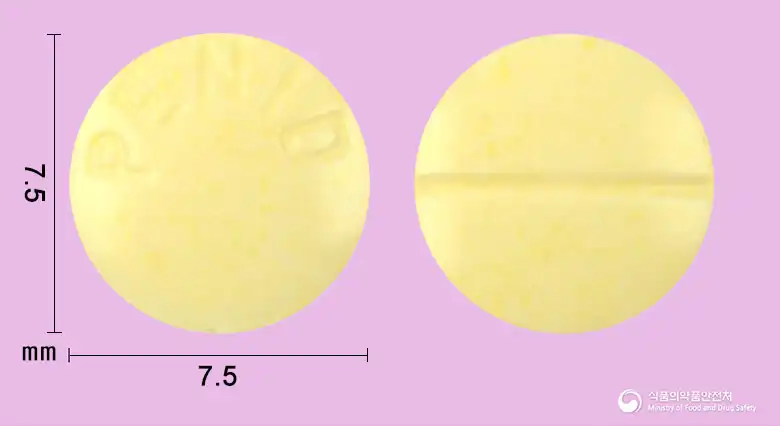
Methylphenidate Hydrochloride 5mg
Tablet · Prescription medication
Hanin Pharmaceutical Co., Ltd.
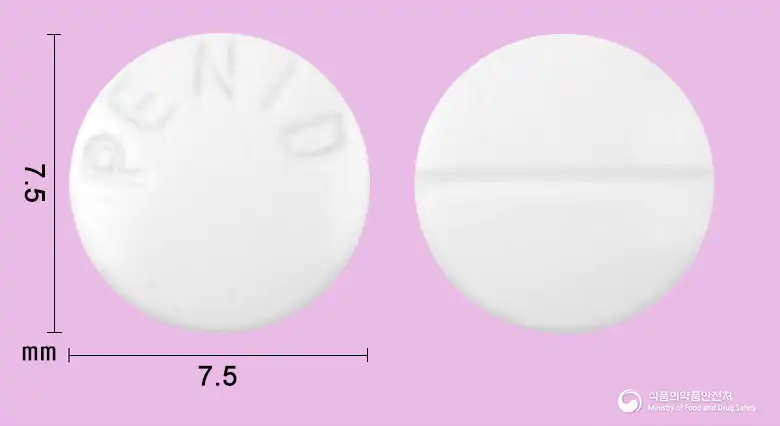
Methylphenidate Hydrochloride 10mg
Tablet · Prescription medication
Hwanin Pharmaceutical Co., Ltd.
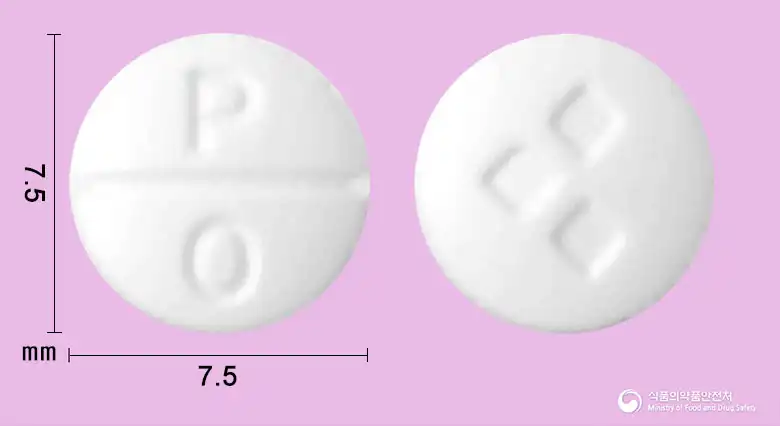
Methylphenidate Hydrochloride 10mg
Tablet · Prescription medication
Myungjin Pharmaceutical Co., Ltd.
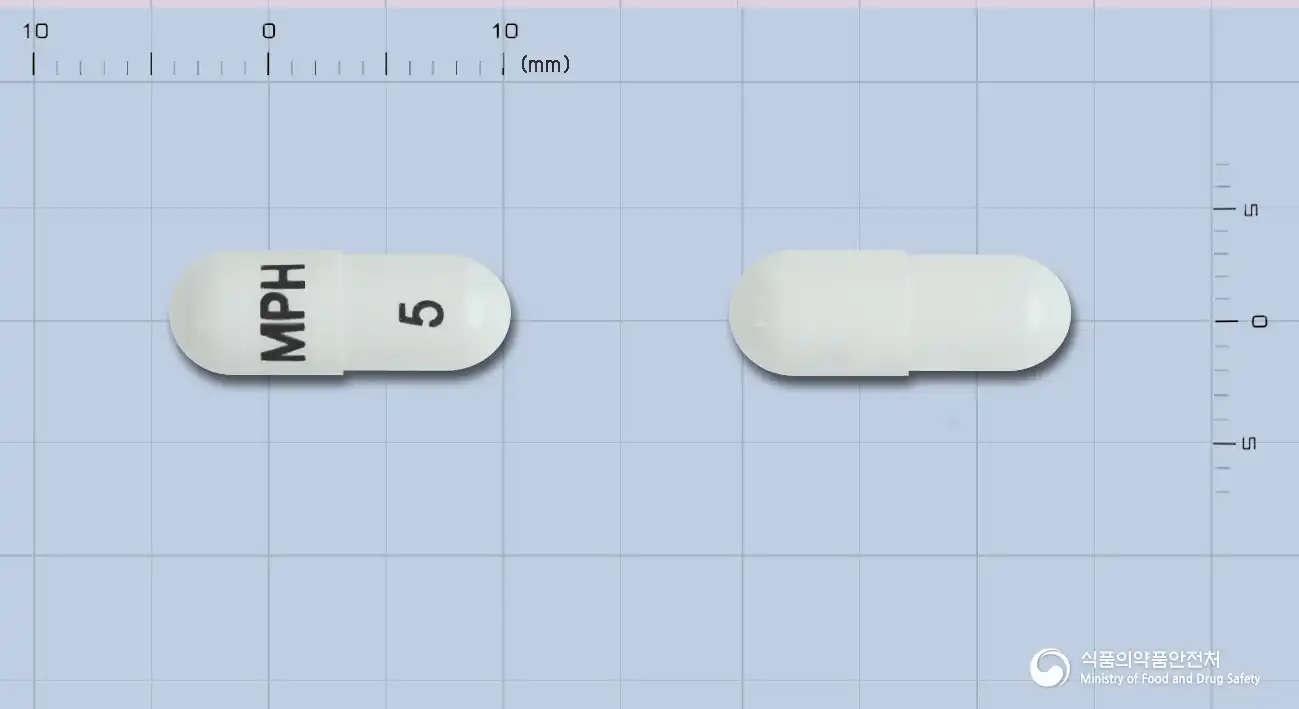
Methylphenidate Hydrochloride 2.5mg
Prescription medication
Myungjin Pharmaceutical Co., Ltd.
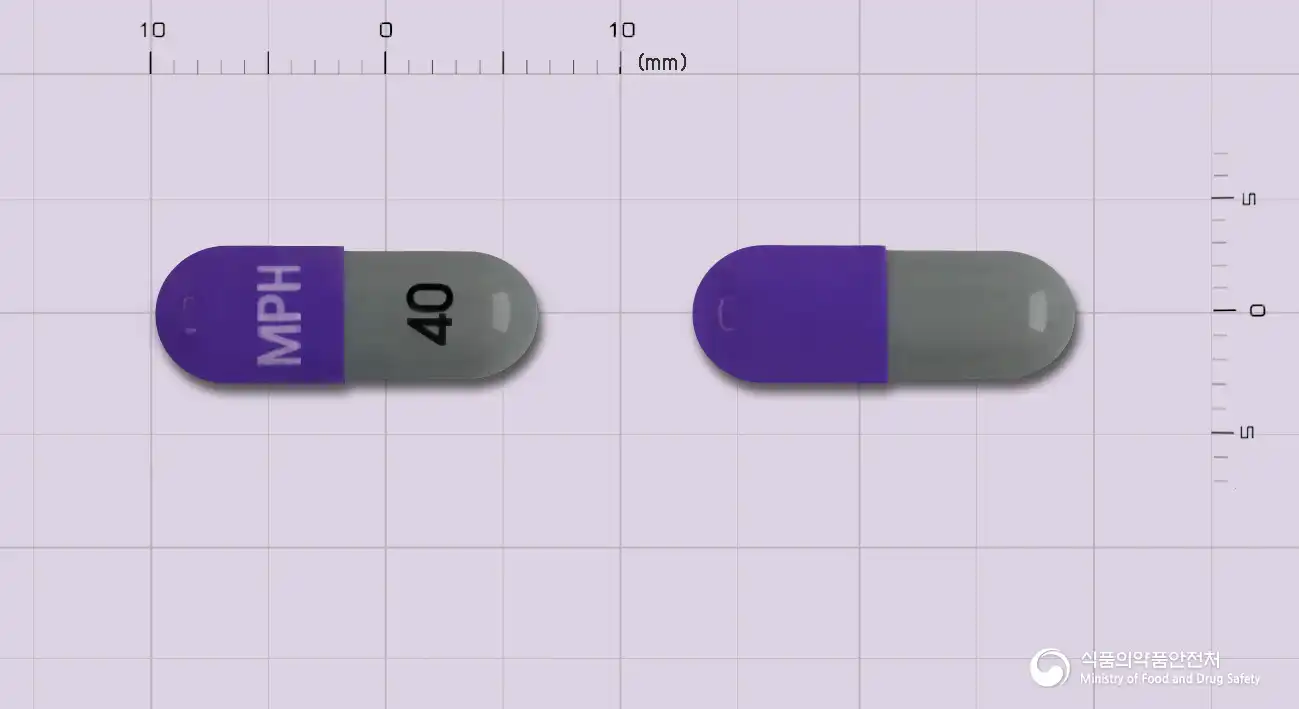
Methylphenidate Hydrochloride 20mg
Hard capsule · Prescription medication
Myungjin Pharmaceutical Co., Ltd.
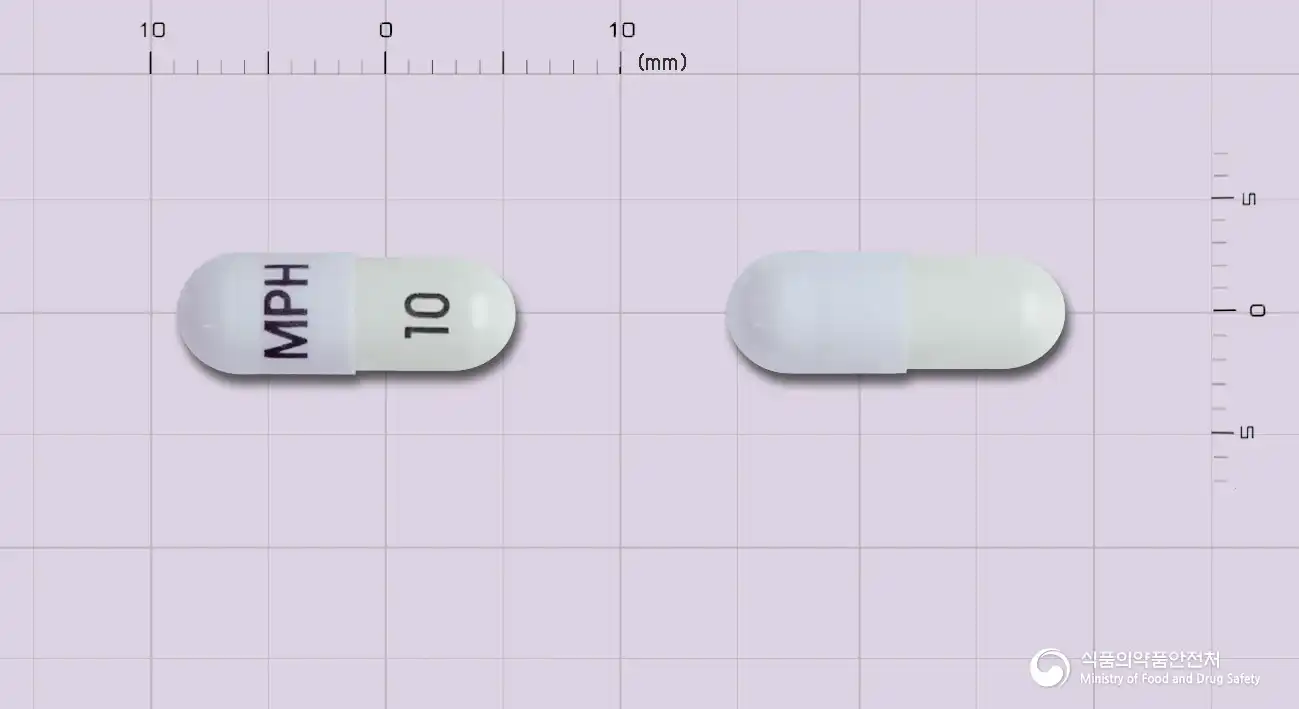
Methylphenidate Hydrochloride 5mg
Hard capsule · Prescription medication
Myeongin Pharmaceutical Co., Ltd.
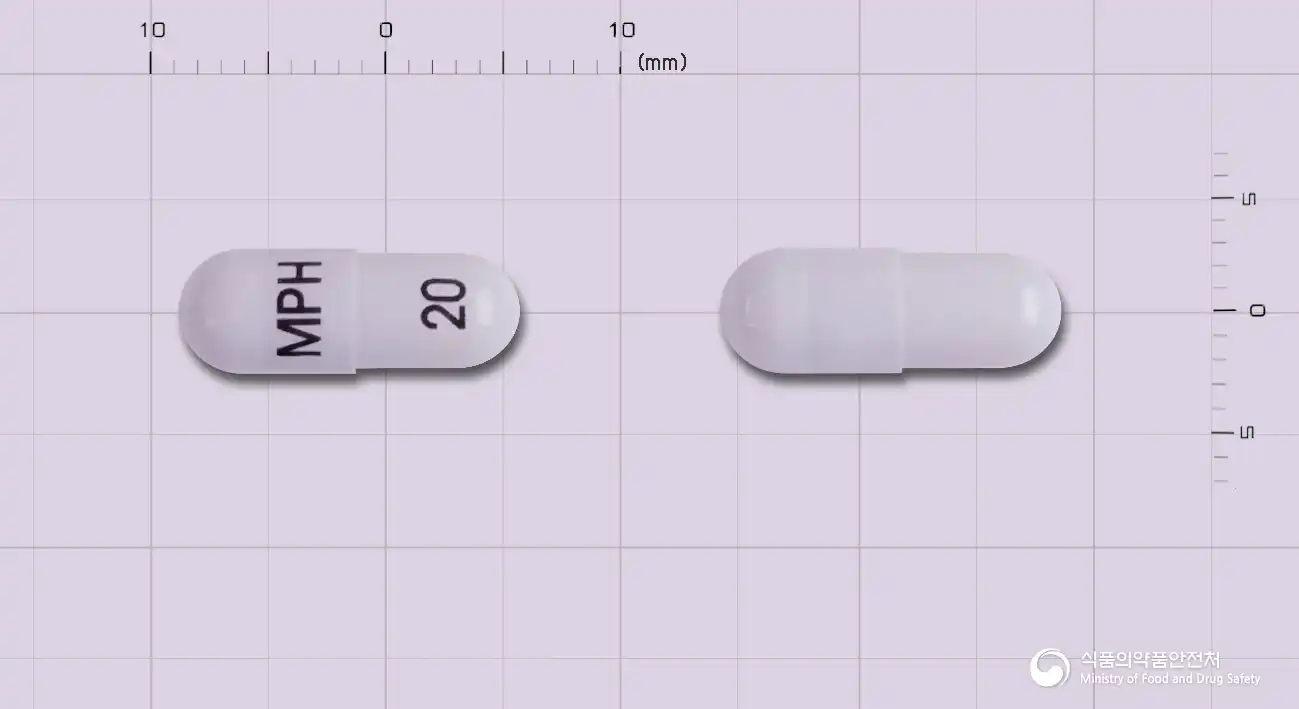
Methylphenidate Hydrochloride 10mg
Hard capsule · Prescription medication
Myungin Pharmaceutical Co., Ltd.
Even with the same ingredient, the dose and directions can differ by strength and dosage form. Talk to a doctor or pharmacist before switching from a medication you are already taking.
No questions yet.
For anything that needs medical judgment, consult a doctor or pharmacist.
This drug information is based on data provided by the Korea Ministry of Food and Drug Safety.
Consult a doctor or pharmacist for accurate dosage, administration, and usage instructions.