
 한국어
 English
 日本語
 中文(简体)
 Viewing now
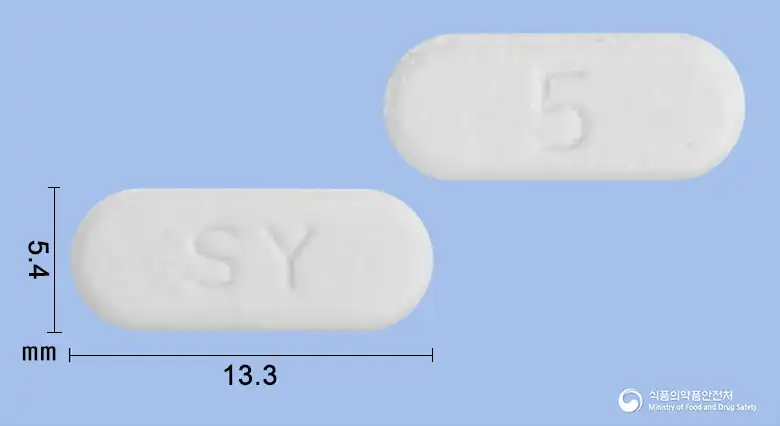
Everolimus 5 mg Tablet
Everolimus 5.1mg
Tablet · Prescription medication
Samyang Biopharm Co., Ltd.
MFDS item code 202004978 · Approved 2020.07.09 · Insurance code 622701120
Treatment of neuroendocrine tumors, cancers (including breast cancer), and tumors associated with tuberous sclerosis
This medication is used for the treatment of various types of cancer and diseases. First, it is administered in combination with exemestane for postmenopausal women with estrogen receptor-positive, HER-2 negative locally advanced or metastatic breast cancer that does not respond to non-steroidal aromatase inhibitors. It is also used to treat progressive neuroendocrine tumors (pNET) originating from the pancreas and highly differentiated non-functional neuroendocrine tumors (GI/Lung NET) occurring in the gastrointestinal tract or lungs. It is effective in patients with progressive renal cell carcinoma who have failed VEGF-targeted therapy (sunitinib or sorafenib). Additionally, it reduces the volume of subependymal giant cell astrocytomas (SEGA) associated with tuberous sclerosis (TSC) and has therapeutic effects on renal angioleiomyomas that do not require immediate surgery. This drug effectively treats complex and difficult conditions.
Take this medicine once daily at the same time each day, consistently either with food or on an empty stomach. The recommended dose for breast cancer, neuroendocrine tumors, renal cell carcinoma, and renal angiomyolipoma associated with tuberous sclerosis complex is 10 mg orally once daily. For subependymal giant cell astrocytoma (SEGA) associated with tuberous sclerosis complex, the dose is individualized based on body surface area. The starting dose is 4.5 mg/m2, and the dose is increased in increments of 2.5 mg to achieve a trough blood concentration of 5-15 ng/mL. Dose titration should take into account efficacy, safety, concomitant medications, and trough blood concentration. Blood concentration should be assessed approximately 1-2 weeks after starting treatment or changing the dose. Dose adjustment is required in patients with hepatic impairment ranging from mild to severe; administration is not recommended in patients with severe hepatic impairment.
For subependymal giant cell astrocytoma (SEGA) associated with tuberous sclerosis complex, the recommended dose of this medicine in pediatric patients 1 year of age and older is the same as for adult patients. Use is not recommended in pediatric patients under 1 year of age or in those under 18 years of age with hepatic impairment. For breast cancer, neuroendocrine tumors, renal cell carcinoma, and renal angiomyolipoma associated with tuberous sclerosis complex, safety and efficacy have not been established in children under 18 years of age. Use is not recommended in patients under 18 years of age with hepatic impairment.
This drug may cause a lung disease called non-infectious pneumonia; therefore, if symptoms such as shortness of breath, cough, or hypoxemia occur, you should inform your doctor immediately. As this drug suppresses immunity, there is an increased risk of infections. If there are symptoms of infection, prompt treatment is necessary, and in some cases, the use of the drug may need to be discontinued. Allergic reactions may occur while taking this medication; thus, if symptoms such as shortness of breath, flushing, chest pain, etc. arise, you should inform medical staff immediately. Stomatitis, which is inflammation or ulcers in the mouth, can commonly occur; it is advisable to maintain oral hygiene and avoid products containing irritating ingredients. There is a risk of decreased kidney function, so regular kidney function tests should be performed, and management should be done according to the doctor’s instructions. You should undergo regular laboratory tests to check for abnormalities in blood glucose, blood lipids, and blood counts. As this drug may interact with other medications, especially when used with certain antifungals, calcium channel blockers, or antibiotics, it is important to consult a doctor and monitor carefully. Patients with severely impaired liver function should not take this medication, and those with liver disease should take it at the discretion of their physician. During the course of this medication, live vaccinations should be avoided, and close contact with individuals who received live vaccinations should be done with caution. When used in conjunction with specific blood pressure medications, serious side effects such as angioedema may occur, so caution is warranted. Wound healing may be impaired before and after surgery; therefore, if there is a surgery planned, you should inform your doctor in advance and manage accordingly. If you have hypersensitivity to this drug or specific genetic conditions like lactose intolerance, do not take this medication. Women who are pregnant or may become pregnant should not take this medication and must use effective contraception while on treatment. Breastfeeding women should avoid breastfeeding while taking this medication and for a certain period afterward. In case of overdose, as there is no specific antidote, general supportive care should be initiated, and immediate medical attention should be sought. This medication should be kept out of reach of children and stored in its original container for safety.
This medication should be stored in a tightly closed container to prevent air and moisture exposure. The storage temperature should be maintained between 1 degree and 30 degrees and should be kept in a cool place away from direct sunlight.
White to pale yellow rectangular tablets
30 tablets/box [(10 tablets/PTP×3)]
Even with the same ingredient, strength, dosage form and how it is taken can differ.
Viewing nowEverolimus 5.1mg
Tablet · Prescription medication
Samyang Biopharm Co., Ltd.
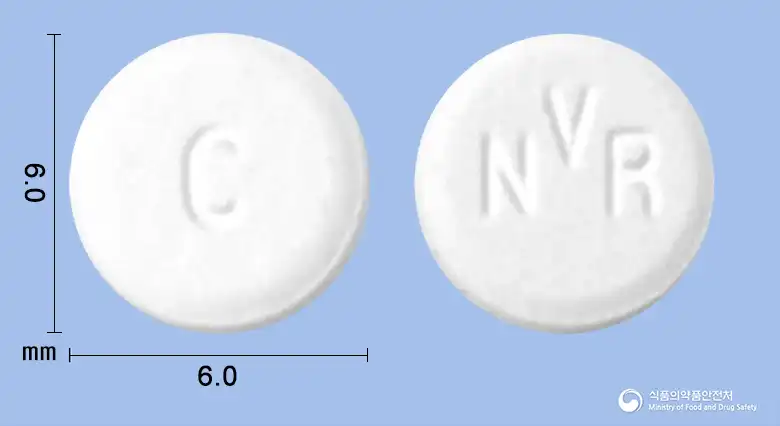
Everolimus 0.25mg
Tablet · Prescription medication
Korea Novartis Co., Ltd.
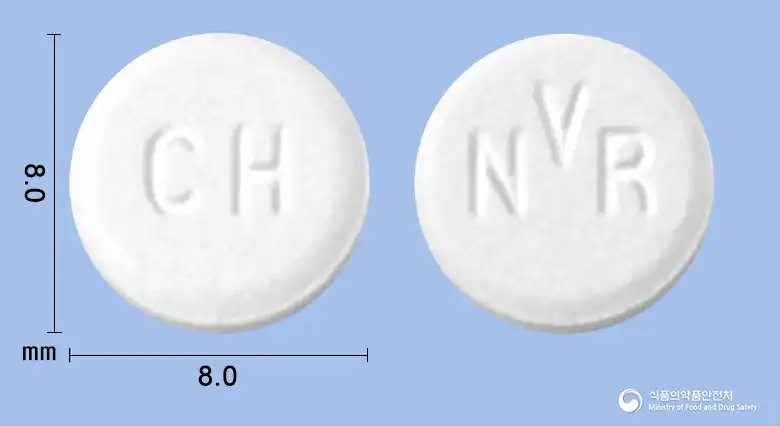
Everolimus 0.5mg
Tablet · Prescription medication
Korea Novartis Co., Ltd.
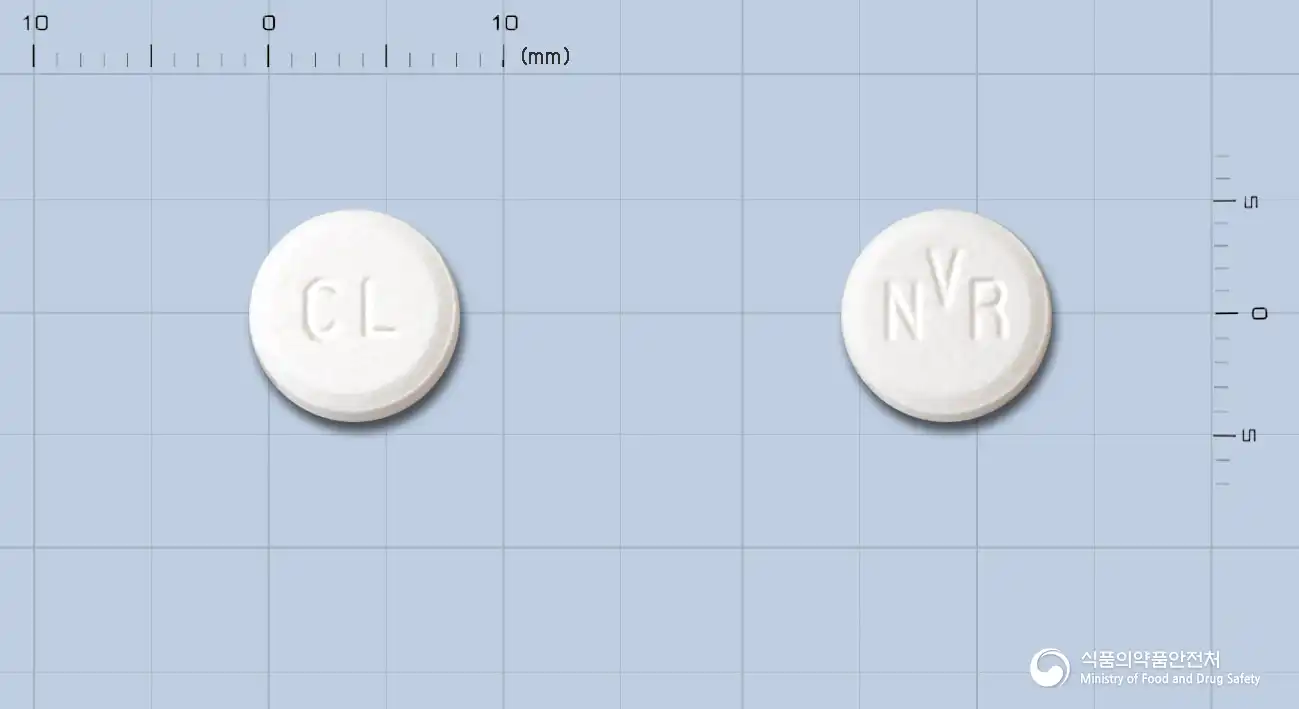
Everolimus 0.75mg
Tablet · Prescription medication
Novartis Korea Co., Ltd.
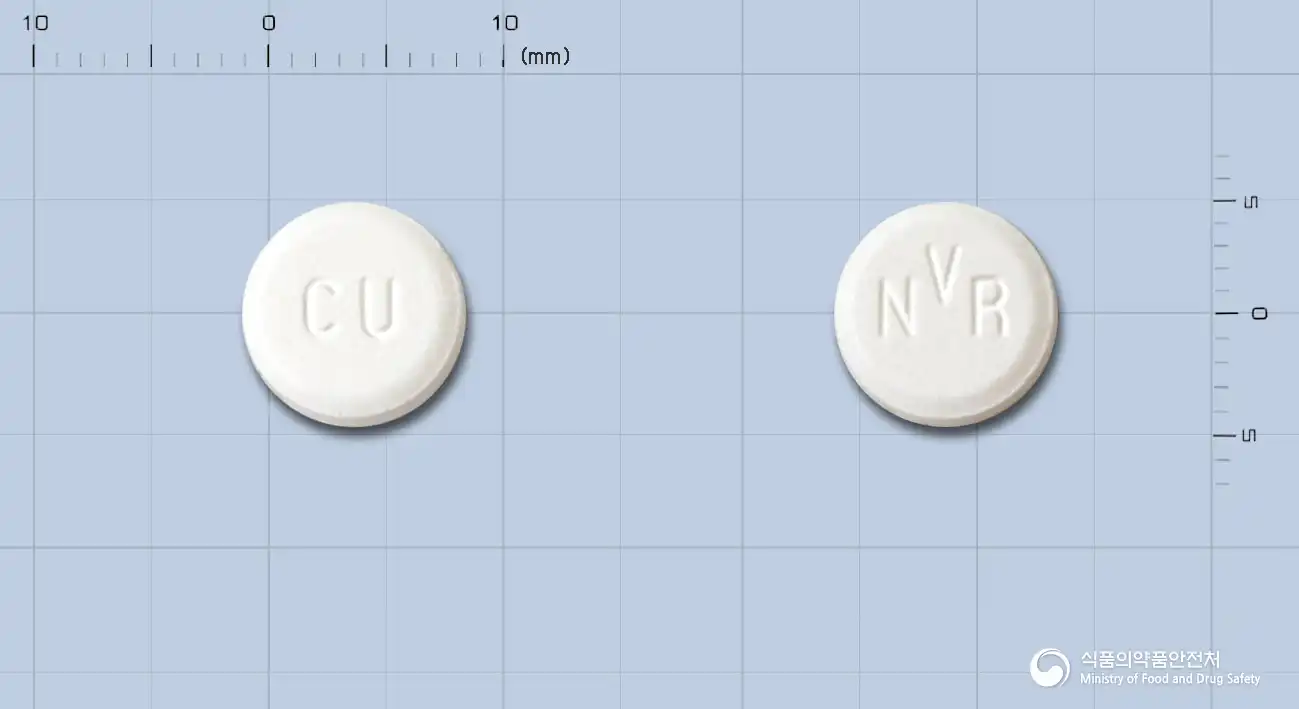
Everolimus 1mg
Tablet · Prescription medication
Novartis Korea Co., Ltd.
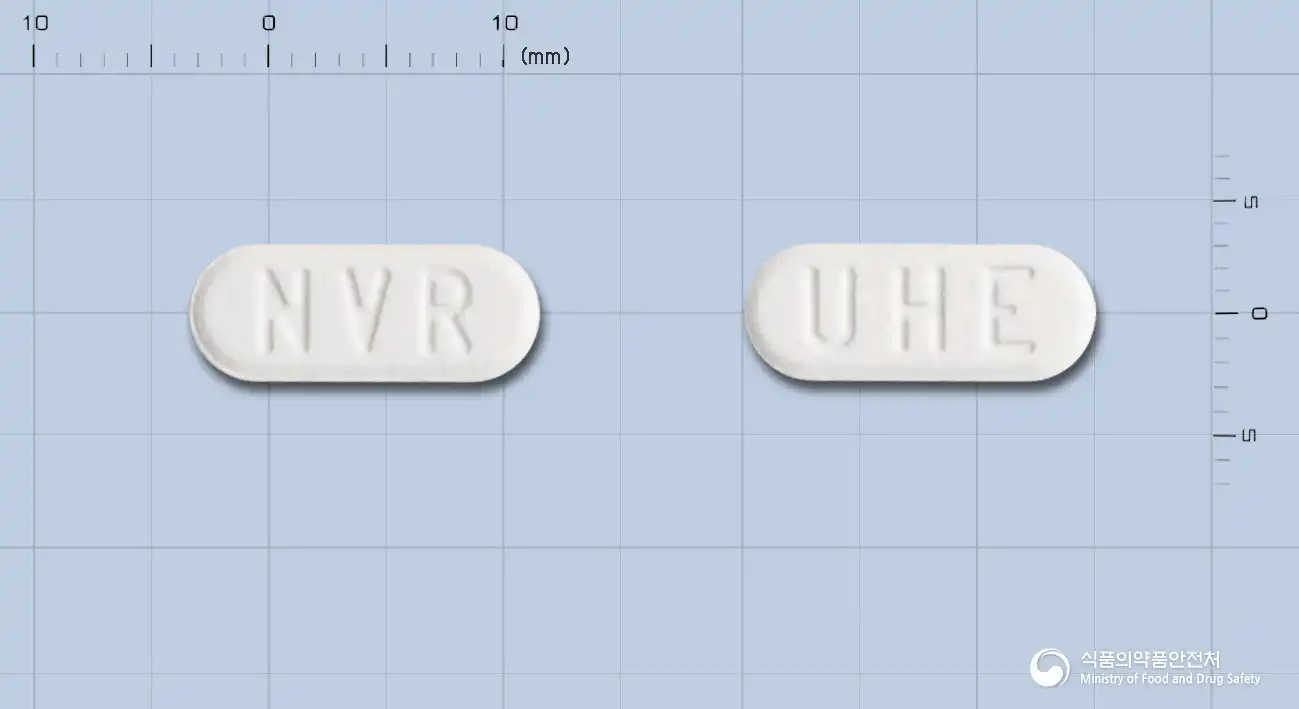
Everolimus 10mg
Tablet · Prescription medication
Novartis Korea Co., Ltd.
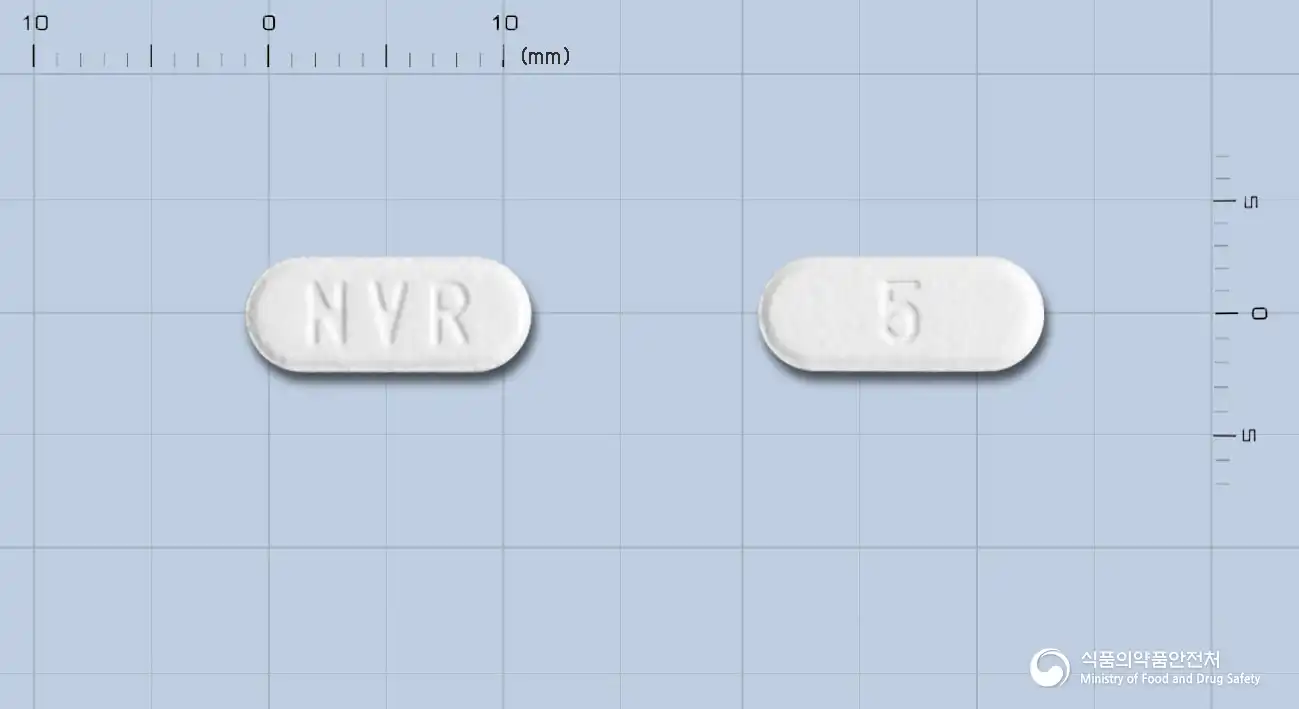
Everolimus 5mg
Tablet · Prescription medication
Novartis Korea Co., Ltd.
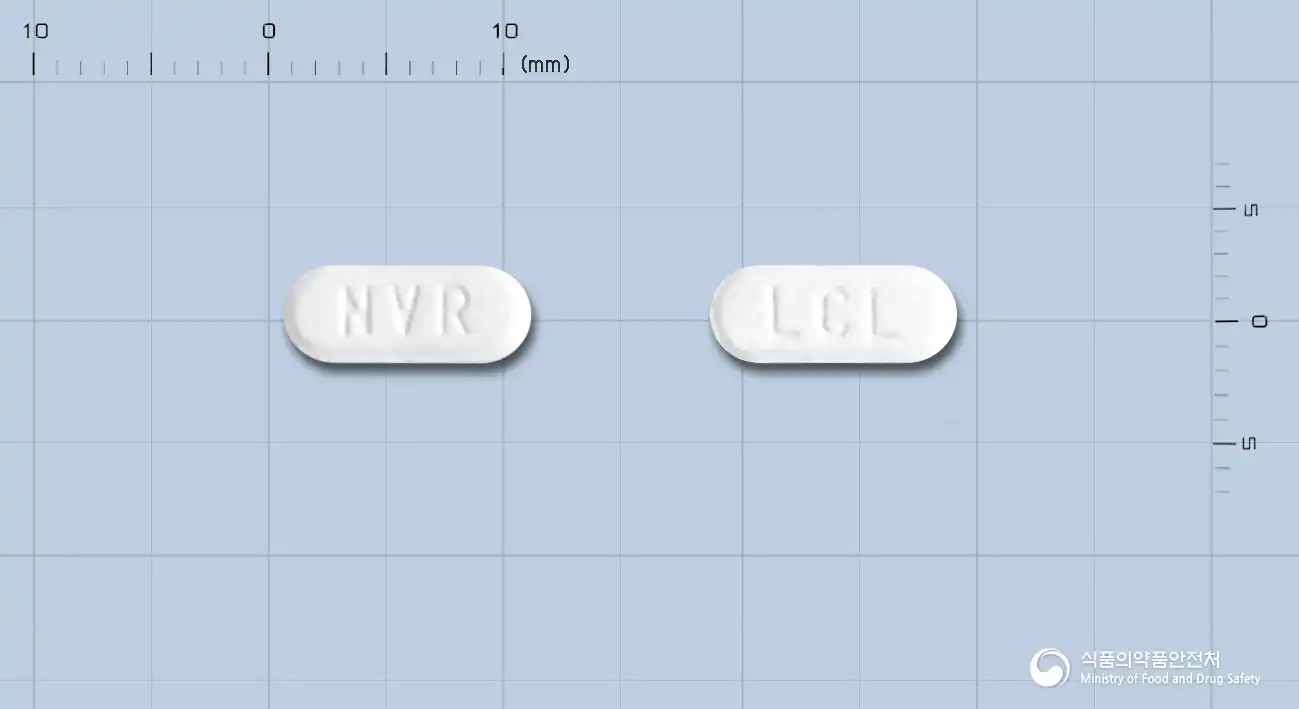
Everolimus 2.5mg
Tablet · Prescription medication
Novartis Korea Co., Ltd.
Even with the same ingredient, the dose and directions can differ by strength and dosage form. Talk to a doctor or pharmacist before switching from a medication you are already taking.
No questions yet.
For anything that needs medical judgment, consult a doctor or pharmacist.
This drug information is based on data provided by the Korea Ministry of Food and Drug Safety.
Consult a doctor or pharmacist for accurate dosage, administration, and usage instructions.