
 한국어
 English
 日本語
 中文(简体)
 Viewing now
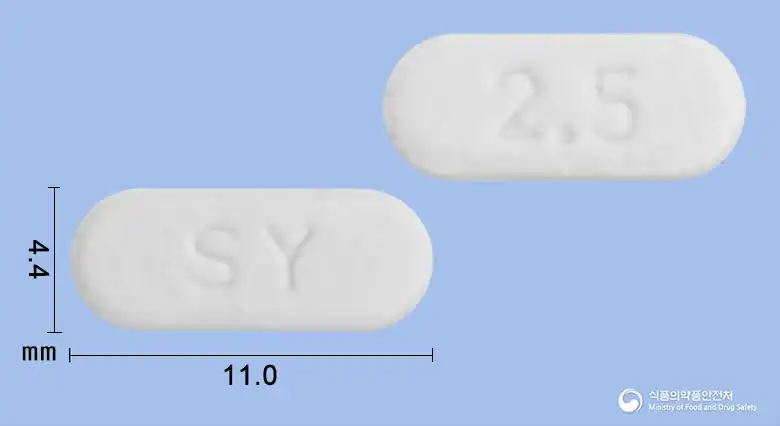
Everolimus Tablet 2.5 mg (Everolimus)
Everolimus 2.55mg
Tablet · Prescription medication
Samhyang Biopharm Co., Ltd.
MFDS item code 202004977 · Approved 2020.07.09 · Insurance code 622701100
Treats tumors associated with cancer (e.g., breast cancer and neuroendocrine tumors) and tuberous sclerosis complex
This medication is used in combination with exemestane for the treatment of locally advanced or metastatic breast cancer in postmenopausal women who are estrogen receptor-positive and HER-2 negative, and are unresponsive to non-steroidal aromatase inhibitors. It is also effective for the treatment of progressive neuroendocrine tumors of pancreatic origin and progressive non-functional neuroendocrine tumors of gastrointestinal and pulmonary origin. Additionally, it applies to progressive renal cell carcinoma after failure of treatment with sunitinib or sorafenib. It is used for the reduction of size of subependymal giant cell astrocytoma (SEGA) associated with tuberous sclerosis and for the improvement of symptoms associated with renal angiomyolipoma. Overall, this medication helps in the treatment of various types of progressive cancers and lesions associated with tuberous sclerosis.
This medication should be taken once daily at the same time each day, either consistently with food or consistently on an empty stomach. Swallow the tablet whole with a glass of water; do not chew or crush it. If swallowing the medication is difficult, place it in water (approximately 30 mL) and stir well until fully dispersed (approximately 7 minutes), then drink immediately. After drinking, rinse the cup with the same amount of water and drink all of the rinse to take the full dose. Treatment should continue as long as clinical benefit is observed or until unacceptable toxicity occurs. Breast cancer, neuroendocrine tumors, renal cell carcinoma, and renal angiomyolipoma associated with tuberous sclerosis complex (TSC): The recommended dose of this medication for adult patients is 10 mg orally once daily. Subependymal giant cell astrocytoma (SEGA) associated with tuberous sclerosis complex (TSC): The dose is individualized based on body surface area (Body Surface Area; BSA, m2), using the Dubois formula. (W; body weight (kg), H; height (cm)) BSA = (W0.425 x H0.725) x 0.007184 The recommended starting dose of this medication for treatment of patients with SEGA associated with TSC is 4.5 mg/m2. (Administer the nearest dose (n) tablets.) Tablets of this medication at different strengths may be combined to achieve the total dose. The dose should be titrated to achieve a trough blood concentration of 5-15 ng/mL. The dose should be titrated in increments of 2.5 mg to achieve a trough blood concentration that provides an optimal clinical response. When titrating the dose, consider efficacy, safety, concomitant medications, and the current trough blood concentration. Dose titration can be calculated using a simple proportion: New everolimus dose = current dose x (target concentration/current concentration) For example, if a patient with a steady-state concentration of 4 ng/mL based on current BSA is receiving a dose of 2.5 mg, the new everolimus dose to achieve a trough concentration of at least 5 ng/mL (e.g., 8 ng/mL) is 5 mg (an increase of 2.5 mg from the current daily dose). The trough blood concentration should be assessed within 1-2 weeks after a dose change. If the changed dose is not a multiple of 2.5 mg, administer the nearest dose. The total blood concentration of everolimus should be assessed approximately 1-2 weeks after starting treatment or changing the dose. Assess SEGA volume approximately 3 months after starting this medication, and adjust the dose based on changes in SEGA volume, the corresponding trough blood concentration, and tolerability. Once a stable dose has been achieved, monitor the trough blood concentration every 3-6 months in patients whose body surface area has changed, and every 6-12 months in patients whose body surface area is stable. Adverse reactions: If severe or intolerable adverse drug reactions occur, temporary dose reduction or interruption of treatment may be necessary. If dose reduction is required, approximately 50% of the previously administered dose is recommended. If the dose is reduced to below the lowest dose of one tablet of this medication, consider administering it every 2 days. Elderly patients (65 years of age or older): No dose adjustment is required for elderly patients. Patients with renal impairment: No dose adjustment is required for patients with renal impairment. Patients with hepatic impairment—breast cancer, neuroendocrine tumors, renal cell carcinoma, and renal angiomyolipoma associated with tuberous sclerosis complex (TSC): Mild hepatic impairment (Child-Pugh A): The recommended dose is 7.5mg daily. If not tolerated, the dose may be reduced to 5mg. Moderate hepatic impairment (Child-Pugh B): The recommended dose is 5mg daily. If not tolerated, the dose may be reduced to 2.5mg. Severe hepatic impairment (Child-Pugh C): Administration is not recommended. Administer only if the therapeutic benefit outweighs the risk, and do not exceed 2.5mg daily. The dose should be adjusted if the patient's hepatic status (Child-Pugh) changes during treatment. Patients with hepatic impairment—subependymal giant cell astrocytoma (SEGA) associated with tuberous sclerosis complex (TSC), patients 18 years of age or older: Mild hepatic impairment (Child-Pugh A): The recommended dose is 75% of the dose calculated based on BSA. (Administer the nearest dose (1 tablet).) Moderate hepatic impairment (Child-Pugh B): The recommended dose is 50% of the dose calculated based on BSA. (Administer the nearest dose (1 tablet).) Severe hepatic impairment (Child-Pugh C): Administration is not recommended. The total blood trough concentration of everolimus should be measured 1 - 2 weeks after starting treatment or after a change in hepatic status (Child-Pugh). The dose should be titrated to achieve a trough concentration of 5-15ng/mL. The dose should be adjusted if the patient's hepatic status (Child-Pugh) changes during treatment.
Breast cancer, neuroendocrine tumors, renal cell carcinoma, and renal angiomyolipoma associated with tuberous sclerosis complex (TSC): The safety and efficacy of this medicine have not been established in pediatric patients under 18 years of age. Subependymal giant cell astrocytoma (SEGA) associated with TSC, pediatric patients 1 year of age and older: The recommended dose of this medicine is the same as for adult patients. Patients under 1 year of age with SEGA associated with TSC: This medicine has not been studied; therefore, its use is not recommended. Patients under 18 years of age with SEGA associated with TSC and hepatic impairment: This medicine is not recommended.
This medication belongs to the class of rapamycin derivatives and may cause pulmonary-related side effects, such as non-infectious pneumonia. If symptoms such as shortness of breath, cough, or hypoxemia occur, inform a physician immediately, and if symptoms are moderate or severe, discontinuation or dosage reduction should occur. This medication may suppress the immune system, increasing the susceptibility to various infections, including bacterial, fungal, and viral infections. Rapid treatment should be received if symptoms of infection arise, and discontinuation of medication is necessary in cases of severe fungal infection. An allergic reaction may occur, including anaphylaxis, shortness of breath, and angioedema, so caution is warranted. Oral mucositis is common, and sores or inflammation may develop in the oral mucosa, so avoid irritating oral antiseptics. It can affect kidney function, thus regular renal function tests should be performed along with monitoring of blood glucose and lipids. This medication can interact with various drugs, particularly those affecting or affected by the CYP3A4 and PgP enzymes, so caution is required when combined. Usage during pregnancy may pose risks to the fetus, so it should be avoided; and in breastfeeding, nursing should be discontinued for 2 weeks after taking this medicine. Women of childbearing potential must use effective contraception for the duration of treatment and for 8 weeks after. In cases of overdose, supportive care is generally needed, and storage should be in the original container and out of reach of children. This medication may affect wound healing post-operatively, so consult healthcare professionals regarding its use before and after surgery.
Non-infectious pneumonia, hypoxemia, pleural effusion, cough, dyspnea, pneumonia, bacterial infection, aspergillosis, candidiasis, pneumocystis pneumonia, viral infection, hypersensitivity reaction, anaphylaxis, flushing, chest pain, vascular edema, stomatitis, oral ulcer, oral mucositis, renal failure, elevated serum creatinine, proteinuria, hyperglycemia, hypercholesterolemia, hypertriglyceridemia, hypophosphatemia, diabetes, insomnia, taste disorder, headache, congestive heart failure, bleeding, hypertension, deep vein thrombosis, epistaxis, hemoptysis, pulmonary embolism, acute respiratory distress syndrome, diarrhea, nausea, vomiting, dry mouth, abdominal pain, oral pain, dyspepsia, dysphagia, rash, pruritus, dry skin, nail disorders, acne, erythema, hand-foot syndrome, angioedema, arthralgia, increased daytime urination, acute renal failure, menstrual irregularities, amenorrhea, fatigue, asthenia, peripheral edema, fever, mucosal inflammation, non-cardiac chest pain, wound healing deficiency, weight loss, increased aspartate aminotransferase (AST), increased alanine aminotransferase (ALT), increased serum creatinine, hematological abnormalities, pancytopenia, pure red cell aplasia, immune system disorders, decreased appetite, loss of taste, thrombocytopenia, neutropenia, lymphocytopenia, leukopenia, increased blood lactate dehydrogenase, increased serum luteinizing hormone, increased serum follicle-stimulating hormone, aggression, irritability, lymphedema, rhabdomyolysis, menorrhagia, ovarian cysts, vaginal bleeding, delayed menstruation, angioedema, bronchitis, leg pain, hypercalcemia, hyponatremia, leukocytosis, hypothyroidism, melena, ocular bleeding, duodenal ulcer bleeding, skin ulcers, hematuria, sore throat, cheilitis, azotemia, skin lesions, sensory disturbances, sensory loss, urticaria, dizziness, hyperpigmentation of the skin, skin toxicity, confusion state, hypothyroidism, deterioration of health, convulsions, hyperuricemia, myalgia, eyelid edema, paralysis, peripheral neuropathy, epigastric discomfort, decreased glomerular filtration rate, blurred vision, heart failure, facial edema, otitis externa, communication disorders, generalized edema, rhinitis, chapped lips, pulmonary edema, decreased serum sodium, decreased serum albumin, increased serum creatinine
Not everyone experiences these, and they can vary from person to person.
This medication should be stored in a tightly sealed container to prevent air or moisture from entering. Additionally, maintain a temperature between 1 degree and 30 degrees and protect from direct sunlight.
White to light yellow oblong tablet
30 tablets/box [(10 tablets/PTP×3)]
Even with the same ingredient, strength, dosage form and how it is taken can differ.
Viewing nowEverolimus 2.55mg
Tablet · Prescription medication
Samhyang Biopharm Co., Ltd.
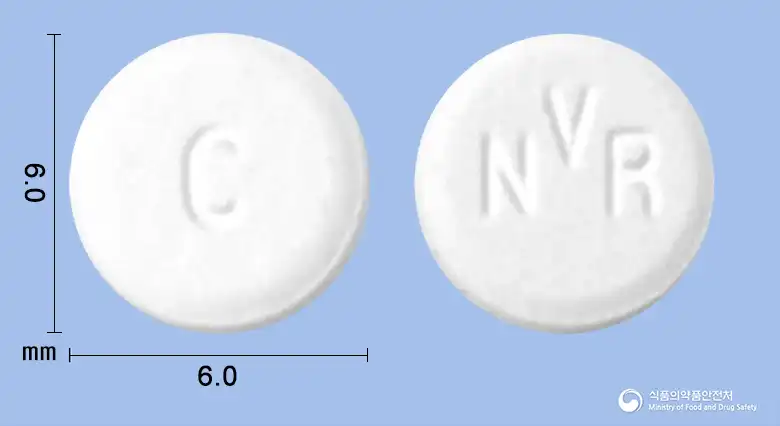
Everolimus 0.25mg
Tablet · Prescription medication
Korea Novartis Co., Ltd.
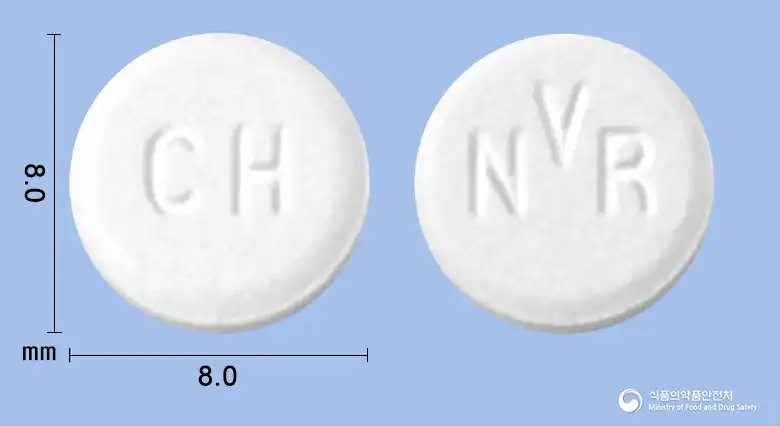
Everolimus 0.5mg
Tablet · Prescription medication
Korea Novartis Co., Ltd.
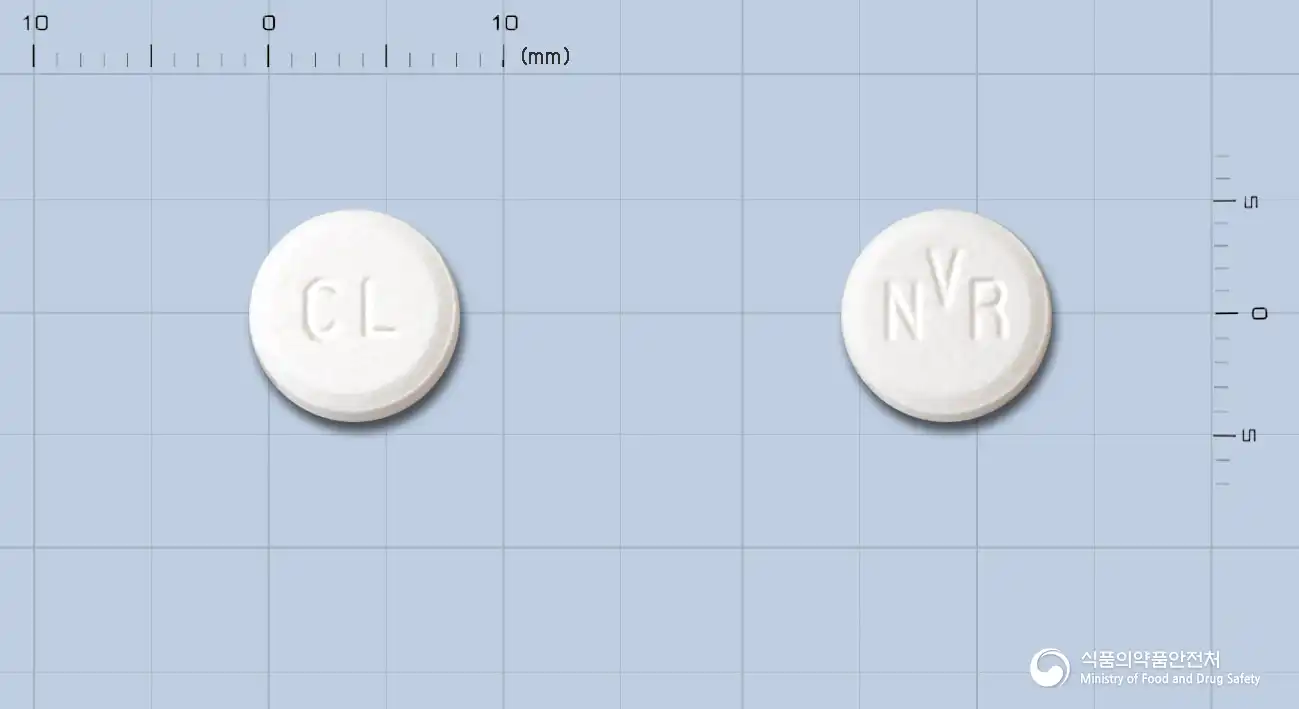
Everolimus 0.75mg
Tablet · Prescription medication
Novartis Korea Co., Ltd.
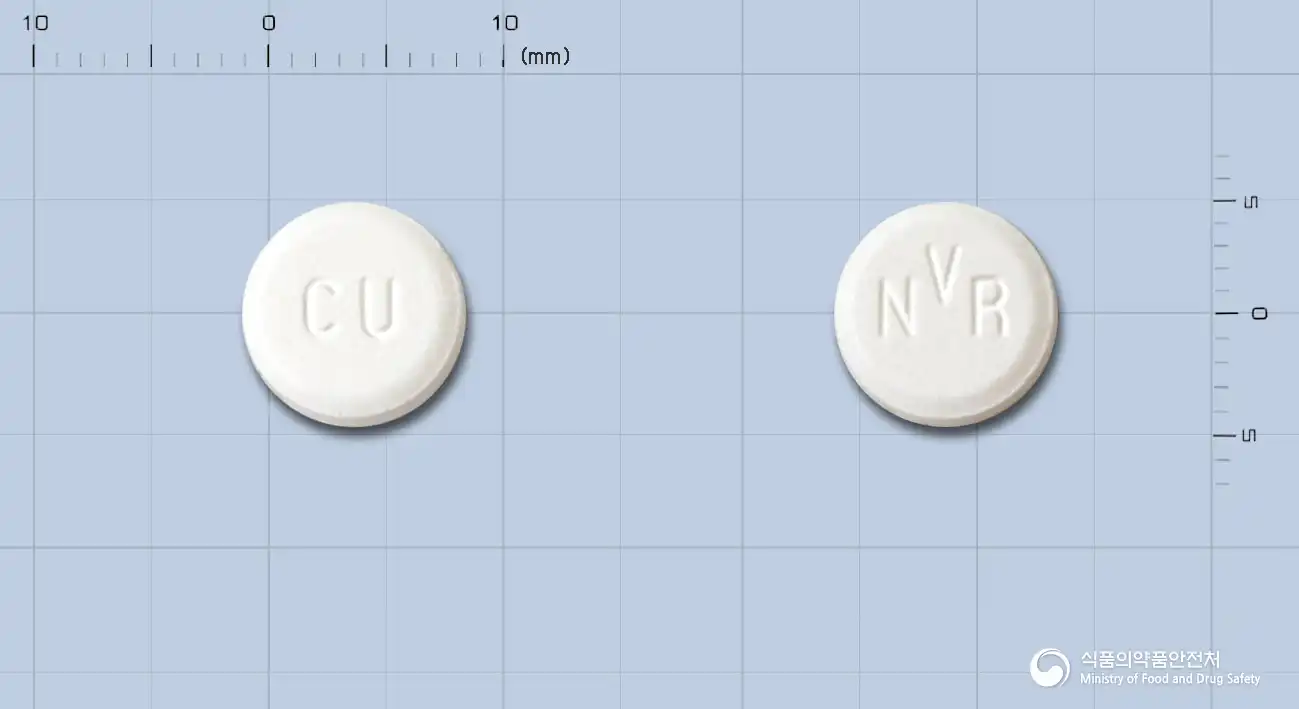
Everolimus 1mg
Tablet · Prescription medication
Novartis Korea Co., Ltd.
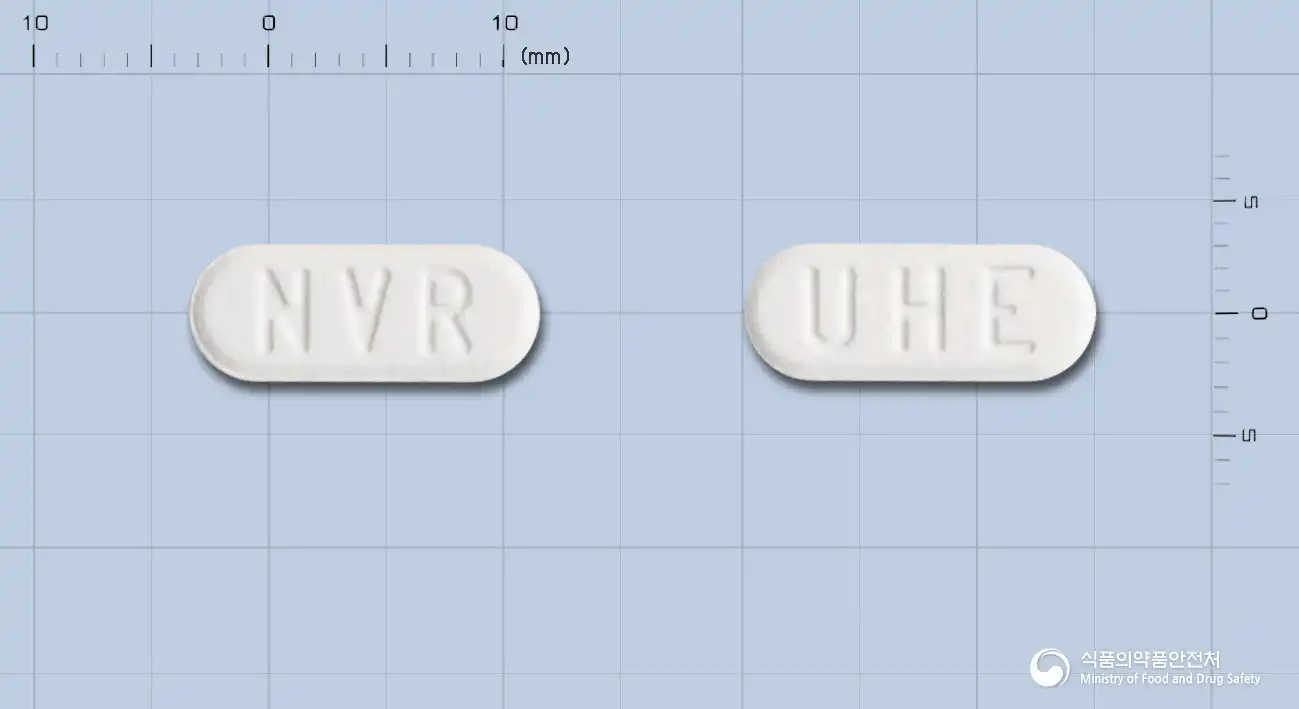
Everolimus 10mg
Tablet · Prescription medication
Novartis Korea Co., Ltd.
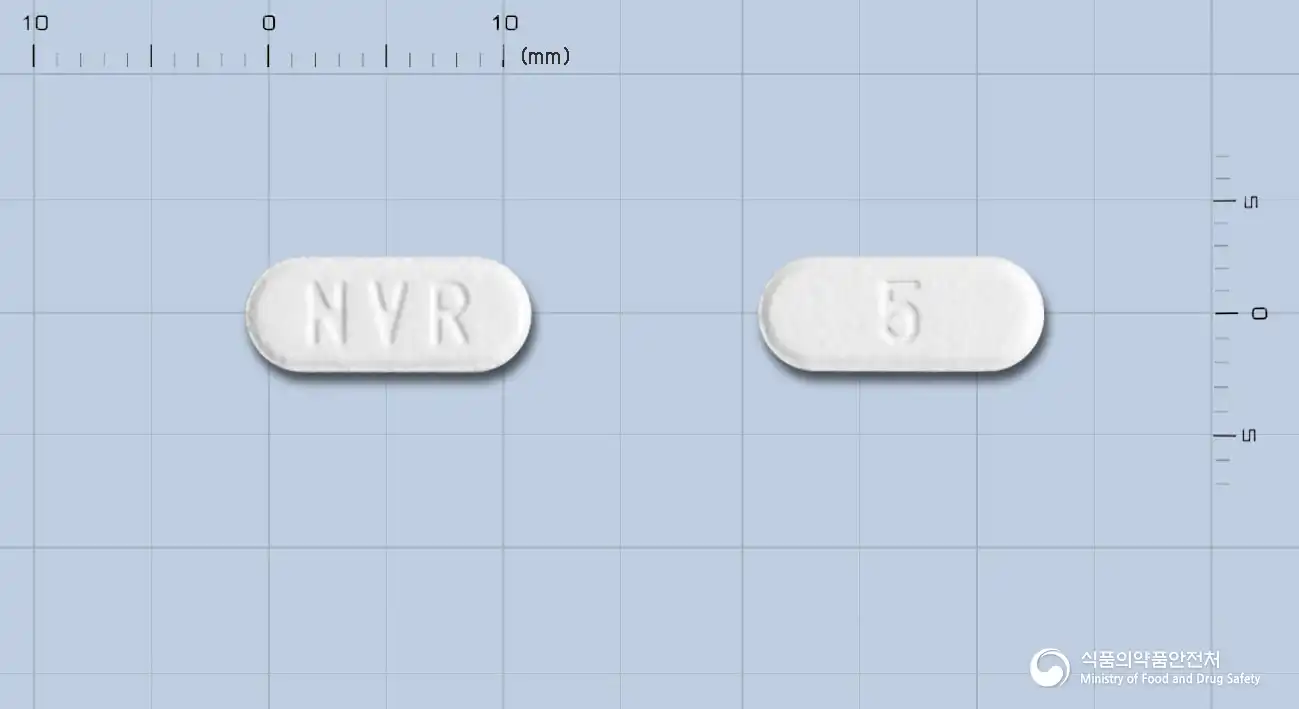
Everolimus 5mg
Tablet · Prescription medication
Novartis Korea Co., Ltd.
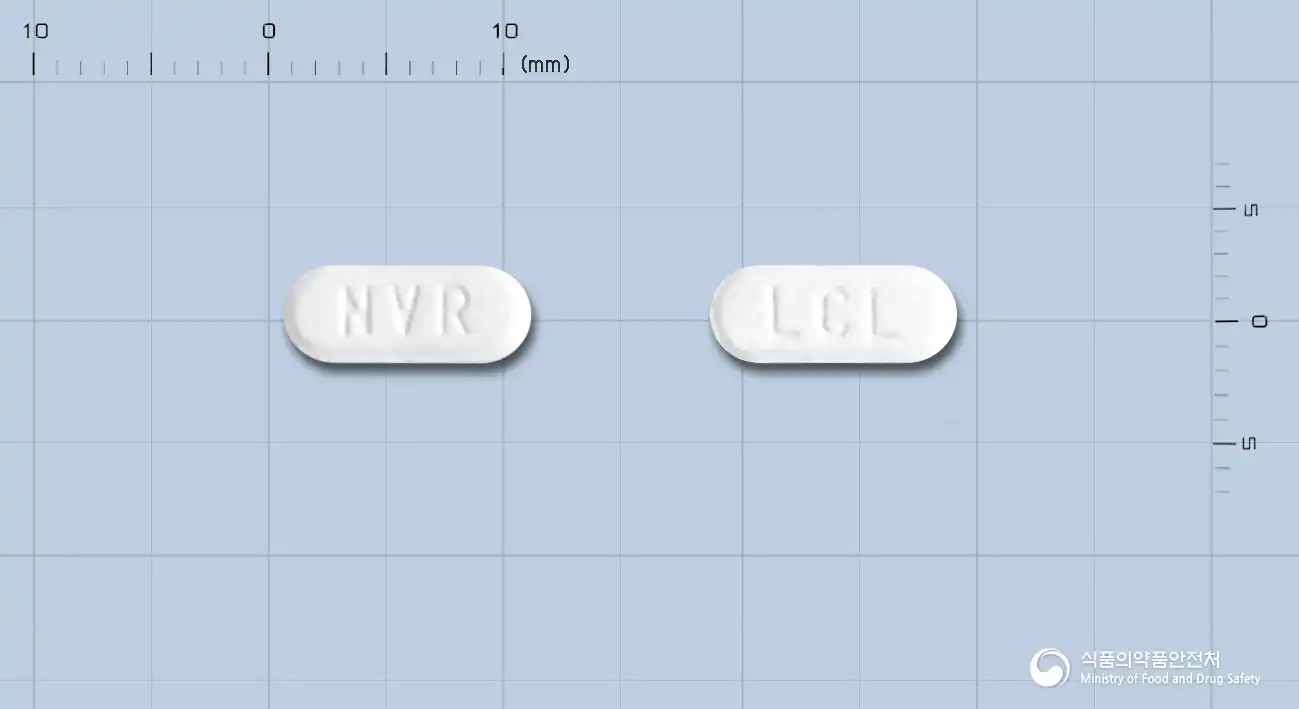
Everolimus 2.5mg
Tablet · Prescription medication
Novartis Korea Co., Ltd.
Even with the same ingredient, the dose and directions can differ by strength and dosage form. Talk to a doctor or pharmacist before switching from a medication you are already taking.
No questions yet.
For anything that needs medical judgment, consult a doctor or pharmacist.
This drug information is based on data provided by the Korea Ministry of Food and Drug Safety.
Consult a doctor or pharmacist for accurate dosage, administration, and usage instructions.