
 한국어
 English
 日本語
 中文(简体)
 Viewing now
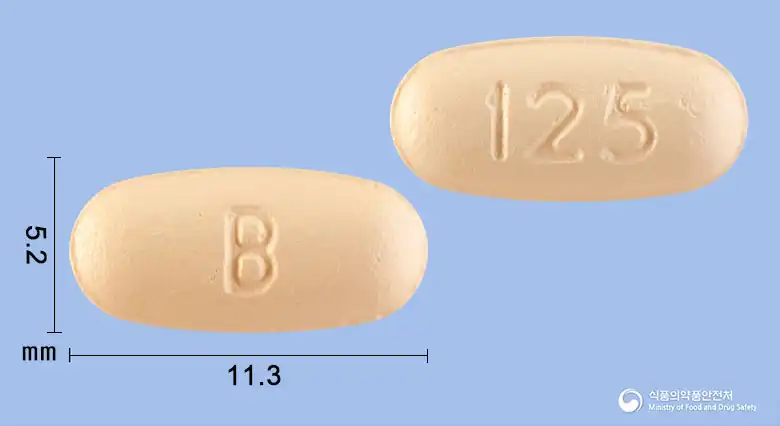
Canavosen 125 mg (Bosentan Hydrate (Unmodified))
Bosentan Hydrate 129.082mg
Tablet · Prescription medication
PharmaScience Korea Co., Ltd.
MFDS item code 202004778 · Approved 2020.06.30 · Insurance code 627600240
Improvement of symptoms and delay of worsening of pulmonary arterial hypertension; prevention of systemic sclerosis-related digital ulcers
This medication improves exercise capacity and symptoms in patients with pulmonary arterial hypertension, particularly in those with moderate to severe conditions. It also plays a role in delaying the worsening of the disease. Moreover, it reduces the new occurrences of ulcers on hands and feet related to systemic sclerosis, thereby contributing to an improved quality of life. These benefits are utilized to enhance the health status of patients.
<Pulmonary arterial hypertension> Treatment should be initiated and monitored by a physician experienced in treating patients with pulmonary arterial hypertension. The dose should be adjusted as appropriate according to the patient's symptoms, tolerability, and other factors. The initial dose is 62.5mg twice daily for the first 4 weeks of treatment. From week 5 onward, the maintenance dose is 125mg twice daily. This medicine should be taken in the morning and evening, with or without food. The risk of liver injury increases at doses exceeding 250mg per day. <Active digital ulcers associated with systemic sclerosis> Treatment should be initiated and monitored by a physician experienced in treating systemic sclerosis. The initial dose is 62.5mg twice daily for the first 4 weeks of treatment, followed by a maintenance dose of 125mg twice daily. This medicine should be taken in the morning and evening, with or without food. The treatment period in clinical trials conducted for this indication was 6 months. The patient's response to treatment and whether treatment should continue should be reevaluated regularly. In view of the hepatotoxicity of this medicine, the benefits should be carefully weighed against the risks. <Special populations> *Dosage adjustment and monitoring for abnormal aminotransferase levels Liver enzyme level (ALT/AST level) Recommended treatment and monitoring 3 x ULN < liver enzyme level ≤ 5 x ULN If repeat aminotransferase testing confirms an abnormal result, reduce the daily dose or discontinue treatment and monitor aminotransferase levels every 2 weeks. If aminotransferase levels return to pretreatment levels, continue treatment or restart treatment with an appropriate regimen. 5 x ULN < liver enzyme level ≤ 8 x ULN If repeat aminotransferase testing confirms an abnormal result, discontinue treatment and monitor aminotransferase levels every 2 weeks. If aminotransferase levels return to pretreatment levels, restart treatment with an appropriate regimen. > 8 x ULN Treatment must be discontinued, and this medicine must not be administered again. ※ULN (Upper Limits of Normal) If treatment with this medicine is restarted, begin again at the initial dose. Check AST and ALT values within 3 days after administration and again after 2 weeks, then administer the medicine with reference to the dosage regimen and timing of liver function tests described above. If elevated aminotransferase levels are accompanied by clinical symptoms of liver injury (e.g., nausea, vomiting, fever, abdominal pain, jaundice, lethargy, malaise, or fatigue) and elevated bilirubin (≥ 2 x ULN), treatment must be discontinued. ㆍ Women of childbearing potential Perform a pregnancy test before administering this medicine. Administer it only if the test is confirmed negative and the patient is using an appropriate method of contraception. Women of childbearing potential receiving this medicine should have a pregnancy test every month. (See the Warnings section of Precautions for Use.) ㆍ Patients with renal impairment No dose adjustment is necessary for patients with renal impairment. ㆍ Patients with hepatic impairment No dose adjustment is necessary for patients with mild hepatic impairment, but use with caution. This medicine must not be administered to patients with moderate to severe hepatic impairment. ㆍ Elderly patients There is insufficient clinical experience with use in elderly patients aged 65 years or older. As physiological function is generally reduced in elderly patients, use caution when selecting the dose. ㆍ Low-weight patients Systemic sclerosis with active digital ulcers: Experience in patients weighing less than 40kg is limited. <Treatment discontinuation> Experience with abrupt discontinuation of this medicine is limited. No acute rebound effects have been observed; however, gradual dose reduction should be considered to prevent clinical worsening due to potential rebound effects (reduce the dose to 1/2 over 3~7 days). Careful monitoring is recommended during the period of discontinuation. If discontinuation of this medicine is decided, it should be withdrawn gradually while alternative treatment is initiated.
Pulmonary arterial hypertension: Safety and efficacy have not been established in children under 12 years of age. Pulmonary arterial hypertension: For patients (12 years of age or older) weighing less than 40kg, an initial and maintenance dose of 62.5mg twice daily is recommended. Active digital ulcers associated with systemic sclerosis: No data are available on safety and efficacy in patients under 18 years of age. Systemic sclerosis with active digital ulcers: Experience in patients weighing less than 40kg is limited.
This medication can cause liver damage, so liver function tests should be conducted before starting treatment and at least once a month thereafter. It is particularly recommended to check liver enzyme levels every two weeks during the first three months. If liver enzyme levels exceed the normal range or symptoms of liver damage occur, the dosage should be reduced or the medication discontinued. Women who are pregnant or may become pregnant should not take this medication and should undergo regular pregnancy tests before and during use. Additionally, this medication may reduce the effectiveness of hormonal contraceptives, so alternative reliable contraceptive methods should be used together. Caution is also advised when taking this medication with certain other drugs, as drug interactions may increase the risk of side effects or reduce effectiveness; therefore, one must consult a doctor or pharmacist if taking other medications. Patients with low blood pressure should exercise greater caution while taking this medication and it is safe to take only when systolic blood pressure is above 85 mmHg. Headaches, edema, fatigue, dyspepsia, and other side effects may occur while taking this medication, so persistent abnormal symptoms should be reported to healthcare professionals. Serious side effects such as liver dysfunction, anemia, and hypotension may occur, necessitating regular blood tests and health checks. This medication has not been established as safe for children, particularly newborns and infants, and care should be taken when administering to minors. Overdosage may result in severe hypotension, dizziness, and vomiting, so prescribed dosages and intervals must be strictly adhered to. This medication should be kept out of children's reach and stored in its original container; transferring into another container may reduce its quality.
Not everyone experiences these, and they can vary from person to person.
This medication should be stored in a tightly sealed container to protect it from air or moisture. It is best to maintain the storage temperature between 1 and 30 degrees Celsius at room temperature.
Pale apricot-colored oval film-coated tablet
60 tablets/box [(15 tablets/PTP x 4)]
Even with the same ingredient, strength, dosage form and how it is taken can differ.
Viewing nowBosentan Hydrate 129.082mg
Tablet · Prescription medication
PharmaScience Korea Co., Ltd.
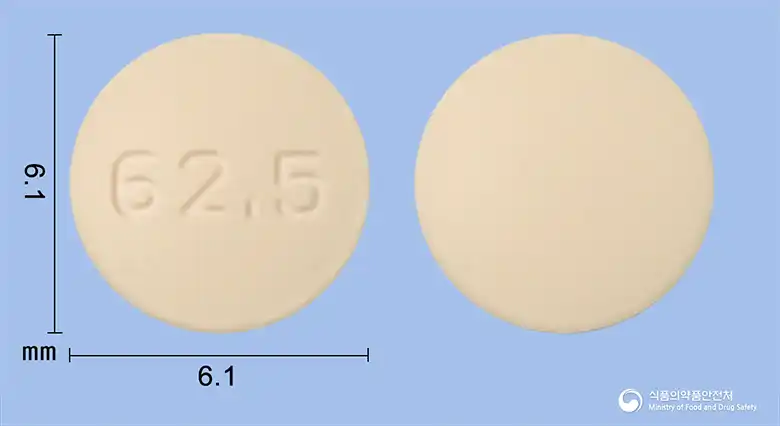
Bosentan Hydrate 64.541mg
Tablet · Prescription medication
(Co., Ltd.) Janssen Korea
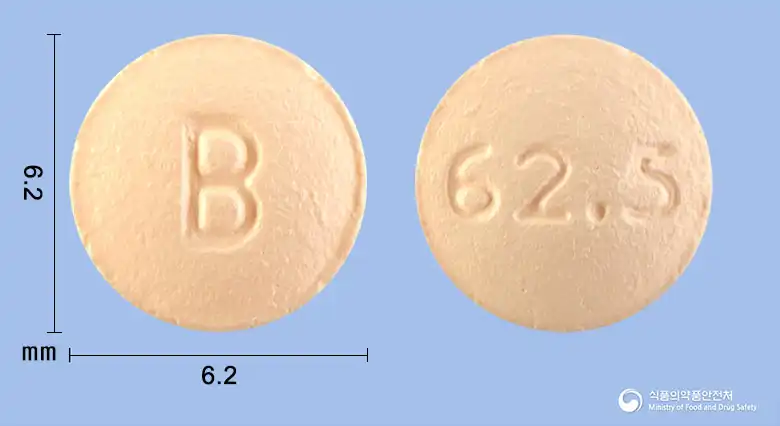
Bosentan Hydrate 64.541mg
Tablet · Prescription medication
PharmaScience Korea Co., Ltd.
Even with the same ingredient, the dose and directions can differ by strength and dosage form. Talk to a doctor or pharmacist before switching from a medication you are already taking.
No questions yet.
For anything that needs medical judgment, consult a doctor or pharmacist.
This drug information is based on data provided by the Korea Ministry of Food and Drug Safety.
Consult a doctor or pharmacist for accurate dosage, administration, and usage instructions.