
 한국어
 English
 日本語
 中文(简体)
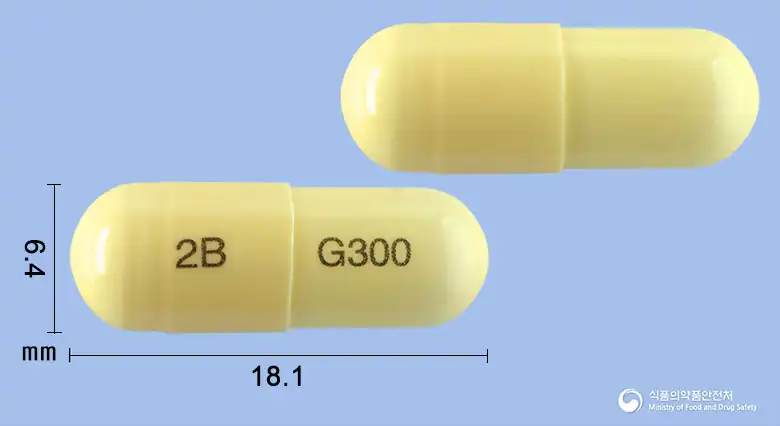 Viewing now
Gabapentin 300 mg Capsule
Gabapentin 300mg
Hard capsule · Prescription medication
Boryung Biopharma Co., Ltd.
MFDS item code 202003992 · Approved 2020.05.28 · Insurance code 670502190
Relief of neuropathic pain and treatment of epilepsy (partial seizures)
This medication is used for the treatment of epilepsy, particularly effective for simple or complex partial seizures occurring in adolescents aged 13 years and older or adults. It is also used as an adjunct therapy for partial seizures in children aged 3 years and older or adults. Additionally, it helps alleviate neuropathic pain. Therefore, it is used for the treatment of epilepsy and neuropathic pain.
1. Epilepsy 1) Monotherapy and adjunctive therapy in patients aged 13 years and older To achieve a maintenance dose of 900 mg/day of gabapentin, titrate the dose over the first 3 days of treatment as follows. - Day 1: Administer one 300 mg capsule of this drug once daily or one 100 mg capsule of this drug three times daily (gabapentin 300 mg/day) - Day 2: Administer one 300 mg capsule of this drug twice daily or two 100 mg capsules of this drug three times daily (gabapentin 600 mg/day) - From Day 3: Administer one 300 mg capsule of this drug three times daily or three 100 mg capsules of this drug three times daily (gabapentin 900 mg/day) Alternatively, as a starting dose, one 300 mg capsule of this drug may be administered three times daily (gabapentin 900 mg/day). The dose may be increased to 1,200 mg/day of gabapentin, and the total daily dose must not exceed 2,400 mg of gabapentin. (There are insufficient data on the safety and efficacy of doses exceeding 2,400 mg/day of gabapentin.) 3) The duration of treatment should depend on clinical need. Treatment of epilepsy generally requires long-term administration. Although there is no evidence of a rebound phenomenon (increased frequency of epileptic seizures due to abrupt discontinuation of treatment), abrupt discontinuation of antiepileptic drugs in patients with epilepsy may cause status epilepticus. If treatment with this drug needs to be discontinued, or if it is to be used concomitantly with another antiepileptic drug, the change should be made gradually over at least 1 week. 2. Neuropathic pain 1) Adults (18 years and older): To achieve a maintenance dose of 900 mg/day of gabapentin, titrate the dose over the first 3 days of treatment as follows. - Day 1: Administer one 300 mg capsule of this drug once daily or one 100 mg capsule of this drug three times daily (gabapentin 300 mg/day) - Day 2: Administer one 300 mg capsule of this drug twice daily or two 100 mg capsules of this drug three times daily (gabapentin 600 mg/day) - From Day 3: Administer one 300 mg capsule of this drug three times daily or three 100 mg capsules of this drug three times daily (gabapentin 900 mg/day) Alternatively, as a starting dose, one 300 mg capsule of this drug may be administered three times daily (gabapentin 900 mg/day). If necessary, the dose may be increased to 1,800 mg/day of gabapentin within one week, and the total daily dose must not exceed 3,600 mg of gabapentin. When administering this drug, the total daily dose should be divided into 3 doses. 2) The safety and efficacy of treatment for neuropathic pain for more than 5 months have not been evaluated. 3. Frail patients: In frail patients with low body weight or patients after transplantation, the dose of this drug should be increased in increments of 100 mg. 4. Elderly patients: Dose adjustment may be necessary due to age-related decline in renal function (see table). 5. Patients with renal impairment (creatinine clearance ≤80 mL/min) or patients receiving hemodialysis: Dose adjustment is required based on the following table. 1) Dosage for patients with renal impairment: Renal function: creatinine clearance (mL/min) Total daily dosea (mg/day) ≥80 900∼2,400 50∼79 600∼1,800 30∼49 300∼900 15∼29 150b∼600 <15 150b∼300 a: The total daily dose should be divided into 3 doses. b: Administer 3 × 100 mg every 2 days. In patients with creatinine clearance below 15 mL/min, the dose should be reduced in proportion to creatinine clearance. 2) Dosage for patients on hemodialysis Initial dose: 300∼400 mg of gabapentin is recommended. Maintenance dose: Administer 200∼300 mg of gabapentin after 4 hours of hemodialysis, and do not administer this drug on days when hemodialysis is not performed. 6. Method and duration of administration 1) Swallow this drug whole with plenty of fluid. It may be administered with or without food. When administered 3 times daily, take care not to allow more than 12 hours between doses to prevent recurrence of seizures. 2) If a dose of this drug is missed (if more than 12 hours have elapsed since the last dose), the physician should decide whether an additional dose should be taken to make up for it. 3) When this drug is administered concomitantly with antacids containing magnesium or aluminum, administer this drug at least 2 hours after the antacid. This can substantially reduce the decrease in the bioavailability of this drug. 4) The duration of treatment with this drug should depend on clinical need. If the dose of this drug is reduced, treatment is discontinued, or the patient is switched to another alternative drug, this should be done gradually over at least 1 week (a longer period may be required at the prescriber's discretion). 5) To reduce the main adverse reactions, such as somnolence, dizziness, fatigue, and ataxia, the first dose on the first day of treatment should be taken at bedtime.
2) Adjunctive therapy in children aged 3 to 12 years Day 1: Administer gabapentin 10 mg/kg body weight Day 2: Administer gabapentin 20 mg/kg body weight From day 3 onward: Administer gabapentin 30 mg/kg body weight If necessary, the dose may be increased to a maximum of 40 mg/kg body weight per day. The total daily dose of this medicine should be divided into 3 doses.
This medication may increase the risk of suicidal thoughts or behaviors; therefore, if depression or mood changes occur during treatment, consult healthcare professionals immediately. Also, sudden discontinuation of this medication may lead to more frequent seizures or severe epileptic status, so the dosage should be gradually reduced according to the physician's instructions. Animal studies have reported a potential risk of certain cancers, but the risk in humans is not clearly established. There have been reports of sudden and unexpected deaths during treatment; thus, regular check-ups and monitoring are necessary, especially for patients with epilepsy. If severe pancreatitis symptoms, such as hemorrhagic pancreatitis, occur, discontinue the medication immediately and inform healthcare professionals. In pediatric patients, central nervous system side effects such as emotional instability, hostility, decreased concentration, and excessive activity may occur, so caution is required. This medication may cause sedation and respiratory depression if taken with central nervous system depressants, including narcotic drugs, so it should be taken very cautiously if used together. It should not be administered to patients with hypersensitivity, acute pancreatitis, certain seizure types, or lactose intolerance. Patients with impaired kidney function, the elderly, those with a history of mental illness, pregnant or breastfeeding women should use this medication with caution and may require dosage adjustments. Common central nervous system side effects include dizziness, drowsiness, ataxia; caution is needed when driving or operating hazardous machinery. During pregnancy, it is generally advisable to avoid unless absolutely necessary; women planning pregnancy should use effective contraception. Stopping this medication abruptly may result in withdrawal symptoms such as anxiety, insomnia, nausea, headaches; therefore, gradually taper off as directed by a physician. Dosage and administration for children and the elderly should be carefully determined, and healthcare professionals should be consulted immediately if adverse reactions occur. This medication should be stored out of the reach of children and kept in its original container to prevent misuse or deterioration in quality.
Not everyone experiences these, and they can vary from person to person.
This medication should be stored in a closed container to protect it from air and moisture. Additionally, it is important to store at room temperature, between 1 to 30 degrees Celsius, to maintain its effectiveness.
A hard capsule of light yellow color filled with white or light gray powder
Bottle - 30 capsules/bottle, Bottle - 100 capsules/bottle
Even with the same ingredient, strength, dosage form and how it is taken can differ.
Viewing nowGabapentin 300mg
Hard capsule · Prescription medication
Boryung Biopharma Co., Ltd.
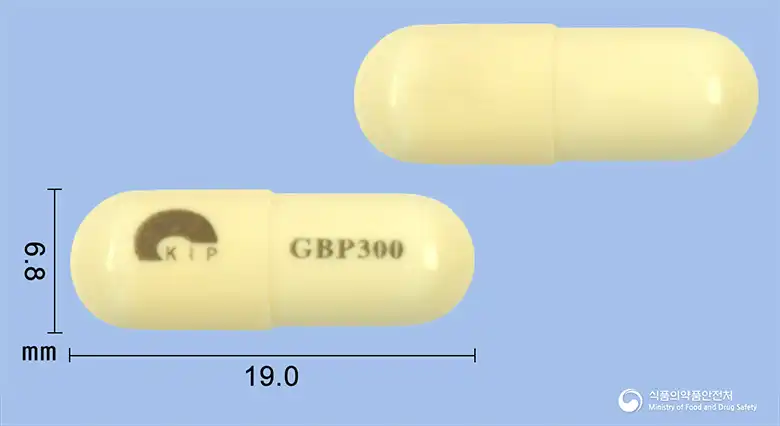
Gabapentin 300mg
Hard capsule · Prescription medication
Kunil Pharmaceutical Co., Ltd.
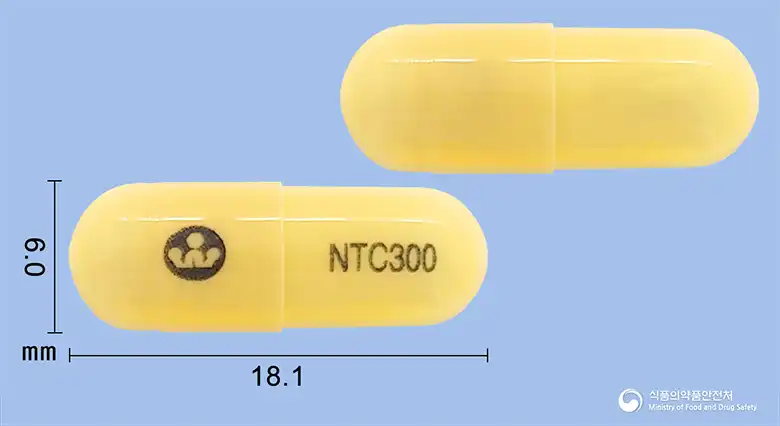
Gabapentin 300mg
Hard capsule · Prescription medication
Hanwin Pharmaceutical Co., Ltd.
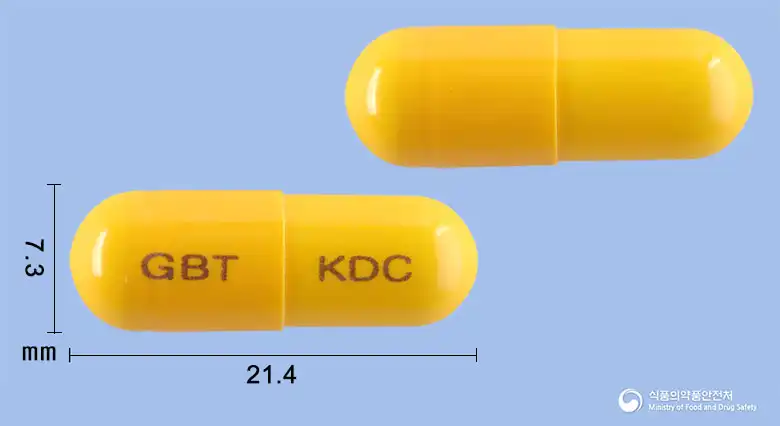
Gabapentin 400mg
Hard capsule · Prescription medication
Korea Pharmaceutical Co., Ltd.
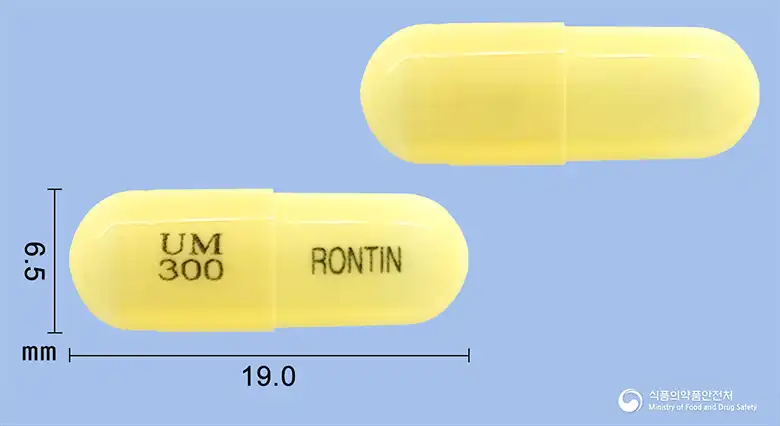
Gabapentin 300mg
Hard capsule · Prescription medication
Unimed Pharmaceuticals Co., Ltd.
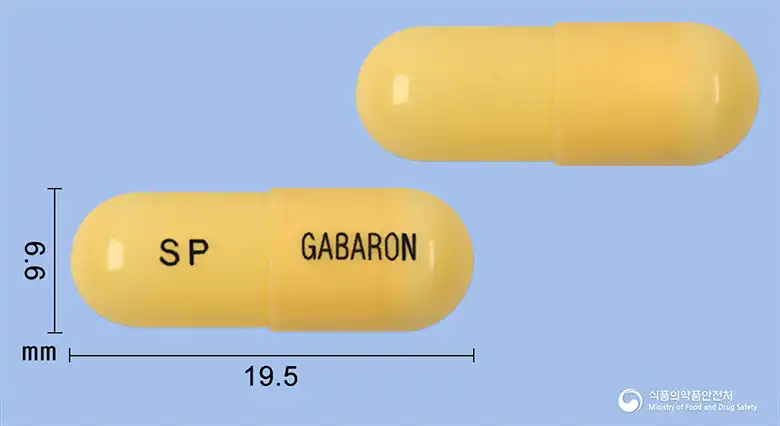
Gabapentin 300mg
Hard capsule · Prescription medication
Shinpoong Pharmaceutical Co., Ltd.
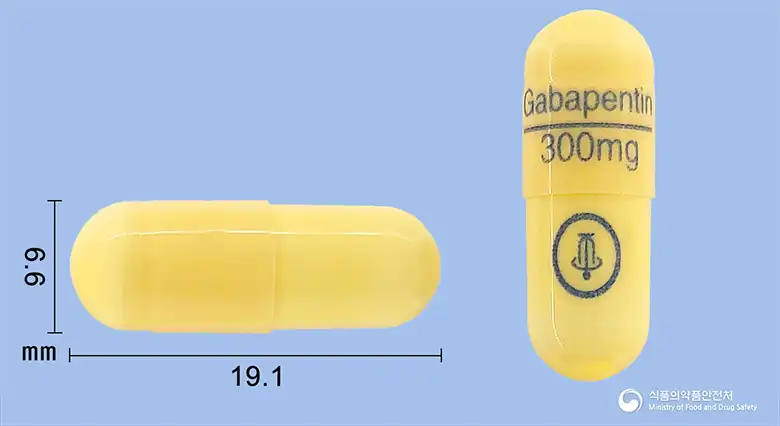
Gabapentin 300mg
Hard capsule · Prescription medication
Kwangdong Pharmaceutical Co., Ltd.
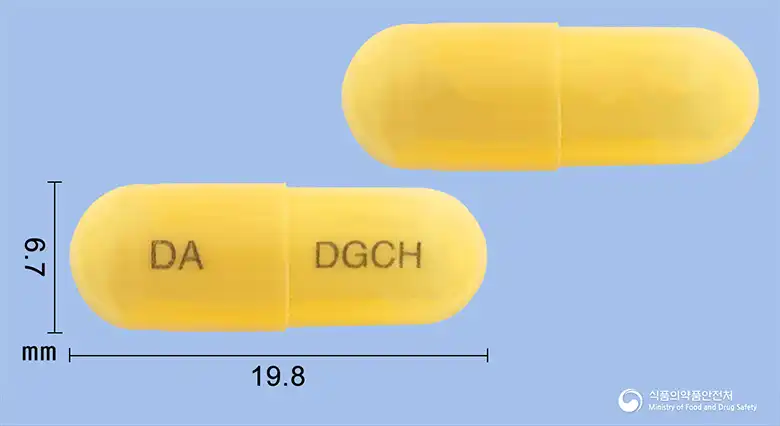
Gabapentin 300mg
Hard capsule · Prescription medication
Dong-A ST Co., Ltd.
Even with the same ingredient, the dose and directions can differ by strength and dosage form. Talk to a doctor or pharmacist before switching from a medication you are already taking.
No questions yet.
For anything that needs medical judgment, consult a doctor or pharmacist.
This drug information is based on data provided by the Korea Ministry of Food and Drug Safety.
Consult a doctor or pharmacist for accurate dosage, administration, and usage instructions.