
 한국어
한국어 English
 日本語
日本語 中文(简体)
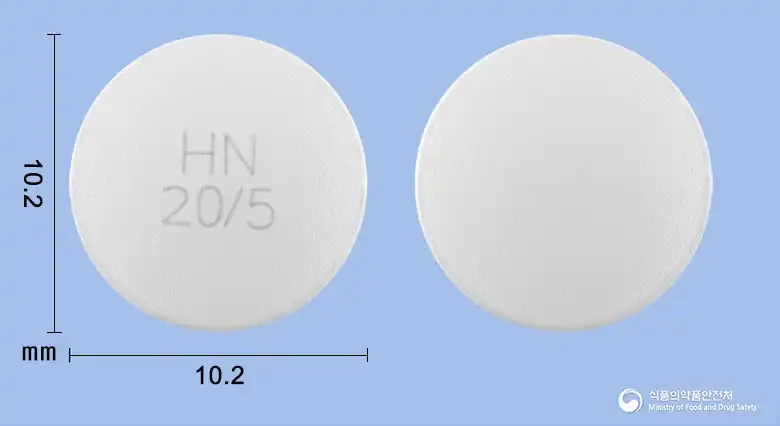 Viewing nowCombination
Olpro Tablet 20/5 mg
Olmesartan Medoxomil 20mg · Rosuvastatin Calcium 5.2mg
Tablet · Prescription medication · Combination
Hana Pharmaceutical Co., Ltd.
MFDS item code 202003963 · Approved 2020.05.28 · Insurance code 657807370
Treatment of hypertension and hypercholesterolemia, and reduction of cardiovascular disease risk
This medication is used for patients who require a combination of olmesartan medoxomil and rosuvastatin. Olmesartan medoxomil is primarily used to treat essential hypertension. Rosuvastatin helps with hypercholesterolemia and various types of dyslipidemia that cannot be managed through diet and exercise. Additionally, it lowers cholesterol levels in patients with hypercholesterolemia, delaying the progression of atherosclerosis and reducing the risk of cardiovascular diseases. It is particularly used in patients over 50 years old for men and over 60 years old for women who have cardiovascular risk factors, reducing the risk of stroke, myocardial infarction, and vascular revascularization procedures. Therefore, this medication improves cardiovascular health by managing blood pressure and cholesterol together.
◆ Olmesartan Medoxomil The recommended initial dose for adults is 10 mg once daily, administered regardless of meals. If blood pressure is not adequately controlled, the dose may be increased to 20 mg once daily, And for further blood pressure reduction, it may be increased to a maximum of 40 mg per day. The antihypertensive effect appears within 2 weeks of starting treatment, with maximum effect occurring in approximately 8 weeks. If blood pressure is not controlled with monotherapy, it can be co-administered with thiazide diuretics such as hydrochlorothiazide. To improve adherence, it is recommended to take it at the same time each day (e.g., in the morning). For patients who may experience intravascular volume depletion (e.g., patients on diuretics, especially renal patients), it is advisable to start treatment at a low dose with careful monitoring of the patient's condition. 2. Elderly There is no need to adjust the dosage for elderly patients aged 65 and older. While no overall differences in efficacy and safety have been observed between elderly and younger patients, some elderly patients may exhibit a more sensitive response. 3. Patients with renal impairment For patients with mild to moderate renal impairment (creatinine clearance 30-60 mL/min), the maximum dose is 20 mg once daily. 4. Patients with liver impairment No dose adjustment is needed in mild liver impairment. For moderate liver impairment, the recommended initial dose is 10 mg once daily, which may be increased to a maximum of 20 mg per day. There is no experience with severe liver impairment, hence, use is not recommended. 5. Children Safety and efficacy in children under 18 years have not been established. ◆ Rosuvastatin 1. Primary hypercholesterolemia (including heterozygous familial hypercholesterolemia type IIa), mixed dyslipidemia (type IIb), primary dysbetalipoproteinemia (type III), and homozygous familial hypercholesterolemia Patients on this medication must adhere to a standard cholesterol-lowering diet before and during treatment. It can be taken at any time of day with or without meals. The initial dose is 5 mg once daily, and if a greater reduction in LDL cholesterol is needed, it can be adjusted to the maintenance dose. The maintenance dose is typically 10 mg once daily for most patients. The maintenance dose should be adjusted based on LDL cholesterol levels, treatment goals, and patient response, with a maximum dose of 20 mg per day. 2. Elderly No dose adjustment is needed. 3. Patients with renal failure For patients with mild to moderate renal failure, there is no need to adjust the dose. Do not use in patients with severe renal failure. Special caution should be taken when administering 20 mg to patients with moderate renal failure. 4. Patients with liver failure For patients with a Child-Pugh score of 7 or less, no increased systemic exposure to rosuvastatin has been observed; however, increased exposure has been reported in patients with Child-Pugh scores of 8 or 9. In these patients, renal function tests should be considered. There is no experience with patients above a Child-Pugh score of 9. This medication should not be given to patients with active liver disease. 5. Ethnicity As exposure to the drug may be increased in Asian patients, the recommended starting dose is 5 mg. Administration of 40 mg is contraindicated. 6. Patients prone to myopathy The recommended initial dose for patients prone to myopathy is 5 mg. In some of these patients, administration of 40 mg is contraindicated. Patients taking olmesartan medoxomil and rosuvastatin in combination can transition to this medication (a combination product with the same active ingredient amounts) for convenience.
Safety and efficacy in children under 18 years have not been established.
This medication can cause serious harm to the fetus and newborn if taken during the second and third trimesters of pregnancy, so it must be discontinued immediately upon confirmation of pregnancy. It should not be administered to individuals who are allergic to this medication, pregnant or nursing women, or women of childbearing age who are not using appropriate contraception. It is not safe to use this medication in patients with severely impaired renal function, those undergoing renal dialysis, patients with severe liver dysfunction, or those with bile duct obstruction. Patients with muscle issues or a history of myopathy should avoid using this medication, especially at high doses, as the risk of muscle-related side effects increases. This medication contains lactose, so it should not be taken by those with lactose intolerance or related genetic conditions. Patients with very low blood pressure or reduced blood volume may experience hypotensive symptoms upon initial dosing, so caution is needed, and appropriate treatment and observation are required in such cases. Changes in kidney function may occur, so patients with impaired renal function should have regular blood tests. There is a risk of hyperkalemia, so serum potassium levels should be checked periodically. Caution is needed while driving or operating machinery due to the potential for dizziness and associated accident risks. Patients with a history of liver disease or excessive alcohol consumption should have regular liver function tests and discontinue use immediately if signs of liver damage appear. If symptoms such as myalgia, muscle weakness, or cramps occur, consult a doctor immediately, and in severe cases, discontinuation of the drug may be necessary. This medication may interact with other antihypertensive agents, diuretics, potassium-sparing diuretics, etc., so inform your doctor if you are taking any concurrent medications. Women who are pregnant or planning to become pregnant should consult their doctor before taking this medication and stop immediately upon confirmation of pregnancy. Nursing women should also exercise caution as this medication can affect the baby. Safety in children under 18 years has not been established, so it is advisable not to use it. Overdosage may result in symptoms such as hypotension and palpitations, and immediate medical attention is required. Store this medication out of reach of children and do not transfer it to another container.
Hives, severe swelling (edema), chest tightness, difficulty breathing, cold sweat, paleness, severe rash with fever, blisters, skin peeling, pain in oral/ocular mucous membranes, shortness of breath or difficulty breathing, asthma attacks, respiratory abnormalities accompanied by cough and fever, yellowing of skin or eyes (jaundice), extreme lethargy, sudden and severe headache, thunderclap headache, seizures, confusion, visual disturbances, paralysis, urination problems.
Not everyone experiences these, and they can vary from person to person.
This medication should be stored in a tightly closed container to prevent air or moisture ingress and should be kept at room temperature between 1 and 30 degrees Celsius. Storing it this way will help maintain the effectiveness of the medication for a longer period.
White or light yellow, round film-coated tablets
30 tablets/box [(10 tablets/Alu-Alu)×3]
Even with the same ingredient, strength, dosage form and how it is taken can differ.
Viewing nowCombinationOlmesartan Medoxomil 20mg · Rosuvastatin Calcium 5.2mg
Tablet · Prescription medication · Combination
Hana Pharmaceutical Co., Ltd.
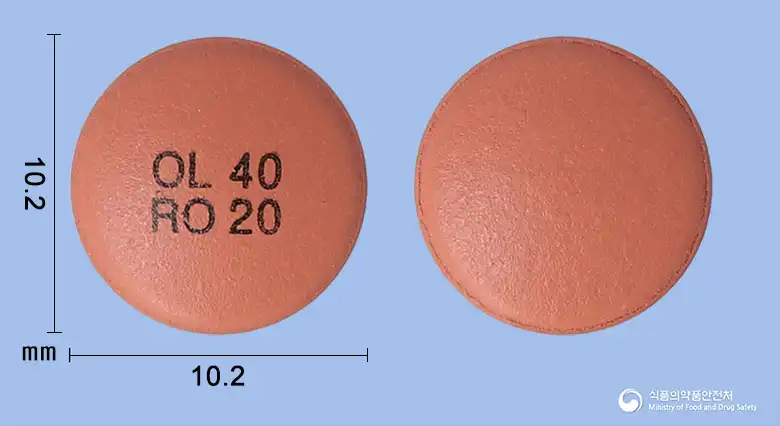 Combination
Rosuvastatin Calcium 20.8mg · Olmesartan Medoxomil 40mg
Tablet · Prescription medication · Combination
Daewoong Pharmaceutical Co., Ltd.
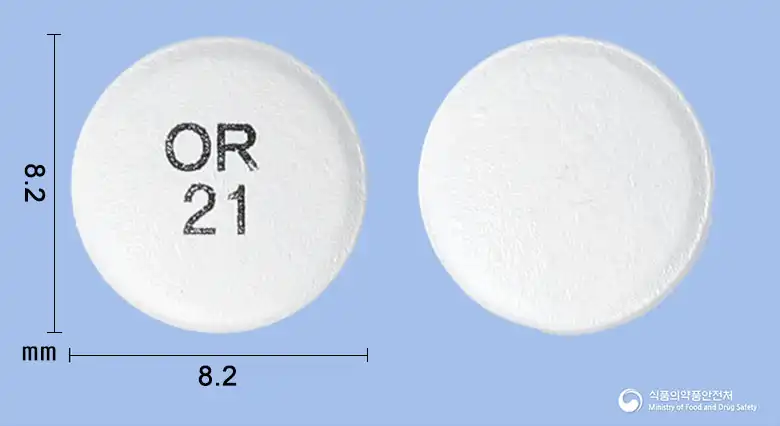 Combination
Rosuvastatin Calcium 10.4mg · Olmesartan Medoxomil 20mg
Tablet · Prescription medication · Combination
Daewoong Pharmaceutical Co., Ltd.
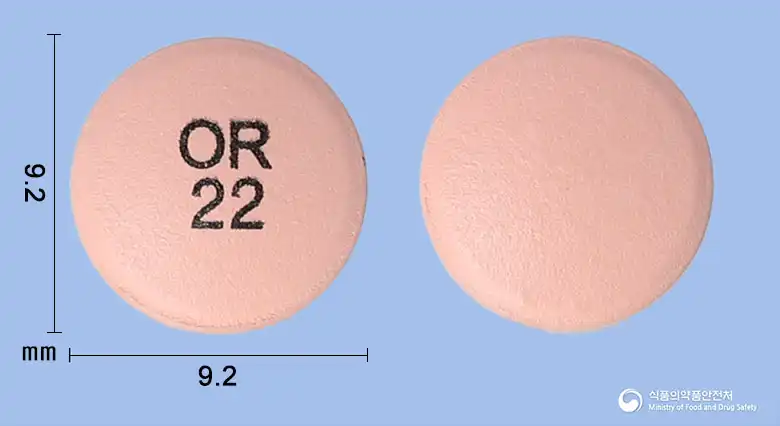 Combination
Rosuvastatin Calcium 20.8mg · Olmesartan Medoxomil 20mg
Tablet · Prescription medication · Combination
Daewoong Pharmaceutical Co., Ltd.
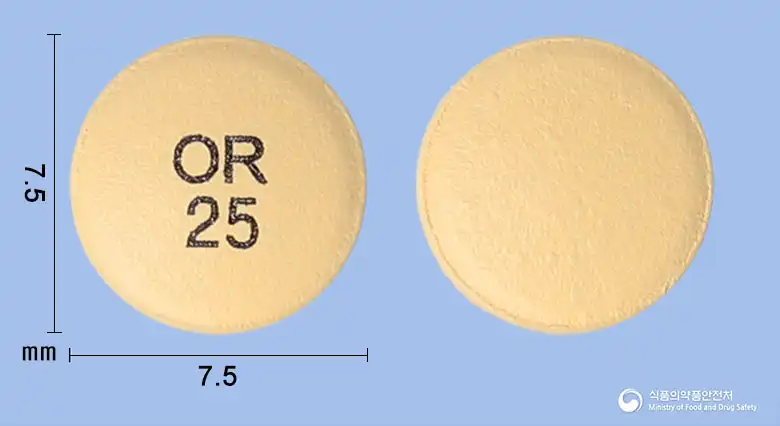 Combination
Rosuvastatin Calcium 5.2mg · Olmesartan Medoxomil 20mg
Tablet · Prescription medication · Combination
Daewoong Pharmaceutical Co., Ltd.
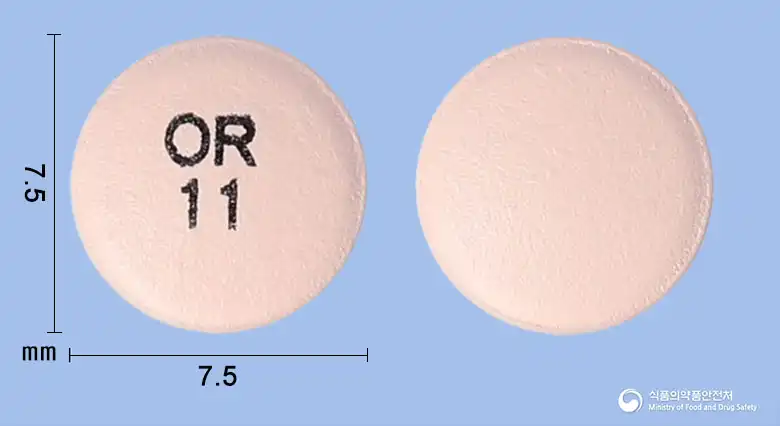 Combination
Rosuvastatin Calcium 10.4mg · Olmesartan Medoxomil 10mg
Tablet · Prescription medication · Combination
(Co., Ltd. Daewoong Pharmaceutical)
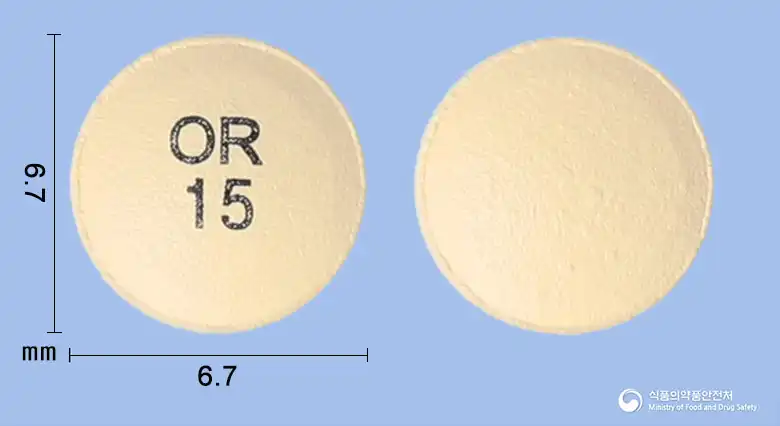 Combination
Rosuvastatin Calcium 5.2mg · Olmesartan Medoxomil 10mg
Tablet · Prescription medication · Combination
(Co., Ltd.) Daewoong Pharmaceutical
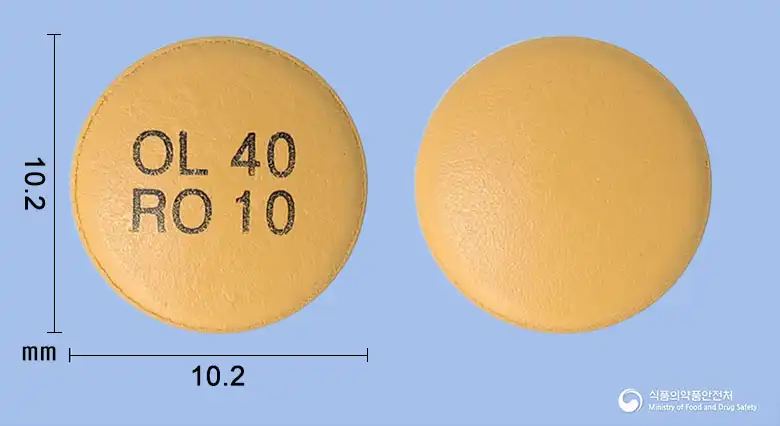 Combination
Rosuvastatin Calcium 10.4mg · Olmesartan Medoxomil 40mg
Tablet · Prescription medication · Combination
Daewoong Pharmaceutical Co., Ltd.
Even with the same ingredient, the dose and directions can differ by strength and dosage form. Talk to a doctor or pharmacist before switching from a medication you are already taking.
No questions yet.
For anything that needs medical judgment, consult a doctor or pharmacist.
This drug information is based on data provided by the Korea Ministry of Food and Drug Safety.
Consult a doctor or pharmacist for accurate dosage, administration, and usage instructions.