
 한국어
한국어 English
 日本語
日本語 中文(简体)
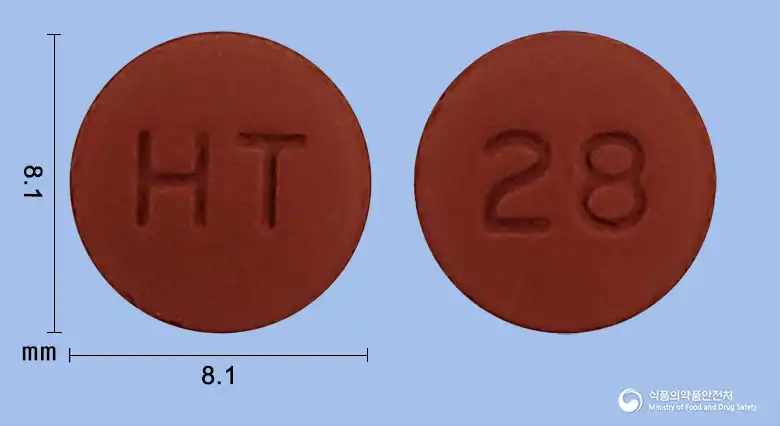 Viewing nowCombination
Rosuvastatin/valsartan tablet 20/80 milligrams
Rosuvastatin Calcium 20.8mg · Valsartan 80mg
Tablet · Prescription medication · Combination
Hankook Hyutech Pharmaceutical Co., Ltd.
MFDS item code 202003914 · Approved 2020.05.27 · Insurance code 649104930
(Hypertension, heart failure) Improvement and treatment of hypercholesterolemia, etc.
This medication is used for patients who need to receive both valsartan and rosuvastatin together. Valsartan is primarily used to reduce the risk of death in patients with essential hypertension, heart failure, and left ventricular dysfunction following myocardial infarction. It is particularly useful for heart failure patients intolerant to ACE inhibitors. Rosuvastatin is used as an adjunct when dietary measures are insufficient to control hypercholesterolemia and dyslipidemia, and it helps delay the progression of atherosclerosis. It is also effective in reducing the risk of cardiovascular diseases, lowering the risk of stroke and myocardial infarction, and reducing the risk of arterial revascularization procedures. Therefore, this medication is used to improve cardiovascular health in patients with both hypertension and dyslipidemia.
Valsartan: For the treatment of essential hypertension, the recommended oral dose is 80 mg once daily. If blood pressure is not adequately controlled, it can be increased to a maximum of 320 mg once daily. For heart failure treatment, the recommended oral dose is 40 mg twice daily, and it can be increased to a maximum of 320 mg once daily. To reduce the risk of death after myocardial infarction, treatment should start with 20 mg twice daily and gradually increase. Rosuvastatin is prescribed based on the effectiveness and tolerance of each component, and dosages should be tailored to individual patients.
Safety and efficacy of valsartan have not been established in pediatric patients and adolescents (under 18 years old), thus it should not be administered.
This medication may cause serious harm to the fetus, especially during the second and third trimesters of pregnancy, so it must be discontinued immediately if pregnancy is confirmed. Women of childbearing potential should use appropriate contraceptive methods, and it is safe for pregnant or lactating women not to take this medication. Patients with severely impaired liver or kidney function, muscle diseases, or specific allergy histories should not take this medication. Caution should be exercised for elderly patients or those with hyperkalemia, and patients with mild liver impairment should be closely monitored while on this medication. This medication may cause muscle-related side effects such as myalgia, myopathy, and, rarely, rhabdomyolysis, so patients experiencing muscle pain or weakness should consult a physician immediately. Additionally, symptoms of liver function abnormalities, allergic reactions, and hypotension should be carefully monitored. Interactions may occur when taken with other medications, so patients should inform their healthcare provider of any concurrent medications. In cases of overdose, there is no specific antidote, so patients should seek appropriate treatment at a medical facility immediately. This medication should be stored out of reach of children, and it is safe not to transfer it to other containers. If any unusual symptoms occur during use, patients should immediately consult their healthcare provider for appropriate action.
Urticaria, angioedema (swelling of the face, lips, throat, tongue, etc.), hepatitis, renal failure, hyperkalemia, shock, syncope, loss of consciousness, rhabdomyolysis, hypotension, angioneurotic edema, acute renal failure, serum sickness, vasculitis, interstitial pneumonia, jaundice, acute severe conditions (sepsis, hypotension, major surgery, trauma, severe metabolic endocrine electrolyte disorders, uncontrolled seizures), Stevens-Johnson syndrome, eosinophilia, and other serious reactions.
Dyspepsia, nausea, dizziness, headache, conjunctival hemorrhage, constipation, weakness, chest pain, facial edema, peripheral edema, nasopharyngitis, urinary tract infection, bruising, increased levels of serum liver aminotransferases (AST, ALT), increased serum creatine phosphokinase, increased serum potassium, increased gamma-glutamyl transferase, musculoskeletal stiffness, limb pain, hypoesthesia, anxiety, upper respiratory tract infection, pharyngitis, tonsillitis, spinal stenosis, dizziness
Not everyone experiences these, and they can vary from person to person.
This medication is sensitive to light and should be stored in a container that does not let light in. It is best to store it at room temperature, between 1 degree and 30 degrees Celsius. Proper storage will help maintain the medication's effectiveness.
Brown round film-coated tablet
30 tablets/box [10 tablets/PTP x 3]
Even with the same ingredient, strength, dosage form and how it is taken can differ.
Viewing nowCombinationRosuvastatin Calcium 20.8mg · Valsartan 80mg
Tablet · Prescription medication · Combination
Hankook Hyutech Pharmaceutical Co., Ltd.
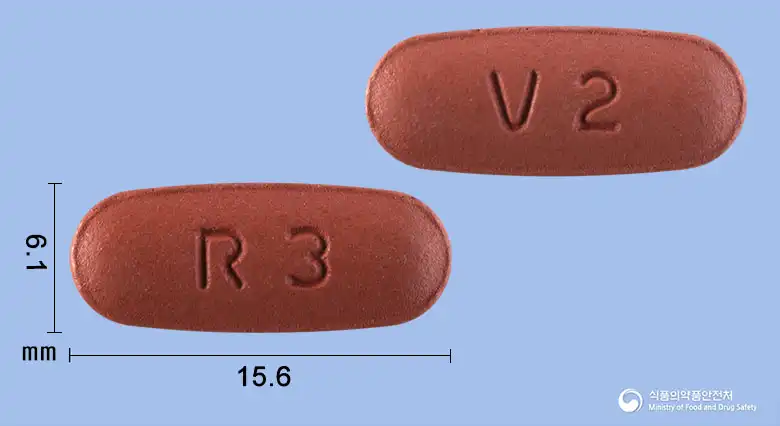 Combination
Rosuvastatin Calcium 20.8mg · Valsartan 160mg
Tablet · Prescription medication · Combination
Dongkwang Pharmaceutical Co., Ltd.
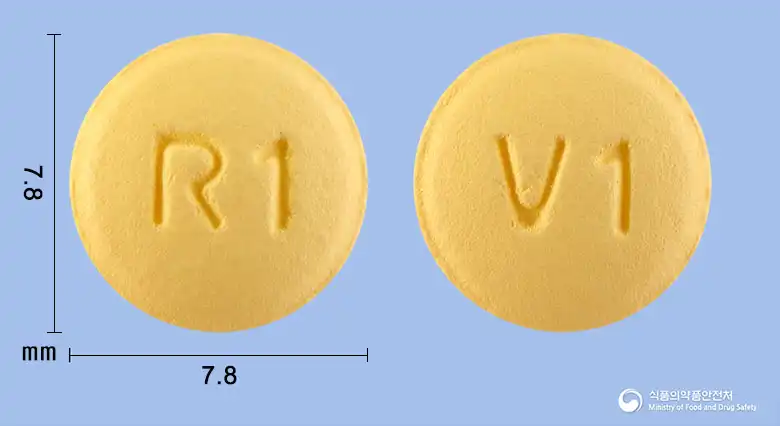 Combination
Rosuvastatin Calcium 5.2mg · Valsartan 80mg
Tablet · Prescription medication · Combination
Dongkwang Pharmaceutical Co., Ltd.
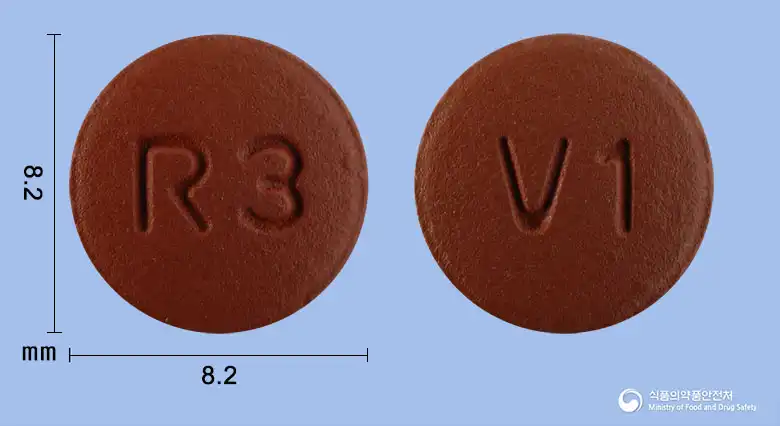 Combination
Rosuvastatin Calcium 20.8mg · Valsartan 80mg
Tablet · Prescription medication · Combination
Dongkwang Pharmaceutical Co., Ltd.
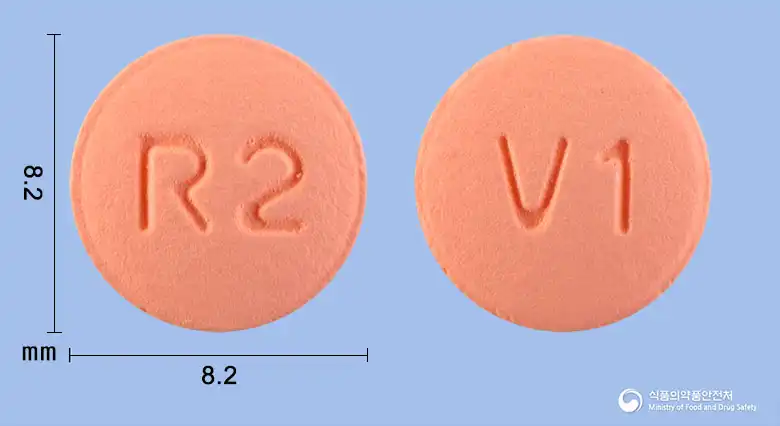 Combination
Rosuvastatin Calcium 10.4mg · Valsartan 80mg
Tablet · Prescription medication · Combination
Dongkwang Pharmaceutical Co., Ltd.
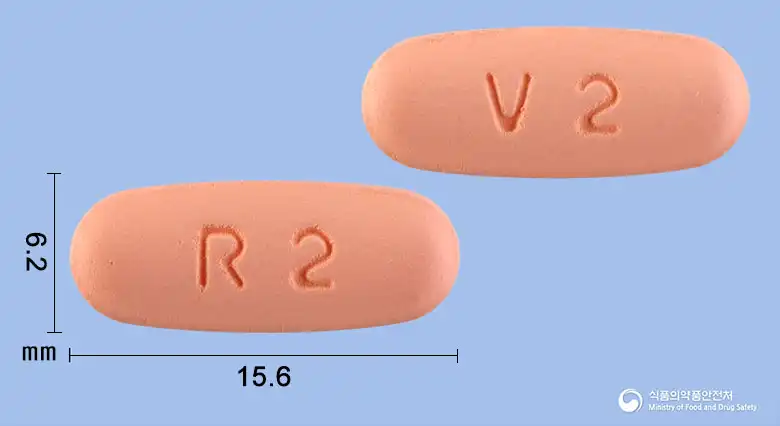 Combination
Rosuvastatin Calcium 10.4mg · Valsartan 160mg
Tablet · Prescription medication · Combination
Dongkwang Pharmaceutical Co., Ltd.
Rosuvastatin Calcium 20.8mg · Valsartan 160mg
Tablet · Prescription medication · Combination
Medika Korea Co., Ltd.
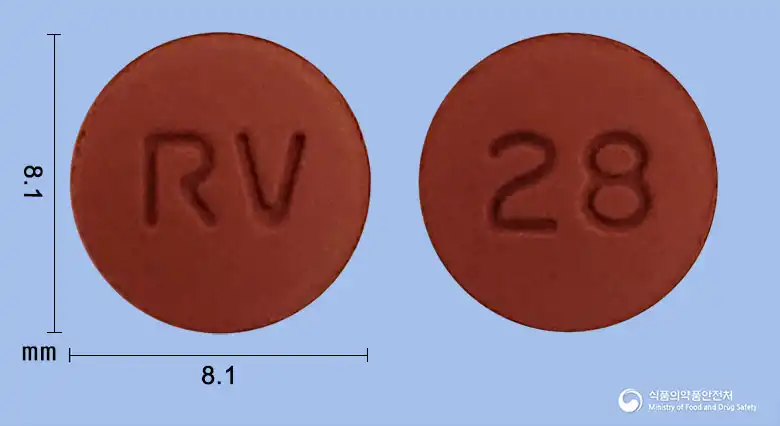 Combination
Rosuvastatin Calcium 20.8mg · Valsartan 80mg
Tablet · Prescription medication · Combination
Medica Korea Co., Ltd.
Even with the same ingredient, the dose and directions can differ by strength and dosage form. Talk to a doctor or pharmacist before switching from a medication you are already taking.
No questions yet.
For anything that needs medical judgment, consult a doctor or pharmacist.
This drug information is based on data provided by the Korea Ministry of Food and Drug Safety.
Consult a doctor or pharmacist for accurate dosage, administration, and usage instructions.