
 한국어
한국어 English
 日本語
日本語 中文(简体)
 Viewing nowCombination
Rosuvastatin/ValSartan Tablets 20/160 mg
Rosuvastatin Calcium 20.8mg · Valsartan 160mg
Tablet · Prescription medication · Combination
Korea Hutex Pharmaceutical Co., Ltd.
MFDS item code 202003910 · Approved 2020.05.27
(Improvement of hypertension, heart failure) and effect of (control of hyperlipidemia)
This medication is used for patients who need both valsartan and rosuvastatin. Valsartan primarily helps treat essential hypertension and heart failure, and reduce the risk of death after myocardial infarction. It is particularly used in heart failure patients who are intolerant to ACE inhibitors. Rosuvastatin is used as an adjunct when dietary changes and exercise cannot adequately control hyperlipidemia and is effective in slowing the progression of atherosclerosis. It also helps reduce the risks of stroke, myocardial infarction, and arterial revascularization in patients with high cardiovascular risk. Therefore, this drug is used to effectively improve hypertension and dyslipidemia.
For hypertension treatment, the recommended oral dose of valsartan is 80 mg once daily. If blood pressure control is needed, it can be increased to 160 mg once daily and can go up to a maximum of 320 mg once daily. For heart failure treatment, the initial dose is 40 mg orally twice daily, and can be increased to 80 mg or 160 mg once. To reduce the risk of death post-myocardial infarction, the recommended initial dose is 20 mg taken orally twice daily.
Safety and efficacy have not been established in children and adolescents under 18 years of age, therefore it is not administered.
This drug can cause severe harm to the fetus during pregnancy, so it should be discontinued immediately if pregnancy is confirmed. Women who are pregnant or may become pregnant, and breastfeeding women should not take this medication. Patients with severely impaired liver function or certain liver diseases should not use this medication. Patients with muscle diseases or a history of muscle problems related to similar medications should also avoid taking it. Patients with severe kidney impairment are also advised not to use this medication. Caution should be exercised in elderly patients or those with high blood potassium levels. Patients with heart diseases or dehydration should also be cautious when taking this medication. This drug may cause muscle pain, weakness, and, rarely, severe muscle damage (rhabdomyolysis), thus medical consultation should be sought immediately if muscle pain or weakness occurs. Liver function tests are recommended before and during treatment as liver function problems may develop. It is advisable to avoid or limit alcohol intake during treatment. There may be interactions when taking this medication with other drugs, so inform healthcare providers of any other medications being taken. This medication is not used in children and adolescents as safety and efficacy have not been established. There is no specific antidote for overdose, so seek medical care immediately if symptoms occur. This medication should be kept out of reach of children and should not be transferred to another container.
Angioedema, urticaria, Stevens-Johnson syndrome, severe swelling, chest tightness, difficulty breathing, cold sweats, pallor, severe rash with fever, blisters, skin peeling, pain in oral/ocular mucosa, shortness of breath or difficulty breathing, asthma attack, respiratory difficulties with cough and fever, jaundice (yellowing of skin or eyes), extreme fatigue, sudden and severe headache, thunderclap headache, seizures, altered consciousness,
Dyspepsia, nausea, chest discomfort, dizziness, headache, conjunctival hemorrhage, constipation, weakness, chest pain, facial edema, peripheral edema, nasopharyngitis, urinary tract infection, bruising, increased liver aminotransferase (AST, ALT) levels, increased serum creatine phosphokinase, increased potassium levels, increased gamma-glutamyl transferase, musculoskeletal stiffness, limb pain, paresthesia, anxiety, upper respiratory tract infection, pharyngitis, tonsillitis,
Not everyone experiences these, and they can vary from person to person.
This medication should be stored in a container that shields it from light and prevents air from entering, preferably at room temperature between 1 and 30 degrees Celsius. Storing it this way helps maintain its efficacy for a longer period.
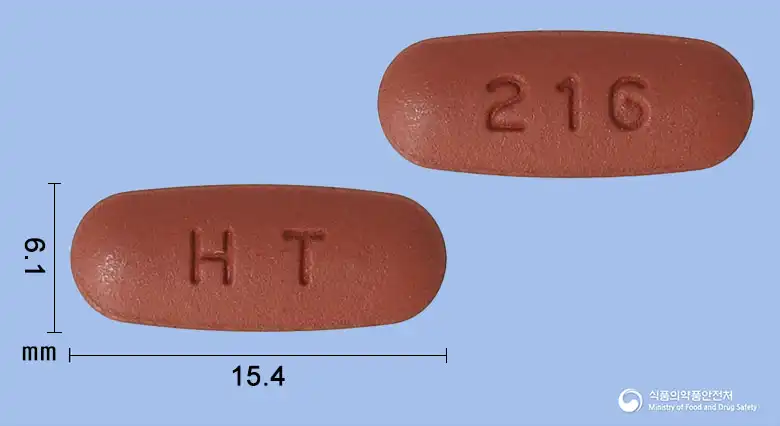
Brown oval film-coated tablet
30 tablets/box [(10 tablets/PTP x 3)]
Even with the same ingredient, strength, dosage form and how it is taken can differ.
Viewing nowCombinationRosuvastatin Calcium 20.8mg · Valsartan 160mg
Tablet · Prescription medication · Combination
Korea Hutex Pharmaceutical Co., Ltd.
 Combination
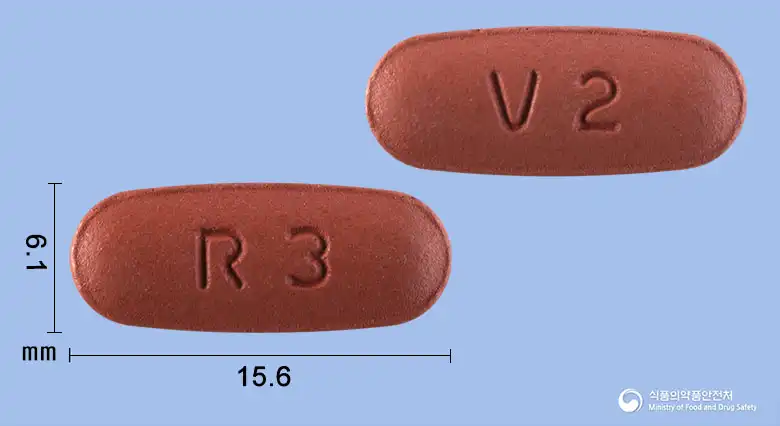
Rosuvastatin Calcium 20.8mg · Valsartan 160mg
Tablet · Prescription medication · Combination
Dongkwang Pharmaceutical Co., Ltd.
 Combination
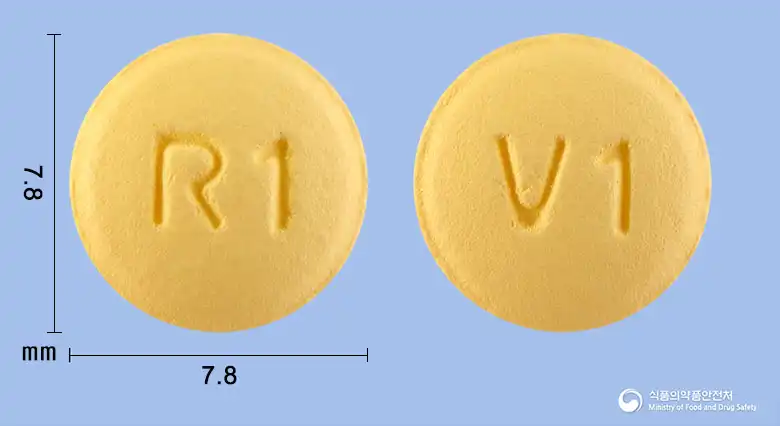
Rosuvastatin Calcium 5.2mg · Valsartan 80mg
Tablet · Prescription medication · Combination
Dongkwang Pharmaceutical Co., Ltd.
 Combination
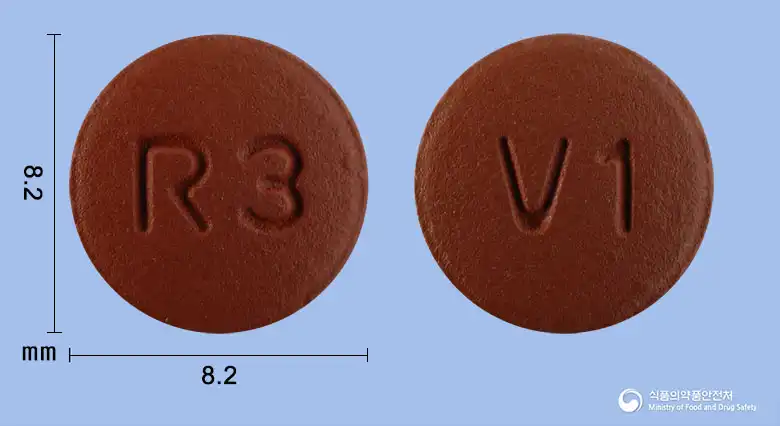
Rosuvastatin Calcium 20.8mg · Valsartan 80mg
Tablet · Prescription medication · Combination
Dongkwang Pharmaceutical Co., Ltd.
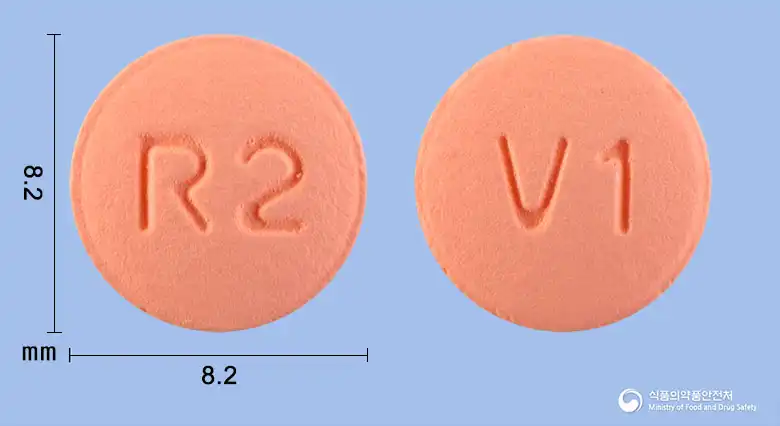 Combination
Rosuvastatin Calcium 10.4mg · Valsartan 80mg
Tablet · Prescription medication · Combination
Dongkwang Pharmaceutical Co., Ltd.
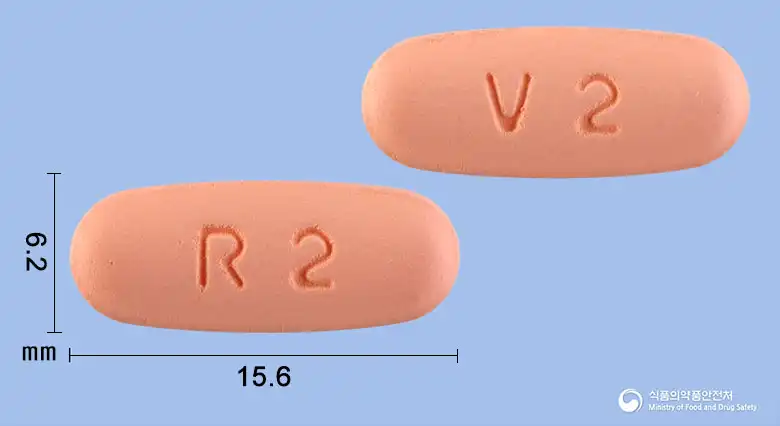 Combination
Rosuvastatin Calcium 10.4mg · Valsartan 160mg
Tablet · Prescription medication · Combination
Dongkwang Pharmaceutical Co., Ltd.
Rosuvastatin Calcium 20.8mg · Valsartan 160mg
Tablet · Prescription medication · Combination
Medika Korea Co., Ltd.
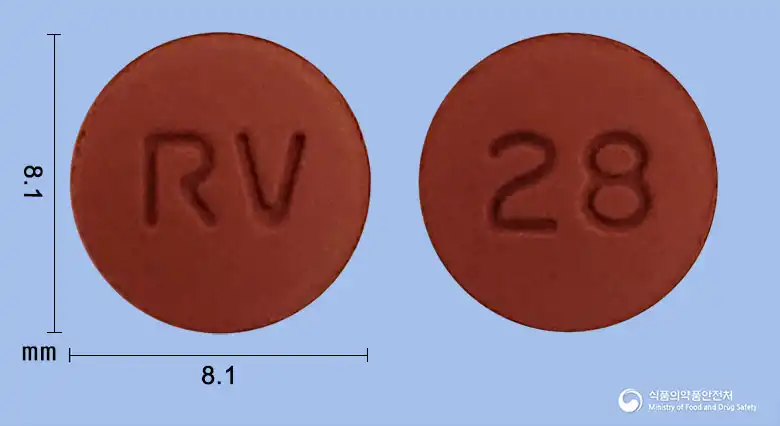 Combination
Rosuvastatin Calcium 20.8mg · Valsartan 80mg
Tablet · Prescription medication · Combination
Medica Korea Co., Ltd.
Even with the same ingredient, the dose and directions can differ by strength and dosage form. Talk to a doctor or pharmacist before switching from a medication you are already taking.
No questions yet.
For anything that needs medical judgment, consult a doctor or pharmacist.
This drug information is based on data provided by the Korea Ministry of Food and Drug Safety.
Consult a doctor or pharmacist for accurate dosage, administration, and usage instructions.