
 한국어
 English
 日本語
 中文(简体)
Summary
- Main use
- Treatment of high-risk nonmetastatic castration-resistant and metastatic hormone-sensitive prostate cancer
- Who uses it
- Adults
- Adult dosage
- 1. Recommended dose The recommended dose of this medicine is 600mg (two 300mg tablets) twice daily, for a total daily dose of 1200mg. Take this medicine whole with food. Patients taking this medicine must have previously undergone bilateral orchiectomy or receive concomitant treatment with a gonadotropin-releasing hormone (GnRH) agonist or antagonist. When this medicine is administered in combination with docetaxel, patients with metastatic hormone-sensitive prostate cancer (mHSPC) should receive the first of 6 cycles of docetaxel within 6 weeks after starting this medicine. Refer to the docetaxel prescribing information for additional information, including dose adjustments. Even if docetaxel cycles are delayed, temporarily interrupted, or discontinued, continue this medicine until disease progression or unacceptable toxicity occurs. If a dose is missed, take it as soon as remembered if it is before the next scheduled dose. Do not take a double dose to make up for a missed dose. 2. Dose adjustment In patients who develop grade 3 or higher toxicity or intolerable adverse drug reactions related to this medicine, interrupt treatment until symptoms improve or reduce the dose to 300mg twice daily (see Precautions for Use, 4. General Precautions). Once symptoms improve, resume treatment at 600mg twice daily. Dose reduction below 300mg twice daily is not recommended. The maximum effective daily dose is the recommended dose of 600mg per dose, twice daily. 2.1 Patients with renal impairment In patients with severe renal impairment who are not receiving hemodialysis (eGFR 15-29 mL/min/1.73 m²), the recommended starting dose is 300mg per dose twice daily (see Precautions for Use, 9. Administration to Patients with Renal Impairment). 2.2 Patients with hepatic impairment In patients with moderate hepatic impairment (Child-Pugh Class B), the recommended starting dose is 300mg per dose twice daily (see Precautions for Use, 10. Administration to Patients with Hepatic Impairment).
Ingredients
- Importer
- Bayer korea
Efficacy & effects
Treatment of high-risk nonmetastatic castration-resistant and metastatic hormone-sensitive prostate cancer
- High-risk non-metastatic castration-resistant prostate cancer
- hormone-sensitive metastatic prostate cancer
View approved original textHide original text
This medication is used for the treatment of patients with high-risk non-metastatic castration-resistant prostate cancer. It is also used in combination with androgen deprivation therapy (ADT) for the treatment of hormone-sensitive metastatic prostate cancer or in combination with docetaxel and ADT. This drug is effective for various types of prostate cancer and plays an important role in the treatment of patients.
Dosage and Administration
Adult dosage
1. Recommended dose The recommended dose of this medicine is 600mg (two 300mg tablets) twice daily, for a total daily dose of 1200mg. Take this medicine whole with food. Patients taking this medicine must have previously undergone bilateral orchiectomy or receive concomitant treatment with a gonadotropin-releasing hormone (GnRH) agonist or antagonist. When this medicine is administered in combination with docetaxel, patients with metastatic hormone-sensitive prostate cancer (mHSPC) should receive the first of 6 cycles of docetaxel within 6 weeks after starting this medicine. Refer to the docetaxel prescribing information for additional information, including dose adjustments. Even if docetaxel cycles are delayed, temporarily interrupted, or discontinued, continue this medicine until disease progression or unacceptable toxicity occurs. If a dose is missed, take it as soon as remembered if it is before the next scheduled dose. Do not take a double dose to make up for a missed dose. 2. Dose adjustment In patients who develop grade 3 or higher toxicity or intolerable adverse drug reactions related to this medicine, interrupt treatment until symptoms improve or reduce the dose to 300mg twice daily (see Precautions for Use, 4. General Precautions). Once symptoms improve, resume treatment at 600mg twice daily. Dose reduction below 300mg twice daily is not recommended. The maximum effective daily dose is the recommended dose of 600mg per dose, twice daily. 2.1 Patients with renal impairment In patients with severe renal impairment who are not receiving hemodialysis (eGFR 15-29 mL/min/1.73 m²), the recommended starting dose is 300mg per dose twice daily (see Precautions for Use, 9. Administration to Patients with Renal Impairment). 2.2 Patients with hepatic impairment In patients with moderate hepatic impairment (Child-Pugh Class B), the recommended starting dose is 300mg per dose twice daily (see Precautions for Use, 10. Administration to Patients with Hepatic Impairment).
Precautions
This drug should not be used by patients with an allergy to this drug or any of its ingredients. Women who are pregnant, may become pregnant, or are breastfeeding should not take this medication. It should not be administered to patients with lactose intolerance or specific genetic metabolic disorders as it contains lactose. Patients taking certain other medications should be cautious as interactions may occur with this drug. Serious side effects such as liver dysfunction, heart problems, and seizures may occur during treatment with this drug, and regular medical examinations are necessary. Patients at risk for cardiovascular disease should carefully monitor their heart condition and report any abnormalities to a healthcare provider immediately. Various side effects, such as fatigue, skin rash, and changes in blood test values, may occur during treatment, and any unusual symptoms should be discussed with a physician. Male patients who may become pregnant must use effective contraception methods during and for a certain period after taking this drug. Elderly patients or those with reduced renal and hepatic function may need dosage adjustments, so consult healthcare providers. Since there is no specific antidote for overdose, it is important to adhere to the prescribed dosage. This drug should be stored out of reach of children and it is advisable that pregnant or fertile women do not handle it directly.
Side effects
- Increased AST
- decreased neutrophils
- increased bilirubin
- fatigue
- increased ALT
- urinary retention
- pneumonia
- hematuria
- death
- heart failure
Show 47 moreCollapse
- cardiac arrest
- pulmonary embolism
- hypertension
- diarrhea
- nausea
- limb pain
- rash
- ischemic heart disease
- urinary tract infection
- musculoskeletal pain
- bleeding
- arrhythmia
- spinal cord compression
- cranial brain injury
- myocardial infarction
- anemia
- constipation
- decreased appetite
- weight gain
- fractures
- seizures
- drug-induced liver injury
- febrile neutropenia
- musculoskeletal pain
- hyperglycemia
- decreased lymphocytes
- hypocalcemia
- increased blood pressure
- hypertensive emergency
- hypertensive crisis
- hematuria
- nasal bleeding
- anal bleeding
- hemorrhoidal bleeding
- rectal bleeding
- upper gastrointestinal bleeding
- hemoptysis
- urinary bleeding
- stroke
- subarachnoid hemorrhage
- lower gastrointestinal bleeding
- bladder hemorrhage
- gastrointestinal bleeding
- subcutaneous bleeding
- intra-abdominal bleeding
- nail bleeding
- subdural hemorrhage
Not everyone experiences these, and they can vary from person to person.
Storage
This medication should be stored in a tightly sealed container to protect it from air and moisture. It is best to keep the storage temperature between 1 degree and 30 degrees Celsius at room temperature to safely maintain the efficacy of the medication.
Appearance and packaging
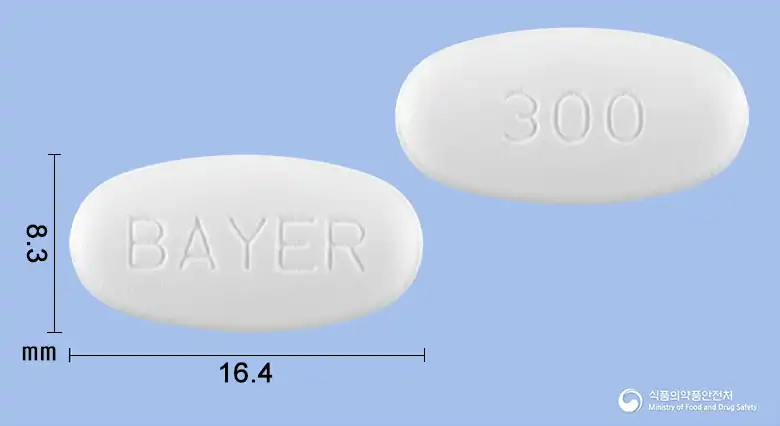
Appearance
White-beige oval film-coated tablets
Package unit
112 tablets/box [16 tablets/PTP packaging x 7]
Questions about this medicine
No questions yet.
For anything that needs medical judgment, consult a doctor or pharmacist.