
 한국어
한국어 English
 日本語
日本語 中文(简体)
 Viewing now
Rosuvastatin Calcium 10 mg Tablets
Rosuvastatin Calcium 10.4mg
Tablet · Prescription medication
SaeHan Pharmaceutical Co., Ltd.
MFDS item code 202003845 · Approved 2020.05.26 · Insurance code 651300930
Treatment for hypercholesterolemia (primary, familial) and to reduce the risk of cardiovascular disease
This drug is used as an adjunctive therapy when dietary management and exercise do not adequately control lipid disorders such as primary hypercholesterolemia and mixed dyslipidemia. It is also helpful as an adjunct to dietary management or other treatments in patients with familial hypercholesterolemia, lowering total cholesterol and LDL-cholesterol levels to delay the progression of atherosclerosis. In particular, it is used as an adjunct to dietary management to reduce cholesterol levels in pediatric patients with heterozygous familial hypercholesterolemia. It also helps in primary dysbetalipoproteinemia and contributes to reducing the risk of cardiovascular diseases, including stroke, myocardial infarction, and the risk of vascular revascularization. Overall, it is used to improve cardiovascular health.
Patients with primary hypercholesterolemia, mixed dyslipidemia, or dysbetalipoproteinemia should start at 5 mg once daily, at any time regardless of meals, and can be dosed at intervals of 4 weeks or longer up to 10 mg once daily if necessary. A maximum dose of 20 mg once daily can be reached.
Pediatric patients with heterozygous familial hypercholesterolemia (ages 10 to 17) should receive between 5 mg and 20 mg once daily, adjusted individually, with titration at intervals of 4 weeks or longer.
This drug should not be used in certain patients. First, it must not be administered to patients who have allergies to its ingredients, severe liver dysfunction, muscle diseases, or severe kidney diseases. Pregnant or nursing women, or women of childbearing potential who are not using appropriate contraception should avoid using this drug. Additionally, patients at high risk for myopathy or rhabdomyolysis, such as those with poor kidney function, hypothyroidism, and those who have previously experienced muscle toxicity reactions, are prohibited from taking this medication in high doses. This drug contains lactose, thus, it should not be administered to patients with lactose intolerance or certain genetic metabolic disorders. When taking this drug, liver function and muscle status should be periodically monitored, especially in patients who consume large amounts of alcohol or have a history of liver disease. Symptoms such as muscle pain, muscle weakness, and cramps should be discussed with a doctor immediately, and the use of this drug may need to be discontinued if necessary. Furthermore, use of this medication should be discontinued in cases where serious muscle issues or deterioration of kidney function is suspected. Rarely, severe muscle weakness or ocular muscle weakness may occur, and if such symptoms appear, use should be stopped immediately. This drug may increase blood concentrations when taken with certain medications, which can heighten the risk of muscle damage, thus patients should consult their doctor or pharmacist if they are on other medications. Pregnant or nursing women should not use this medication, and women of childbearing age should ensure they use appropriate contraception. In the event of an overdose, there is no specific antidote, so treatment should be symptomatic, monitoring liver function and muscle enzyme levels. This drug is known not to significantly affect driving or machine operating abilities, however, caution is required as dizziness may occur. Lastly, while on this medication, severe skin reactions may arise, so should any symptoms such as skin rash, redness, or swelling occur, medical personnel should be notified immediately.
Allergic reactions including urticaria, angioedema, rashes and urticaria, rhabdomyolysis, Stevens-Johnson syndrome, eosinophilia and systemic symptoms drug reaction syndrome (DRESS), jaundice, hepatitis, renal failure, acute renal failure, oliguria, difficulty breathing, dyspnea, severe muscle weakness, ocular muscle weakness, Stevens-Johnson syndrome, severe allergic reactions, severe skin adverse reactions, severe edema or urinary issues
Not everyone experiences these, and they can vary from person to person.
This drug is sensitive to air and moisture; therefore, it should be stored in a tightly closed container. Additionally, it is important to store it at room temperature between 1 degree and 30 degrees Celsius, avoiding extremes of heat or cold.
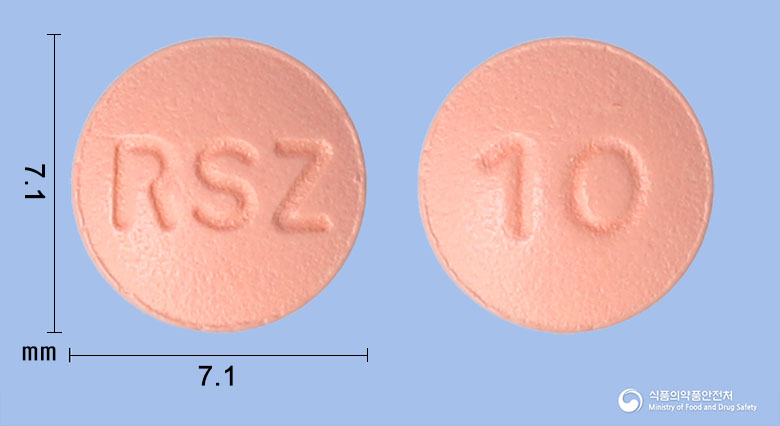
Pink round film-coated tablets
30 tablets/box [(15 tablets/PTP x 2)]
Even with the same ingredient, strength, dosage form and how it is taken can differ.
Viewing nowRosuvastatin Calcium 10.4mg
Tablet · Prescription medication
SaeHan Pharmaceutical Co., Ltd.
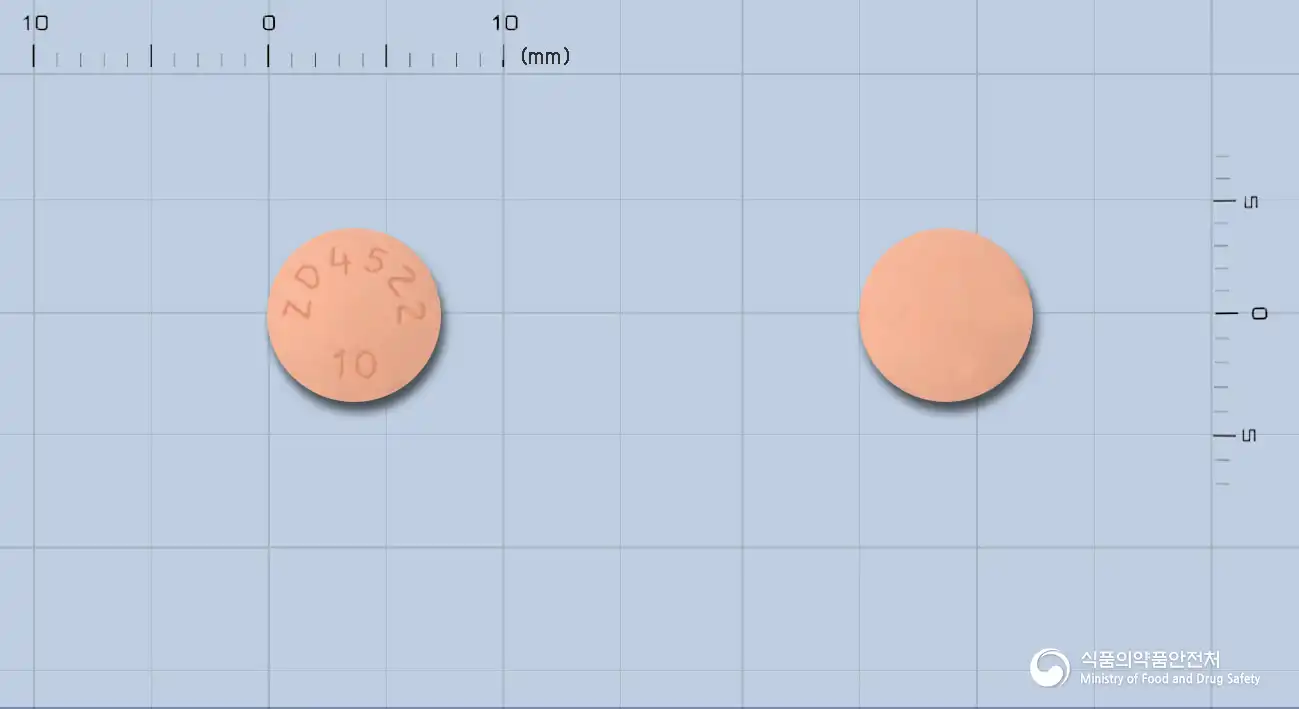
Rosuvastatin Calcium 10.4mg
Tablet · Prescription medication
AstraZeneca Korea Co., Ltd.
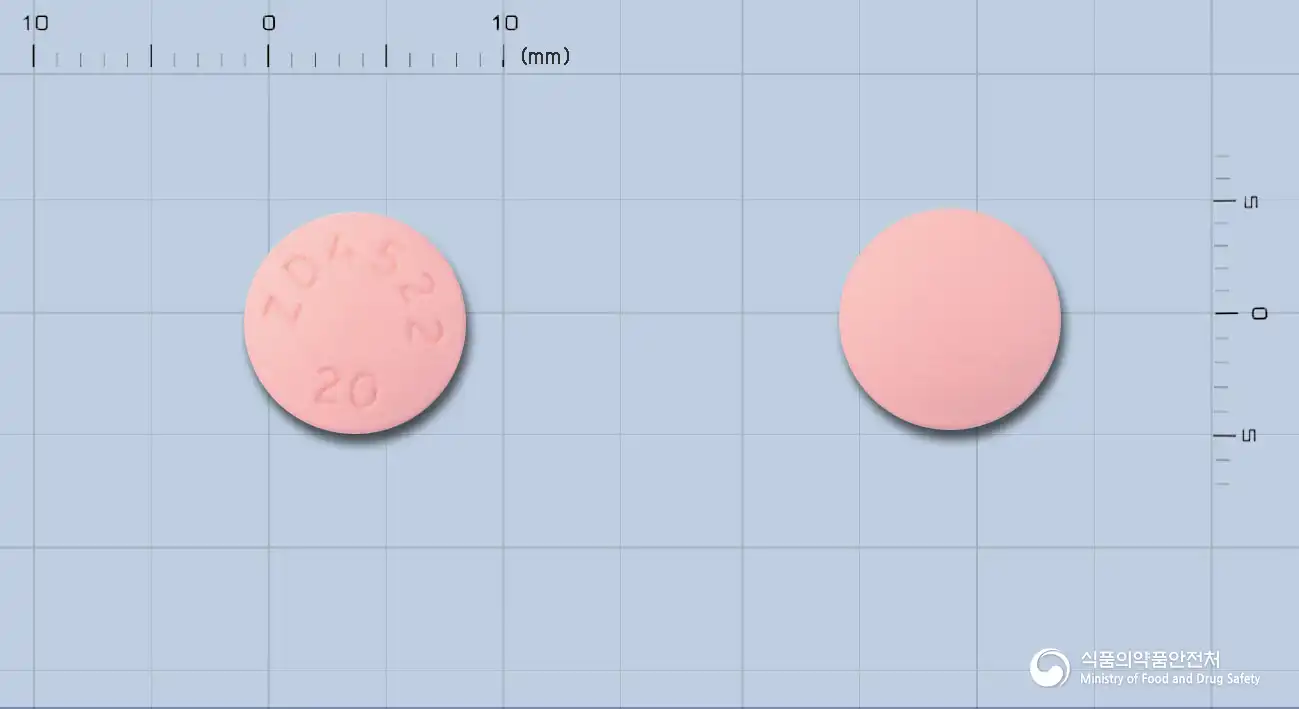
Rosuvastatin Calcium 20.8mg
Tablet · Prescription medication
AstraZeneca Korea Co., Ltd.
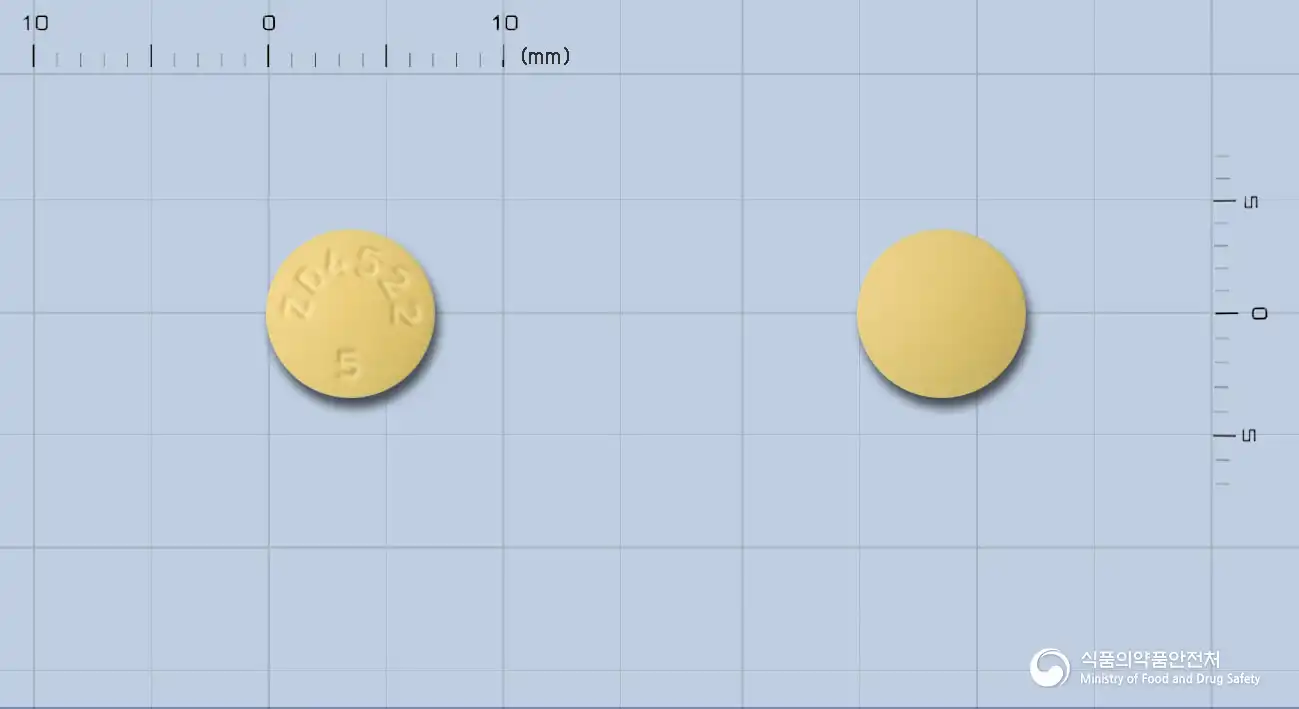
Rosuvastatin Calcium 5.2mg
Tablet · Prescription medication
AstraZeneca Korea Co., Ltd.
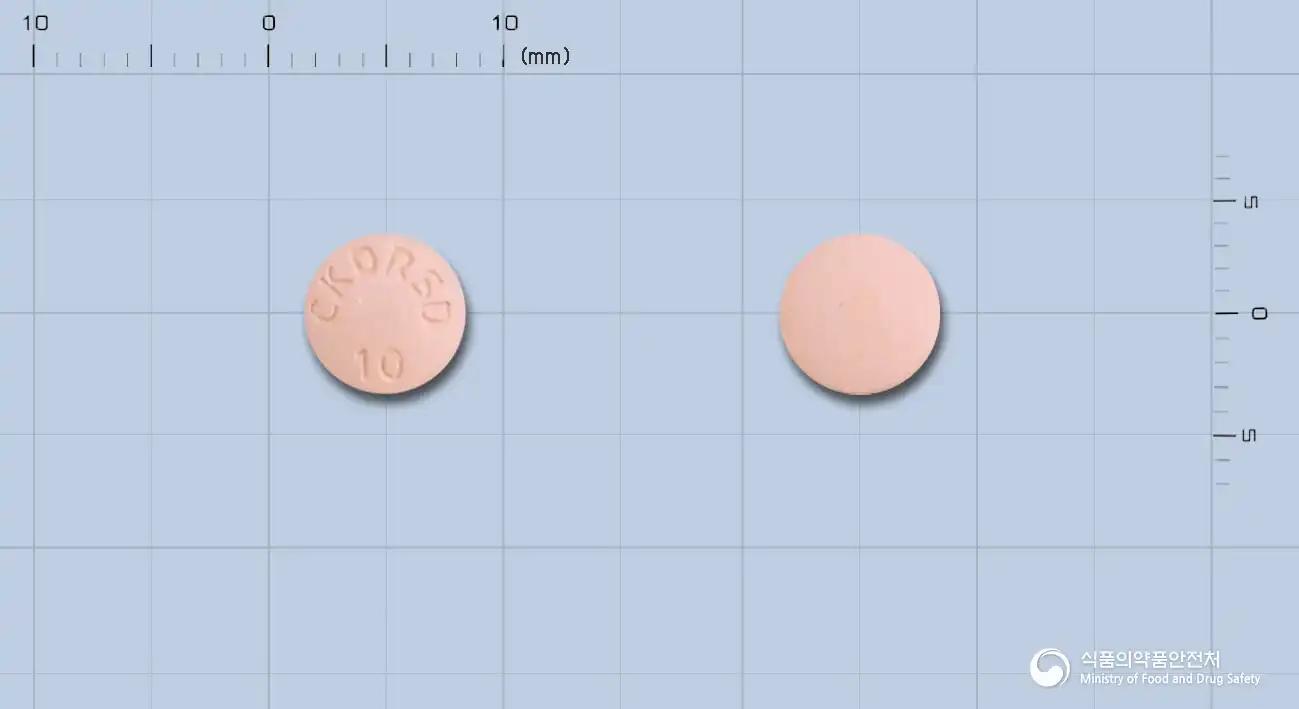
Rosuvastatin Calcium 10.4mg
Tablet · Prescription medication
Chong Kun Dang Pharmaceutical Corp.
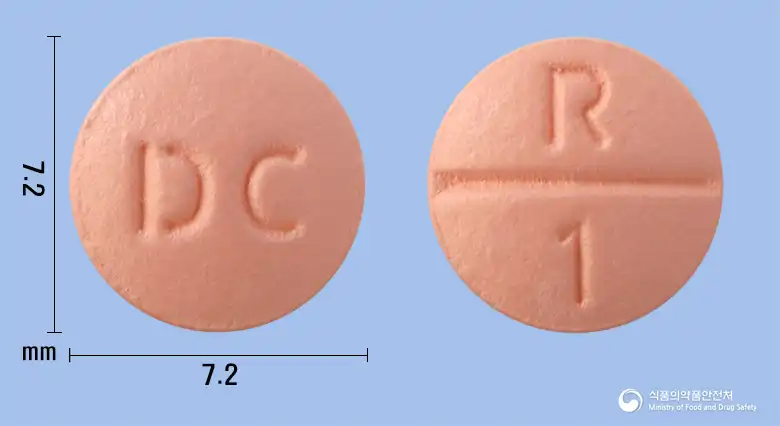
Rosuvastatin Calcium 10.4mg
Tablet · Prescription medication
Dong Gu Bio Pharmaceutical Co., Ltd.
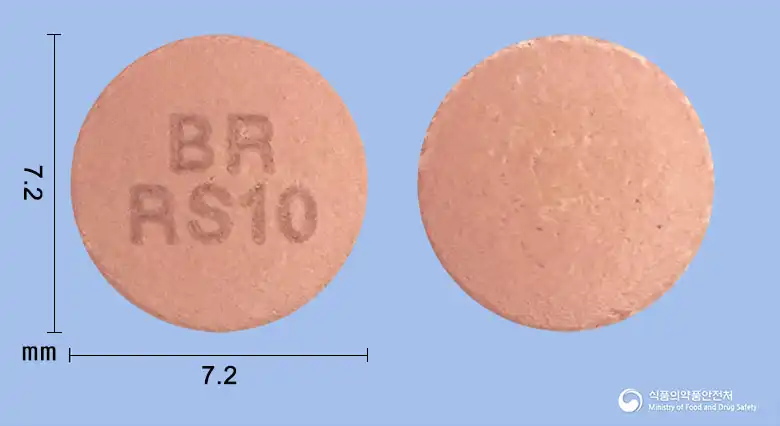
Rosuvastatin Calcium 10.4mg
Tablet · Prescription medication
Boryung Pharmaceutical Co., Ltd.
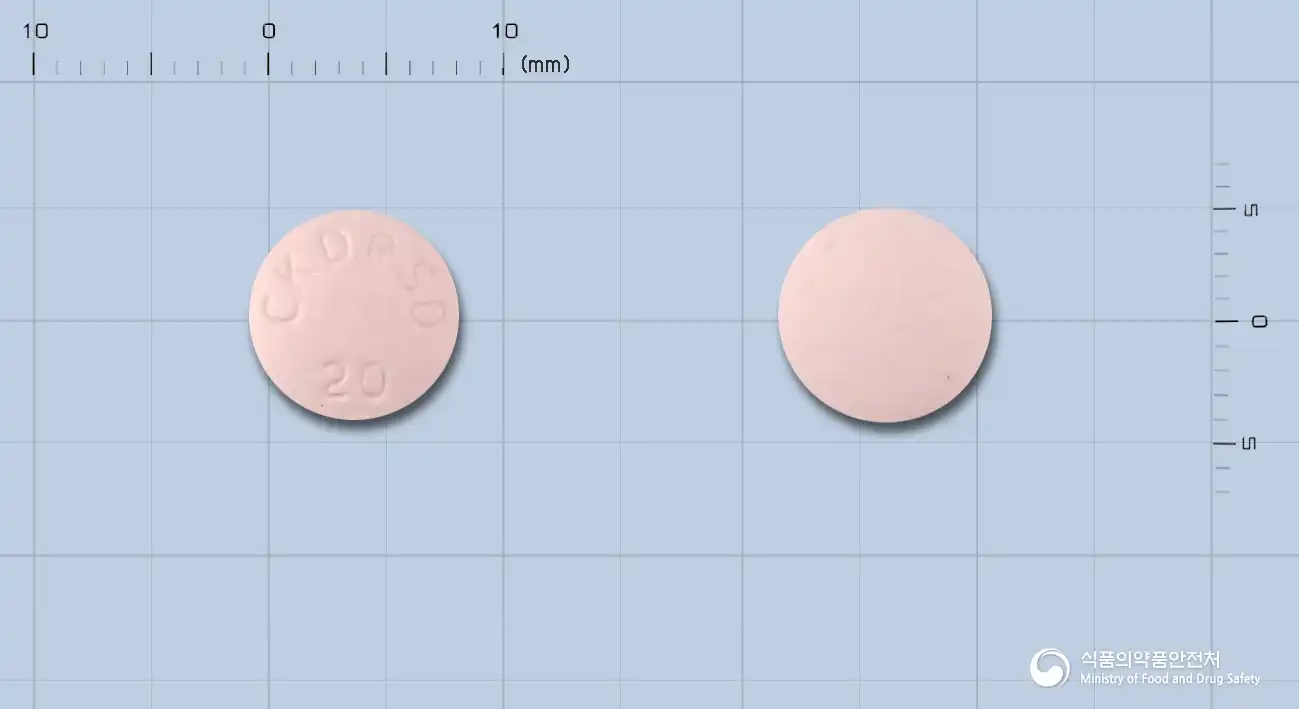
Rosuvastatin Calcium 20.8mg
Tablet · Prescription medication
Jongkundang Co., Ltd.
Even with the same ingredient, the dose and directions can differ by strength and dosage form. Talk to a doctor or pharmacist before switching from a medication you are already taking.
No questions yet.
For anything that needs medical judgment, consult a doctor or pharmacist.
This drug information is based on data provided by the Korea Ministry of Food and Drug Safety.
Consult a doctor or pharmacist for accurate dosage, administration, and usage instructions.