
 한국어
 English
 日本語
 中文(简体)
 Viewing now
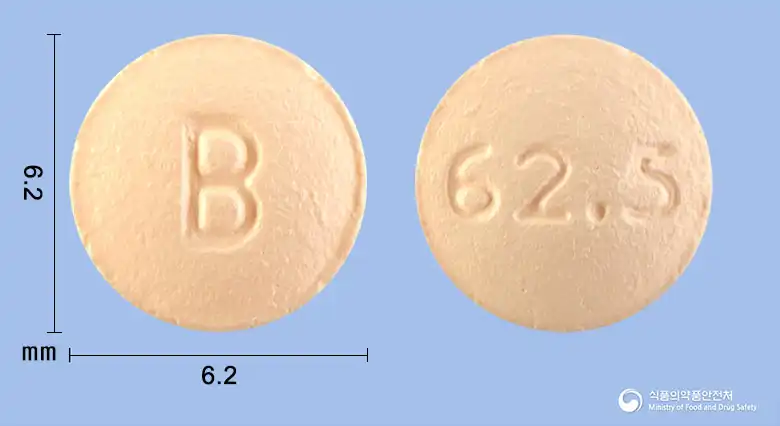
Canabosen Tablets 62.5 mg (Bosentan anhydrous)
Bosentan Hydrate 64.541mg
Tablet · Prescription medication
PharmaScience Korea Co., Ltd.
MFDS item code 202003657 · Approved 2020.05.20 · Insurance code 627600230
Improvement of symptoms of pulmonary arterial hypertension and delay of disease worsening; prevention of digital ulcers in systemic sclerosis
This medication helps improve exercise capacity and symptoms in patients with pulmonary arterial hypertension. It is particularly effective in patients classified as WHO functional class III and IV, and it is also used to delay clinical worsening in class II patients. Additionally, it reduces the occurrence of new ulcers in patients with active hand and foot ulcers due to systemic sclerosis. In this way, it helps enhance the quality of life for patients.
<Pulmonary arterial hypertension> Treatment should be initiated and monitored by a physician experienced in treating patients with pulmonary arterial hypertension. The dose should be appropriately adjusted according to the patient's symptoms, tolerability, etc. As the initial dose, administer 62.5mg twice daily for the first 4 weeks of treatment. Starting in week 5, administer the maintenance dose of 125mg twice daily. This medicine should be taken in the morning and evening, with or without food. The risk of liver injury increases at doses exceeding 250mg per day. <Active digital ulcers associated with systemic sclerosis> Treatment should be initiated and monitored by a physician experienced in treating systemic sclerosis. As the initial dose, administer 62.5mg twice daily for the first 4 weeks of treatment, followed thereafter by the maintenance dose of 125mg twice daily. This medicine should be taken in the morning and evening, with or without food. The treatment duration in clinical trials conducted for this indication was 6 months. The patient's response to treatment and whether to continue treatment should be reassessed regularly. In view of the hepatotoxicity of this medicine, the benefits should be carefully weighed against the risks. <Special populations> *Dosage adjustment and monitoring for aminotransferase levels outside the normal range Liver enzyme level (ALT/AST level) Treatment and monitoring recommendations 3 x ULN < liver enzyme level ≤ 5 x ULN If repeat aminotransferase testing confirms an abnormal result, reduce the daily dose or discontinue treatment and monitor aminotransferase levels every 2 weeks. If aminotransferase levels return to pretreatment levels, continue treatment or restart treatment using an appropriate regimen. 5 x ULN < liver enzyme level ≤ 8 x ULN If repeat aminotransferase testing confirms an abnormal result, discontinue treatment and monitor aminotransferase levels every 2 weeks. If aminotransferase levels return to pretreatment levels, restart treatment using an appropriate regimen. > 8 x ULN Treatment should be discontinued, and this medicine should not be administered again. ※ULN (Upper Limits of Normal) If this medicine is administered again, restart treatment at the initial dose. Check AST and ALT values within 3 days after administration and again after 2 weeks, then administer the medicine with reference to the dosage regimen and timing of liver function tests described above. If elevated aminotransferase levels are accompanied by clinical symptoms of liver injury (e.g., nausea, vomiting, fever, abdominal pain, jaundice, lethargy, malaise, or fatigue) and elevated bilirubin (≥ 2 x ULN), treatment should be discontinued. ㆍ Women of childbearing potential Perform a pregnancy test before administering this medicine. Administer this medicine only if the test result is negative and the patient is using an appropriate method of contraception. Women of childbearing potential receiving this medicine should undergo pregnancy testing every month. (Refer to the Warnings section under Precautions for Use.) ㆍ Patients with renal impairment No dose adjustment is necessary in patients with renal impairment. ㆍ Patients with hepatic impairment No dose adjustment is necessary in patients with mild hepatic impairment; however, use with caution. This medicine should not be administered to patients with moderate to severe hepatic impairment. ㆍ Elderly patients There is insufficient clinical experience with use in patients aged 65 years or older. In general, physiological function is reduced in elderly patients; therefore, use caution when selecting the dose. ㆍ Patients with low body weight Systemic sclerosis with active digital ulcers: Experience in patients weighing less than 40kg is limited. <Discontinuation of treatment> Experience with abrupt discontinuation of this medicine is limited. No acute rebound effects have been observed; however, gradual dose reduction should be considered to prevent clinical worsening due to potential rebound effects (reduce the dose to 1/2 of the dose over 3~7 days). Careful monitoring is recommended during the period of discontinuation. If discontinuation of this medicine is decided, it should be tapered gradually while alternative treatment is initiated.
Pulmonary arterial hypertension: Safety and efficacy have not been established in children under 12 years of age. Active digital ulcers associated with systemic sclerosis: No data are available on safety and efficacy in patients under 18 years of age. Pulmonary arterial hypertension: For patients weighing less than 40kg (12 years of age or older), an initial and maintenance dose of 62.5mg twice daily is recommended.
This drug carries a risk of liver damage, so liver function tests should be performed at least once a month before starting and during treatment. Especially during the first three months of treatment, it is recommended to check liver enzyme levels every two weeks. If liver enzyme levels exceed normal ranges or symptoms of liver damage (e.g., nausea, vomiting, fever, abdominal pain, jaundice, fatigue, etc.) occur, consult a doctor immediately to reduce the dosage or discontinue use. This drug may harm the fetus if taken during pregnancy, so women of childbearing potential should confirm their pregnancy status before taking it and use reliable contraceptive methods. Routine pregnancy tests should be done monthly during treatment, and additional contraceptive methods should be used alongside hormonal contraception alone, as it may not be sufficient. Patients with significantly impaired liver function or those taking certain medications should not take this drug. This drug can lower blood pressure, so hypotensive patients should take it with caution and should not take it if their blood pressure is too low. Additionally, this drug can decrease hemoglobin levels, so regular blood tests should be conducted after starting treatment. This drug can interact with other medications, so anyone currently taking medications should inform their doctor or pharmacist. Care should be taken when taken with certain immunosuppressants, diabetes medications, antifungals, antivirals, warfarin, etc. Side effects such as headache, edema, dizziness, and dyspepsia may occur, and if symptoms are severe, medical consultation is necessary. This drug should be given to children or the elderly with caution, as overdose may lead to severe hypotension. Finally, this drug should be stored out of reach of children and is best kept in its original container.
Not everyone experiences these, and they can vary from person to person.
This medication may be sensitive to air or moisture, so it should be stored in a tightly sealed container. It is recommended to maintain a storage temperature between 1 degree and 30 degrees Celsius. Proper storage helps maintain the drug's effectiveness and safety.
Light apricot-colored round film-coated tablet
60 tablets/box [15 tablets/PTP x 4]
Even with the same ingredient, strength, dosage form and how it is taken can differ.
Viewing nowBosentan Hydrate 64.541mg
Tablet · Prescription medication
PharmaScience Korea Co., Ltd.
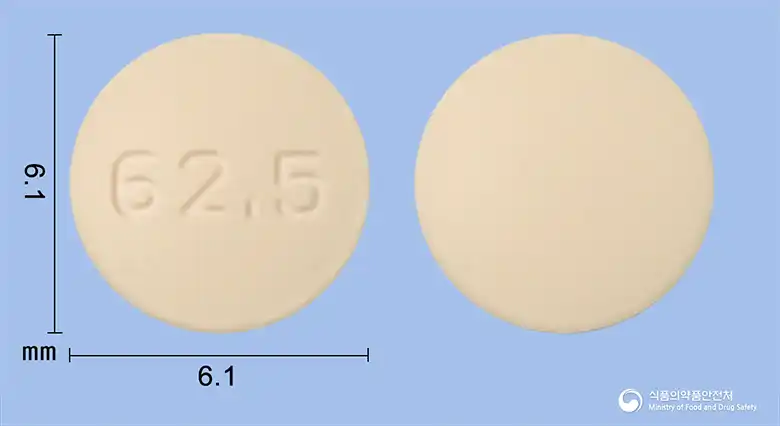
Bosentan Hydrate 64.541mg
Tablet · Prescription medication
(Co., Ltd.) Janssen Korea
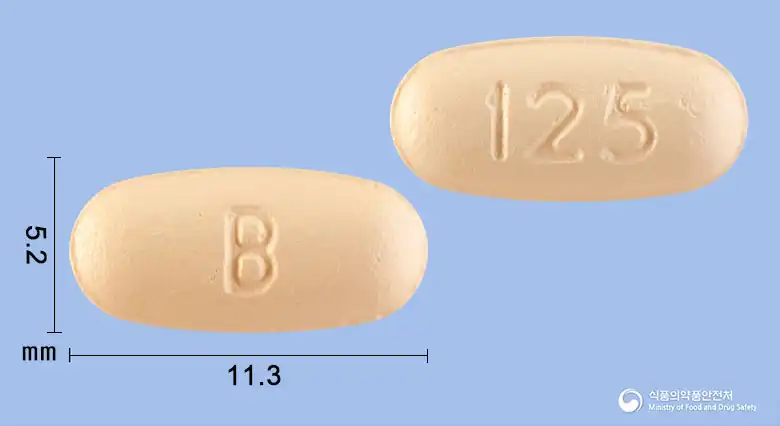
Bosentan Hydrate 129.082mg
Tablet · Prescription medication
PharmaScience Korea Co., Ltd.
Even with the same ingredient, the dose and directions can differ by strength and dosage form. Talk to a doctor or pharmacist before switching from a medication you are already taking.
No questions yet.
For anything that needs medical judgment, consult a doctor or pharmacist.
This drug information is based on data provided by the Korea Ministry of Food and Drug Safety.
Consult a doctor or pharmacist for accurate dosage, administration, and usage instructions.