
 한국어
 English
 日本語
 中文(简体)
Dosage form image
Viewing nowCarvedilol Tablet (Carvedilol)
Carvedilol 25mg
Tablet · Prescription medication
KS Pharmaceutical Co., Ltd.
MFDS item code 202003254 · Approved 2020.05.04
This product's status changed to Expired on 2025.05.04. It may no longer be sold, so consult a doctor or pharmacist before taking it.
Treatment of essential hypertension and chronic stable angina
Used for essential hypertension and chronic stable angina.
Do not increase the dose or stop taking this medicine without your doctor's instructions. 1. Essential hypertension 1) Adults (1) Administer 12.5 mg of carvedilol orally once daily for the first 2 days, then administer 25 mg orally once daily. (2) The usual dose is 25 mg orally once daily for 2 weeks. If an increase is needed, increase to 25 mg per dose twice daily. The maximum dose per administration is 25 mg, and the maximum daily dose is 50 mg. 2) Older adults In some older adults, 12.5 mg once daily may provide an adequate effect. However, if the effect is insufficient after 2 weeks of treatment, the dose may be increased. 2. Chronic stable angina 1) Administer 12.5 mg of this medicine per dose twice daily for the first 2 days, then administer 25 mg per dose twice daily. 2) The usual dose is 25 mg per dose twice daily for 2 weeks. If an increase is needed (except in older adults), the dose may be increased to 50 mg per dose twice daily.
This medication should not be used in certain patients. For example, individuals who have had allergic reactions to this medication or its components, patients with severely impaired cardiac function, those with very slow heart rates or conduction issues, patients with asthma or chronic lung diseases may experience worsening symptoms if they take this medication. Moreover, patients with metabolic abnormalities due to diabetes or severe liver impairment, as well as pregnant or breastfeeding women, should not take this medication. Patients with genetic lactose intolerance should also exercise caution. When taking this medication, patients with diabetes, those at risk for allergic reactions, patients with unstable heart conditions, those with impaired kidney function, and elderly individuals should be observed closely. Regular monitoring of blood pressure, heart rate, electrocardiograms, and liver and kidney function is important. This medication may affect the central nervous system, potentially causing dizziness, fatigue, headaches, and heart-related adverse reactions such as a decrease in heart rate, worsening heart failure, and cardiac arrest, so immediate consultation with a healthcare professional is required upon symptom onset. Additionally, this medication can interact with various drugs, so if you are taking other medications, be sure to inform your doctor or pharmacist, especially when combined with antihypertensives, antidepressants, antiarrhythmics, insulin, or hypoglycemic agents. If you are pregnant or breastfeeding, avoid use as it may pose risks to the fetus or newborn, and safety in children and adolescents under 18 has not been established, requiring caution in its use. Elderly patients may experience increased drug concentration due to decreased liver function, so they should start at a low dose and be closely monitored. In cases of overdose, serious symptoms such as decreased blood pressure, reduced heart rate, impaired cardiac function, and difficulty breathing may occur, and immediate medical attention should be sought along with appropriate emergency care. Lastly, this medication may discolor due to light exposure, so it must be stored in a light-blocking container and kept out of reach of children. Do not arbitrarily stop or adjust the dosage, and always take it according to your doctor's instructions for safety.
Not everyone experiences these, and they can vary from person to person.
This medication may be sensitive to light, so it should be stored in a container that blocks light. Additionally, it is best to store the drug at room temperature, that is, between 1 degree and 30 degrees Celsius. This will help maintain the drug's efficacy and safety.
White round tablet
90 tablets/PTP [(10 tablets/PTP*9)]
Even with the same ingredient, strength, dosage form and how it is taken can differ.
Carvedilol 25mg
Tablet · Prescription medication
KS Pharmaceutical Co., Ltd.
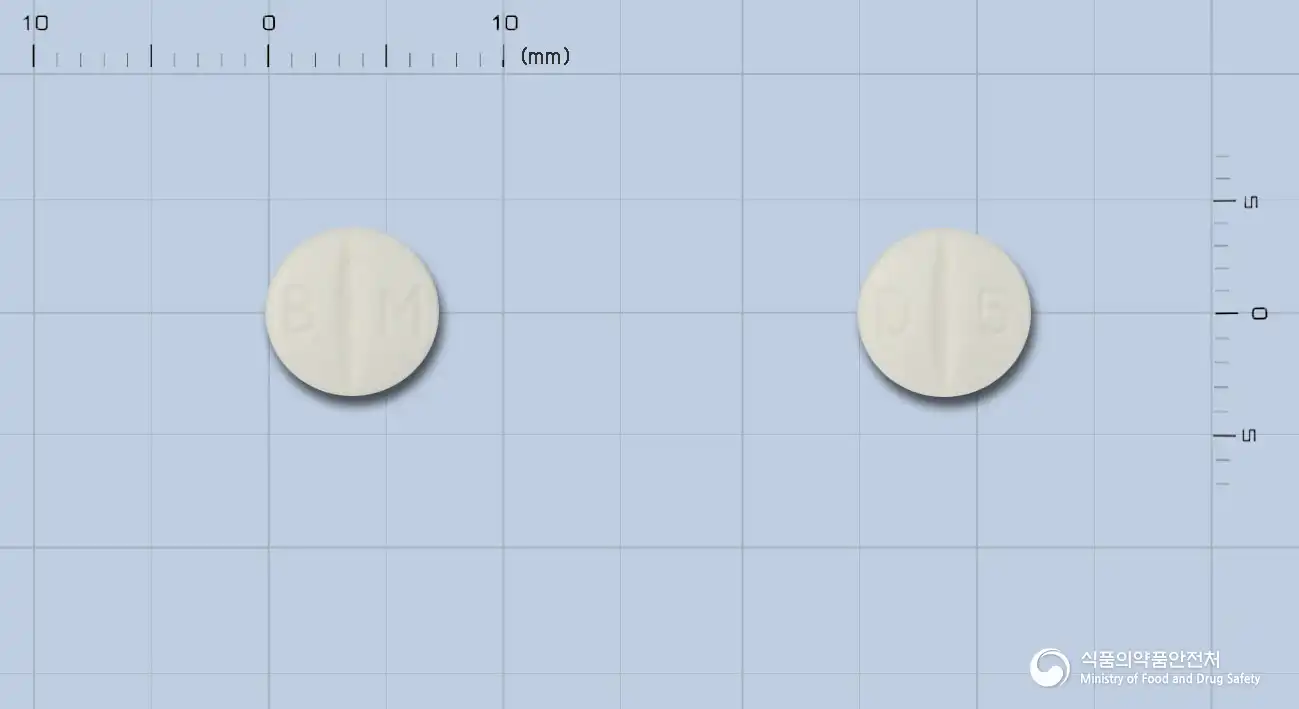
Carvedilol 25mg
Tablet · Prescription medication
Jongkun Dang Co., Ltd.
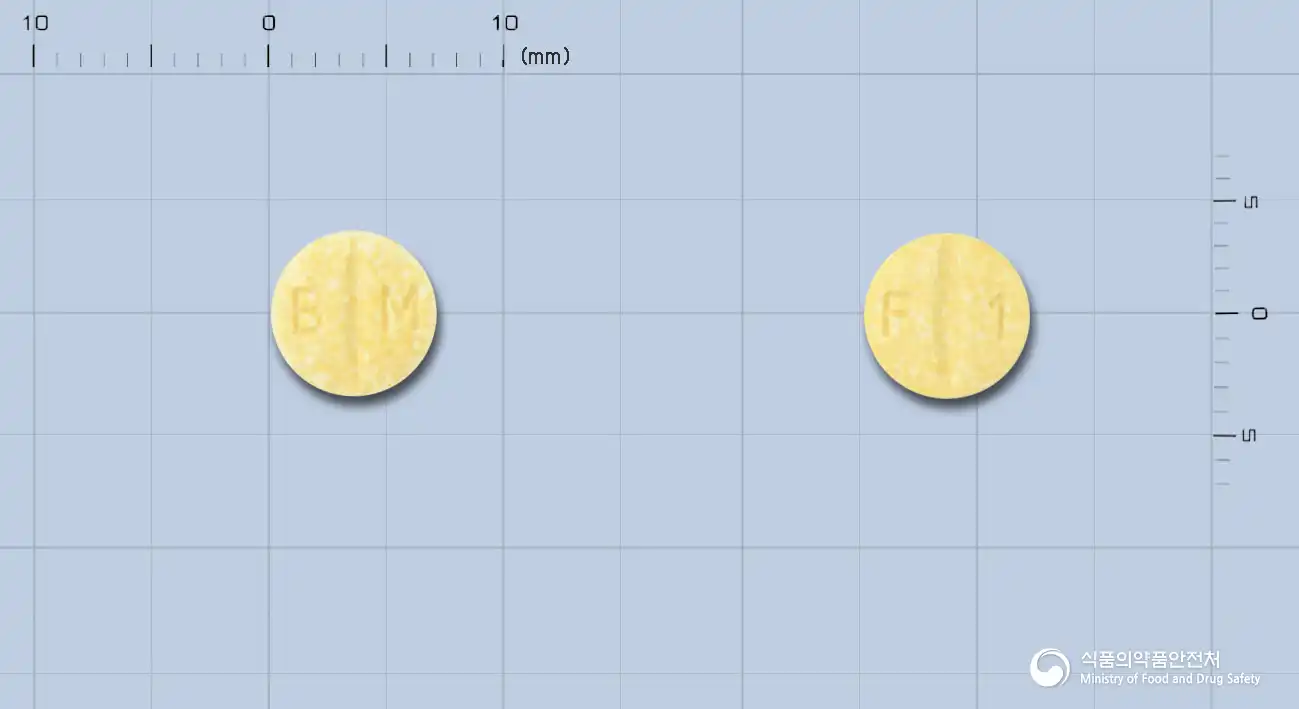
Carvedilol 6.25mg
Tablet · Prescription medication
Jongkundang Co., Ltd.
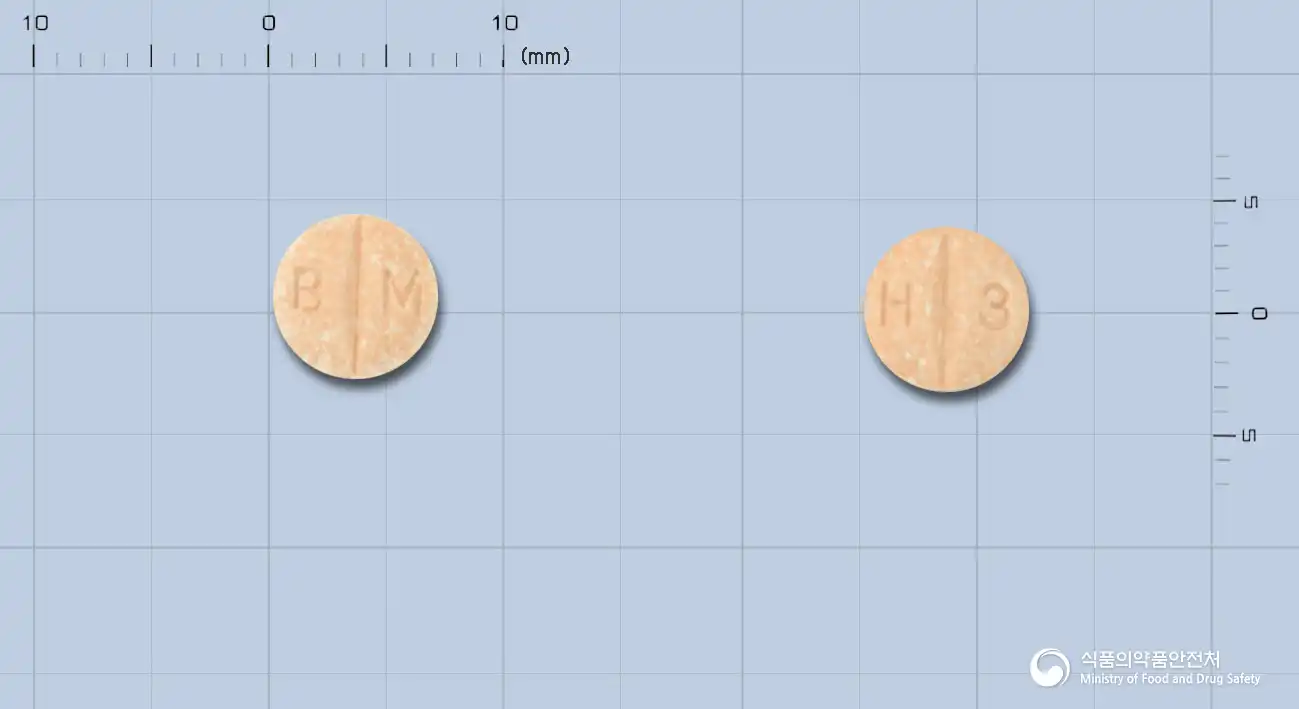
Carvedilol 12.5mg
Tablet · Prescription medication
Jongkundang Co., Ltd.
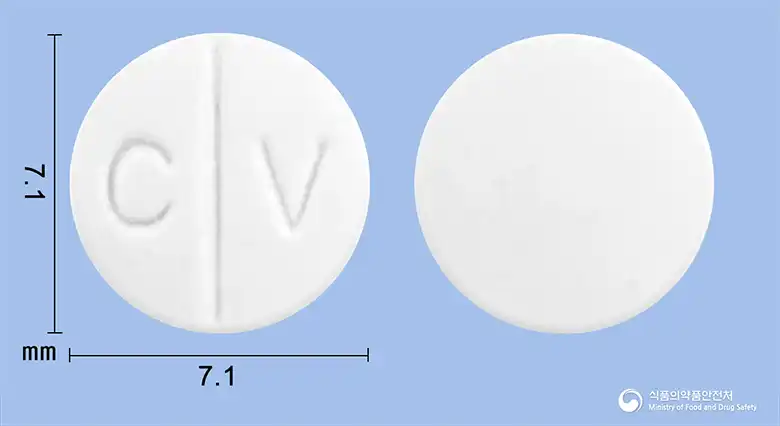
Carvedilol 25mg
Tablet · Prescription medication
Hanmi Pharmaceutical Co., Ltd.
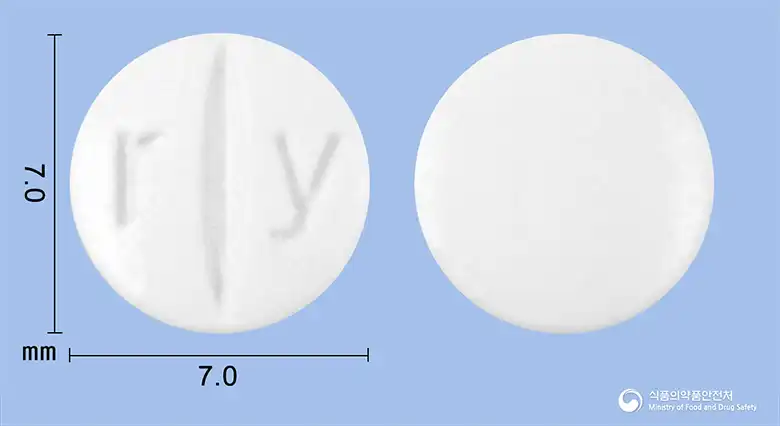
Carvedilol 25mg
Tablet · Prescription medication
Lee Yeon Pharmaceuticals Co., Ltd.
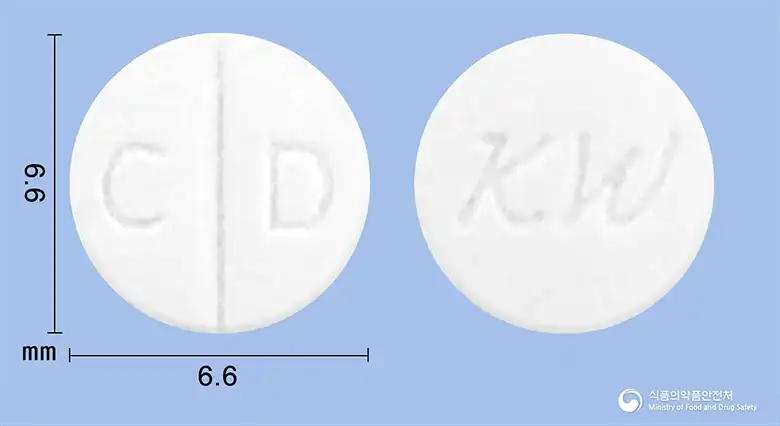
Carvedilol 25mg
Tablet · Prescription medication
Albozen Korea Co., Ltd.
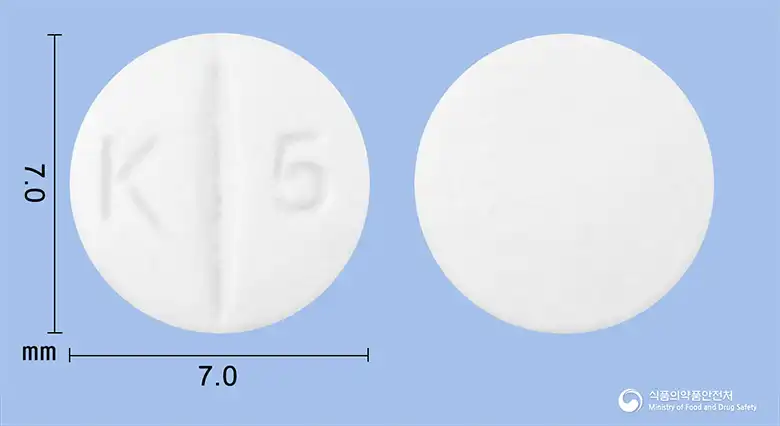
Carvedilol 25mg
Tablet · Prescription medication
Myungin Pharmaceutical Co., Ltd.
Even with the same ingredient, the dose and directions can differ by strength and dosage form. Talk to a doctor or pharmacist before switching from a medication you are already taking.
No questions yet.
For anything that needs medical judgment, consult a doctor or pharmacist.
This drug information is based on data provided by the Korea Ministry of Food and Drug Safety.
Consult a doctor or pharmacist for accurate dosage, administration, and usage instructions.