
 한국어
 English
 日本語
 中文(简体)
Dosage form image
Viewing nowTacrolimus Capsule 1mg (Tacrolimus Hydrate)
Tacrolimus Hydrate 1.02mg
Hard capsule · Prescription medication
Aprogen Pharmaceuticals, Co., Ltd.
MFDS item code 202002941 · Approved 2020.04.23
This product's status changed to Expired on 2025.04.23. It may no longer be sold, so consult a doctor or pharmacist before taking it.
Prevention of transplant rejection and graft-versus-host disease; treatment of autoimmune diseases (rheumatoid arthritis, etc.)
This medication is used to suppress rejection reactions that may occur after kidney and liver transplants. It also helps prevent tissue transplant rejection and graft-versus-host disease after bone marrow transplantation. For chronic rheumatic arthritis, it is used in patients who do not achieve adequate effects with conventional antirheumatic agents. In the treatment of lupus nephritis, it is used when steroid monotherapy is insufficient or causes side effects, helping to maintain long-term remission. This medication is used in patients with myasthenia gravis who do not respond to other immunosuppressive therapies or where administration is difficult due to adverse reactions. It is effectively utilized for various autoimmune and transplant rejection related diseases.
Suppression of rejection in kidney transplantation Usually, the initial dose for adults is 0.10~0.15mg/kg of tacrolimus per dose, administered orally twice daily, followed by gradual dose reduction. The maintenance dose should be adjusted as appropriate according to symptoms, with reference to the “recommended trough blood concentration.” Suppression of rejection in liver transplantation Usually, the initial dose for adults is 0.05~0.10mg/kg of tacrolimus per dose, administered orally twice daily, followed by gradual dose reduction. The maintenance dose should be adjusted as appropriate according to symptoms, with reference to the “recommended trough blood concentration.” General considerations for kidney and liver transplantation The initial doses given above are intended only as guidelines. Administration of this drug should be based primarily on clinical assessment of rejection and tolerability, together with measurement of blood concentrations in each individual patient (see “Recommended trough blood concentration” below). If clinical symptoms of rejection are evident, a change in the immunosuppressive treatment regimen should be considered. Recommended trough blood concentrations (whole blood trough level) in kidney and liver transplantation Several immunoassay methods, including the semi-automated microparticle enzyme immunoassay (MEIA), are available for monitoring tacrolimus whole blood concentrations (whole blood level) to optimize the dosage. Comparisons between blood concentrations reported in published literature and those measured in actual clinical practice should be made based on detailed knowledge of the assay method used. In recent clinical practice, immunoassay methods are used to monitor whole blood concentrations. Tacrolimus trough blood concentrations should be monitored continuously. When this drug is administered orally, the tacrolimus trough blood concentration should be measured immediately before the next dose (approximately 12 hours after the previous dose). The frequency of blood concentration measurements depends on clinical need. Because tacrolimus has a low clearance, changes in blood drug concentrations may take several days to appear after a dosage adjustment. During the initial period after transplantation, monitoring should be performed approximately twice a week, and regularly during the maintenance period. Trough blood concentrations should be monitored when the dosage is adjusted, immunosuppressive treatment is changed, or this drug is coadministered with drugs that may affect tacrolimus whole blood concentrations (see “Interactions”). According to the results of clinical trial analyses, successful outcomes were achieved in most patients when tacrolimus trough blood concentrations were maintained below 20ng/mL. The patient’s clinical condition should be taken into account when interpreting blood concentrations. Recommended trough blood concentrations: In clinical practice, early post-transplant trough blood concentrations were 5~20ng/mL in liver transplant patients and 10~20ng/mL in kidney transplant patients. During the subsequent maintenance period, trough blood concentrations were 5-15ng/mL in liver and kidney transplant patients. Bone marrow transplantation: Prevention of tissue graft rejection and graft-versus-host disease following bone marrow transplantation Usually, starting 1 day before transplantation, 0.06mg/kg of tacrolimus per dose is administered orally twice daily. During the initial period after transplantation, 0.06mg/kg of tacrolimus per dose is administered orally twice daily, followed by gradual dose reduction. In addition, when administration of this drug is initiated after the onset of graft-versus-host disease, the usual dose is 0.15mg/kg of tacrolimus per dose, administered orally twice daily. The dose should also be adjusted as appropriate according to symptoms. Since absorption of this product is variable when administered orally and differs among patients, blood concentrations should be measured according to the patient’s condition, and the dose adjusted with reference to the trough level, in order to prevent adverse effects when blood concentrations are high and rejection and graft-versus-host disease when blood concentrations are low. Blood concentrations should be measured frequently, particularly immediately after transplantation or initiation of treatment. Also, caution is advised because adverse effects are more likely to recur when trough blood concentrations remain above 20ng/mL for a prolonged period. Chronic rheumatoid arthritis The usual adult dose is 3mg of tacrolimus orally once daily after the evening meal. Regular monitoring is required in patients who develop adverse reactions. The usual dose for elderly patients is 1.5mg orally once daily after the evening meal, and may be increased to 3mg according to symptoms. Lupus nephritis The usual adult dose is 3mg of tacrolimus orally once daily after the evening meal. In clinical trials, when the effect was insufficient at 12 weeks after treatment initiation and there were no safety concerns, this drug was administered at 4 mg/day for 4 weeks to confirm safety and then increased to up to 5 mg/day. If adverse reactions were observed, the dose was appropriately reduced in 0.5 mg or 1 mg increments, taking the patient’s condition into consideration. In addition, when a sufficient effect on lupus nephritis was achieved, this drug was reduced to the dose that maintained the effect. Myasthenia gravis For adults, 3mg of tacrolimus is administered orally once daily after a meal.
Prevention of rejection in kidney transplantation: For children, administer 0.15mg/kg per dose orally 2 times daily, followed by gradual dose reduction. Prevention of rejection in liver transplantation: For children, administer 0.15mg/kg per dose orally 2 times daily, followed by gradual dose reduction.
This medication is an immunosuppressant, which may increase susceptibility to infections. Therefore, patients using this medication should carefully monitor for signs of infection. This medication may affect kidney function, leading to an increased risk of impaired kidney function. Regular kidney function tests are necessary, and dose adjustments or discontinuation may be required if abnormalities are found. Hyperkalemia, i.e., increased potassium levels in the blood, can occur, so potassium levels should be monitored frequently through blood tests. It is advisable not to take potassium-sparing diuretics together with this medication. This medication can affect the nervous system, causing headaches, tremors, changes in mental state, and seizures; if these symptoms occur, immediate consultation with medical personnel is necessary. Long-term use may increase the risk of malignant tumors such as lymphoma or skin cancer, so regular check-ups are needed. Due to immunosuppression, the risk of opportunistic infections such as latent viral infections or fungal infections may increase, so attention should be paid to infection prevention and early detection. This medication may cause increased side effects when used in combination with other immunosuppressants, so it should be used under the guidance of a specialist. During pregnancy, it may affect the fetus, so patients who plan to become pregnant or are pregnant should consult their doctor before taking it, and discontinuing breastfeeding is recommended during treatment. Children, the elderly, and patients with impaired liver or kidney function may have a higher risk of side effects from this medication, necessitating more careful administration. Regular monitoring of blood drug levels during treatment is important to maintain appropriate dosages. In overdose situations, serious side effects may occur in the kidneys, pancreas, and nervous system, so the dosage must be strictly adhered to. This medication can interact with certain foods and various medicines, such as grapefruit juice, so it is essential to inform healthcare providers of any concurrent medications or dietary habits. During treatment, cardiac function, blood pressure, blood sugar, and various health conditions should be consistently monitored, and if any abnormal symptoms occur, immediate consultation with a doctor is necessary.
Increased susceptibility to infections, possibility of lymphoma, increased serum creatinine, hyperkalemia, decreased urine output, hyperuricemia, progressive kidney dysfunction, increased blood urea, proteinuria, tremor, headache, changes in motor function, changes in mental state, changes in sensory function, seizures, coma, delirium, posterior reversible encephalopathy syndrome (PRES), fever, lymphoproliferative disorders, BK virus-associated nephropathy, JC virus-associated PML, CMV infection, transplant rejection, insulin-dependent post-transplant diabetes, hyperglycemia, heart dysfunction, heart failure, ventricular and supraventricular arrhythmias, myocardial infarction, angina, pericardial effusion, QT prolongation, Torsades de pointes, acute renal failure, nephrotic syndrome, thrombotic microangiopathy, pancytopenia, thrombocytopenic purpura, pure red cell aplasia, agranulocytosis, hemolytic anemia, intestinal obstruction, bacterial infections, viral infections, fungal infections, protozoal infections, reversible posterior encephalopathy syndrome, cerebral infarction, cerebral hemorrhage, aspiration pneumonia, worsening of diabetes, pancreatitis, Stevens-Johnson syndrome, respiratory distress, acute respiratory distress syndrome, myasthenic crisis, hypertension, edema, tachycardia, palpitations, ECG abnormalities, hypotension, bradycardia, ataxia, hallucinations, sensory abnormalities, anxiety, delirium, insomnia, paresthesia, eye twitching, limb rigidity, paralysis, drowsiness, confusion, loss of sensation in areas, nonsensical speech, depression, agitation, chest pain, abdominal distension, bowel motility disorders, loss of appetite, diarrhea, abdominal pain, gastric ulcer, duodenal ulcer, colitis, stomatitis, nausea, vomiting, melena, hematochezia, gastrointestinal perforation, elevated amylase, hepatic dysfunction, jaundice, anemia, increased or decreased platelet count, leukopenia, leukocytosis, lymphocytopenia, pruritus, hair loss, erythema, rash, tubular necrosis, hypertrophic cardiomyopathy, gynecomastia, vasodilation, decreased plasma phosphate concentration, pleural effusion, ascites, asthma, weight loss, flushing, general malaise, menorrhagia, myalgia, arthralgia, dysgeusia, aplastic anemia, cerebral infarction, toxic epidermal necrolysis, glaucoma, ketosis, nystagmus, mania, meningitis, cholecystitis, thrombophlebitis, thrombosis, vasculitis, foreign body sensation in the throat, pain, ocular pain, redness, sweating, thirst, temperature changes, optic neuropathy, febrile neutropenia, tremor, diarrhea, hypertension, nausea, headache, insomnia, sensory abnormalities, dizziness, dyspepsia, chest pain, urinary tract infection, polyuria, hypophosphatemia, hyperlipidemia, thrombocytopenia, fever, low back pain, pleural effusion, atelectasis, dyspnea, heartburn, epigastric discomfort, retinopathy, cardiac arrest, chest pain, leg pain, low back pain, hyperglycemia, diabetes, cytomegalovirus infection, uterine leiomyoma, cardiac arrest, dysphagia, hoarseness, cold, herpes zoster
Not everyone experiences these, and they can vary from person to person.
This medication must be stored in a tightly sealed container to protect it from air and moisture. It is best kept at a cool room temperature, between 1 to 30 degrees Celsius.
White hard capsules containing white powder
100 capsules/PTP [(10 capsules/PTP × 10)]
Even with the same ingredient, strength, dosage form and how it is taken can differ.
Tacrolimus Hydrate 1.02mg
Hard capsule · Prescription medication
Aprogen Pharmaceuticals, Co., Ltd.
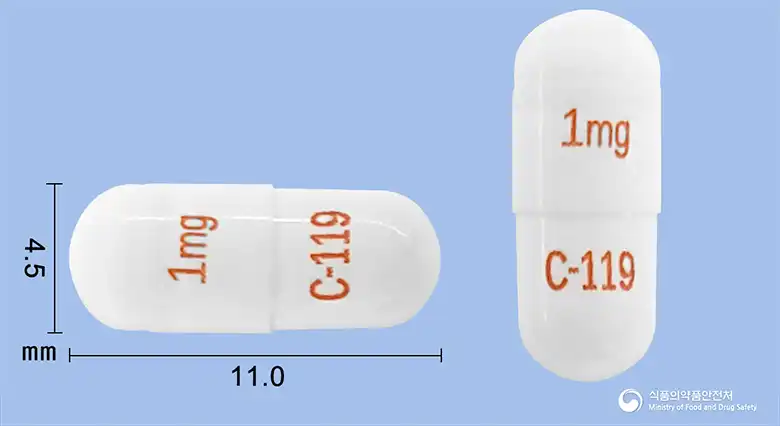
Tacrolimus Hydrate 1.02mg
Hard capsule · Prescription medication
Chongkundang Corporation
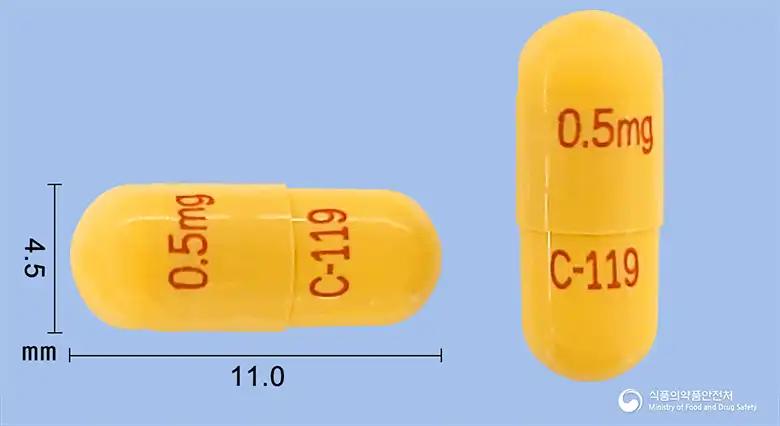 Combination
Tacrolimus Hydrate 0.51mg · Tacrolimus Hydrate 0.51mg
Hard capsule · Prescription medication · Combination
Chongkundang Corporation
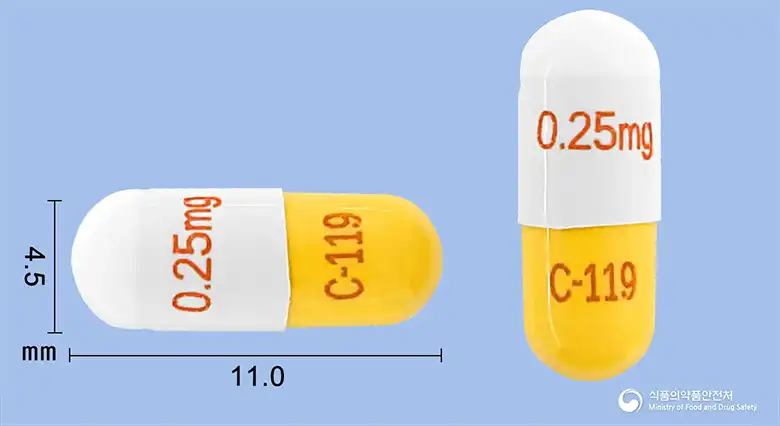
Tacrolimus Hydrate 0.255mg
Hard capsule · Prescription medication
Chongkundang Corporation
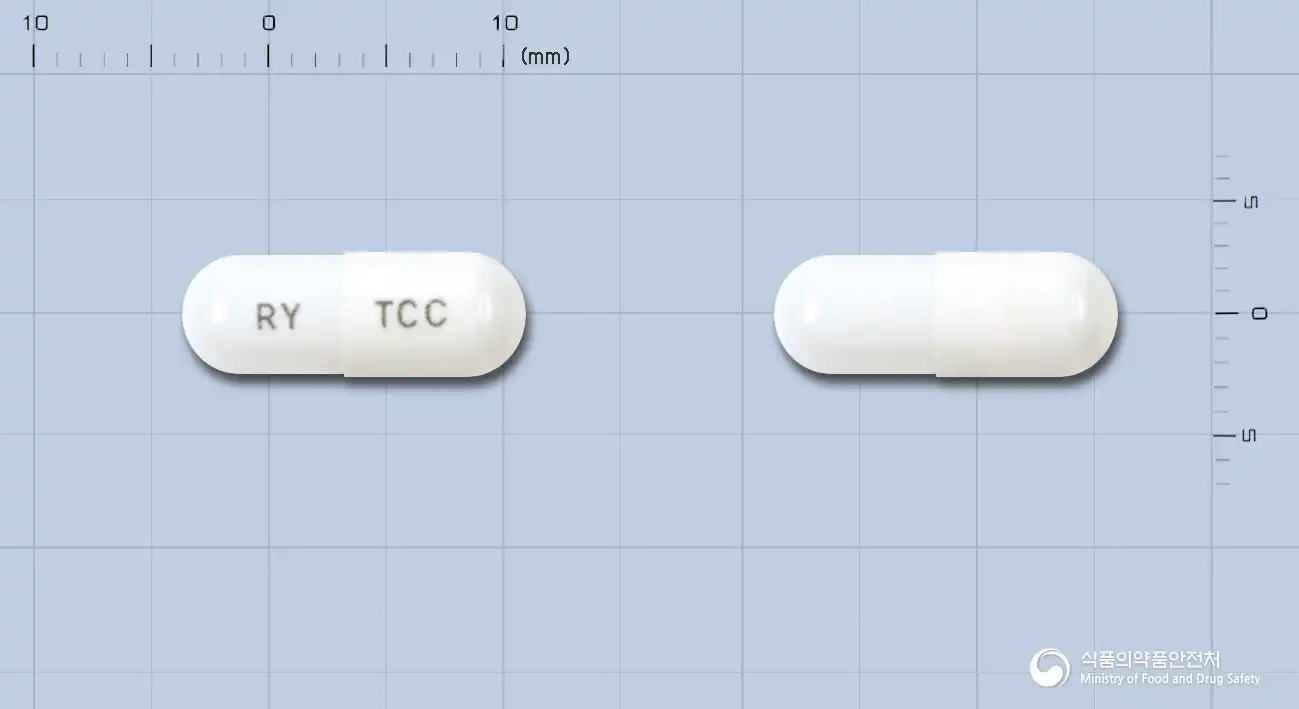
Tacrolimus Hydrate 1.02mg
Hard capsule · Prescription medication
Ilyun Pharmaceutical Co., Ltd.
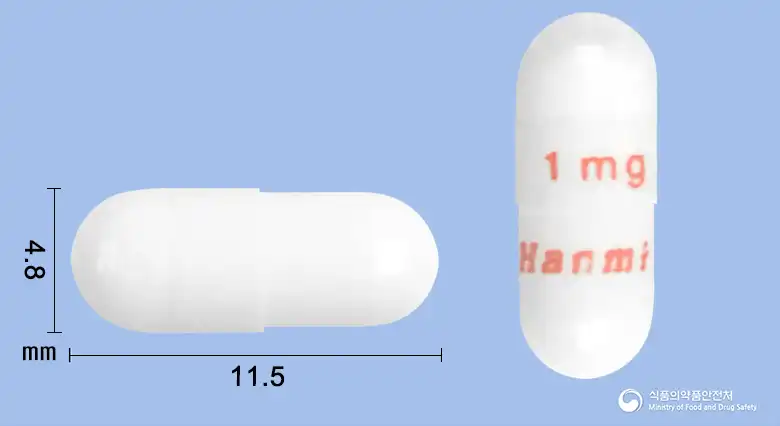
Tacrolimus Hydrate 1.02mg
Hard capsule · Prescription medication
Hanmi Pharmaceutical Co., Ltd.
Tacrolimus Hydrate 5.1mg
Prescription medication
Korea Astellas Pharma Co., Ltd.
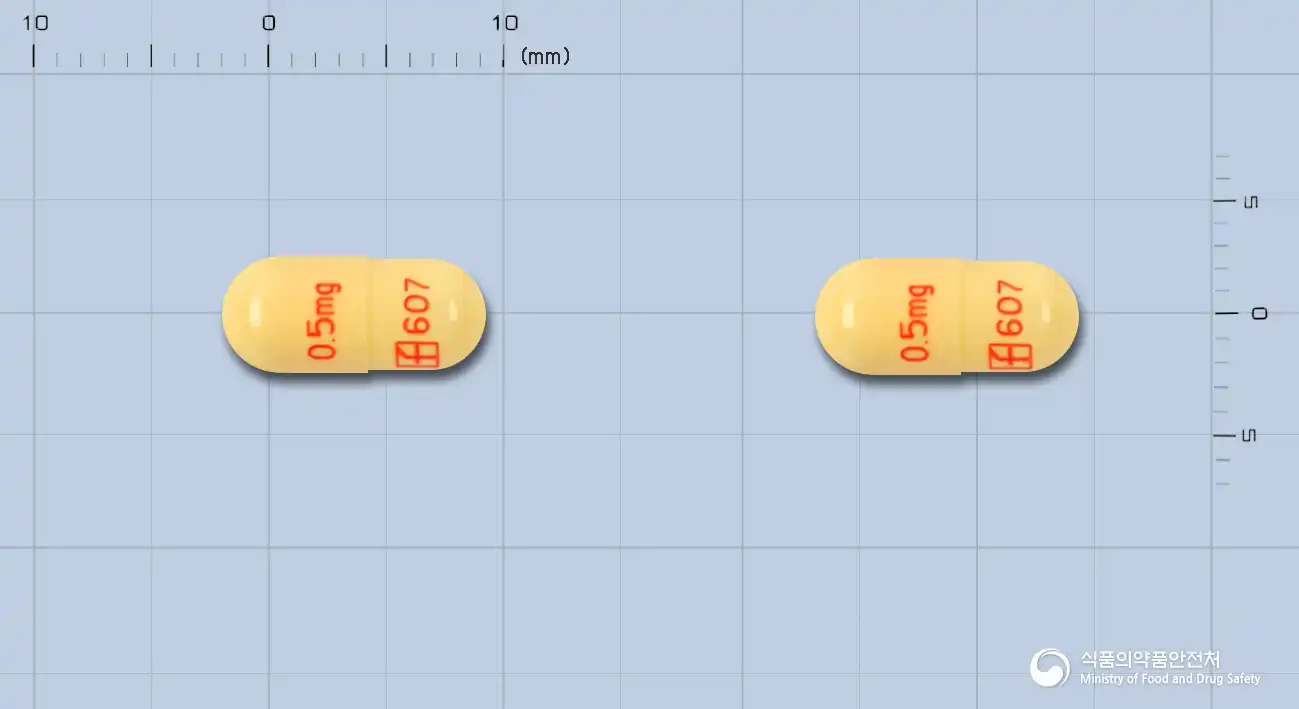
Tacrolimus Hydrate 0.51mg
Hard capsule · Prescription medication
Korea Astellas Pharma Co., Ltd.
Even with the same ingredient, the dose and directions can differ by strength and dosage form. Talk to a doctor or pharmacist before switching from a medication you are already taking.
No questions yet.
For anything that needs medical judgment, consult a doctor or pharmacist.
This drug information is based on data provided by the Korea Ministry of Food and Drug Safety.
Consult a doctor or pharmacist for accurate dosage, administration, and usage instructions.