
 한국어
 English
 日本語
 中文(简体)
 Viewing now
Sepbajung (Cefpodoxime Proxetil)
Cefpodoxime Proxetil 100mg
Tablet · Prescription medication
Ilyeon Pharmaceutical Co., Ltd.
MFDS item code 202002913 · Approved 2020.04.23 · Insurance code 658604260
Treatment of respiratory, ear, nose and throat, skin and soft tissue, genitourinary, and dental infections
This medication is effective against various bacteria such as Staphylococcus, Streptococcus, Streptococcus pneumoniae, and Neisseria gonorrhoeae, and is used to treat multiple diseases. It helps in the treatment of infectious diseases of the skin and soft tissues, including folliculitis, pustular acne, furunculosis, and soft tissue infections. It is also effective against respiratory infections such as mastitis, pharyngotonsillitis, acute bronchitis, and pneumonia. It is used to treat urogenital infections such as pyelonephritis, cystitis, and gonococcal urethritis, as well as Bartholin's gland inflammation, otitis media, and sinusitis. It is effective against oral infections such as periodontitis and periapical infections and is used to treat various bacterial infections.
Adults: Administer cefpodoxime 100mg (potency) orally twice daily after meals. For severe infections or when the response is considered inadequate, administer 200mg (potency) orally twice daily after meals. Adjust the dose appropriately according to age, symptoms, etc.
This medication should not be used in patients who have previously experienced shock due to this drug. This medication contains lactose, so it should not be administered to patients with galactose intolerance, lactase deficiency, or genetic disorders such as glucose-galactose malabsorption. Patients who have had allergic reactions to this medication or similar classes of antibiotics should generally not use it; however, if absolutely necessary, it should be administered with extreme caution. Patients with allergies to penicillin class antibiotics must also use caution. Patients with a family history of bronchial asthma, rashes, or urticaria should use this medication cautiously. In patients with severely impaired kidney function, this medication may not be properly excreted from the body, increasing the risk of side effects, so caution is advised. Patients who cannot take oral medication, the elderly, or those in poor overall condition should be monitored closely for signs of vitamin K deficiency. This medication can rarely cause serious allergic reactions such as shock or anaphylaxis; if any unusual symptoms occur during administration, it should be discontinued immediately. If allergic symptoms such as rashes, urticaria, itching, or fever develop, treatment should be stopped and appropriate care taken. Gastrointestinal side effects may rarely include severe colitis; if abdominal pain or diarrhea is severe, administration should be stopped immediately. Respiratory symptoms may also rarely develop, so if cough or difficulty breathing occurs, treatment should be stopped, and medical intervention is necessary. Blood tests may show abnormalities such as thrombocytopenia or leukopenia, so regular check-ups are needed for long-term use. Nervous system side effects may include cognitive impairment or seizures in cases of poor kidney function, so caution is necessary. Rarely, severe skin reactions may occur, so skin condition should be observed closely, and administration should be stopped if any abnormalities are noted. Regular check-ups are required as it may affect liver and kidney function, and if any abnormalities are found, treatment should be discontinued. Oral candidiasis may develop due to antibiotic use, so oral health should also be monitored closely. There may be a tendency for bleeding due to vitamin K deficiency, so monitoring in this area is necessary. To prevent the development of resistant bacteria, it is recommended to perform susceptibility tests and use this medication for the minimum necessary duration. Prior to administration, thorough medical history and skin reaction tests are recommended to prevent allergic reactions. Dizziness can occur with this medication, so caution is advised when driving or operating machinery. For administration lasting more than 10 days, it is important to check the white blood cell count with blood tests. Patients with reduced kidney function may need dosage adjustment, as inappropriate dosages can trigger seizures, so caution is necessary. During pregnancy, safety has not been established, and it should only be used if the benefits outweigh the risks. Breastfeeding women are advised to discontinue breastfeeding as this medication can be passed into breast milk. Safety in pediatric patients, especially neonates or premature infants, has not been established and should be used with caution. The elderly are at higher risk for bleeding due to declines in physical function and vitamin K deficiency, so dosage and intervals should be carefully adjusted. This medication may affect the results of some clinical tests, so caution is needed when interpreting test results. Use with other diuretics or certain antibiotics may affect kidney function, so caution is required when used together. Additionally, changes in gastrointestinal pH may affect the absorption of this medication, so care should be taken with the method of administration.
shock, anaphylactic reaction, discomfort, oral dysgeusia, wheezing, dizziness, diarrhea, tinnitus, sweating, rash, urticaria, erythema, itching, fever, lymphadenopathy, arthralgia, pseudomembranous colitis, bloody stool, severe colitis, abdominal pain, frequent diarrhea, nausea, vomiting, diarrhea, loose stools, stomach pain, loss of appetite, gastric discomfort, constipation, fever, cough, dyspnea, interstitial pneumonia, eosinophilic pulmonary infiltrates, eosinophilia, thrombocytopenia, thrombocytosis, leukopenia, neutropenia, cognitive disturbances, behavioral disturbances, convulsions, seizures, Stevens-Johnson syndrome, toxic epidermal necrolysis, drug reaction (DRESS), acute generalized exanthematous pustulosis (AGEP), erythema multiforme, elevated AST, elevated ALT, elevated ALP, elevated LDH, elevated bilirubin, hematuria, elevated BUN, elevated serum creatinine, acute renal failure, stomatitis, candidiasis, symptoms of vitamin K deficiency, hypoprothrombinemia, bleeding tendency, symptoms of vitamin B deficiency, glossitis, neuritis, headache, edema, sensory disturbances, weakness, fatigue
Not everyone experiences these, and they can vary from person to person.
This medication should be stored in a tightly sealed container to protect it from air and moisture. It is recommended to keep the storage temperature between 1 to 30 degrees Celsius to maintain the efficacy and safety of the medication for an extended period.
White round film-coated tablet
30 tablets/bottle, 100 tablets/bottle
Even with the same ingredient, strength, dosage form and how it is taken can differ.
Viewing nowCefpodoxime Proxetil 100mg
Tablet · Prescription medication
Ilyeon Pharmaceutical Co., Ltd.

Cefpodoxime Proxetil 100mg
Tablet · Prescription medication
HK inno.N Co., Ltd.
Cefpodoxime Proxetil 5000mg
Prescription medication
HK inno.N Co., Ltd.
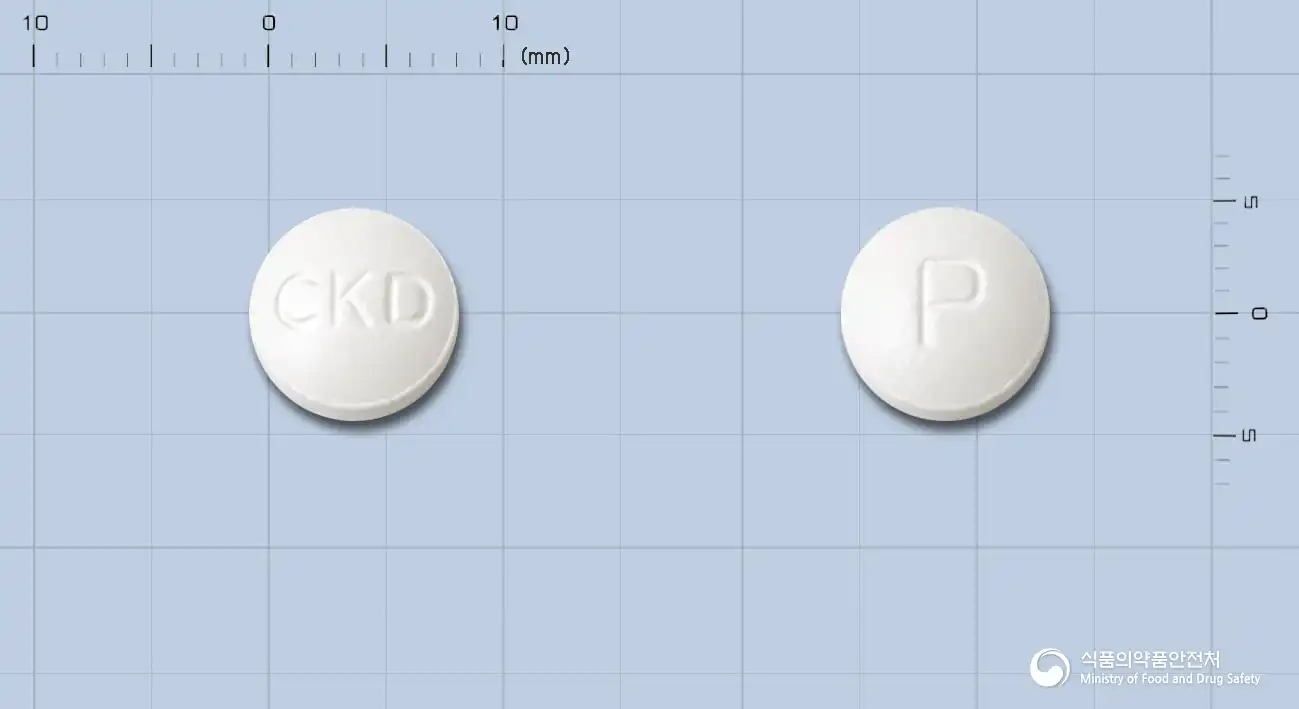
Cefpodoxime Proxetil 100mg
Tablet · Prescription medication
Jongkundang Co., Ltd.

Cefpodoxime Proxetil 100mg
Tablet · Prescription medication
Youngjin Pharmaceutical Co., Ltd.

Cefpodoxime Proxetil 130mg
Tablet · Prescription medication
Hanmi Pharmaceutical Co., Ltd.
Cefpodoxime Proxetil 5000mg
Prescription medication
Jongkundang Co., Ltd.
Cefpodoxime Proxetil
Prescription medication
SK Chemicals Co., Ltd.
Even with the same ingredient, the dose and directions can differ by strength and dosage form. Talk to a doctor or pharmacist before switching from a medication you are already taking.
No questions yet.
For anything that needs medical judgment, consult a doctor or pharmacist.
This drug information is based on data provided by the Korea Ministry of Food and Drug Safety.
Consult a doctor or pharmacist for accurate dosage, administration, and usage instructions.