한국어
 English
 日本語
 中文(简体)
 Viewing now
Rozilitrex Capsule 100 mg (Entrectinib)
Entrectinib 100mg
Hard capsule · Prescription medication
Roche Korea Co., Ltd.
MFDS item code 202002807 · Approved 2020.04.21 · Insurance code 645001480
Treatment of NTRK fusion-positive solid tumors and ROS1-positive non-small cell lung cancer
This medication is used for solid tumors in adults and children over 12 years of age with NTRK gene fusion, particularly for locally advanced or metastatic cancer that has progressed after prior treatment or for which no suitable treatment options are available. It is also effective for patients with ROS1-positive locally advanced or metastatic non-small cell lung cancer. It has been approved based on overall response rates, but clinical benefit regarding increased survival duration has not yet been established. This drug is an important option for the treatment of refractory cancer.
The recommended adult dose of this medicine is 600 mg orally once daily. It is recommended that this medicine be administered until disease progression or unacceptable toxicity occurs. If a scheduled dose is missed, it may be taken unless the next dose is due within 12 hours. If vomiting occurs immediately after taking this medicine, the dose may be taken again. In adults, the dose of this medicine may be reduced up to 2 times based on tolerability. Starting dose: 600mg once daily First dose reduction: 400mg once daily Second dose reduction: 200mg once daily If the patient cannot tolerate a dose of 200 mg once daily, permanently discontinue this medicine. Avoid concomitant use of this medicine with strong or moderate CYP3A inhibitors, or limit such use to 14 days or less. If concomitant use with a strong or moderate CYP3A inhibitor cannot be avoided, reduce the dose of this medicine to 100 mg once daily when used with a strong CYP3A inhibitor and to 200 mg once daily when used with a moderate CYP3A inhibitor. After discontinuing concomitant use of a strong or moderate CYP3A inhibitor, the dose of this medicine given before the inhibitor was started may be resumed. A washout period may be required for CYP3A4 inhibitors with long half-lives. Avoid concomitant administration of this medicine with CYP3A inducers in adult and pediatric patients. No dose adjustment is required in patients ≥ 65 years of age. Based on population pharmacokinetic analyses, no dose adjustment is required in patients with mild or moderate renal impairment. The safety and efficacy of this medicine have not been studied in patients with severe renal impairment. The safety and efficacy of this medicine have not been established in patients with hepatic impairment (see Precautions for Use 11. Patients with hepatic impairment).
Pediatric patients aged 12 years and older: In pediatric patients able to swallow capsules, the recommended dose of this medicine is 300 mg/m2 orally once daily. 0.81-1.10 m2: 300 mg 1.11-1.50 m2: 400 mg ≥ 1.51m2: 600 mg Pediatric patients aged 12 years and older: The dose of this medicine may be reduced up to 2 times based on tolerability. Starting dose 300 mg: First dose reduction 200 mg once daily; second dose reduction 100 mg once daily Starting dose 400 mg: First dose reduction 300 mg once daily; second dose reduction 200 mg once daily for 5 days each week * Starting dose 600 mg: First dose reduction 400 mg once daily; second dose reduction 200 mg once daily *5 days each week: Monday, Wednesday, Friday, Saturday, Sunday If the patient cannot tolerate the lowest reduced dose, permanently discontinue this medicine. Avoid concomitant use of strong or moderate CYP3A inhibitors in pediatric patients. Pediatric patients must be able to swallow the capsules whole. The patient's dose is based on body surface area (mg/m2), and the maximum daily dose is 600 mg.
This medication may affect heart function; therefore, patients with symptoms or risks of heart failure should have their cardiac pump function checked before starting the drug. Cognitive issues may occur, and patients should be vigilant for symptoms such as confusion and memory decline, avoiding driving or operating machinery if symptoms appear. Fracture risks may increase, and patients should seek immediate medical attention if experiencing pain or changes in movement. Irregularities in heart electrical signals may develop, so regular ECG and electrolyte tests are necessary, and it should be avoided in patients with certain heart conditions. During pregnancy, it may be harmful to the fetus; thus, women of childbearing potential must use effective contraception during and for some time after treatment. Patients with allergic reactions to this drug or certain genetic conditions should not use it. Patients allergic to specific dyes should use caution. Side effects such as dizziness, drowsiness, and blurred vision may occur; if these symptoms arise, avoid driving or operating hazardous machinery. Interactions with other medications may occur, so discuss with a physician, especially when taking drugs metabolized in the liver. Pregnant or breastfeeding women should consult with a doctor before using this medication, and it is recommended to suspend breastfeeding during treatment. Children and elderly patients can use this drug but should be monitored closely for potential side effects. In cases of overdose, there is no specific antidote, so contact a medical facility immediately for appropriate treatment. Store this medication away from direct sunlight and in a dry place, out of reach of children, ensuring it is sealed in its original container.
Not everyone experiences these, and they can vary from person to person.
This medication should be stored in a tightly closed container to prevent exposure to air or moisture, ideally at room temperature between 1 and 30 degrees Celsius. Proper storage maintains the medication's efficacy safely.
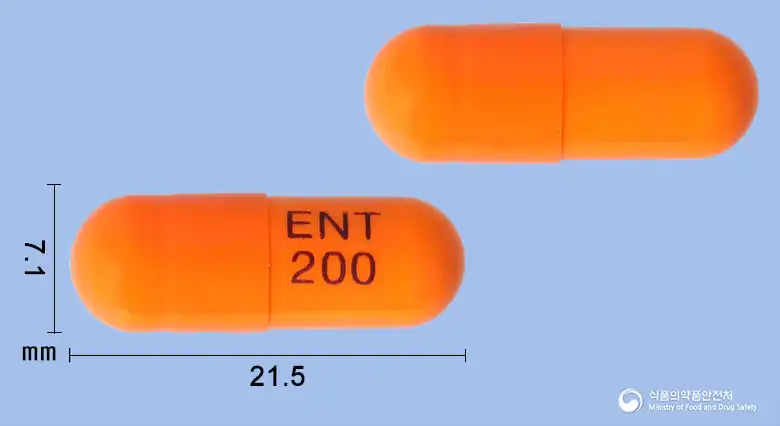
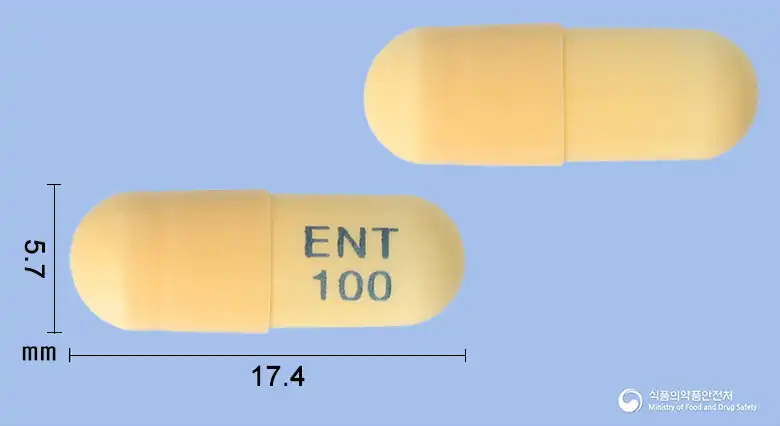
An opaque yellow hard capsule containing a white, yellowish-white, pale pink, or light yellow powder or granulated powder.
Domestic use - 30 capsules per bottle
Even with the same ingredient, strength, dosage form and how it is taken can differ.
Even with the same ingredient, the dose and directions can differ by strength and dosage form. Talk to a doctor or pharmacist before switching from a medication you are already taking.
No questions yet.
For anything that needs medical judgment, consult a doctor or pharmacist.
This drug information is based on data provided by the Korea Ministry of Food and Drug Safety.
Consult a doctor or pharmacist for accurate dosage, administration, and usage instructions.