
 한국어
 English
 日本語
 中文(简体)
 Viewing now
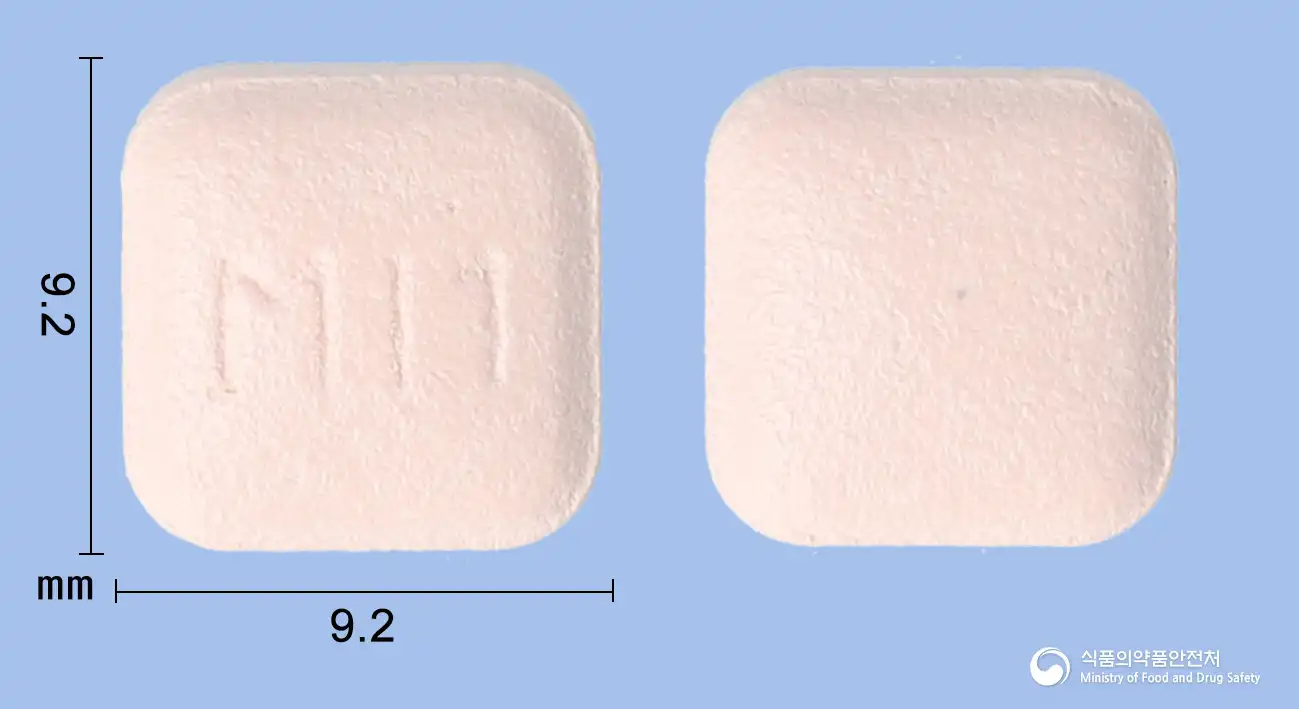
Esven 50 mg Extended Release Tablet (Desvenlafaxine Succinate)
Desvenlafaxine Benzoate 73.185mg
Tablet · Prescription medication
Myeongin Pharmaceutical Co., Ltd.
MFDS item code 202002457 · Approved 2020.04.07 · Insurance code 651904930
Treatment of major depressive disorder
This medication is used for major depressive disorder.
Adults 1) Initial treatment The recommended dose of this medication is 50mg once daily. This medication may be taken with or without food and should be taken at the same time each day. Swallow the tablet whole with liquid; do not split, crush, chew, or dissolve it in water. In clinical trials, no additional benefit was demonstrated at doses greater than 50mg once daily, and adverse reactions and treatment discontinuations occurred more frequently at higher doses. The dose may be increased only if necessary based on clinical judgment, but should not exceed 200mg once daily. In addition, when discontinuing treatment, gradually reduce the dose to minimize withdrawal symptoms. 2) Maintenance treatment Acute episodes of major depression usually require continuous drug therapy for several months or longer. Patients should be reassessed regularly to determine the need for continued treatment. 2. Patients with renal impairment The recommended dose for patients with moderate renal impairment (creatinine clearance 30-50mL/min) is 50mg once daily. The recommended dose for patients with severe renal impairment (creatinine clearance less than 30mL/min) or end-stage renal disease (ESRD) is 50mg every other day. Do not administer a supplemental dose after hemodialysis. 3. Patients with hepatic impairment The recommended dose for patients with moderate to severe hepatic impairment is 50mg once daily. Dose increases to 100mg or more once daily are not recommended. 4. Discontinuation Because symptoms associated with discontinuation of this medication and serotonin-norepinephrine reuptake inhibitors (SNRIs) and selective serotonin reuptake inhibitors (SSRIs) have been reported, monitor for these symptoms when discontinuing treatment. Gradually reduce the dose rather than stopping treatment abruptly. If intolerable withdrawal symptoms occur after dose reduction or discontinuation, consider resuming the previously prescribed dose. The physician may then continue reducing the dose, but at a slower rate. In some patients, discontinuation may require several months or longer. 5. Switching from another antidepressant to this medication Withdrawal symptoms have been reported when switching from other antidepressants, including venlafaxine, to this medication. Gradually reducing the dose of the previous antidepressant may be necessary to minimize these symptoms. 6. Use with monoamine oxidase inhibitors (MAOIs) 1) Switching to or from a monoamine oxidase inhibitor (MAOI) used to treat psychiatric disorders Start treatment with this medication at least 14 days after discontinuing an MAO inhibitor used to treat psychiatric disorders. In addition, allow at least 7 days between discontinuing this medication and starting an MAO inhibitor (see Precautions for Use, ‘6. Drug Interactions’). 2) Use of this medication with other MAO inhibitors, such as linezolid or methylene blue: If a patient already receiving this medication requires urgent treatment with linezolid or intravenous methylene blue, and no alternative medication to linezolid or intravenous methylene blue is available, this medication may be discontinued immediately and linezolid or intravenous methylene blue administered only if the potential benefit of treatment with linezolid or intravenous methylene blue is judged to outweigh the risk of serotonin syndrome (see Precautions for Use, ‘6. Drug Interactions’).
This medication may increase suicidal thoughts or behaviors in young individuals with major depressive disorder or psychiatric conditions, so particularly children, adolescents, and young adults must be observed closely. Serotonin syndrome, a serious side effect, may occur while taking this drug, so caution is advised when using it with other serotonergic medications. This drug may be dangerous when taken with certain medications, especially MAO inhibitors, so the dosing intervals must be respected and concomitant use should be avoided. Patients with hypertension or heart disease should frequently monitor blood pressure and heart rate before and during the use of this medication. Patients with a history of mania or hypomania or those with a history of seizures should also exercise caution when using this drug. Patients with impaired kidney or liver function may require dose adjustments. This medication contains the dye Yellow No. 5, and patients allergic to it should take caution. During treatment, side effects such as nausea, dizziness, headaches, insomnia, sweating, constipation, drowsiness, reduced appetite, anxiety, nervousness, abnormal dreams, urinary retention, yawning, dry mouth, fatigue, chills, restlessness, tremors, attention disturbances, sensory disturbances, fainting, seizures, muscle spasms, withdrawal syndrome, depersonalization, mania, hypomania, hallucinations, bruxism, urinary retention, epistaxis, rash, hair loss, photosensitivity reactions, angioedema, orthostatic hypotension, and peripheral coldness may occur; any unusual symptoms should be consulted with a doctor. This medication may increase the risk of bleeding; therefore, caution should be taken for bleeding symptoms when taken with aspirin, NSAIDs, warfarin, etc. If pregnant or breastfeeding, the effects of this medication on the fetus or newborn should be discussed with a doctor. Use of this drug in children or adolescents has not been approved, and side effects such as weight loss may occur. Elderly patients have a higher risk of side effects such as hyponatremia or orthostatic hypotension, so dosing should be decided cautiously. Sudden discontinuation of this medication may lead to withdrawal symptoms, so dosage should be reduced gradually under a physician's guidance. Overdose may lead to severe side effects, so the prescribed dosage should be followed, and if abnormal symptoms occur, immediate medical attention should be sought. This medication should be stored out of reach of children and should not be transferred to other containers.
Not everyone experiences these, and they can vary from person to person.
This medication should be stored in a tightly closed container to protect it from air and moisture. It is advisable to keep it at room temperature between 1 to 30 degrees Celsius to maintain its effectiveness over time.
Pale pink square extended-release film-coated tablet
28 tablets/box[(14T/PTP)*2], 30 tablets/bottle, 100 tablets/bottle
Even with the same ingredient, strength, dosage form and how it is taken can differ.
Viewing nowDesvenlafaxine Benzoate 73.185mg
Tablet · Prescription medication
Myeongin Pharmaceutical Co., Ltd.
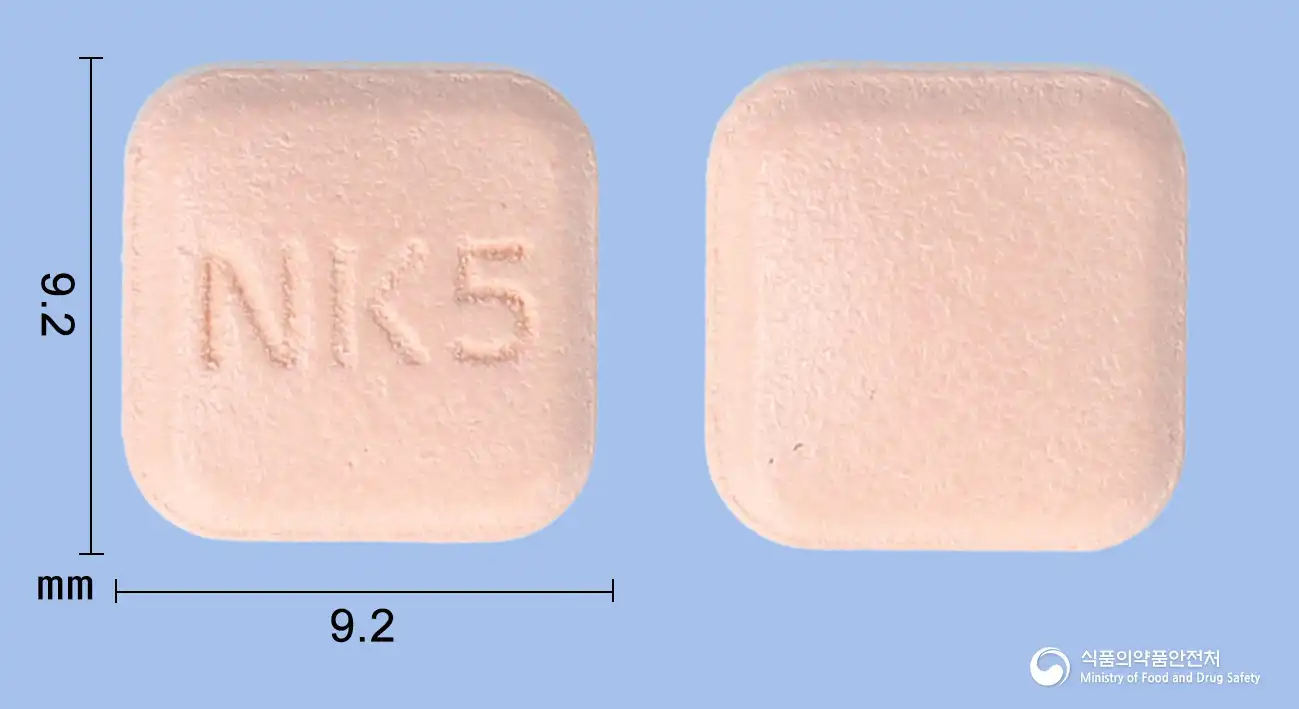
Desvenlafaxine Benzoate 73.185mg
Tablet · Prescription medication
NexPharm Korea Co., Ltd.
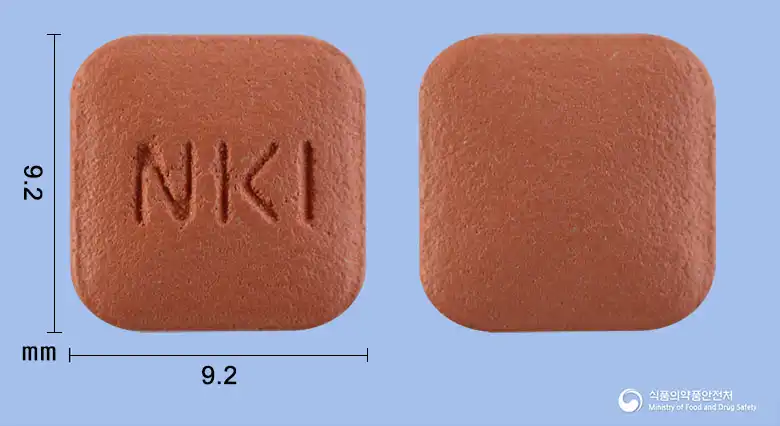
Desvenlafaxine Benzoate 146.37mg
Tablet · Prescription medication
Nexpharm Korea Co., Ltd.
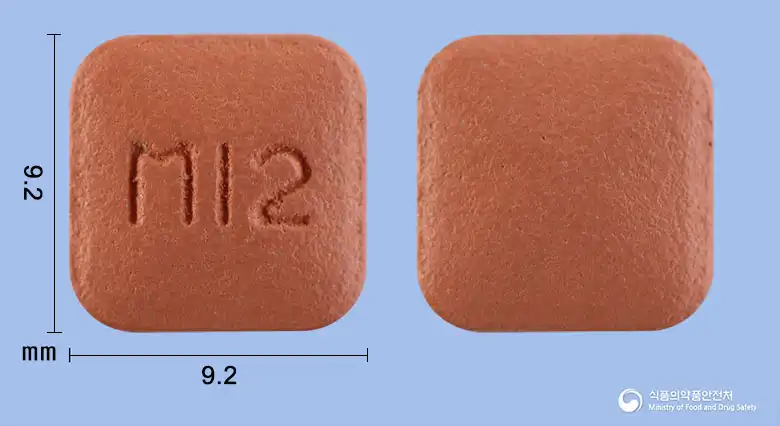
Desvenlafaxine Benzoate 146.37mg
Tablet · Prescription medication
Myungin Pharmaceutical Co., Ltd.
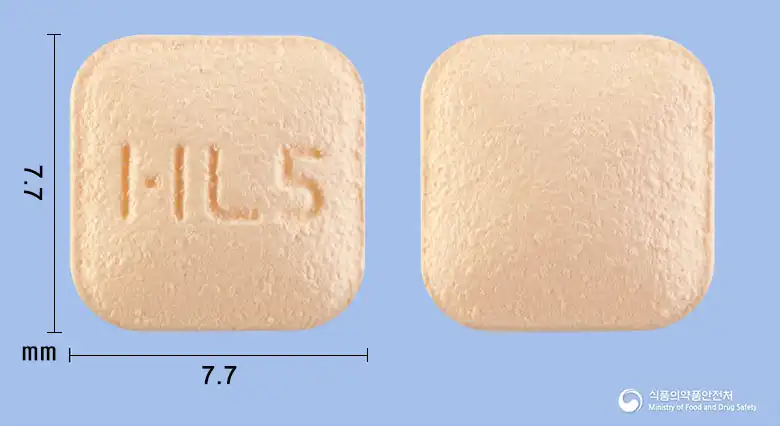
Desvenlafaxine Benzoate 73.185mg
Tablet · Prescription medication
Hankook Pharmaceutical Co., Ltd.
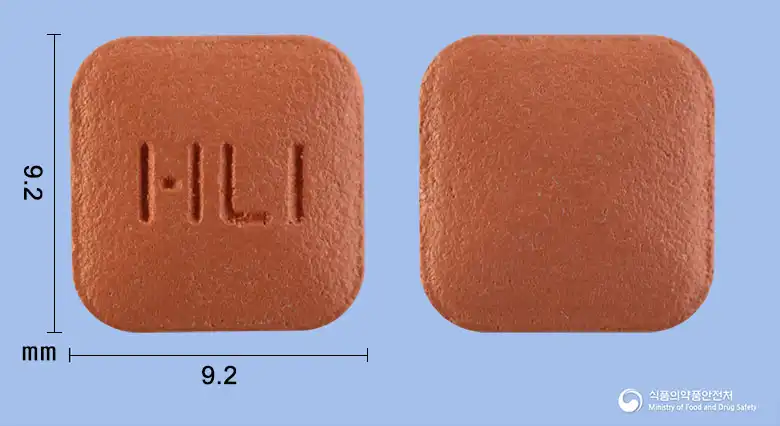
Desvenlafaxine Benzoate 146.37mg
Tablet · Prescription medication
Hanlim Pharmaceuticals Co., Ltd.
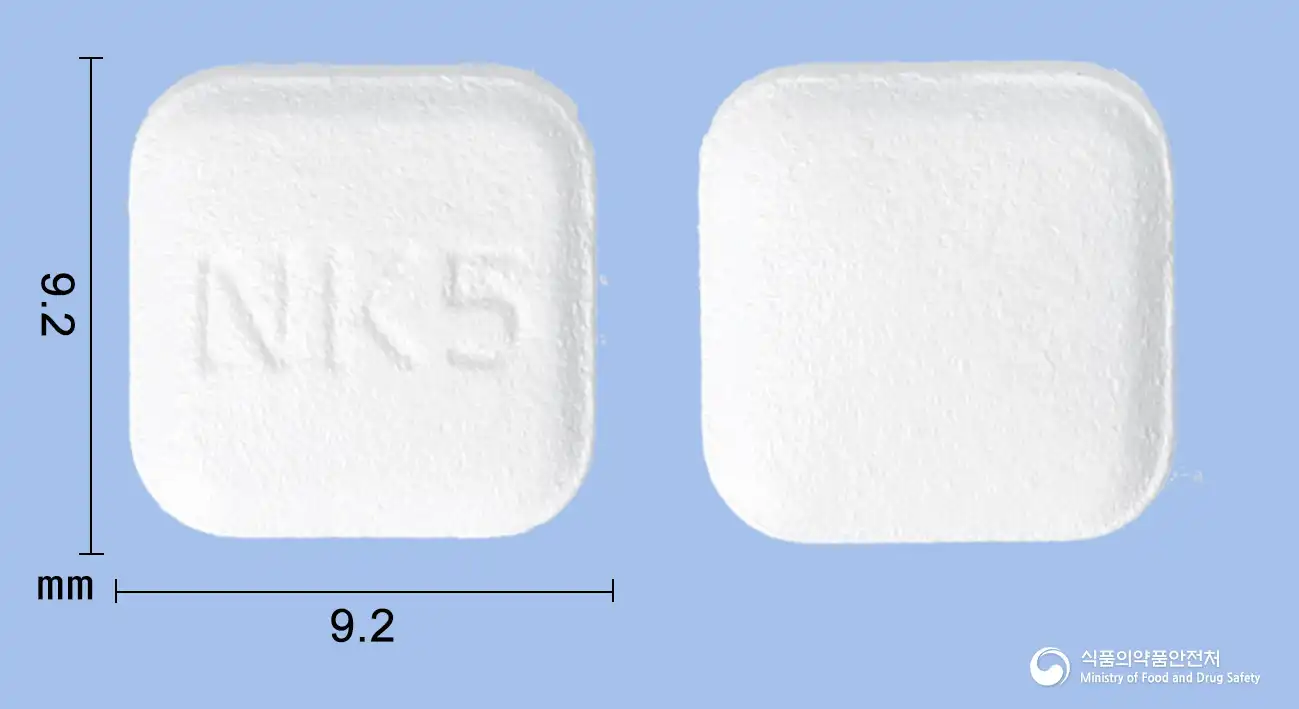
Desvenlafaxine Benzoate 36.5925mg
Tablet · Prescription medication
Nexpam Korea Co., Ltd.
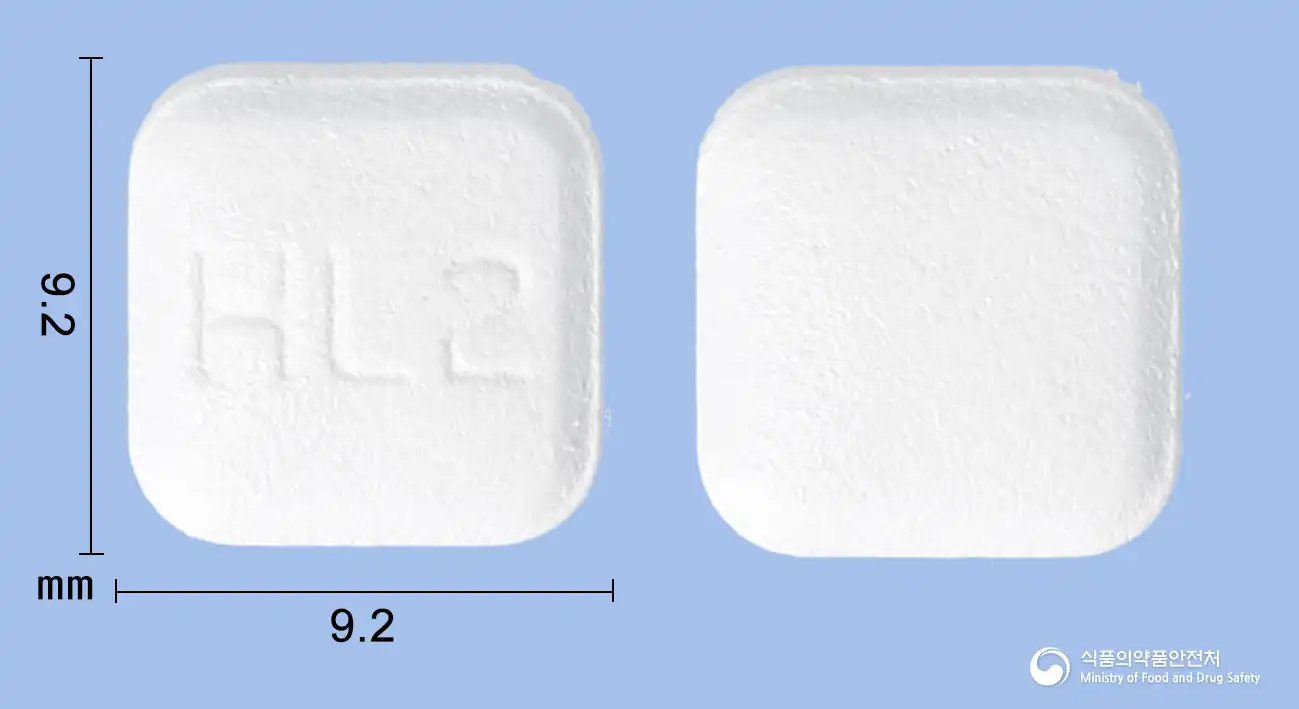
Desvenlafaxine Benzoate 36.5925mg
Tablet · Prescription medication
Hannim Pharmaceutical Co., Ltd.
Even with the same ingredient, the dose and directions can differ by strength and dosage form. Talk to a doctor or pharmacist before switching from a medication you are already taking.
No questions yet.
For anything that needs medical judgment, consult a doctor or pharmacist.
This drug information is based on data provided by the Korea Ministry of Food and Drug Safety.
Consult a doctor or pharmacist for accurate dosage, administration, and usage instructions.