
 한국어
 English
 日本語
 中文(简体)
 Viewing now
Nufrel Tablets (Clopidogrel Hydrogen Sulfate)
Clopidogrel Bisulfate 97.875mg
Tablet · Prescription medication
Korea Pharmbio Co., Ltd.
MFDS item code 202002176 · Approved 2020.03.30 · Insurance code 659901560
Improvement of atherosclerotic symptoms; reduction of the risk of thrombosis and embolism in atrial fibrillation
This medication is used to improve atherosclerotic-related symptoms in adult patients with ischemic stroke, myocardial infarction, or peripheral artery disease. It also helps alleviate cardiovascular mortality, myocardial infarction, stroke, or ischemic symptoms in patients with acute coronary syndrome. In patients with atrial fibrillation having a low risk of bleeding, where vitamin K antagonists are not suitable, it is effective in reducing the risk of stroke and thromboembolism. These therapeutic effects generally improve vascular health and prevent the occurrence of related complications. Therefore, it is used for the reduction of risks and improvement of symptoms in cardiovascular and cerebrovascular diseases.
○ Adults 1. Patients with ischemic stroke, myocardial infarction, or peripheral arterial disease: Administer 75 mg of clopidogrel orally once daily. 2. Patients with acute coronary syndrome (unstable angina or non-Q-wave myocardial infarction): On the first day of treatment, start with a loading dose of 300 mg of this medicine once daily, followed by a maintenance dose of 75 mg orally once daily. Aspirin 75 ~ 325 mg must be coadministered with this medicine once daily. 3. Patients with atrial fibrillation: Administer 75 mg of this medicine orally once daily. Aspirin 75 ~ 100 mg must be coadministered with this medicine once daily. ○ Patients with renal impairment : Treatment experience in patients with renal impairment is limited. ○ Patients with hepatic impairment : Treatment experience in patients with moderate liver disease with a bleeding diathesis is limited. This medicine may be administered with or without food.
This drug is a medication that helps prevent platelets in the blood from clumping together, thereby facilitating blood flow. However, individuals who genetically have reduced function of a specific enzyme, CYP2C19, may experience diminished effectiveness from this medication; in such cases, alternative treatment methods should be considered. Moreover, concomitant administration with drugs that activate the CYP2C19 enzyme should be avoided, as this may increase drug concentration and elevate the risk of bleeding. The drug should not be administered to individuals allergic to it, those with bleeding conditions, patients with severely impaired liver function, nursing women, and those with specific genetic issues such as lactose intolerance. Patients with a high risk of bleeding or suspected bleeding symptoms should have regular blood tests to monitor their condition, and care should be taken when used in conjunction with anticoagulants like warfarin, as this increases the risk of bleeding. If surgery or trauma is planned while taking this medication, it should be discontinued 5-7 days prior to the procedure, and usage should resume after the bleeding risk is reduced. This drug may cause side effects including gastrointestinal bleeding, headache, dizziness, skin rash, diarrhea, etc., and in rare cases, severe blood disorders or allergic reactions may occur; if abnormal symptoms arise, it is essential to consult medical personnel immediately. In pregnancy or breastfeeding, the use of this drug should be determined after sufficient consultation regarding its effects on the fetus or child, especially since there is a risk of bleeding around childbirth, necessitating careful control of the timing of discontinuation. The safety and effectiveness of this drug in children have not been established, so it is advisable to refrain from use in this population. Elderly patients may have decreased bodily functions, thus increasing the bleeding risk, so dosage adjustment and monitoring are necessary. Overdosing may lead to exacerbated bleeding, so it is important to adhere strictly to the prescribed dosage; emergency treatments such as platelet transfusions may be required in cases of overdose. This drug should be stored out of reach of children, and transferring it to another container is not recommended to maintain its quality. Before taking this drug, the potential for interactions with other medications currently being taken should be confirmed, especially when taken with drugs that pose a bleeding risk.
Hemorrhage, gastrointestinal bleeding, hemorrhage requiring hospitalization, purpura, contusion, hematoma, epistaxis, hematuria, intraocular hemorrhage, intracranial hemorrhage, significant bleeding, life-threatening bleeding, hemorrhagic stroke, requirement for transfusion, thrombocytopenia, neutropenia, aplastic anemia, abdominal pain, dyspepsia, diarrhea, nausea, rash, pruritus, chest pain, accidental injury, influenza-like illness, pain, fatigue, edema, hypertension, headache, dizziness, depression, upper respiratory tract infection, dyspnea, rhinitis, bronchitis, cough, urinary tract infection, autonomic nervous system disorder, syncope, palpitations, asthenia, fever, hernia, heart failure, atrial fibrillation, leg cramps, sensory impairment, neuralgia, sensory anomalies, dizziness, constipation, vomiting, increased liver enzymes, gout, hyperuricemia, arthralgia, arthritis, anxiety, insomnia, anemia, pneumonia, sinusitis, eczema, skin ulcer, cystitis, cataract, conjunctivitis, decreased motor function, tremor, voice disorder, abnormal gait, hyperactivity, ataxia, paresthesia, insomnia, depression, forgetfulness, irritability, abnormal behavior, weight loss, weight gain, facial flushing, rigidity, facial edema, purpura disease, hematochezia, hematoma, thrombocytopenia, hypochromic anemia, leukemia, leukopenia, eosinophilia, vasculitis, hypotension, bronchospasm, interstitial pneumonia, eosinophilic pneumonia, colitis, pancreatitis, gastritis, stomatitis, hepatitis, acute liver failure, papular urticaria, erythematous skin rash, urticaria, itching, angioedema, bullous dermatitis, drug-induced hypersensitivity syndrome, drug rash with eosinophilia and systemic symptoms, lichen planus, myalgia, glomerulopathy, gynecomastia, fever, abnormal liver function tests, increased blood creatinine, cholecystitis, hematemesis, spinal hematoma
Not everyone experiences these, and they can vary from person to person.
This medication should be stored in a closed container to protect it from air and moisture. It is best to maintain a storage temperature between 1 to 30 degrees Celsius at room temperature.
Pink round film-coated tablets
30 tablets/bottle, 100 tablets/bottle
Even with the same ingredient, strength, dosage form and how it is taken can differ.
Viewing nowClopidogrel Bisulfate 97.875mg
Tablet · Prescription medication
Korea Pharmbio Co., Ltd.
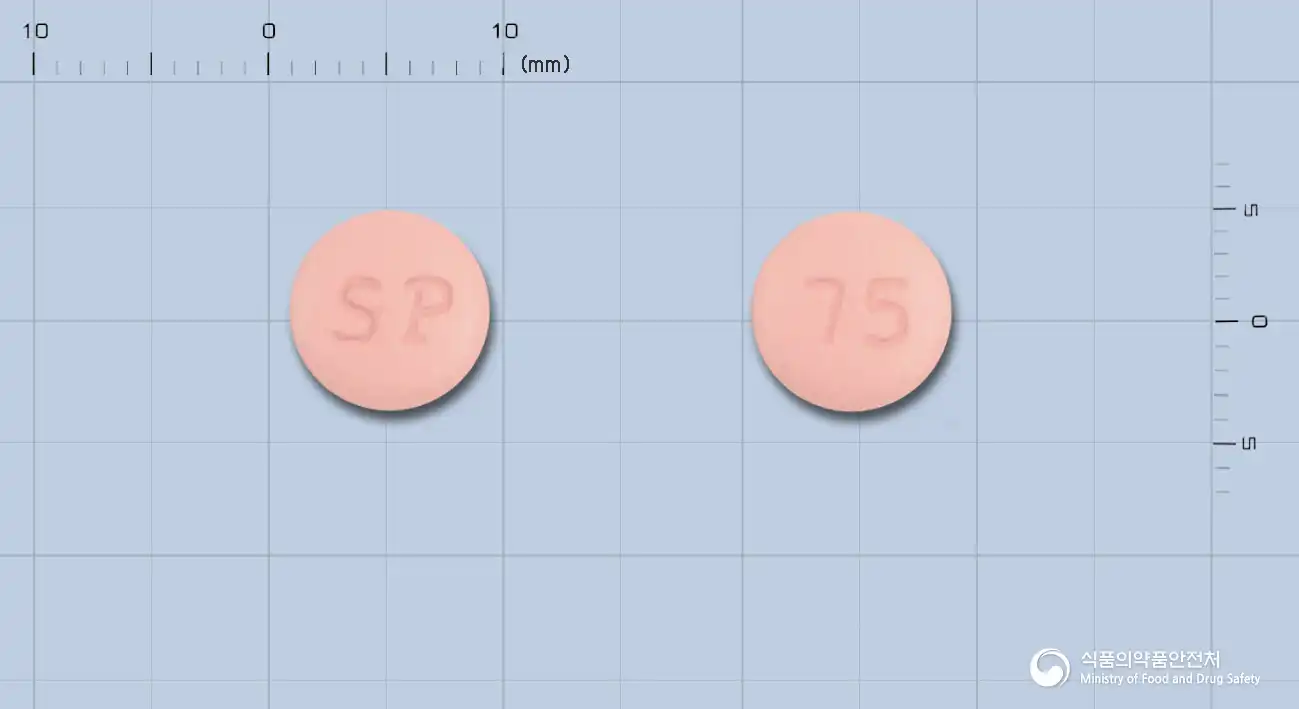
Clopidogrel Bisulfate 97.875mg
Tablet · Prescription medication
Shinpoong Pharmaceutical Co., Ltd.
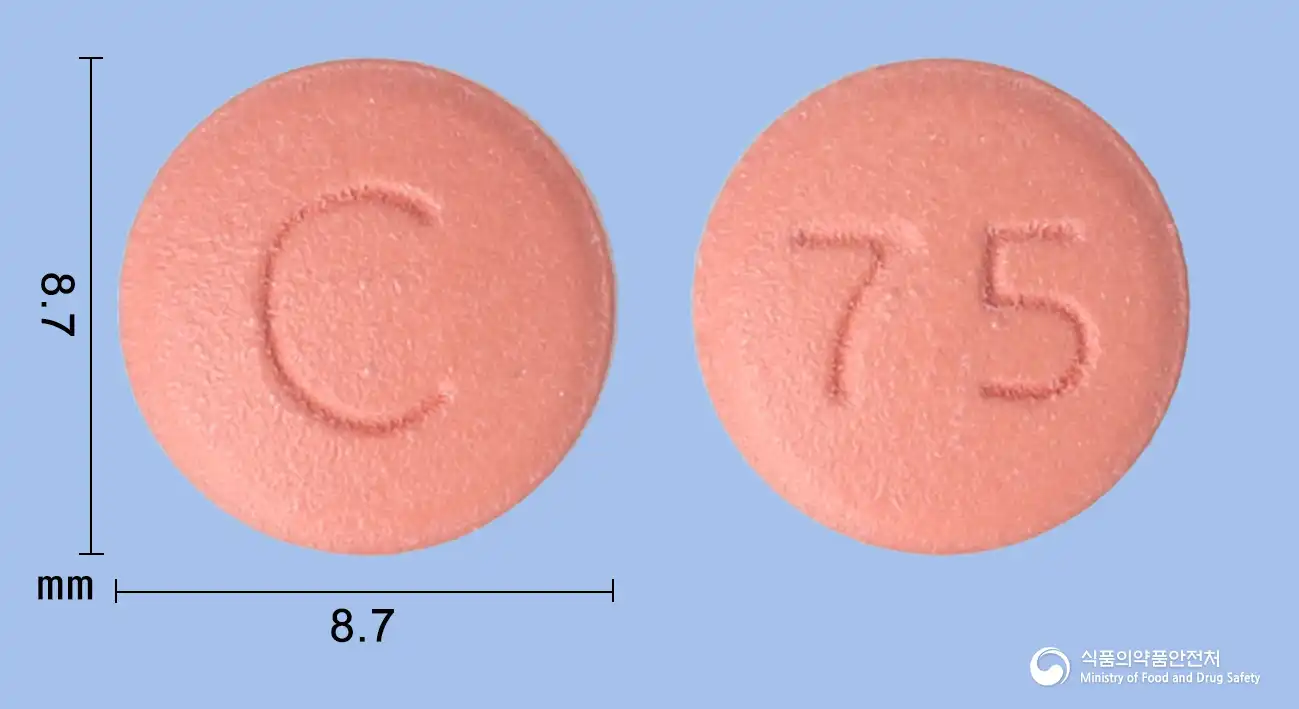
Clopidogrel Bisulfate 97.875mg
Tablet · Prescription medication
Dong-A ST Co., Ltd.
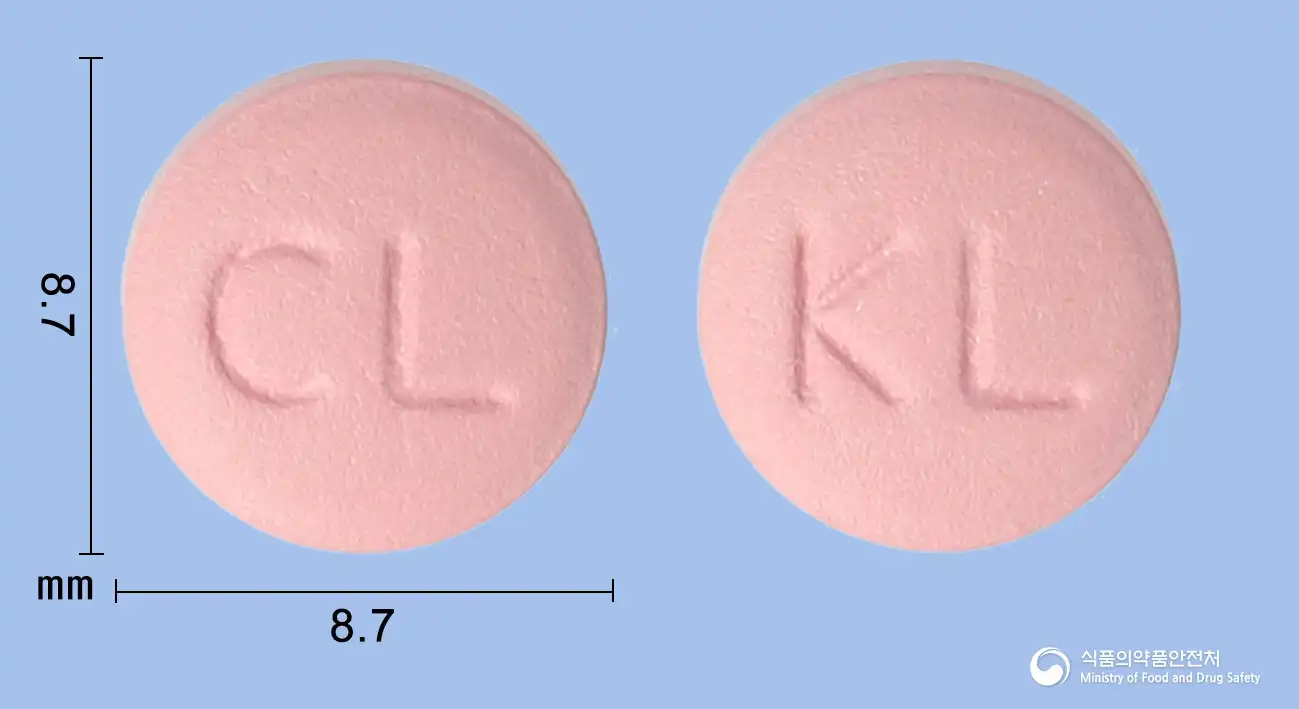
Clopidogrel Bisulfate 97.875mg
Tablet · Prescription medication
Kolon Pharmaceutical Co., Ltd.
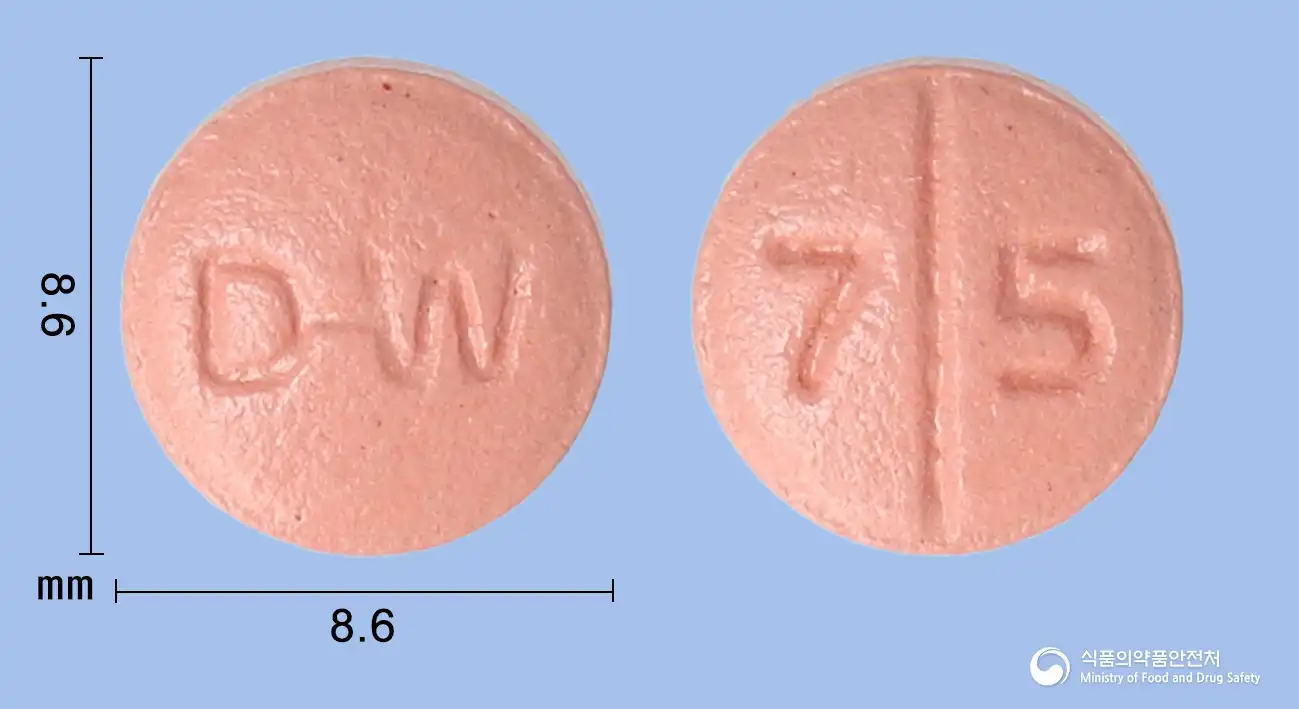
Clopidogrel Bisulfate 97.875mg
Tablet · Prescription medication
Dongwha Pharmaceutical Co., Ltd.
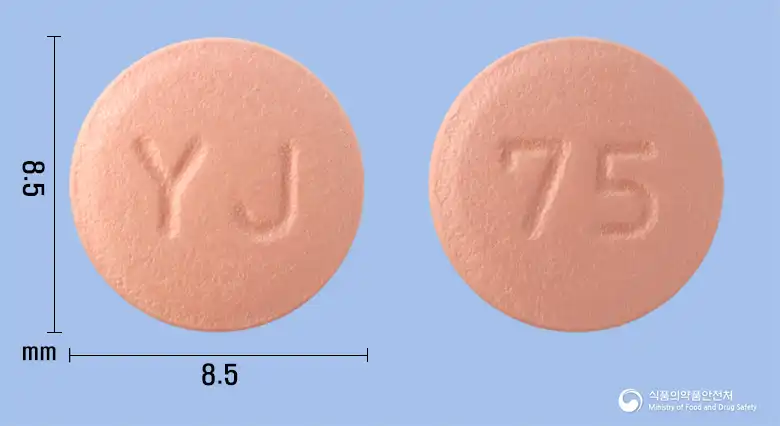
Clopidogrel Bisulfate 97.875mg
Tablet · Prescription medication
Youngjin Pharmaceutical Co., Ltd.
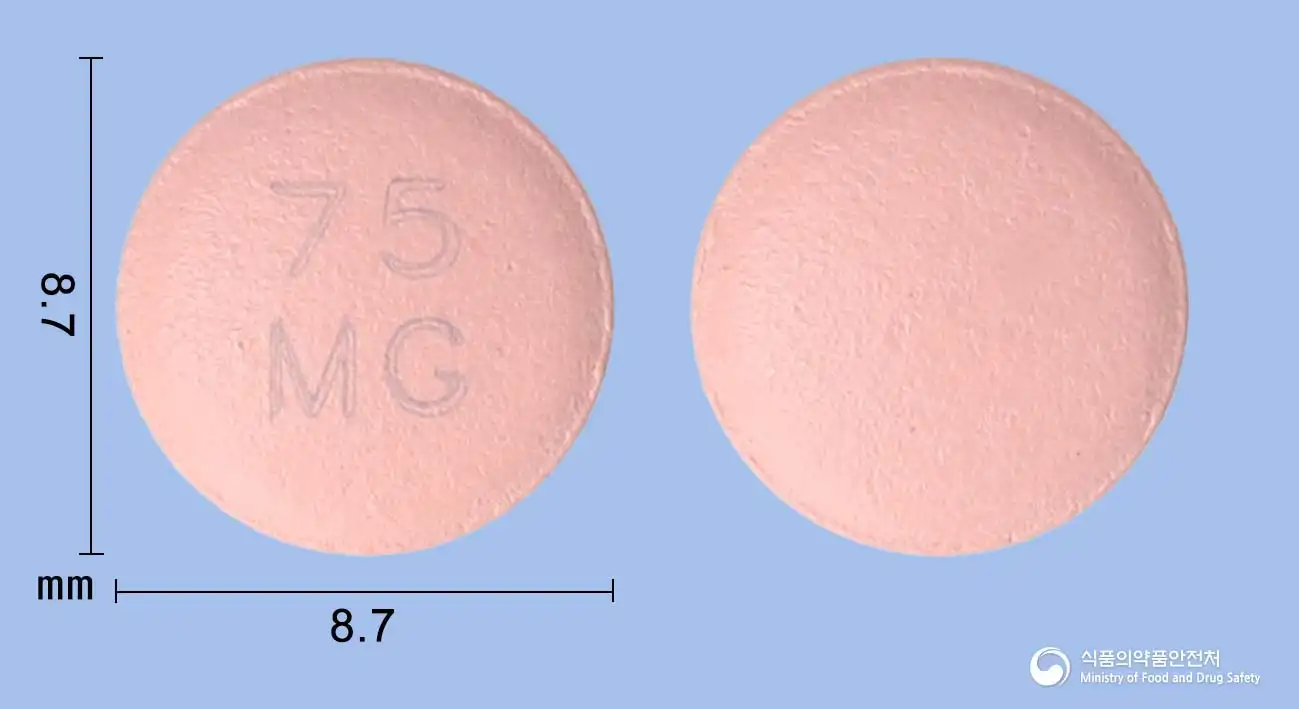
Clopidogrel Bisulfate 97.875mg
Tablet · Prescription medication
Albozen Korea Co., Ltd.
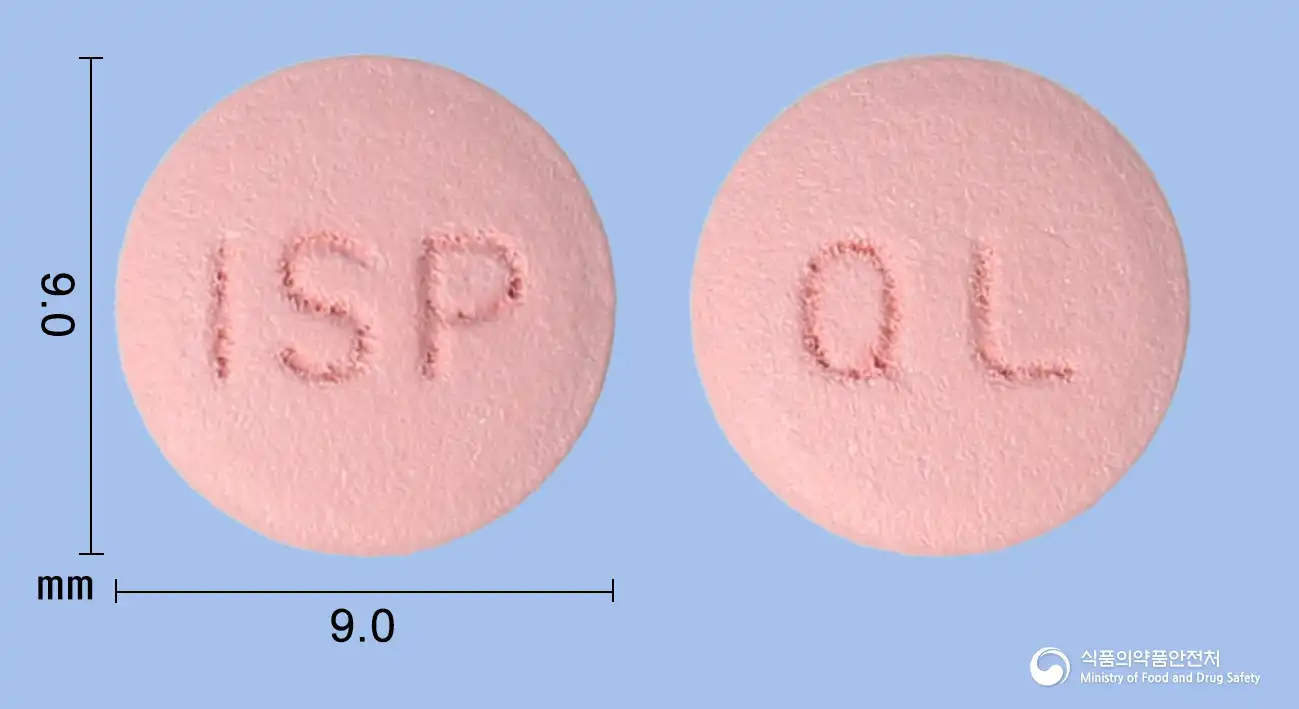
Clopidogrel Bisulfate 97.875mg
Tablet · Prescription medication
Ilsung IS Co., Ltd.
Even with the same ingredient, the dose and directions can differ by strength and dosage form. Talk to a doctor or pharmacist before switching from a medication you are already taking.
No questions yet.
For anything that needs medical judgment, consult a doctor or pharmacist.
This drug information is based on data provided by the Korea Ministry of Food and Drug Safety.
Consult a doctor or pharmacist for accurate dosage, administration, and usage instructions.