
 한국어
 English
 日本語
 中文(简体)
Dosage form image
Viewing nowKukje Lincomycin Hydrochloride Hydrate Ampule Injection 600 Milligrams
Lincomycin Hydrochloride Hydrate 300mg
Injections · Prescription medication
Kukje Pharmaceutical Co., Ltd.
MFDS item code 202002164 · Notified 2020.03.27
This product's status changed to Expired on 2025.03.27. It may no longer be sold, so consult a doctor or pharmacist before taking it.
Treatment of skin and soft tissue infections, respiratory and ear, nose, and throat infections, and bone, joint, and systemic infections
This medication is an antibiotic effective against Staphylococcus and Streptococcus (excluding Enterococcus) that are sensitive to lincomycin, particularly for skin and soft tissue infections including pustules, soft tissue inflammation, palmoplantar psoriasis, singular lesions, and lymphadenitis. It also aids in treating respiratory infections such as bronchitis, pneumonia, tonsillitis, and pharyngitis. It is effective for bone and joint infections, including osteomyelitis, arthritis, and mastitis. It is also used for severe infections like bacterial endocarditis and sepsis, and is applicable for the treatment of scarlet fever. This medication can also be used to treat ear and sinus infections such as otitis media and sinusitis. This medication is effectively used for the treatment of various bacterial infections.
1. Intramuscular injection ○ Adults: For severe infections, inject 300 mg (potency) of lincomycin intramuscularly twice daily. For very severe infections, inject 600 mg (potency) intramuscularly twice daily. 2. Intravenous injection ○ Adults: For severe infections, administer 600 ∼ 1,000 mg (potency) of this medicine per day by intravenous drip infusion in 2 ∼ 3 divided doses. The dose may be increased for very severe infections. Adjust the dose appropriately according to age and symptoms. 3. Method of administration This medicine must be diluted before intravenous administration. Normal saline or 5 % dextrose injection may be used as the diluent. The dilution ratios and infusion rates are as follows. Dose (mg) Diluent volume (mL) Infusion time (hr) 600 100 1 1000 100 1 2000 200 2 3000 300 3 4000 400 4
1. Intramuscular injection ○ Children (28 days and older): For severe infections, administer 10 mg (potency) per kg of body weight per day of this medicine by intramuscular injection in 1 ∼ 2 divided doses. 2. Intravenous injection ○ Children (28 days and older): For severe infections, administer 10 ∼ 20 mg (potency) per kg of body weight per day of this medicine by intravenous drip infusion in 2 ∼ 3 divided doses.
This medication is used for the treatment of severe infections and can sometimes cause severe colitis, which can be life-threatening. Therefore, it should only be used when treatment with other antibiotics is difficult. If colitis occurs, symptoms like severe diarrhea, abdominal pain, and fever may appear, and endoscopic examination may be necessary. If severe abdominal pain or diarrhea worsens during administration, the medication should be discontinued, or, if unavoidable, should be used under close observation. This medication should not be used for mild upper respiratory infections or minor bacterial infections. It does not penetrate well into cerebrospinal fluid, so it is not suitable for the treatment of meningitis. In the case of injections, glass fragments may be mixed when cutting the container, so caution is needed when used in children or the elderly. Additionally, the benzyl alcohol component can cause fatal respiratory problems in premature infants, so it should not be used in newborns or premature infants. This medication should not be administered to those with a history of allergy to this product or its ingredients, patients with colitis or bacterial meningitis, nursing mothers, or newborns, and should be used cautiously in the elderly, individuals with liver or kidney dysfunction, and those with a history of allergies, especially if there is a history of severe colitis. This medication can cause various side effects such as severe allergic reactions, shock, gastrointestinal disturbances, interstitial pneumonia, blood disorders, and skin rashes; therefore, if any abnormal symptoms appear, administration should be stopped immediately and medical attention sought. Regular blood tests and liver and kidney function tests should be performed during prolonged use, and antidiarrheal medications should be avoided as they may worsen diarrhea. Additionally, serious interactions may occur if this medication is taken with certain other antibiotics or drugs, so it is crucial to inform healthcare professionals. Women who are pregnant or may become pregnant and those who are nursing should avoid using this medication, and it is advisable not to administer it to newborns and premature infants. In cases of overdose, gastrointestinal disturbances may occur, and gastric lavage or other treatments may be necessary. This medication may affect certain blood test results, so it is important to inform healthcare professionals during testing. Surgical treatment of the infection may be necessary along with antibiotic therapy, and pain or induration may occur at the injection site, so care should be taken during injection. Finally, keep this medication out of reach of children, and it is advisable to avoid transferring it to other containers.
Shock, cyanosis, dyspnea, chest discomfort, hypotension, esophagitis, membranous colitis, diarrhea, loose stools, anorexia, nausea, vomiting, abdominal pain, epigastric pain, dry lips, glossitis, stomatitis, anal pruritus, cardiac arrest, hypotension, fever, cough, interstitial pneumonia, eosinophilic pulmonary infiltrate, neutropenia, leukopenia, agranulocytosis, thrombocytopenic purpura, aplastic anemia, pancytopenia, venous thrombosis, tinnitus, dizziness, itching, skin and mucous membrane syndrome, toxic epidermal necrolysis, exfoliative vesicular dermatitis, erythema multiforme, acute generalized exanthematous pustulosis, jaundice, elevated ALT, elevated AST, azotemia, oliguria, proteinuria, generalized flushing, urticaria, rash, angioedema, serum sickness, anaphylaxis, candidiasis, diarrhea caused by clostridium, vaginitis, headache, fatigue, abdominal pain, nausea, vomiting, diarrhea, injection site pain, injection site induration
Not everyone experiences these, and they can vary from person to person.
This medication should be stored in a sealed container to prevent air and moisture from entering, maintaining a storage temperature between 1 to 30 degrees Celsius at room temperature. Proper storage can help maintain the effectiveness of the medication and prevent degradation.
A colorless to pale yellow liquid in a colorless transparent ampule injection.
2 Milliliters/Ampule [2mL x 50 Ampules]
Even with the same ingredient, strength, dosage form and how it is taken can differ.
Lincomycin Hydrochloride Hydrate 300mg
Injections · Prescription medication
Kukje Pharmaceutical Co., Ltd.
Lincomycin Hydrochloride Hydrate
Prescription medication
International Pharmaceutical Co., Ltd.
Lincomycin Hydrochloride Hydrate 300mg
Solution · Prescription medication
Dongkwang Pharmaceutical Co., Ltd.
Lincomycin Hydrochloride Hydrate
Prescription medication
Celix Co., Ltd.
Lincomycin Hydrochloride 300mg
Injections · Prescription medication
Yuyu Pharmaceutical Co., Ltd.
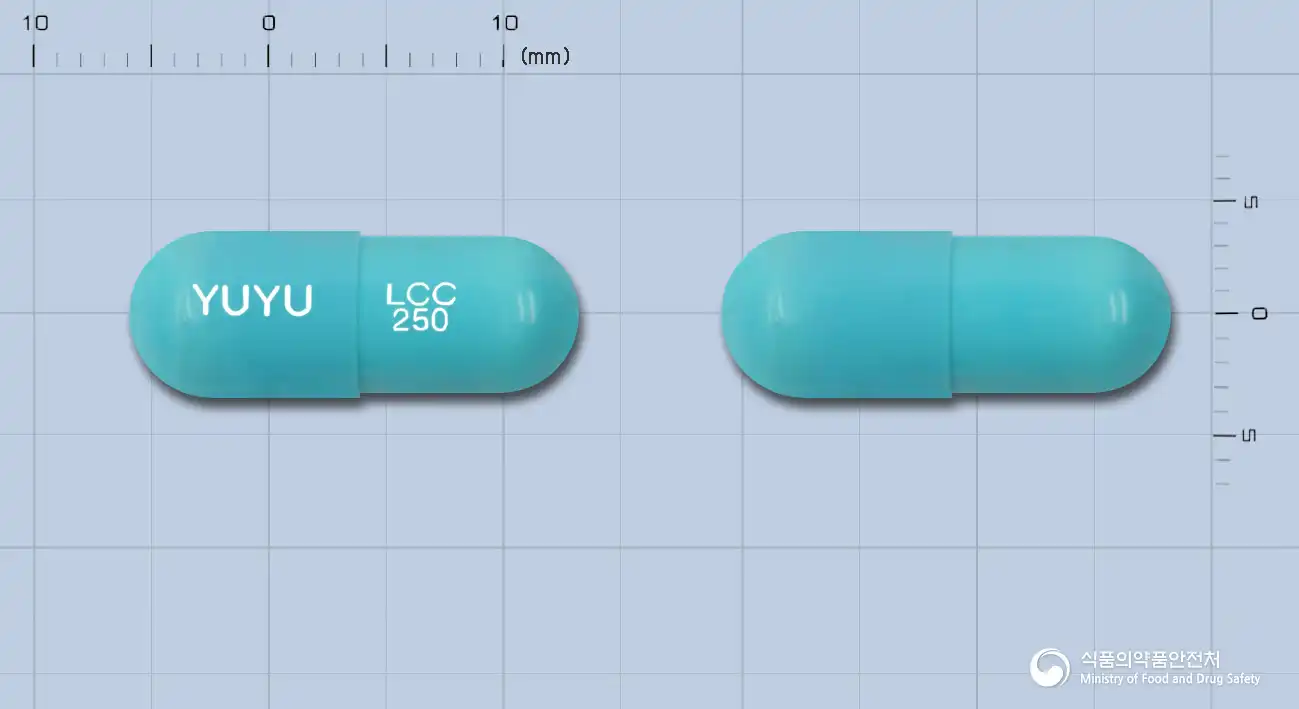
Lincomycin Hydrochloride Hydrate 250mg
Hard capsule · Prescription medication
YuYu Pharmaceutical Co., Ltd.
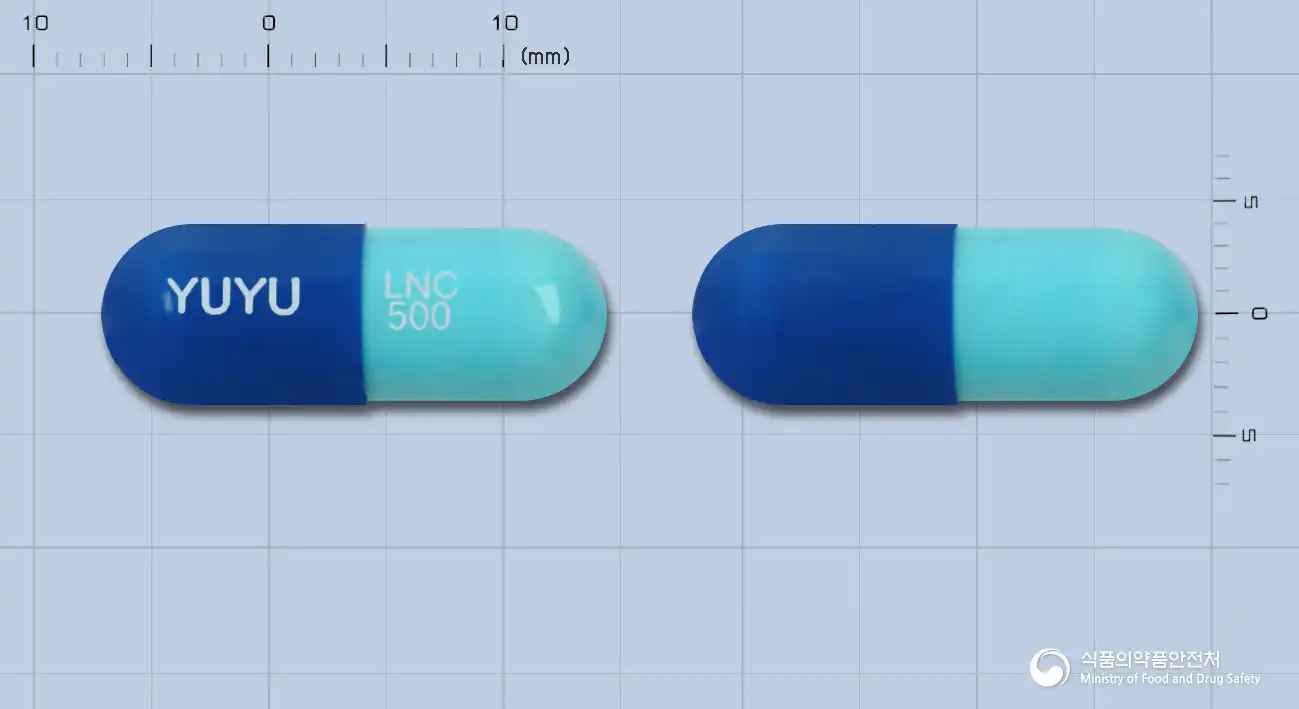
Lincomycin Hydrochloride Hydrate 500mg
Hard capsule · Prescription medication
YuYu Pharmaceutical Co., Ltd.
Lincomycin Hydrochloride Hydrate
Prescription medication
Huons Life Science Co., Ltd.
Even with the same ingredient, the dose and directions can differ by strength and dosage form. Talk to a doctor or pharmacist before switching from a medication you are already taking.
No questions yet.
For anything that needs medical judgment, consult a doctor or pharmacist.
This drug information is based on data provided by the Korea Ministry of Food and Drug Safety.
Consult a doctor or pharmacist for accurate dosage, administration, and usage instructions.