
 한국어
 English
 日本語
 中文(简体)
Dosage form image
Viewing nowZaldos Syrup (Erdosteine)
Erdosteine 7000mg
Suspension · Prescription medication
Daewon Biotech Co., Ltd.
MFDS item code 202000189 · Notified 2020.01.13
This product's status changed to Expired on 2025.01.13. It may no longer be sold, so consult a doctor or pharmacist before taking it.
Mucolytic and expectorant treatment for acute and chronic respiratory diseases
This medicine helps dissolve and expel mucus associated with acute and chronic respiratory conditions, facilitating breathing. It alleviates discomfort when there is excessive mucus, improving the ability to breathe easily. Therefore, it is used for mucolysis and expectoration in acute and chronic respiratory diseases.
As a 3.5% erdosteine suspension Adults weighing 30 ㎏ or more: Administer 350 mg orally twice daily.
Body weight 15~19 ㎏: Administer 175 mg orally twice daily. Body weight 20~30 ㎏: Administer 175 mg orally 3 times daily. Children weighing 30 ㎏ or more: Administer 350 mg orally twice daily.
This medication should not be used by individuals who are allergic to this medication or any of its ingredients. Those with liver cirrhosis or specific enzyme deficiencies should avoid taking this medication due to potential metabolic problems. Patients with peptic ulcers should also be cautious, as it may exacerbate symptoms. Individuals with significantly impaired kidney function should refrain from using this medication for safety. Patients with severely compromised liver function may also face risks when taking this medication. This medication contains lactose, so those with lactose intolerance or related genetic disorders should not take it. Additionally, the artificial sweetener aspartame contained in this medication is broken down into phenylalanine, so individuals with phenylketonuria should avoid it. Patients with mildly impaired liver function must regulate their intake to not exceed 300 mg per day and should take it cautiously. Diabetics or those on a low-calorie diet need to exercise particular caution when using this syrup formulation. In cases of overdose, symptoms such as increased sweating, dizziness, and facial flushing may occur. Neurological and respiratory system adverse reactions like headache, cold symptoms, and difficulty breathing may be reported. Gastrointestinal symptoms including nausea, vomiting, diarrhea, and abdominal pain have also been reported. Skin reactions such as rashes, hives, and eczema may occur. Additionally, fatigue, indigestion, palpitations, facial or systemic swelling, and itching have been reported, although a direct correlation with this medication is not guaranteed. This medication should be used with caution as taking it in conjunction with expectorants may hinder the elimination of phlegm from the bronchial tubes, increasing the risk of bronchial infections. Women who are pregnant or may become pregnant, as well as breastfeeding women, should refrain from taking this medication. This medication should be stored out of the reach of children, and care should be taken to avoid transferring it to other containers as this could lead to accidental ingestion or a decrease in drug quality.
Not everyone experiences these, and they can vary from person to person.
This medication may be sensitive to air or moisture, so it must be stored in a tightly sealed container. It is advisable to maintain a storage temperature between 1 degree and 30 degrees Celsius at room temperature. This will help to safely preserve the effectiveness of the medication for an extended period.
This medication is a syrup formulation, a white crystalline powder with a strawberry flavor and taste that is suspended in water. When dissolved in water, it appears as a suspension that is white to light yellow.
10 bottles/box [25 grams (50 mL when solvent is added)/bottle X 10]
Even with the same ingredient, strength, dosage form and how it is taken can differ.
Erdosteine 7000mg
Suspension · Prescription medication
Daewon Biotech Co., Ltd.
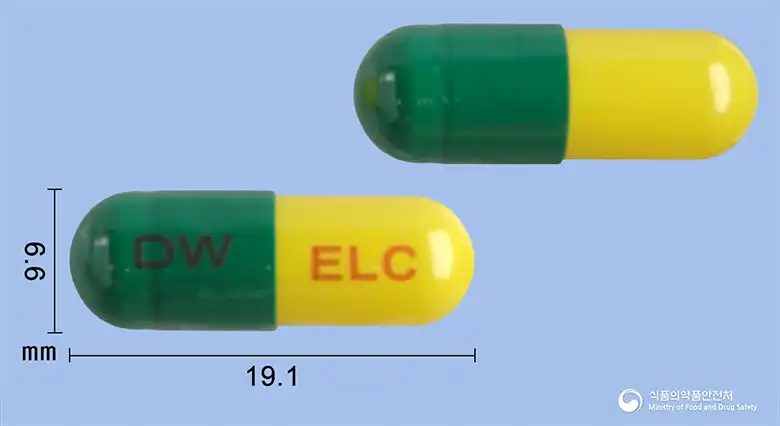
Erdosteine 300mg
Hard capsule · OTC medication
(Co., Ltd.) Daewoong Pharmaceutical
Erdosteine 7g
Suspension · Prescription medication
(Co., Ltd.) Daewoong Pharmaceutical

Erdosteine 300mg
Hard capsule · OTC medication
(Co., Ltd.) Jongkundang
Erdosteine 7000mg
Suspension · Prescription medication
Jongkundang Co., Ltd.

Erdosteine 300mg
Hard capsule · OTC medication
Kukje Pharmaceutical Co., Ltd.

Erdosteine 300mg
Hard capsule · OTC medication
Ildong Pharmaceutical Co., Ltd.
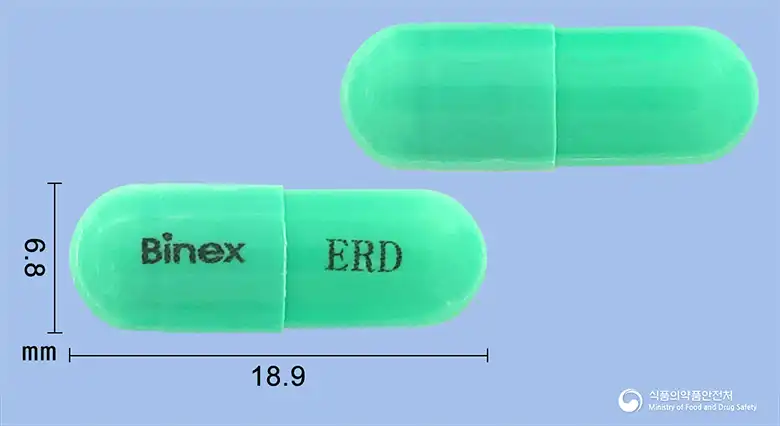
Erdosteine 300mg
Hard capsule · OTC medication
Bionex Co., Ltd.
Even with the same ingredient, the dose and directions can differ by strength and dosage form. Talk to a doctor or pharmacist before switching from a medication you are already taking.
No questions yet.
For anything that needs medical judgment, consult a doctor or pharmacist.
This drug information is based on data provided by the Korea Ministry of Food and Drug Safety.
Consult a doctor or pharmacist for accurate dosage, administration, and usage instructions.