
 한국어
 English
 日本語
 中文(简体)
Dosage form image
Viewing nowMegacarvel Tablet 12.5 mg (Carvedilol)
Carvedilol 12.5mg
Tablet · Prescription medication
LNC Bio Co., Ltd.
MFDS item code 201908539 · Approved 2019.12.19
This product's status changed to Approval withdrawn on 2024.05.31. It may no longer be sold, so consult a doctor or pharmacist before taking it.
Adjunctive treatment of congestive heart failure; treatment of essential hypertension and chronic stable angina
This medication is used for cardiovascular diseases such as essential hypertension, chronic stable angina pectoris, and congestive heart failure. It also aids as an adjunct treatment when used in combination with diuretics, digitalis preparations, ACE inhibitors, and other vasodilators. This can help control blood pressure and improve heart function. It is effective in managing overall cardiovascular health when used in conjunction with other medications tailored to the patient's condition. Used to improve heart and vascular health.
Do not increase the dose or discontinue treatment without the physician's instructions. 1. Essential hypertension 1) Adults (1) For the first 2 days, administer 12.5 mg of carvedilol orally once daily, then administer 25 mg orally once daily. (2) The usual dose is 25 mg orally once daily for 2 weeks. If a dose increase is needed, increase to 25 mg per dose twice daily. The maximum dose per administration is 25 mg, and the maximum daily dose is 50 mg. 2) Elderly patients In some elderly patients, 12.5 mg once daily may provide an adequate effect. However, the dose may be increased if the effect is insufficient after 2 weeks of treatment. 2. Chronic stable angina 1) For the first 2 days, administer 12.5 mg of this medicine per dose twice daily orally, then administer 25 mg per dose twice daily orally. 2) The usual dose is 25 mg per dose twice daily for 2 weeks. If an increase is needed (excluding elderly patients), the dose may be increased to 50 mg per dose twice daily. 3. Congestive heart failure Before starting treatment with this medicine, the patient's existing standard treatment regimen (conventional treatment for chronic heart failure with an ACE inhibitor, a diuretic, and usually a digitalis preparation) must be stable. Fluid retention should also be minimized before starting treatment with this medicine. 1) In general, the initial dose is 3.125 mg of this medicine per dose twice daily orally for 2 weeks. If the patient tolerates this treatment well, increase the dose to 6.25 mg per dose twice daily for 2 weeks, then to 12.5 mg per dose twice daily for 2 weeks, and then to 25 mg per dose twice daily. 2) After taking each dose level for at least 2 weeks, gradually increase the dose to the highest dose the patient can tolerate. 3) The minimum effective dose is 6.25 mg per dose twice daily. The maximum dose is 25 mg per dose twice daily for patients weighing 85 kg or less, and 50 mg per dose twice daily for patients weighing more than 85 kg. 4) To control the rate of absorption, it is recommended that the medicine be taken with meals in the morning and evening. Taking it with meals slows the rate of absorption and may reduce the incidence of orthostatic hypotension.
This medication should not be taken by certain patients. For example, those who are allergic to this drug or its components, patients with cardiogenic shock, heart conditions with conduction issues, patients with cor pulmonale, patients with diabetic ketoacidosis, patients with severely compromised heart function, patients with asthma or chronic obstructive pulmonary disease (COPD), patients with secondary hypertension, specific heart conditions, patients with acute pulmonary embolism, patients on certain medications, patients with severe hypotension, patients with severe liver dysfunction, pregnant or breastfeeding women, patients with peripheral circulatory disorders, patients with laryngeal edema, patients with complications post-myocardial infarction, patients with fluid overload, patients with allergic rhinitis, and patients with genetic issues such as lactose intolerance. Also, patients with diabetes or a history of hypersensitivity reactions, patients with a history of skin disease caused by beta-blockers, patients with renal impairment concomitant with hypotension, patients with unstable angina pectoris, patients with chronic congestive heart failure, patients with severe nephropathy, elderly patients, patients who experience a drop in blood pressure upon posture change, patients with acute inflammatory heart disease, patients who are on certain medications, patients fasting, patients with hyperthyroidism, contact lens wearers, and individuals under 18 years of age, including children and adolescents, should exercise caution when taking this drug. Mild symptoms such as dizziness, headache, and fatigue may occur when taking this drug, and severe cases may result in hallucinations, confusion, depression, sleep disturbances, and nightmares. Cardiovascular issues such as bradycardia, shock, and heart failure may arise, thus regular heart function monitoring is necessary. There is a risk of rapid blood pressure drop, and consciousness loss may occur rarely, so caution is required. In cases of renal impairment, renal failure may occur, and respiratory resistance may increase affecting the respiratory system. Gastrointestinal symptoms may include nausea, diarrhea, abdominal pain, and vomiting, while the skin may show hives, itching, and rashes. Additionally, abnormalities in the hematologic and endocrine systems have been reported, worsening symptoms of diabetes, bradycardia, hypotension, and dizziness may appear. Long-term treatment necessitates regular heart function tests, liver and kidney function tests, etc., and abrupt cessation can worsen heart disease symptoms, so it should be tapered off gradually following a doctor's instructions. Elderly patients or those with low blood pressure should be especially cautious when first taking it and it is advisable not to take it within 48 hours before surgery. This medication may interact with other medications, therefore caution should be exercised when taking it with antihypertensives, sedatives, antidepressants, hypoglycemic agents, calcium channel blockers, antiarrhythmics, anesthetics, alcohol, etc. Furthermore, when taken with certain drugs that inhibit or induce specific enzymes, the blood concentration of this drug may change, necessitating monitoring. Pregnant or breastfeeding women should not take this medication as it may cause serious side effects in the fetus or newborn. Safety in children and adolescents under 18 years has not been established. In cases of overdose, hypotension, decreased heart rate, impaired heart function, difficulty breathing, and altered consciousness may occur, necessitating immediate medical attention and appropriate detoxification and supportive care.
Dizziness, headache, fatigue, weakness, hallucinations, confusion, depression, sleep disorders, nightmares, psychosis, severe bradycardia, shock, complete atrioventricular block, heart failure, cardiac arrest, significant decrease in blood pressure, loss of consciousness, decreased pulse rate, cold extremities, edema, asystole, impaired kidney function, renal failure, increased resistance in the respiratory tract, nausea, diarrhea, abdominal pain, vomiting, constipation, urticaria, itching, lichenoid reaction, hyperhidrosis, allergic rash, serum aminotransferase changes, thrombocytopenia, leukopenia, onset of latent diabetes, hypoglycemia, masked hyperthyroidism, hyperglycemia, weight gain, increased blood cholesterol, bradycardia, hypotension, shortness of breath, hypertension in angina, liver dysfunction, jaundice, limb pain, decreased tear production, sensory disturbances, visual disturbances, eye irritation, dry mouth, urination disorders, sexual dysfunction, allergic reactions, toxic epidermal necrolysis, Stevens-Johnson syndrome, marked drop in blood pressure, slowed heart rate, myocardial weakness, asystole, dyspnea, bronchospasm, vomiting, altered consciousness, generalized seizure
Not everyone experiences these, and they can vary from person to person.
This medication is sensitive to light and should be stored in a light-resistant container. It should also be kept at room temperature between 1 degree and 30 degrees Celsius for safe use.
Reddish-brown round tablet
90 tablets (10 tablets/PTP × 9)
Even with the same ingredient, strength, dosage form and how it is taken can differ.
Carvedilol 12.5mg
Tablet · Prescription medication
LNC Bio Co., Ltd.
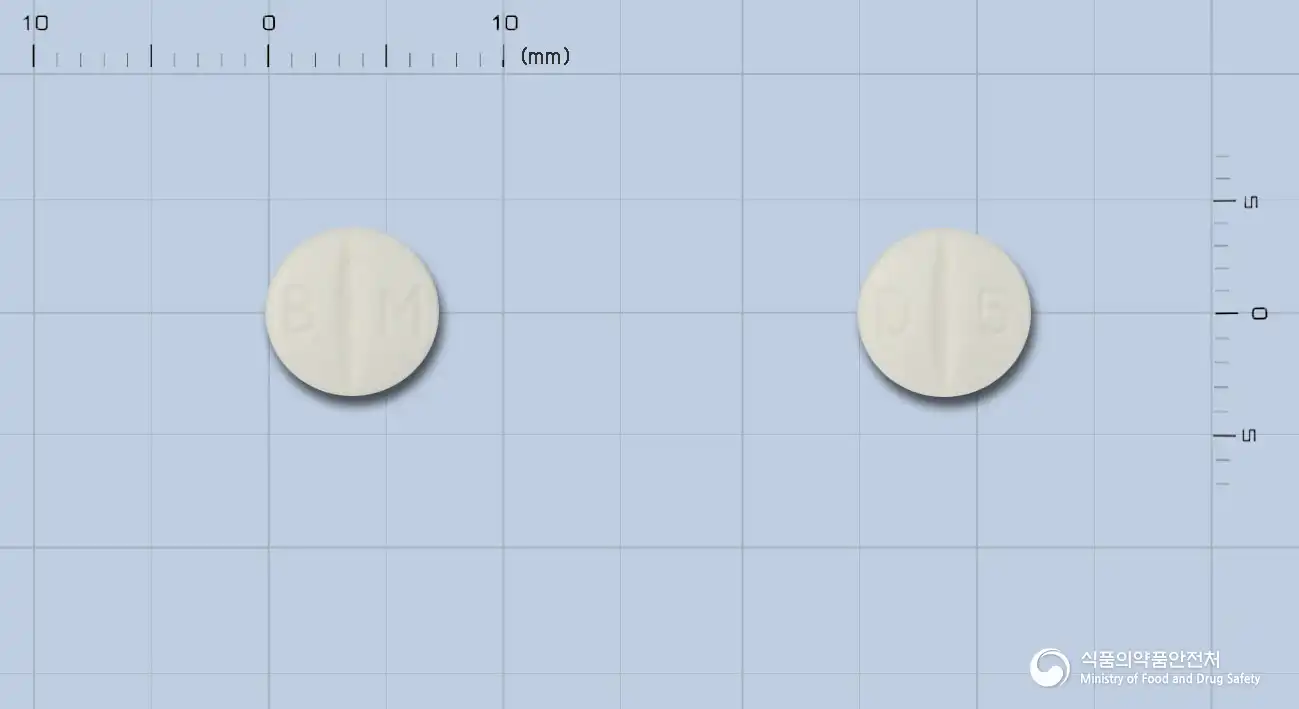
Carvedilol 25mg
Tablet · Prescription medication
Jongkun Dang Co., Ltd.
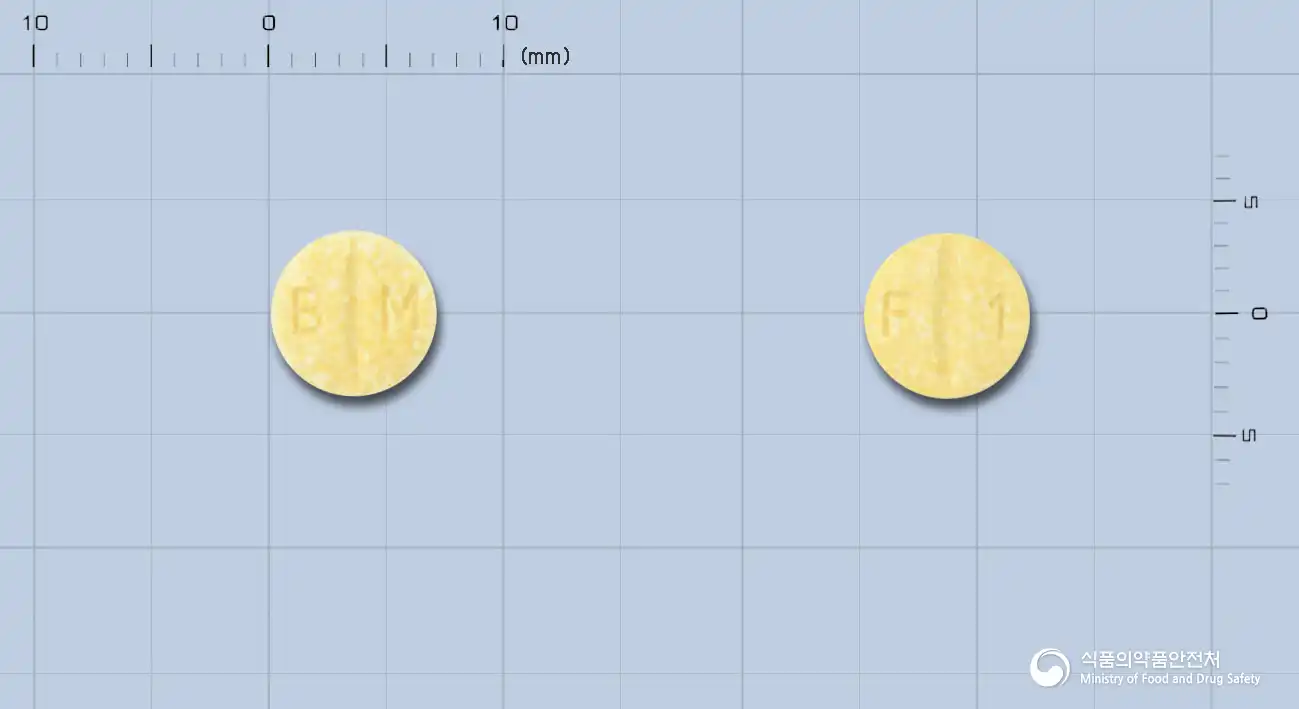
Carvedilol 6.25mg
Tablet · Prescription medication
Jongkundang Co., Ltd.
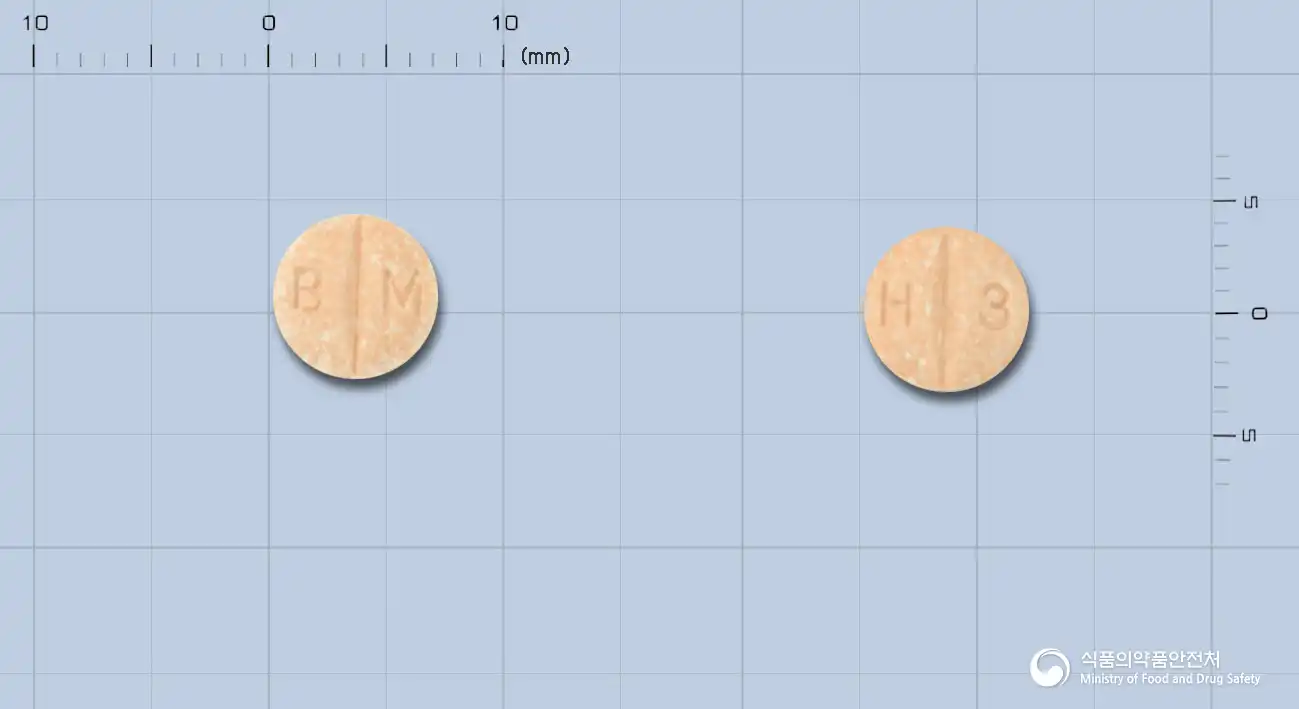
Carvedilol 12.5mg
Tablet · Prescription medication
Jongkundang Co., Ltd.
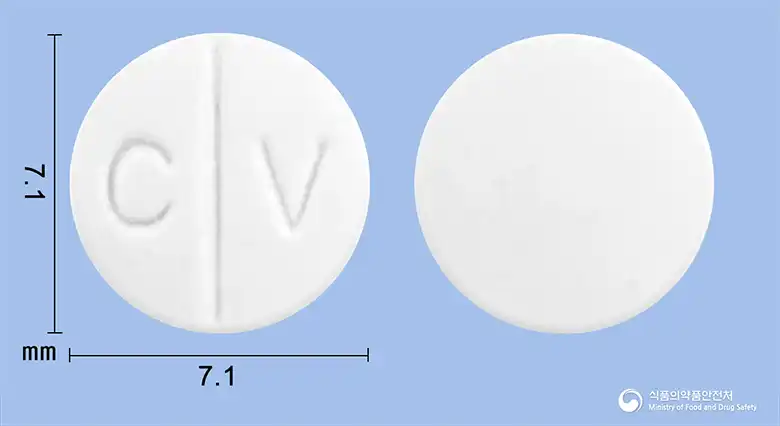
Carvedilol 25mg
Tablet · Prescription medication
Hanmi Pharmaceutical Co., Ltd.
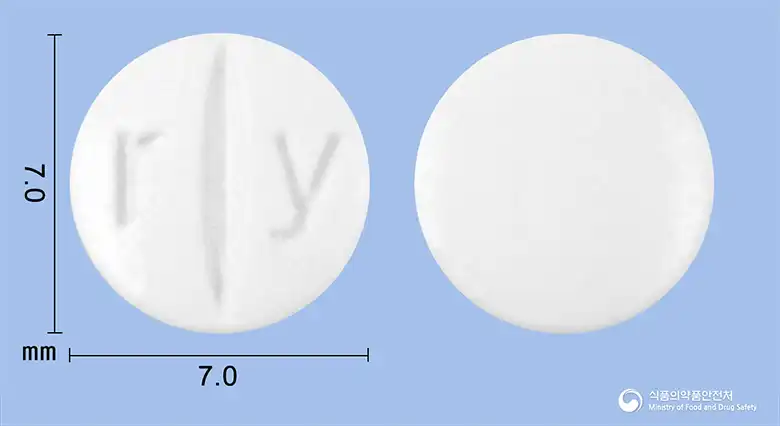
Carvedilol 25mg
Tablet · Prescription medication
Lee Yeon Pharmaceuticals Co., Ltd.
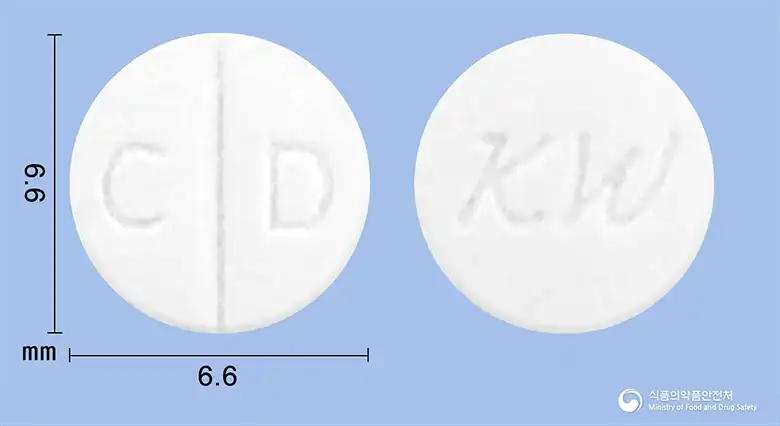
Carvedilol 25mg
Tablet · Prescription medication
Albozen Korea Co., Ltd.
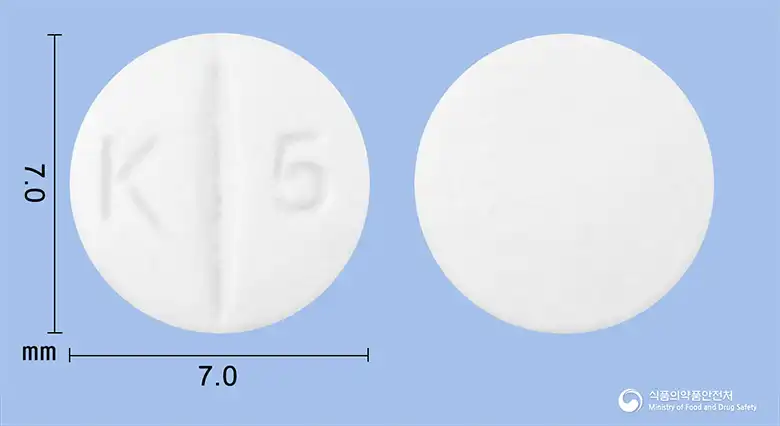
Carvedilol 25mg
Tablet · Prescription medication
Myungin Pharmaceutical Co., Ltd.
Even with the same ingredient, the dose and directions can differ by strength and dosage form. Talk to a doctor or pharmacist before switching from a medication you are already taking.
No questions yet.
For anything that needs medical judgment, consult a doctor or pharmacist.
This drug information is based on data provided by the Korea Ministry of Food and Drug Safety.
Consult a doctor or pharmacist for accurate dosage, administration, and usage instructions.