
 한국어
 English
 日本語
 中文(简体)
 Viewing nowCombination
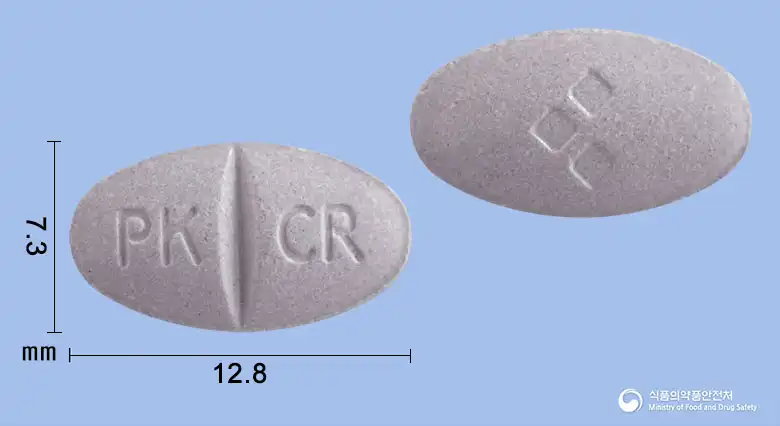
Perkins CR Tablets 50-200 Milligrams (Carbidopa, Levodopa)
Carbidopa Hydrate 54mg · Levodopa 200mg
Tablet · Prescription medication · Combination
Myungjin Pharmaceutical Co., Ltd.
MFDS item code 201907607 · Approved 2019.10.31 · Insurance code 651904870
Treatment of Parkinson's disease and parkinsonian syndromes
This medication is primarily used for movement disorders such as Parkinson's disease and Parkinsonism. Parkinson's disease is a degenerative condition of the nervous system characterized by symptoms such as tremors, rigidity, and bradykinesia, while Parkinsonism refers to a group of similar symptoms that can occur due to various causes. This medication helps alleviate symptoms of these diseases and improves the daily lives of patients, thus it is used for the treatment of Parkinson's disease and Parkinsonism.
1. Determine the optimal dose by adjusting it as appropriate according to the clinical response. During dose adjustment, closely monitor the patient's response, particularly for the occurrence or worsening of nausea and abnormal involuntary movements (including dyskinesia, chorea, and dystonia). 2. This medicine must be taken as one whole tablet. Because it is an extended-release tablet, do not chew or crush it. 3. While adjusting the dose of this medicine, it may be used concomitantly with other antiparkinsonian medicines, except levodopa alone. 4. This medicine may be used concomitantly with pyridoxine supplements (vitamin B6), because carbidopa can inhibit the effect of levodopa that is reversed by pyridoxine. Initial dose 1) Patients previously treated with a levodopa/decarboxylase inhibitor combination (e.g., an immediate-release carbidopa-levodopa combination) ① Administer this medicine at a dose that increases the levodopa dose by approximately 10%. However, the dose may be increased by up to 30% according to clinical response. (See “Dose Adjustment.”) ② Take every 4 ~ 8 hours, excluding sleep time. To replace the existing levodopa/decarboxylase inhibitor combination with this medicine, divide the dose as follows according to the daily dose. Immediate-release carbidopa-levodopa combination Daily dose (mg as levodopa) Carbidopa-levodopa combination (extended-release) 50/200 Number of doses by dose level (mg as levodopa) 300 ~ 400 mg 200 mg per dose, 2 times daily 500 ~ 600 mg 200 mg per dose, 3 times daily 700 ~ 800 mg Total 800 mg per day, divided into 3 or more doses 900 ~ 1000 mg Total 1000 mg per day, divided into 3 or more doses (e.g., 400 mg in the morning, 400 mg in the early afternoon, and 200 mg in the late afternoon) 2) Patients previously treated with levodopa alone ① Administer this medicine at approximately 25% of the previous levodopa dose. ② Discontinue the existing levodopa-only preparation at least 8 hours before administering this medicine. ③ For patients with mild to moderate disease, the recommended dose is 1 tablet twice daily. 3) Patients not treated with levodopa For patients with mild to moderate disease, take 1 tablet twice daily, with at least 6 hours between doses. Dose adjustment 1) After the initial dose, adjust the dose and dosing interval as appropriate according to clinical response. 2) In general, administer 400 ~ 1600 mg per day as levodopa in divided doses every 4 ~ 8 hours, excluding sleep time. A large daily dose of 2400 mg or more as levodopa may be taken at intervals shorter than 4 hours, but this is not recommended. 3) If the dosing interval is less than 4 hours or the dose is not the same at each administration, take a smaller dose at the last administration of the day. In some patients, the onset of action of the first morning dose of this medicine may be delayed by about 1 hour compared with the immediate-release carbidopa-levodopa combination. (See “4. General Precautions.”) 4) Consider increasing or decreasing the dose only after the same dose has been administered for at least 3 days. Maintenance dose Parkinson's disease is progressive; adjust the dosage regimen of this medicine as needed during regular checkups. Concomitant use with other antiparkinsonian medicines 1) This medicine may be used concomitantly with anticholinergics, dopamine agonists, and amantadine; adjust the dose of this medicine if needed. 2) In patients with severe Parkinson's disease who require an additional dose of an immediate-release levodopa preparation for a short period during the day, use this medicine concomitantly with an immediate-release carbidopa-levodopa combination. Discontinuation 1) Closely monitor whether dose reduction or discontinuation of this medicine is necessary, particularly in patients receiving neuroleptics. (See “4. General Precautions.”) 2) If anesthesia is required, continue this medicine until the patient can swallow medication orally. If treatment is temporarily interrupted, administer the usual dose as soon as the patient is able to take medication orally.
This medication should not be used in certain patients. For example, patients with glaucoma who have elevated intraocular pressure, those who are allergic to this medication's ingredients, and those taking specific medications should not receive this treatment. Additionally, patients with skin abnormalities or a history of melanoma should avoid this medication. Patients with liver or kidney dysfunction, peptic ulcers, or serious heart or lung diseases should use this medication cautiously. Those with a history of seizures or arrhythmias also require careful attention during treatment, and heart functions should be closely monitored during therapy. This medication may increase dopamine levels in the brain, potentially leading to movement disorders or psychiatric issues, so if such symptoms appear, dosage reduction may be necessary. Those with depression or suicidal tendencies must be especially cautious, and care should be taken when used alongside psychiatric medications. Common side effects while taking this medication include nausea, hallucinations, dizziness, depressive feelings, headaches, and muscle cramps. Regular blood tests should also be conducted, as abnormal findings may appear. Women who are pregnant or may become pregnant should not use this medication, and breastfeeding should be approached with caution. This medication is not recommended for children under 18 years of age, and elderly patients should be administered the drug with close monitoring of symptoms. In case of overdose, medical attention should be sought immediately for appropriate treatment, and an electrocardiogram may be necessary due to the risk of arrhythmias. This medication may interact with other drugs, so patients, particularly those taking antihypertensive medications, psychiatric drugs, or iron supplements, must inform their healthcare provider. Caution is also advised while driving or operating machinery, as drowsiness or sudden sleep may occur during treatment. Finally, if this medication is taken for an extended period, regular tests should be conducted to check for abnormalities in liver, kidney, heart, and blood function.
Not everyone experiences these, and they can vary from person to person.
This medication should be stored in a tightly sealed container to prevent exposure to air or moisture. It is best kept at room temperature between 1°C and 30°C.
Purple speckled oval tablets
30 tablets/bottle, 200 tablets/bottle
Even with the same ingredient, strength, dosage form and how it is taken can differ.
Viewing nowCombinationCarbidopa Hydrate 54mg · Levodopa 200mg
Tablet · Prescription medication · Combination
Myungjin Pharmaceutical Co., Ltd.
 Combination
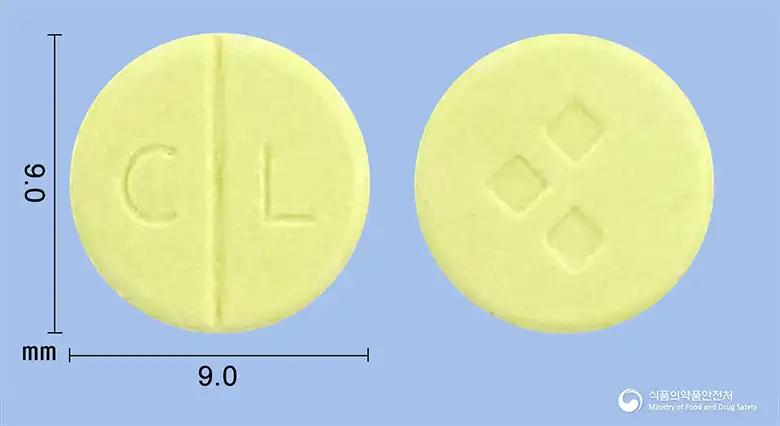
Carbidopa Hydrate 27mg · Levodopa 100mg
Tablet · Prescription medication · Combination
Myeongin Pharmaceutical Co., Ltd.
 Combination
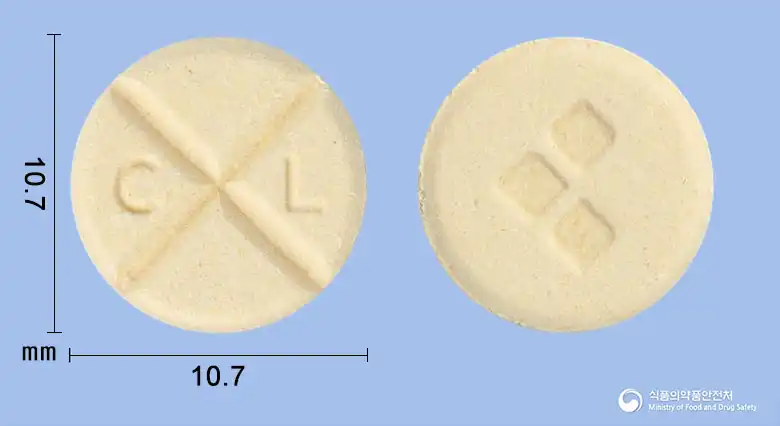
Carbidopa Hydrate 27mg · Levodopa 250mg
Tablet · Prescription medication · Combination
Myeongin Pharmaceutical Co., Ltd.
Even with the same ingredient, the dose and directions can differ by strength and dosage form. Talk to a doctor or pharmacist before switching from a medication you are already taking.
No questions yet.
For anything that needs medical judgment, consult a doctor or pharmacist.
This drug information is based on data provided by the Korea Ministry of Food and Drug Safety.
Consult a doctor or pharmacist for accurate dosage, administration, and usage instructions.