
 한국어
 English
 日本語
 中文(简体)
Summary
- Main use
- Treatment of HR-positive/HER2-negative advanced or metastatic breast cancer and early breast cancer
- Who takes it
- Adults
- Adult dose
- This medicine may be taken with or without food. Early breast cancer The recommended dose of this medicine is 400 mg once daily (two 200 mg film-coated tablets) taken orally for 21 consecutive days, followed by 7 days off treatment, in a 28-day cycle. In patients with early breast cancer, treatment with this medicine should continue for 3 years, or until disease recurrence or unacceptable toxicity occurs. When this medicine is administered in combination with an aromatase inhibitor, refer to the prescribing information for the aromatase inhibitor for its dose and administration. In premenopausal and perimenopausal women and in men, it should be administered in combination with a luteinizing hormone-releasing hormone (LHRH) agonist, in accordance with clinical practice guidelines. Advanced or metastatic breast cancer The recommended dose of this medicine is 600 mg once daily (three 200mg film-coated tablets) taken orally for 21 consecutive days, followed by 7 days off treatment, in a 28-day cycle. When this medicine is administered in combination with an aromatase inhibitor, administer the recommended dose of the aromatase inhibitor (refer to the prescribing information). When this medicine is administered in combination with fulvestrant, the recommended dose of fulvestrant is 500mg on Days 1, 15, and 29, and once monthly thereafter (refer to the prescribing information). In premenopausal and perimenopausal women, it should be administered in combination with a luteinizing hormone-releasing hormone (LHRH) agonist, in accordance with clinical practice guidelines. Patients with early breast cancer and advanced or metastatic breast cancer are advised to take this medicine and the aromatase inhibitor, preferably in the morning, at approximately the same time each day. If a patient vomits after taking this medicine or misses a dose, an additional dose should not be taken. The next dose should be taken at the scheduled time. This medicine should be swallowed whole; do not chew, crush, or split it before swallowing. Do not take tablets that are damaged, such as broken or cracked. Dose modification Dose modification for adverse reactions Early breast cancer Starting dose: 400mg/day, two 200mg tablets Dose reduction: 200mg/day*, one 200mg tablet Advanced or metastatic breast cancer Starting dose: 600 mg/day, three 200mg tablets First dose reduction: 400 mg/day, two 200mg tablets Second dose reduction: 200 mg/day*, one 200mg tablet *Discontinue treatment if a further dose reduction to 200 mg/day or below is required. Neutropenia Grade 1 or 2 (ANC 1000/mm3 -< LLN): No dose modification is required. Grade 3 (ANC 500 -< 1000/mm3): Interrupt treatment until recovery to Grade 2 or lower. When treatment is resumed, resume at the same dose. If Grade 3 toxicity recurs, interrupt treatment until recovery, then resume this medicine at the next lower dose level. Grade 3 febrile* neutropenia: Interrupt treatment until neutropenia recovers to Grade 2 or lower. When treatment is resumed, resume at the next lower dose level. Grade 4 (ANC<500/mm3): Interrupt treatment until recovery to Grade 2 or lower. When treatment is resumed, resume at the next lower dose level. * Grade 3 neutropenia with a single fever exceeding 38.3℃ or a fever of 38℃ or higher lasting for more than 1 hour and/or accompanied by concurrent infection. Hepatobiliary toxicity Increased AST and/or ALT from baseline* with total bilirubin not exceeding 2 times ULN Grade 1 (>ULN ~ 3 ULN): No dose modification is required. Grade 2 (> 3 ~ 5 ULN): If baseline* is below Grade 2: Interrupt treatment until recovery to baseline grade or lower, then resume at the same dose. If Grade 2 recurs, resume this medicine at the next lower dose level. If baseline* is Grade 2: No interruption of treatment. Grade 3 (> 5 ~ 20 ULN): Interrupt treatment until recovery to baseline* grade or lower, then resume at the next lower dose level. If Grade 3 recurs, discontinue this medicine. Grade 4 (> 20 ULN): Discontinue this medicine. Increased AST and/or ALT accompanied by increased total bilirubin in the absence of cholestasis: Discontinue this medicine if total bilirubin is >2 ULN and ALT and/or AST is > 3 ULN, regardless of baseline* grade. * Baseline=before initiation of treatment QT prolongation >480ms and ≤500ms Early breast cancer: Interrupt treatment until QTcF improves to below 481 ms. Resume treatment at the same dose. Advanced or metastatic breast cancer: Resume treatment at the next lower dose level. If QTcF recurs at 481ms or higher, interrupt this medicine until QTcF improves to below 481ms. Then resume treatment at the next lower dose level. >500ms: If QTcF improves to below 481ms, resume treatment at the next lower dose level. If QTcF recurs at above 500ms, discontinue this medicine. Permanently discontinue this medicine if the QTcF interval is greater than 500ms or changes by more than 60ms from baseline and any of the following occur: Torsades de Pointes, polymorphic ventricular tachycardia, unexplained syncope, or signs/symptoms of serious arrhythmia Discontinue treatment if a further dose reduction to 200mg/day or below is required. Interstitial lung disease/pneumonitis Grade 1 (asymptomatic): No dose modification is required. Initiate appropriate medical treatment and monitor as clinically indicated. Grade 2 (symptomatic): Interrupt treatment until recovery to Grade 1 or lower, and consider resuming at the next lower dose* level. If Grade 2 recurs, discontinue this medicine. Grade 3 (severe) or Grade 4 (life-threatening): Discontinue this medicine. * An individualized benefit-risk analysis should be performed when considering resumption of this medicine. Other toxicities* Grade 1 or 2: No dose modification is required. Initiate appropriate medical treatment and monitor as clinically indicated. Grade 3: Interrupt treatment until recovery to Grade 1 or lower, then resume at the same dose. If Grade 3 recurs, resume treatment at the next lower dose level. Grade 4: Discontinue this medicine. * Excludes neutropenia, hepatotoxicity, interstitial lung disease/pneumonitis, and QT interval prolongation. Dose modification when coadministered with strong CYP3A inhibitors Avoid coadministration of this medicine with strong CYP3A inhibitors and consider alternative concomitant medications with less potential to inhibit CYP3A. If coadministration with a strong CYP3A inhibitor is necessary in patients with early breast cancer, monitor for adverse reactions and reduce the dose of this medicine to 200 mg if necessary. If coadministration with a strong CYP3A inhibitor is necessary in patients with advanced or metastatic breast cancer, reduce the dose of this medicine to 400mg once daily. If the strong inhibitor is discontinued, change the dose of this medicine to the dose used before initiation of the strong CYP3A inhibitor. This should occur after at least 5 half-lives of the strong CYP3A inhibitor have elapsed. Dose modification in hepatic impairment No dose modification is necessary in patients with early breast cancer and hepatic impairment. No dose modification is necessary in patients with mild hepatic impairment (Child-Pugh class A). In patients with advanced or metastatic breast cancer and moderate (Child-Pugh class B) or severe (Child-Pugh class C) hepatic impairment, the recommended starting dose of this medicine is 400mg once daily. This medicine has not been studied in patients with breast cancer and moderate or severe hepatic impairment. Dose modification in renal impairment No dose modification is necessary in patients with mild to moderate renal impairment. The recommended starting dose in patients with severe renal impairment is 200mg once daily. This medicine has not been studied in patients with breast cancer and severe renal impairment.
Ingredients
- Importer
- Novartis Korea Ltd.
Efficacy & effects
Treatment of HR-positive/HER2-negative advanced or metastatic breast cancer and early breast cancer
- Early breast cancer
- advanced breast cancer
- metastatic breast cancer
View approved original textHide original text
This medication is used for patients with hormone receptor-positive and HER2-negative breast cancer. In early breast cancer, it is administered in combination with aromatase inhibitors as adjuvant therapy for stage 2 and 3 patients at high risk of recurrence. In premenopausal or metastatic women and men, it should be used in combination with LHRH agonists. In patients with advanced or metastatic breast cancer, it is used as first-line endocrine therapy in conjunction with aromatase inhibitors or fulvestrant depending on menopausal status. If the disease progresses after endocrine therapy in postmenopausal patients, it should be combined with fulvestrant. This medication effectively improves the treatment of hormone receptor-positive HER2-negative breast cancer.
How to take
Adult dose
This medicine may be taken with or without food. Early breast cancer The recommended dose of this medicine is 400 mg once daily (two 200 mg film-coated tablets) taken orally for 21 consecutive days, followed by 7 days off treatment, in a 28-day cycle. In patients with early breast cancer, treatment with this medicine should continue for 3 years, or until disease recurrence or unacceptable toxicity occurs. When this medicine is administered in combination with an aromatase inhibitor, refer to the prescribing information for the aromatase inhibitor for its dose and administration. In premenopausal and perimenopausal women and in men, it should be administered in combination with a luteinizing hormone-releasing hormone (LHRH) agonist, in accordance with clinical practice guidelines. Advanced or metastatic breast cancer The recommended dose of this medicine is 600 mg once daily (three 200mg film-coated tablets) taken orally for 21 consecutive days, followed by 7 days off treatment, in a 28-day cycle. When this medicine is administered in combination with an aromatase inhibitor, administer the recommended dose of the aromatase inhibitor (refer to the prescribing information). When this medicine is administered in combination with fulvestrant, the recommended dose of fulvestrant is 500mg on Days 1, 15, and 29, and once monthly thereafter (refer to the prescribing information). In premenopausal and perimenopausal women, it should be administered in combination with a luteinizing hormone-releasing hormone (LHRH) agonist, in accordance with clinical practice guidelines. Patients with early breast cancer and advanced or metastatic breast cancer are advised to take this medicine and the aromatase inhibitor, preferably in the morning, at approximately the same time each day. If a patient vomits after taking this medicine or misses a dose, an additional dose should not be taken. The next dose should be taken at the scheduled time. This medicine should be swallowed whole; do not chew, crush, or split it before swallowing. Do not take tablets that are damaged, such as broken or cracked. Dose modification Dose modification for adverse reactions Early breast cancer Starting dose: 400mg/day, two 200mg tablets Dose reduction: 200mg/day*, one 200mg tablet Advanced or metastatic breast cancer Starting dose: 600 mg/day, three 200mg tablets First dose reduction: 400 mg/day, two 200mg tablets Second dose reduction: 200 mg/day*, one 200mg tablet *Discontinue treatment if a further dose reduction to 200 mg/day or below is required. Neutropenia Grade 1 or 2 (ANC 1000/mm3 -< LLN): No dose modification is required. Grade 3 (ANC 500 -< 1000/mm3): Interrupt treatment until recovery to Grade 2 or lower. When treatment is resumed, resume at the same dose. If Grade 3 toxicity recurs, interrupt treatment until recovery, then resume this medicine at the next lower dose level. Grade 3 febrile* neutropenia: Interrupt treatment until neutropenia recovers to Grade 2 or lower. When treatment is resumed, resume at the next lower dose level. Grade 4 (ANC<500/mm3): Interrupt treatment until recovery to Grade 2 or lower. When treatment is resumed, resume at the next lower dose level. * Grade 3 neutropenia with a single fever exceeding 38.3℃ or a fever of 38℃ or higher lasting for more than 1 hour and/or accompanied by concurrent infection. Hepatobiliary toxicity Increased AST and/or ALT from baseline* with total bilirubin not exceeding 2 times ULN Grade 1 (>ULN ~ 3 ULN): No dose modification is required. Grade 2 (> 3 ~ 5 ULN): If baseline* is below Grade 2: Interrupt treatment until recovery to baseline grade or lower, then resume at the same dose. If Grade 2 recurs, resume this medicine at the next lower dose level. If baseline* is Grade 2: No interruption of treatment. Grade 3 (> 5 ~ 20 ULN): Interrupt treatment until recovery to baseline* grade or lower, then resume at the next lower dose level. If Grade 3 recurs, discontinue this medicine. Grade 4 (> 20 ULN): Discontinue this medicine. Increased AST and/or ALT accompanied by increased total bilirubin in the absence of cholestasis: Discontinue this medicine if total bilirubin is >2 ULN and ALT and/or AST is > 3 ULN, regardless of baseline* grade. * Baseline=before initiation of treatment QT prolongation >480ms and ≤500ms Early breast cancer: Interrupt treatment until QTcF improves to below 481 ms. Resume treatment at the same dose. Advanced or metastatic breast cancer: Resume treatment at the next lower dose level. If QTcF recurs at 481ms or higher, interrupt this medicine until QTcF improves to below 481ms. Then resume treatment at the next lower dose level. >500ms: If QTcF improves to below 481ms, resume treatment at the next lower dose level. If QTcF recurs at above 500ms, discontinue this medicine. Permanently discontinue this medicine if the QTcF interval is greater than 500ms or changes by more than 60ms from baseline and any of the following occur: Torsades de Pointes, polymorphic ventricular tachycardia, unexplained syncope, or signs/symptoms of serious arrhythmia Discontinue treatment if a further dose reduction to 200mg/day or below is required. Interstitial lung disease/pneumonitis Grade 1 (asymptomatic): No dose modification is required. Initiate appropriate medical treatment and monitor as clinically indicated. Grade 2 (symptomatic): Interrupt treatment until recovery to Grade 1 or lower, and consider resuming at the next lower dose* level. If Grade 2 recurs, discontinue this medicine. Grade 3 (severe) or Grade 4 (life-threatening): Discontinue this medicine. * An individualized benefit-risk analysis should be performed when considering resumption of this medicine. Other toxicities* Grade 1 or 2: No dose modification is required. Initiate appropriate medical treatment and monitor as clinically indicated. Grade 3: Interrupt treatment until recovery to Grade 1 or lower, then resume at the same dose. If Grade 3 recurs, resume treatment at the next lower dose level. Grade 4: Discontinue this medicine. * Excludes neutropenia, hepatotoxicity, interstitial lung disease/pneumonitis, and QT interval prolongation. Dose modification when coadministered with strong CYP3A inhibitors Avoid coadministration of this medicine with strong CYP3A inhibitors and consider alternative concomitant medications with less potential to inhibit CYP3A. If coadministration with a strong CYP3A inhibitor is necessary in patients with early breast cancer, monitor for adverse reactions and reduce the dose of this medicine to 200 mg if necessary. If coadministration with a strong CYP3A inhibitor is necessary in patients with advanced or metastatic breast cancer, reduce the dose of this medicine to 400mg once daily. If the strong inhibitor is discontinued, change the dose of this medicine to the dose used before initiation of the strong CYP3A inhibitor. This should occur after at least 5 half-lives of the strong CYP3A inhibitor have elapsed. Dose modification in hepatic impairment No dose modification is necessary in patients with early breast cancer and hepatic impairment. No dose modification is necessary in patients with mild hepatic impairment (Child-Pugh class A). In patients with advanced or metastatic breast cancer and moderate (Child-Pugh class B) or severe (Child-Pugh class C) hepatic impairment, the recommended starting dose of this medicine is 400mg once daily. This medicine has not been studied in patients with breast cancer and moderate or severe hepatic impairment. Dose modification in renal impairment No dose modification is necessary in patients with mild to moderate renal impairment. The recommended starting dose in patients with severe renal impairment is 200mg once daily. This medicine has not been studied in patients with breast cancer and severe renal impairment.
Precautions
This medication may cause serious interstitial lung disease or pneumonia, so if symptoms such as cough, dyspnea, or fever occur during treatment, immediate medical attention should be sought. This medication may prolong the QT interval, which measures the electrical signal of the heartbeat, so caution is required for patients with heart disease or electrolyte imbalances. Taking this medication with certain heart-related drugs or strong CYP3A inhibitors can be dangerous, so be sure to inform your doctor of any other medications being taken. Due to its impact on liver function, regular liver function tests should be performed before and during treatment, and dosage adjustments or discontinuation may be necessary if liver enzyme levels increase. This medication can decrease the number of neutrophils among white blood cells, increasing the risk of infection, so if fever or symptoms of infection appear, medical personnel should be notified immediately. Pregnant women should not take this medication as it may harm the fetus, and women of childbearing age must use effective contraception during and at least 3 weeks after treatment. Serious skin reactions may occur, so if severe rash or blisters develop, the medication should be stopped immediately, and consultation with a doctor is necessary. Elderly patients 65 years and older can use this medication without special dosage adjustments, but should consult medical personnel if unusual symptoms appear.
Side effects
- Interstitial lung disease
- pneumonia
- QT interval prolongation
- ALT elevation
- AST elevation
- neutropenia
- febrile neutropenia
- infection
- nausea
- headache
Show 39 moreCollapse
- fatigue
- leukopenia
- abnormal liver function tests
- anemia
- thrombocytopenia
- lymphopenia
- hypocalcemia
- hypokalemia
- anorexia
- dizziness
- cough
- dyspnea
- diarrhea
- constipation
- abdominal pain
- vomiting
- stomatitis
- hair loss
- rash
- pruritus
- asthenia
- fever
- peripheral edema
- oropharyngeal pain
- elevated serum creatinine
- increased tearing
- dry eyes
- hypophosphatemia
- syncope
- back pain
- dyspepsia
- taste disturbance
- dry skin
- erythema
- vitiligo
- dry mouth
- elevated bilirubin
- toxic epidermal necrolysis
- erythema multiforme
Not everyone experiences these, and they can vary from person to person.
Storage
This medication may be sensitive to air or moisture, so it must be stored in a tightly closed container. Also, it is essential to keep it in a cool place at refrigerator temperatures between 2 to 8 degrees Celsius to maintain its efficacy.
Appearance and packaging
Appearance
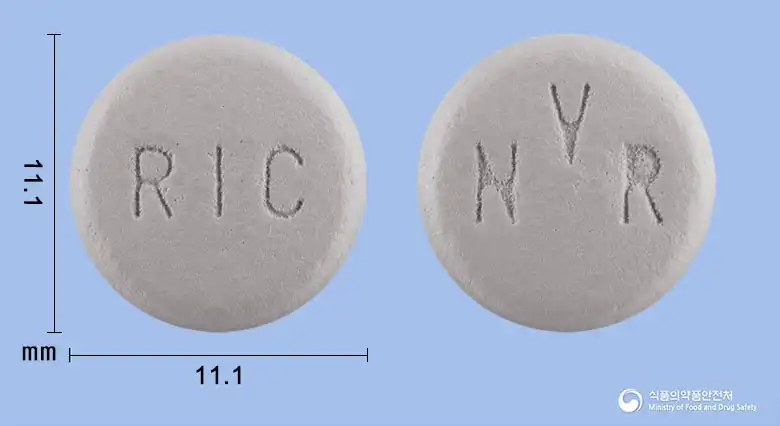
Round film-coated tablet in bright lilac color
Package unit
21 tablets/PTP[X1], 14 tablets/PTP[X3], 21 tablets/PTP[X3]
Questions about this medicine
No questions yet.
For anything that needs medical judgment, consult a doctor or pharmacist.