
 한국어
 English
 日本語
 中文(简体)
 Viewing now
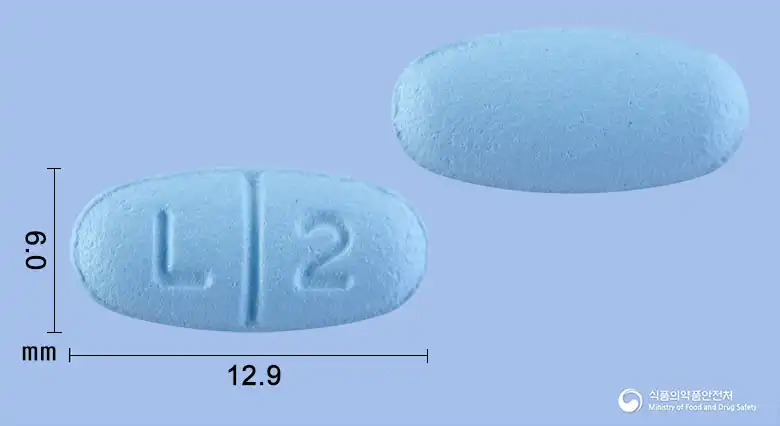
Leviapil Tablets 250 mg (Levetiracetam)
Levetiracetam 250mg
Tablet · Prescription medication
Genewon Science Co., Ltd.
MFDS item code 201907532 · Approved 2019.10.28 · Insurance code 671706210
Monotherapy for partial seizures; adjunctive treatment of partial and myoclonic seizures, etc.
This medication is used for the treatment of epilepsy. It is prescribed for patients aged 16 and older with a new diagnosis of epilepsy who have secondary generalized seizures or partial seizures as a monotherapy. As an adjunct therapy, it is used to treat secondary generalized seizures and partial seizures in patients aged 4 and older whose symptoms are not adequately controlled with existing first-line epilepsy medications. It is also applicable for the treatment of specific seizures in children aged 12 and older with myoclonic epilepsy and idiopathic generalized epilepsy. If oral administration is difficult, it can also be administered as an injectable form. This medication helps effectively improve various epilepsy seizure symptoms.
The film-coated tablets and oral solution are administered orally and may be taken with or without food. Take with plenty of water. The daily dose should be divided into 2 equal doses administered twice daily. Levetiracetam treatment may be initiated by intravenous or oral administration. When changing the route of administration from oral to intravenous or vice versa, the change may be made directly without dose titration; the total daily dose and frequency of administration should remain the same. Monotherapy - Adults and adolescents 16 years of age and older: The initial dose is 250mg twice daily. After 2 weeks, increase the dose to 500mg twice daily. Depending on clinical response, the daily dose may be increased by 500mg [250mg per dose, twice daily] every 2 weeks. The maximum dose is 3000mg daily [1500mg per dose, twice daily]. Adjunctive therapy - Partial-onset seizures, adults (18 years of age and older): Start treatment with 500mg twice daily. Depending on clinical response and tolerability, the daily dose may be increased or decreased by 1000mg [500mg per dose, twice daily] every 2 to 4 weeks. The maximum recommended dose is 3000mg daily. Adjunctive therapy - Primary generalized tonic-clonic seizures, adults (18 years of age and older): Start treatment with 1,000mg daily [500mg per dose, twice daily]. Increase the dose by 1,000mg daily [500mg per dose, twice daily] every 2 weeks to the recommended daily dose of 3,000mg [1,500mg per dose, twice daily]. Efficacy at doses below 3,000mg daily has not been adequately studied. Adult patients with renal impairment: Normal, ≧ 80, dose per administration 500-1,500mg, twice daily (12-hour interval) Mild, 50-79, dose per administration 500-1,000mg, twice daily (12-hour interval) Moderate, 30-49, dose per administration 250-750mg, twice daily (12-hour interval) Severe, < 30, dose per administration 250-500mg, twice daily (12-hour interval) End-stage renal disease patients on dialysis(1), -, dose per administration 500-1,000mg, once daily(2) (1) An initial loading dose of 750mg is recommended on the first day of treatment. (2) An additional dose of 250-500mg is recommended after dialysis. No dosage adjustment is required in patients with mild to moderate hepatic impairment. In patients with severe hepatic impairment, creatinine clearance may underestimate renal impairment. Therefore, when creatinine clearance is less than 60mL/min/1.73m2, it is recommended that the daily maintenance dose be reduced by 50%. Older adults (65 years of age and older): Dose adjustment is recommended in older patients with reduced renal function.
Adjunctive therapy - partial-onset seizures, adolescents (12-17 years) weighing 50kg or more: This medicine is initiated at 500mg twice daily. Depending on clinical response and tolerability, the dose may be increased or decreased by 1000mg/day [500mg twice daily] every 2 to 4 weeks; the maximum recommended dose is 3000mg/day. Adjunctive therapy - partial-onset seizures, children aged 4 to 11 years and adolescents aged 12 to 17 years weighing less than 50kg: The initial dose is 10mg/kg twice daily. Depending on clinical response and tolerability, the dose may be increased up to 60mg/kg/day [30mg/kg twice daily]; dose changes should not exceed increases or decreases of 20mg/kg/day [10mg/kg twice daily] every 2 weeks. Use the lowest effective dose. The dose for children weighing 50kg or more is the same as the adult dose. Body weight 15-20kg(1): 20mg/kg/day (twice daily), 300mg-400mg/day [150-200mg twice daily]; 40mg/kg/day (twice daily), 600mg-800mg/day [300-400mg twice daily]; 60mg/kg/day (twice daily), 900mg-1,200mg/day [450-600mg twice daily] Body weight 20.1-40kg: 20mg/kg/day (twice daily), 500mg/day [250mg twice daily]; 40mg/kg/day (twice daily), 1,000mg/day [500mg twice daily]; 60mg/kg/day (twice daily), 1,500mg/day [750mg twice daily] Body weight 40.1-50kg(2): 20mg/kg/day (twice daily), 1,000mg/day [500mg twice daily]; 40mg/kg/day (twice daily), 2,000mg/day [1,000mg twice daily]; 60mg/kg/day (twice daily), 3,000mg/day [1,500mg twice daily] (1) For children weighing 20kg or less, it is recommended to initiate treatment with the 100mg/ml oral solution. (2) The dosage and administration for children and adolescents weighing 50kg or more are the same as for adults. Adjunctive therapy - myoclonic seizures in pediatric patients (12 years and older): This medicine is initiated at 500mg twice daily. The dose is increased by 1,000mg/day every 2 weeks, up to the recommended daily dose of 3,000mg. Efficacy has not been studied at doses below 3,000mg/day. Adjunctive therapy - primary generalized tonic-clonic seizures, adolescents (12-17 years) weighing 50kg or more: This medicine is initiated at 1,000mg/day [500mg twice daily]. The dose is increased by 1,000mg/day [500mg twice daily] every 2 weeks, up to the recommended daily dose of 3,000mg [1,500mg twice daily]. Efficacy has not been adequately studied at doses below 3,000mg/day. Adjunctive therapy - primary generalized tonic-clonic seizures, adolescents aged 12-17 years weighing less than 50kg: This medicine is initiated at 20mg/kg/day [10mg/kg twice daily]. The dose is increased by 20mg/kg/day [10mg/kg twice daily] every 2 weeks, up to the recommended daily dose of 60mg/kg [30mg/kg twice daily]. Efficacy has not been adequately studied at doses below 60mg/kg/day. ks= 0.45 (infants under 1 year) ks= 0.55 (children and adolescent females under 13 years) ks= 0.7 (adolescent males) Pediatric patients and adolescents weighing less than 50kg with renal impairment: Normal, ≧ 80, 10-30mg/kg (0.10-0.30 ml/kg) twice daily Mild, 50-79, 10-20mg/kg (0.10-0.20 ml/kg) twice daily Moderate, 30-49, 5-15mg/kg (0.05-0.15ml/kg) twice daily Severe, < 30, 5-10 mg/kg (0.05-0.10ml/kg) twice daily End-stage renal disease patients on dialysis, --, 10-20mg/kg (0.10-0.20 ml/kg) once daily(1)(2) (1) A loading dose of 15 mg/kg (0.15ml/kg) is recommended on the first day of treatment. (2) An additional dose of 5-10 mg/kg (0.05-0.10ml/kg) is recommended after dialysis. The oral formulation is not recommended for infants under 1 month of age because of insufficient safety and efficacy data. Tablet administration is not applicable to children 4 years of age or younger; the oral solution should be administered to infants 1 month of age and older. The injection is not recommended for children under 16 years of age because its safety and efficacy have not been established.
This medication is used for the treatment of epilepsy, and during use, the risk of suicidal thoughts or behavior may increase; therefore, patients and caregivers should carefully monitor for these symptoms. This medication may affect the central nervous system, causing adverse neuropsychiatric reactions such as drowsiness, fatigue, coordination difficulties, and behavioral changes, especially within the first 4 weeks of treatment. Abrupt discontinuation of the medication may worsen seizures, so the dosage should be gradually reduced under medical supervision. It should not be used if there is an allergy to this drug or similar medications. If suicidal thoughts or depressive symptoms appear, inform a doctor immediately, and patients with impaired kidney function may require dosage adjustments. Regular blood tests to monitor white blood cell counts and other parameters are recommended, and if psychiatric symptoms such as unusual behavior or aggression occur, consult a physician. Seizures may worsen when starting the medication or increasing the dosage, so any changes should be discussed with healthcare providers promptly. Patients with heart problems or prolonged QT interval need to be cautious when taking this medication. This medication may cause various side effects such as drowsiness, headaches, dizziness, abdominal pain, nausea, and appetite loss, so patients should inform healthcare providers of any severe unusual symptoms. Women who are pregnant or planning to become pregnant should have thorough discussions with doctors regarding the medication, and nursing mothers may need to discontinue breastfeeding or reconsider medication as the drug can be passed through breast milk. Children and older adults also require special attention when taking this medication, especially children who should strictly follow the physician's instructions regarding dosage and administration. Caution should be taken when performing hazardous tasks such as driving or operating machinery due to potential drowsiness or decreased concentration. In case of overdose, immediate medical attention is necessary, as there is no antidote for this medication; symptomatic treatment will be performed according to symptoms. When storing the medication, keep it out of reach of children and do not transfer it to other containers.
Not everyone experiences these, and they can vary from person to person.
This medication should be stored in a tightly sealed container to avoid exposure to air or moisture, and it is safe to store it at room temperature between 1 to 30 degrees Celsius. Storing it this way helps maintain the medication's effectiveness for a long time.
Blue oval film-coated tablet
120 tablets/bottle, 30 tablets/bottle
Even with the same ingredient, strength, dosage form and how it is taken can differ.
Viewing nowLevetiracetam 250mg
Tablet · Prescription medication
Genewon Science Co., Ltd.
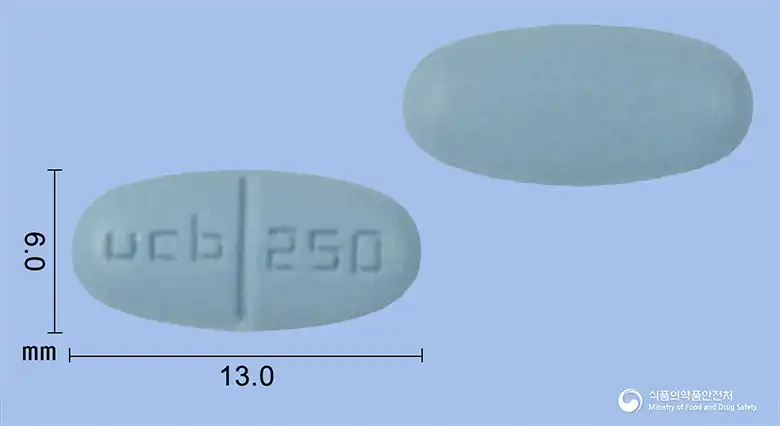
Levetiracetam 250mg
Tablet · Prescription medication
UCB Korea Co., Ltd.
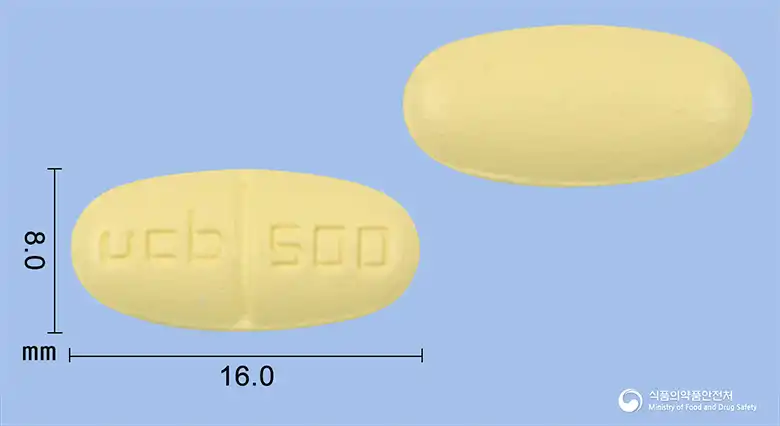
Levetiracetam 500mg
Tablet · Prescription medication
UCB Korea Co., Ltd.
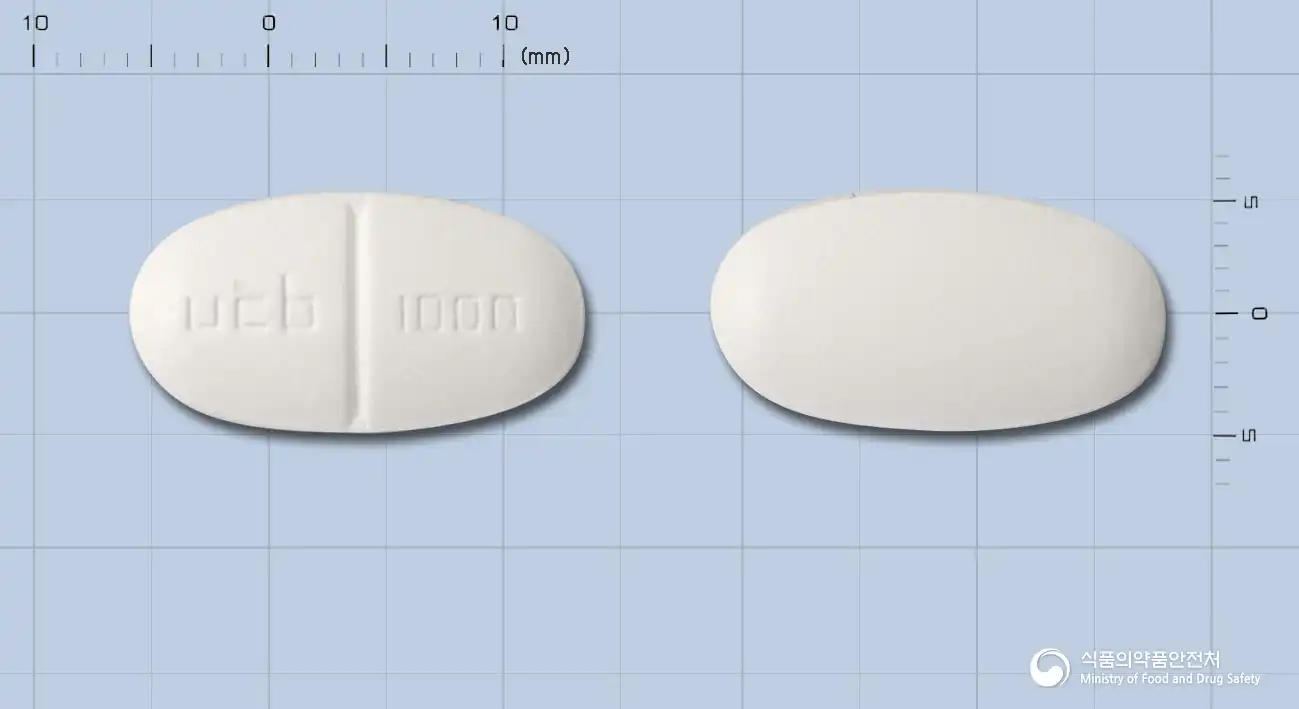
Levetiracetam 1000mg
Tablet · Prescription medication
UCB Korea Co., Ltd.
Levetiracetam 10g
Solution · Prescription medication
UCB Korea Co., Ltd.
Levetiracetam 500mg
Injections · Prescription medication
UCB Pharma Co., Ltd.
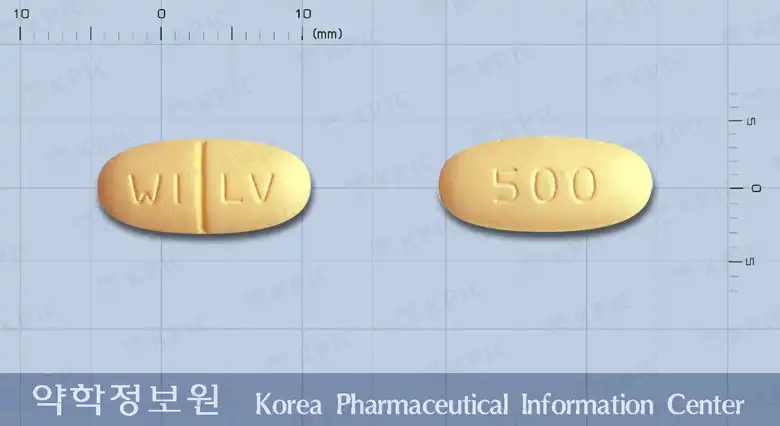
Levetiracetam 500mg
Tablet · Prescription medication
Hanmi Pharmaceutical Co., Ltd.
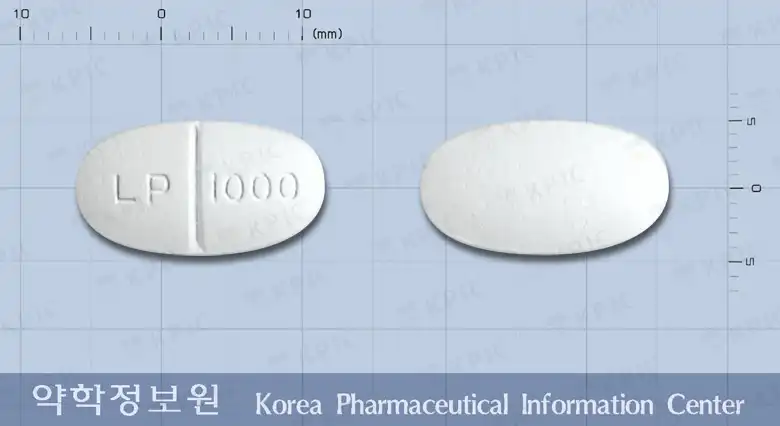
Levetiracetam 1000mg
Tablet · Prescription medication
Hanlim Pharmaceutical Co., Ltd.
Even with the same ingredient, the dose and directions can differ by strength and dosage form. Talk to a doctor or pharmacist before switching from a medication you are already taking.
No questions yet.
For anything that needs medical judgment, consult a doctor or pharmacist.
This drug information is based on data provided by the Korea Ministry of Food and Drug Safety.
Consult a doctor or pharmacist for accurate dosage, administration, and usage instructions.