
 한국어
 English
 日本語
 中文(简体)
 Viewing now
Orlistat Capsule 120mg (Orlistat)
Orlistat 120mg
Hard capsule · Prescription medication
Litepharm Tech Co., Ltd.
MFDS item code 201907445 · Approved 2019.10.24
Treatment of obesity (weight loss and maintenance); reduction and prevention of the risk of weight regain
This medication is used for patients with a body mass index (BMI) of 30 kg/m² or greater, or those with a BMI of 27 kg/m² or greater who have risk factors such as hypertension, diabetes, or dyslipidemia. It assists in weight loss or weight maintenance when combined with a low-calorie diet, and is effective in reducing the risk of weight regain. It helps improve health issues related to obesity and aids in weight management.
The recommended dose of this medication is 120 mg of orlistat orally 3 times daily, taken with a meal containing fat or within 1 hour after a meal. Patients should continue a nutritionally balanced, mildly calorie-restricted diet in which approximately 30 % of calories are derived from fat. Daily intake of fat, carbohydrates, and protein should be distributed evenly among three meals. This medication may be omitted if a meal is skipped or if a meal contains no fat. Because this medication may reduce the absorption of some fat-soluble vitamins and beta-carotene, patients are advised to take a multivitamin containing fat-soluble vitamins to ensure adequate nutrition. The vitamin supplement should be taken at least 2 hours before this medication or at least 2 hours after it, such as at bedtime. Taking more than 120 mg of this medication 3 times daily does not increase its effectiveness. Based on fecal fat measurements, the effect of this medication appears 24 ∼ 48 hours after taking it. After discontinuation of treatment, fecal fat content generally returns to pretreatment levels within 48 ∼ 72 hours. The efficacy and safety of this medication for periods exceeding 4 years have not been evaluated. Studies have not been conducted in patients with hepatic and/or renal impairment or in elderly patients.
Studies in children under 12 years of age have not been conducted.
This medication should not be used in patients with chronic malabsorption syndrome or bile secretion disorders. Additionally, individuals with known allergic reactions to this medication or its components should not take it. It should not be administered to pregnant women, women who may become pregnant, and breastfeeding women. Patients with liver damage should exercise extreme caution while taking this medication. Rarely, abnormalities in liver function may occur, so if symptoms indicating liver dysfunction arise, the medication should be discontinued immediately and a physician informed. It is important to check ALT and AST levels through liver function tests. Patients with hyperoxaluria or a history of calcium oxalate kidney stones should be cautious, as taking this medication may increase urinary oxalate excretion. Gastrointestinal symptoms may frequently occur while using this medication. For example, reports of fatty stools, oily stools, abdominal distension, flatulence, constipation, and fecal incontinence have been made, and such symptoms are usually mild and transient. Most adverse reactions occur within three months of starting treatment, with a tendency for symptoms to decrease during the second year. Serious liver damage, including hepatitis, hepatocellular necrosis, and acute liver failure, can very rarely occur, so if symptoms of liver dysfunction arise, the medication should be discontinued immediately. This medication can interfere with the absorption of fat-soluble vitamins and beta-carotene, so it is advisable to take vitamin supplements containing vitamins A, D, E, K, and beta-carotene. Vitamin supplements should be taken at least 2 hours before or 2 hours after taking this medication. When taken with a high-fat meal, this medication may increase gastrointestinal adverse reactions, making it important to distribute daily fat intake evenly across three meals. Excessive fat intake can exacerbate side effects. Patients taking anticoagulants (e.g., warfarin) should regularly check their blood coagulation status, as this medication may alter coagulation results when used together. This medication may interact with certain drugs, so caution is required when taking it with cyclosporine, antiepileptics, antidepressants, antipsychotics, and antiretrovirals. Particularly with cyclosporine, the blood concentration may decrease, so medication timing should be adjusted, or a healthcare provider should be consulted. This medication is not recommended during pregnancy, and breastfeeding individuals should also avoid it. The safety and efficacy of this medication in children under 12 years old have not been established, so it should not be used in this population. In cases of overdose, the effects are primarily due to the inhibition of fat-digesting enzymes, which generally recover rapidly, but the patient should be observed for 24 hours. This medication should be stored out of reach of children and kept protected from light and moisture.
Not everyone experiences these, and they can vary from person to person.
This medication is sensitive to air, light, and moisture, so it should be tightly closed in a sealed container. Additionally, it should be stored in a cool place below 25 degrees Celsius to maintain efficacy.
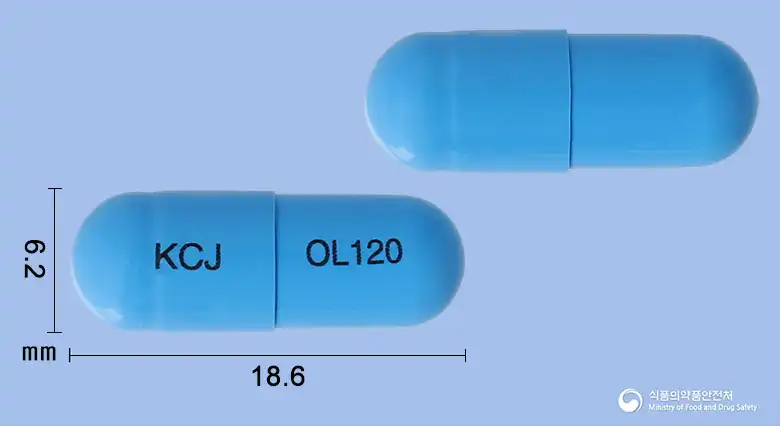
A hard capsule with a white or whitish powder or granules, with a greenish-blue body and cap.
30 capsules/bottle, 300 capsules/bottle
Even with the same ingredient, strength, dosage form and how it is taken can differ.
Viewing nowOrlistat 120mg
Hard capsule · Prescription medication
Litepharm Tech Co., Ltd.
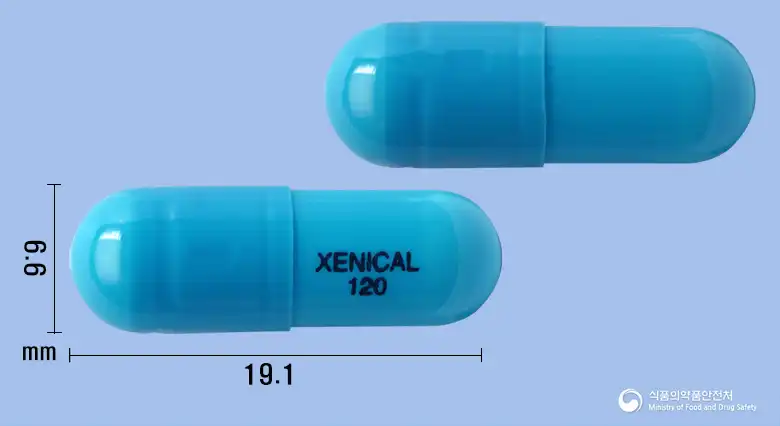
Orlistat 120mg
Hard capsule · Prescription medication
Jongkun Dang Co., Ltd.
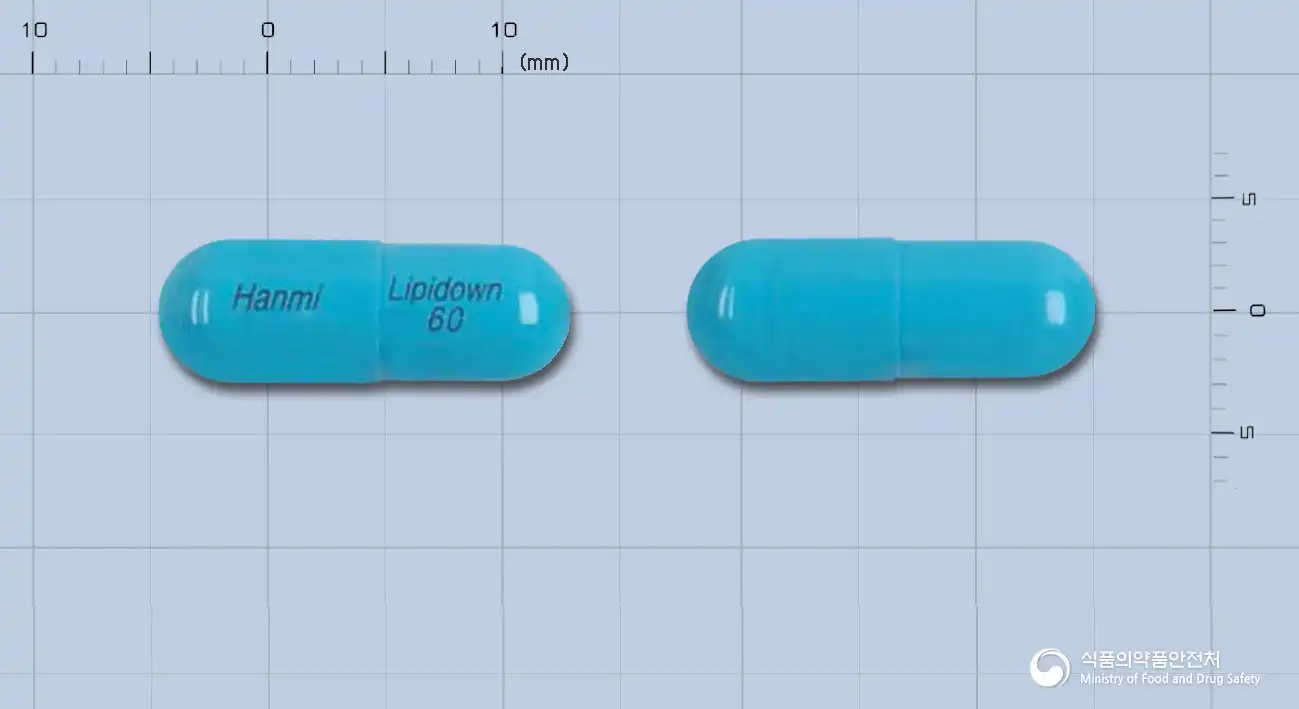
Orlistat 60mg
Hard capsule · Prescription medication
Hanmi Pharmaceutical Co., Ltd.
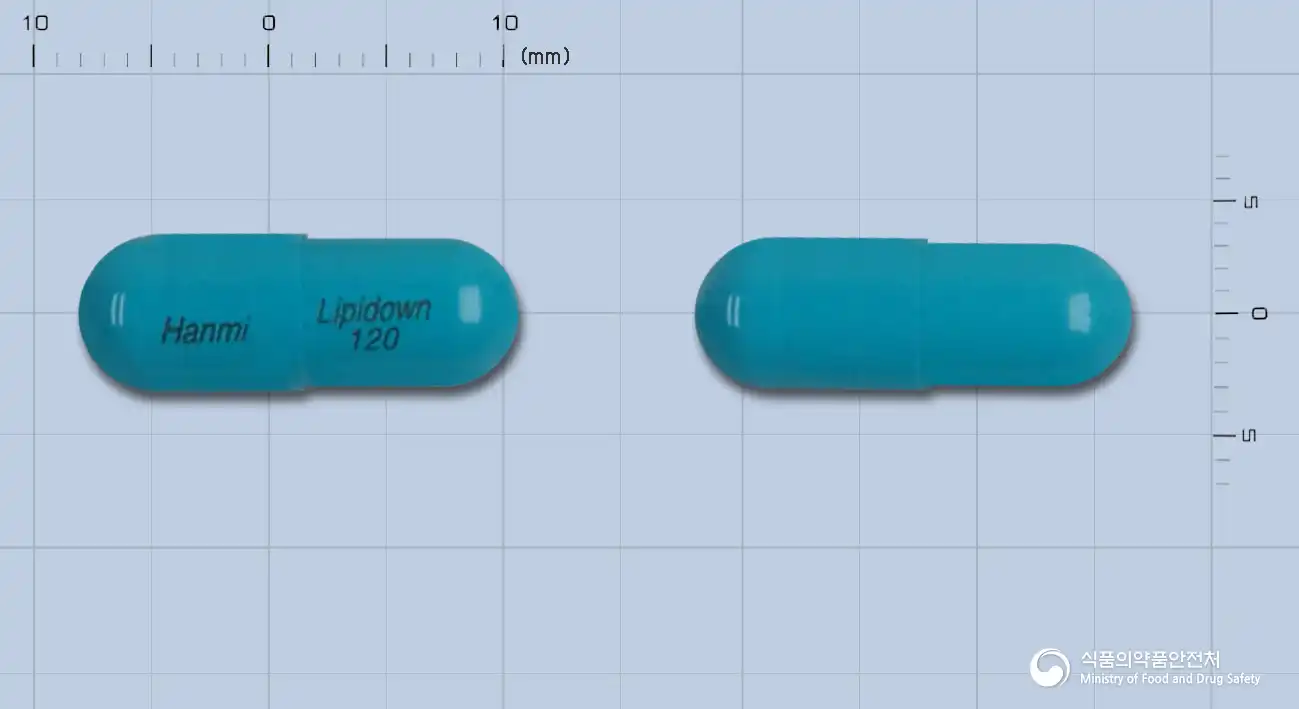
Orlistat 120mg
Hard capsule · Prescription medication
Hanmi Pharmaceutical Co., Ltd.
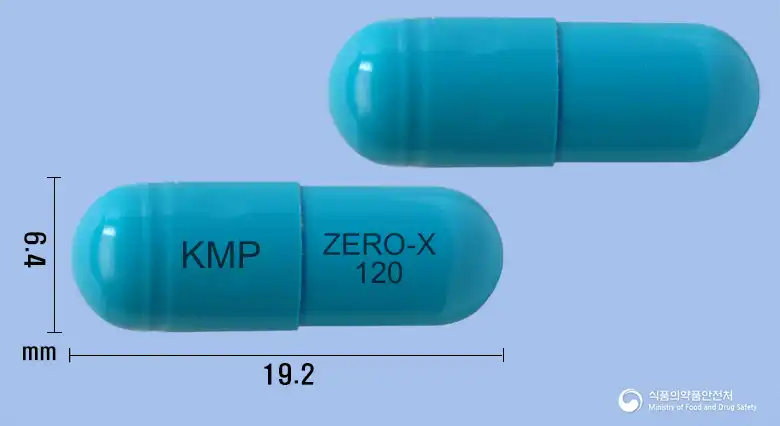
Orlistat 120mg
Hard capsule · Prescription medication
Genupharm Co., Ltd.
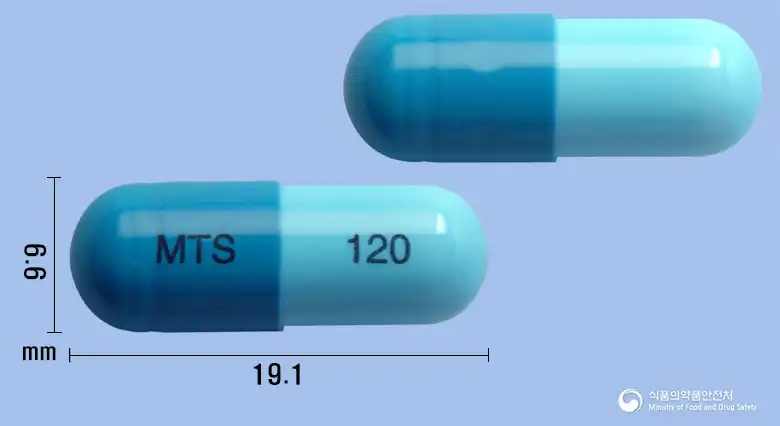
Orlistat 120mg
Hard capsule · Prescription medication
Mothers Pharmaceutical Co., Ltd.
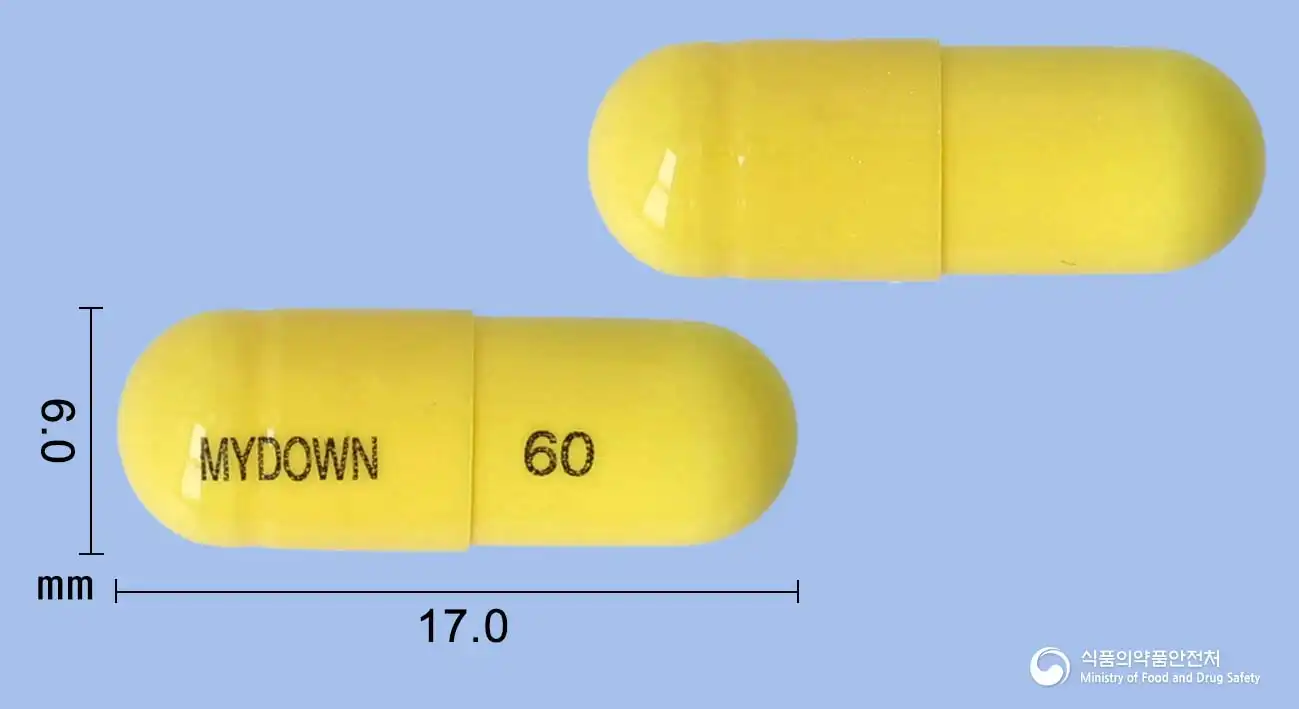
Orlistat 60mg
Hard capsule · Prescription medication
Genupharm Co., Ltd.
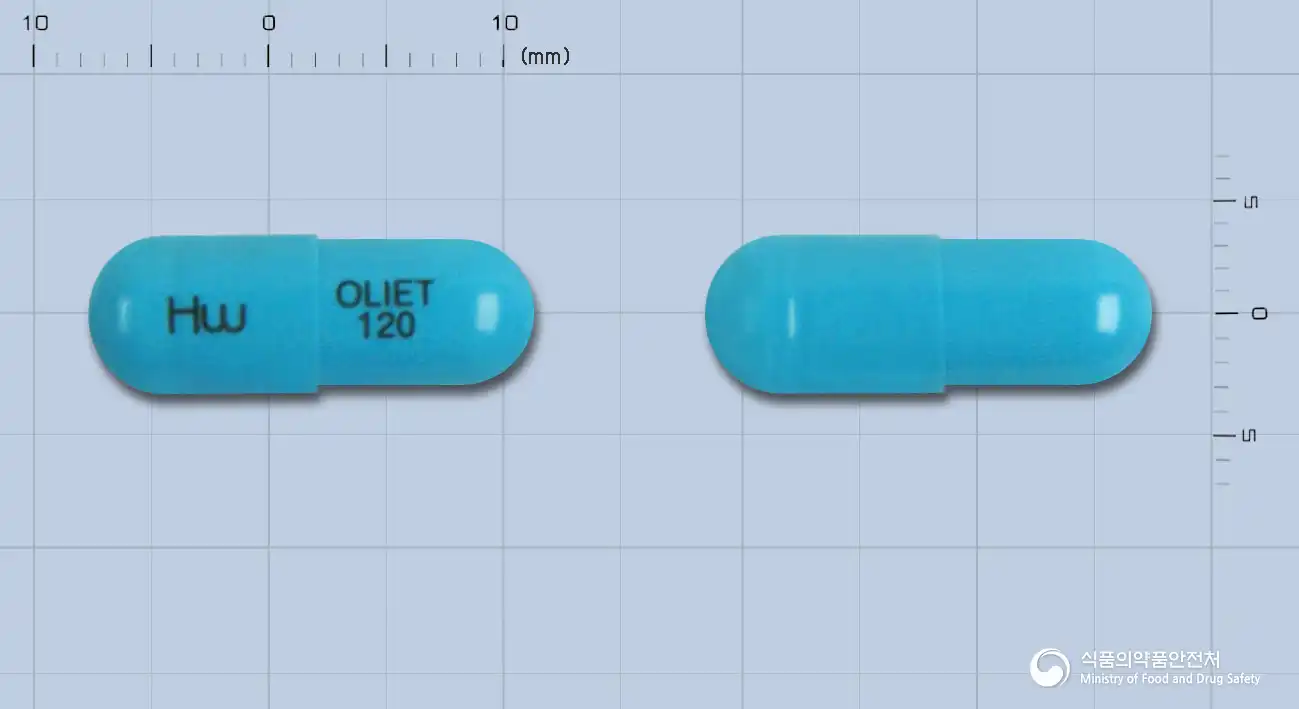
Orlistat 120mg
Hard capsule · Prescription medication
Alvozen Korea Co., Ltd.
Even with the same ingredient, the dose and directions can differ by strength and dosage form. Talk to a doctor or pharmacist before switching from a medication you are already taking.
No questions yet.
For anything that needs medical judgment, consult a doctor or pharmacist.
This drug information is based on data provided by the Korea Ministry of Food and Drug Safety.
Consult a doctor or pharmacist for accurate dosage, administration, and usage instructions.