
 한국어
 English
 日本語
 中文(简体)
 Viewing now
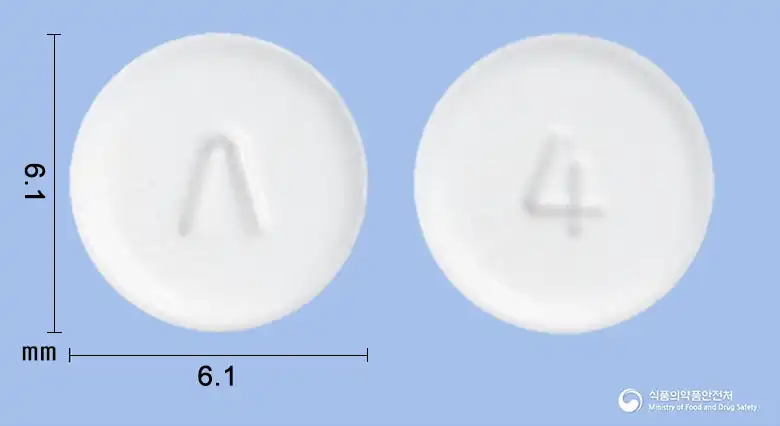
Aphron Tablets 4 mg (Methylprednisolone)
Methylprednisolone 4mg
Tablet · Prescription medication
Selvion Co., Ltd.
MFDS item code 201907400 · Approved 2019.10.22
Treatment of inflammatory and allergic diseases, endocrine, hematologic, and neoplastic diseases, and edema, neurologic, and infectious diseases
This medication is used for various conditions. In endocrine disorders, it is used for adrenal cortical insufficiency, congenital adrenal hyperplasia, and symptoms of hypercalcemia associated with cancers, with an emphasis on the importance of using glucocorticoids in infants. In rheumatic disorders, it is used for short-term treatment of various arthritis conditions such as acute osteoarthritis, rheumatoid arthritis, and acute gouty arthritis. It is also effective in treating autoimmune diseases like systemic lupus erythematosus, skin diseases like pemphigus and severe psoriasis, allergic diseases like bronchial asthma and atopic dermatitis, and ophthalmic disorders like iritis and keratitis. Furthermore, it is used for gastrointestinal diseases such as ulcerative colitis, respiratory diseases such as pulmonary tuberculosis, blood diseases like autoimmune hemolytic anemia, and management of malignancies such as leukemia. Additionally, it is used to improve symptoms in various diseases including edematous diseases, neurological disorders, and tuberculous meningitis.
The initial dose may vary from 4mg to 48mg of methylprednisolone daily, depending on the symptoms of the specific disease. In general, a low dose is sufficient for less severe conditions, but a high initial dose may be required in certain patients. The initial dose should be maintained or adjusted until a satisfactory response is achieved. If a satisfactory clinical result is not achieved after a reasonable period, discontinue treatment and switch to another appropriate therapy. The dose must be individualized according to the various diseases being treated and the patient's response. After an adequate response is achieved, determine an appropriate maintenance dose by reducing the initial dose at suitable intervals until the lowest dose that maintains an adequate clinical response is reached. Continuous monitoring of the dose is required. Situations that may require dose adjustment include remission or worsening of the disease, the individual patient's response to the medicine, and the effect on the patient of exposure to stressful circumstances that are not directly related to symptoms of the disease being treated. In the latter situation, it may be necessary to increase the dose for a period sufficient to meet the patient's condition. After long-term treatment, gradual dose reduction is recommended when discontinuing the medicine. For treatment of acute exacerbations of multiple sclerosis, administration of prednisolone 200mg daily for 1 week, followed by prednisolone 80mg every other day for 1 month, is effective (methylprednisolone 4mg is equivalent to prednisolone 5mg). Alternate-day therapy means administering twice the daily dose on one morning every two days. Although a single morning dose produces substantially less adrenal suppression than prednisolone (10mg) administered in four divided doses every 6 hours, there is evidence that, when pharmacologic doses are used, slight suppression of adrenal activity continues into the following day. In addition, even a single dose of any corticosteroid has been shown to suppress the adrenal cortex for 2 days or longer. Methylprednisolone, hydrocortisone, prednisone, prednisolone, and other corticosteroids are considered short-acting (a single dose causes adrenocortical suppression for 1¼ to 1½ days), and alternate-day therapy is therefore recommended. The initial suppressive dose should be continued until a satisfactory clinical response is achieved, usually for 4 to 10 days in many allergic and collagen diseases. It is important to keep the initial suppressive-dose period as short as possible, particularly if continued use of alternate-day therapy is intended. Once control is achieved, ① switch to ADT and gradually reduce the amount of corticosteroid given every other day. ② Reduce the daily dose of corticosteroid to the minimum effective level as soon as possible, based on control of disease progression, and then switch to an alternate-day schedule. In theory, approach ① is preferable. If difficulties arise, administering 3 or even 4 times the daily dose every other day is preferable to merely doubling the daily dose. Once the patient is again controlled, attempt to reduce this dose to the lowest possible level. Maximum adrenal cortical activity occurs from 2 a.m. to 8 a.m., and minimum activity from 4 p.m. to midnight. When administered during the period of maximum activity (morning), exogenous corticosteroids suppress adrenal cortical activity the least. If an acute exacerbation occurs during disease progression, it may be necessary to return to a divided daily corticosteroid dose that provides complete suppression to achieve control. Once control is achieved, the established alternate-day regimen may be resumed.
This medication should not be used in certain patients. For example, it should not be administered to individuals with allergies to this medicine or its ingredients, those with non-bacterial infections or systemic fungal infections, patients with herpes simplex, herpes zoster, chickenpox, and those receiving live vaccines. Additionally, because it contains lactose, it should not be used in patients with genetic lactose intolerance. Use this medication with caution in patients with specific conditions or past medical history including glaucoma, tuberculosis, posterior capsule cataract, electrolyte disturbances, hypertension, thrombosis, and recent intestinal anastomosis, administering the minimum effective dose only when necessary. During treatment, various side effects such as edema, hypertension, muscle weakness, osteoporosis, gastrointestinal symptoms, skin changes, neurological symptoms, and endocrine disorders may occur, and patient status should be closely monitored. Long-term use may lead to adrenal insufficiency, so it is important to avoid sudden discontinuation and to taper off gradually. Additionally, since the risk of infection is increased, special attention should be given to infection prevention and management. This medication may interact with various drugs; therefore, if taking other medications, consult a doctor or pharmacist. Women who are pregnant or breastfeeding should use this medication only after carefully considering the risks and benefits, and it is recommended to discontinue breastfeeding. For children, there is a risk of growth retardation, so use the minimum dose and closely monitor growth status. In the elderly, the risk of side effects including infections, diabetes, and osteoporosis is higher, thus cautious administration is required. During the course of this medication, take care to avoid exposure to infections, and it is important to notify healthcare providers immediately if any abnormal symptoms occur.
Edema, sodium retention, potassium loss, fluid retention, hypokalemic alkalosis, congestive heart failure, hypertension, myasthenia, avascular necrosis of the femur and humeral heads, steroid myopathy, loss of muscle mass, pathological fracture of the pelvis, osteoporosis, vertebral compression fracture, arthralgia, tendon rupture, increased ALT, increased AST, increased ALP, nausea, thirst, vomiting, abdominal pain, loss of appetite, increased appetite, peptic ulcer, abdominal distension, pancreatitis, esophagitis, diarrhea, delayed wound healing, facial erythema, thin and fragile skin, abnormal sweating, petechiae, purpura, skin reaction suppression, purpura, acne, hirsutism, hair loss, pigmentation, nipple swelling, increased intracranial pressure, convulsions, dizziness, headache, insomnia, euphoria, depression, Cushing's syndrome, menstrual irregularities, growth suppression in children, symptoms of latent diabetes, secondary adrenal insufficiency, pituitary unresponsiveness, reduced glucose tolerance, increased requirement for insulin or oral hypoglycemic agents, suppression of adrenocorticotropic hormone secretion, increased intraocular pressure, glaucoma, posterior subcapsular cataract, secondary eye infections, retinal disorders, exophthalmos, negative nitrogen balance due to protein catabolism, immune system disorders, allergic reactions, shock, urticaria, anaphylactic reactions, hypersensitivity reactions
Not everyone experiences these, and they can vary from person to person.
This medication should be stored in a tightly closed container to prevent air and moisture from entering. Furthermore, it is advisable to store it at a temperature between 1 to 30 degrees Celsius.
White round tablets
30 tablets/bottle, 300 tablets/bottle
Even with the same ingredient, strength, dosage form and how it is taken can differ.
Viewing nowMethylprednisolone 4mg
Tablet · Prescription medication
Selvion Co., Ltd.
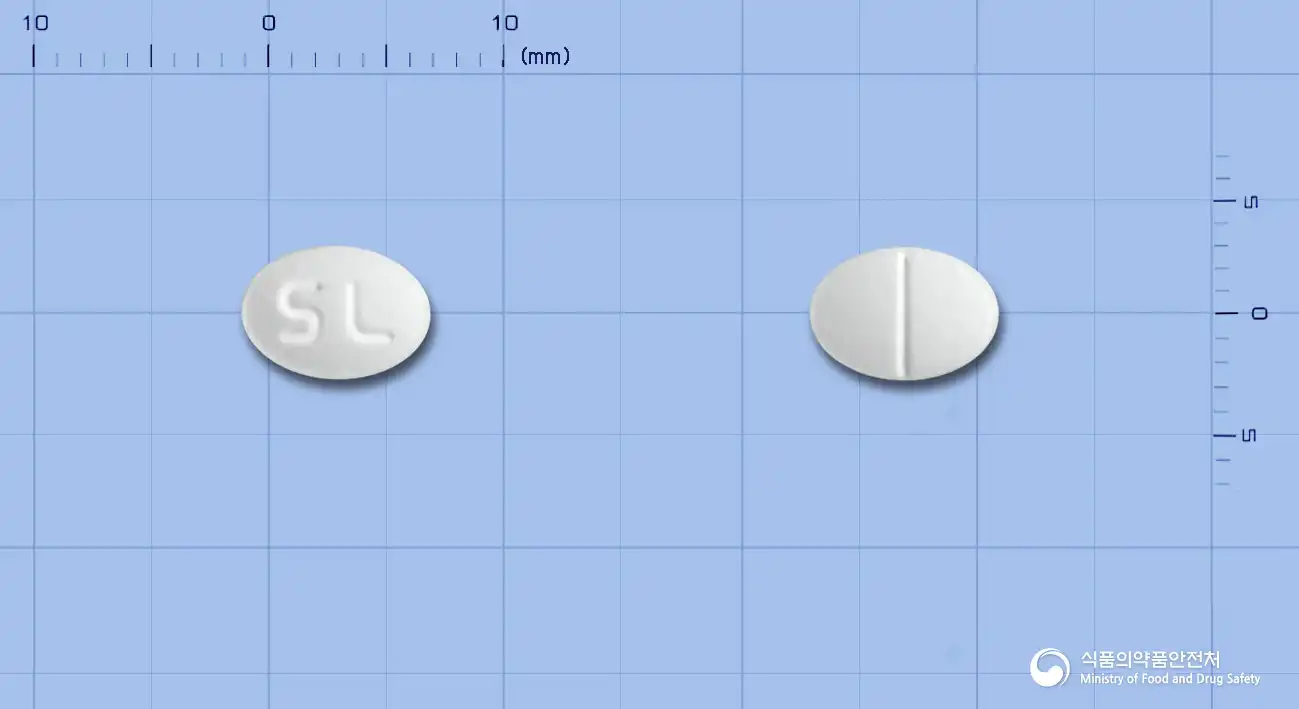
Methylprednisolone 4mg
Tablet · Prescription medication
Aprogen Biosciences, Inc.
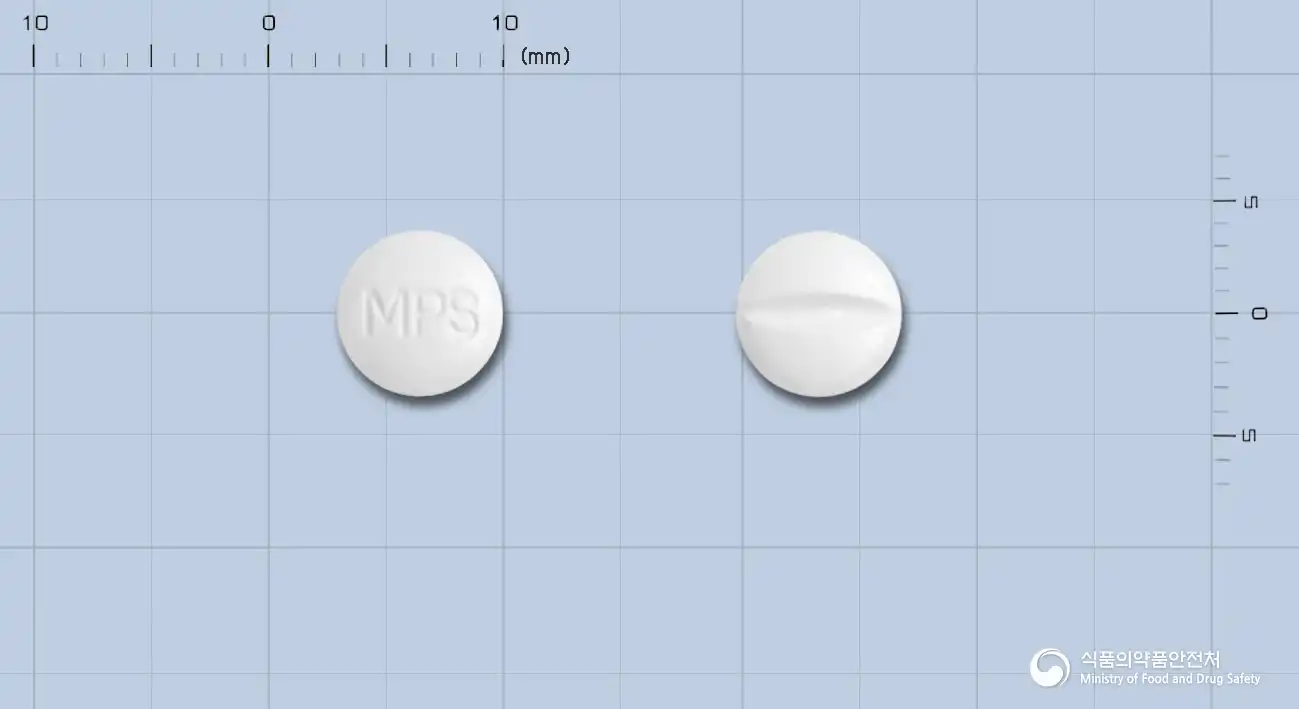
Methylprednisolone 4mg
Tablet · Prescription medication
BC World Pharmaceutical Co., Ltd.
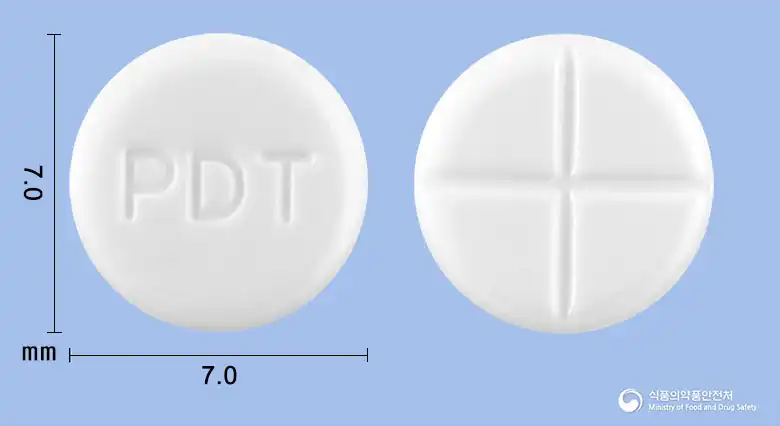
Methylprednisolone 4mg
Tablet · Prescription medication
JW Shin Pharmaceutical Co., Ltd.
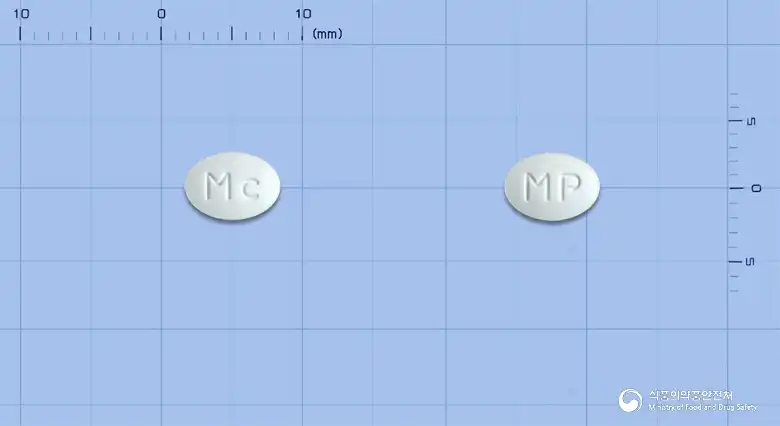
Methylprednisolone 4mg
Tablet · Prescription medication
MacNulty Pharmaceutical Co., Ltd.
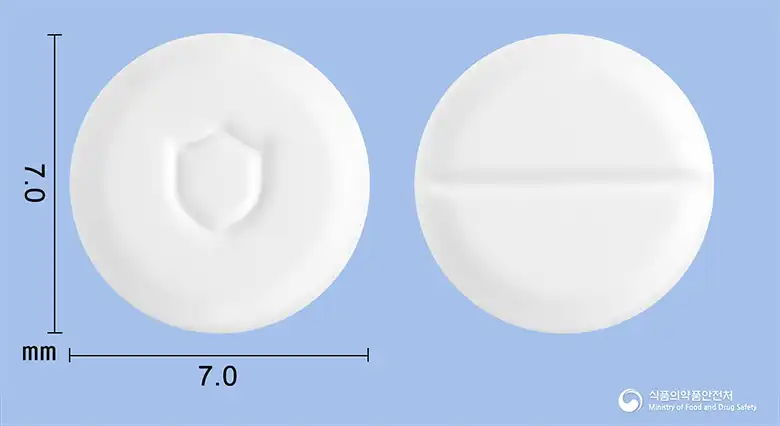
Methylprednisolone 4mg
Tablet · Prescription medication
Dongkwang Pharmaceutical Co., Ltd.
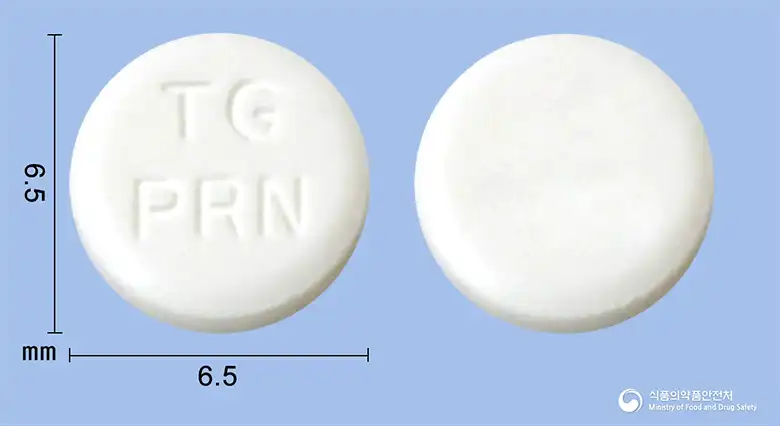
Methylprednisolone 4mg
Tablet · Prescription medication
Taegeuk Pharmaceutical Co., Ltd.
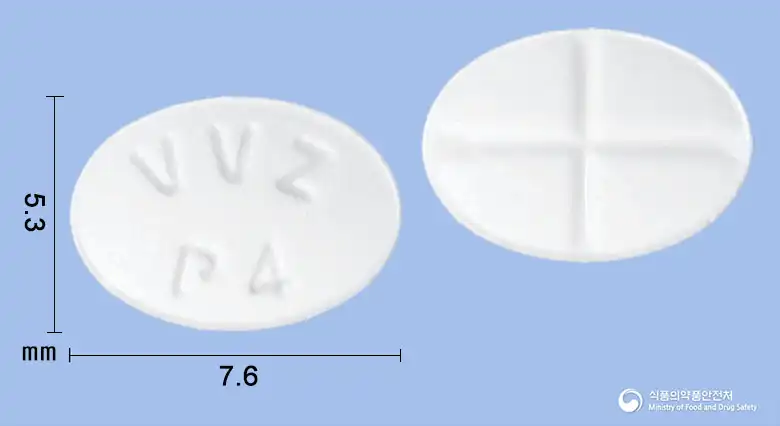
Methylprednisolone 4mg
Tablet · Prescription medication
Vivozon Pharmaceutical Co., Ltd.
Even with the same ingredient, the dose and directions can differ by strength and dosage form. Talk to a doctor or pharmacist before switching from a medication you are already taking.
No questions yet.
For anything that needs medical judgment, consult a doctor or pharmacist.
This drug information is based on data provided by the Korea Ministry of Food and Drug Safety.
Consult a doctor or pharmacist for accurate dosage, administration, and usage instructions.