
 한국어
 English
 日本語
 中文(简体)
 Viewing nowCombination
Ronsurf 15mg Tablets
Trifluridine 15mg · Tipiracil Hydrochloride 7.065mg
Tablet · Prescription medication · Combination
Jeil Pharmaceutical Co., Ltd.
MFDS item code 201907317 · Approved 2019.10.17
Treatment of metastatic gastric or gastroesophageal junction adenocarcinoma and metastatic colorectal cancer
This medication is used for the treatment of metastatic colorectal and gastric cancer. It is particularly effective in patients who have previously been treated with various chemotherapy agents or targeted therapies. For colorectal cancer patients, this drug is used alone or in combination with bevacizumab after treatment with fluoropyrimidines, oxaliplatin, or irinotecan. For gastric cancer patients, this medication is used after receiving two or more of the following treatments: fluoropyrimidine, platinum-based therapy, taxanes, irinotecan, or HER2-targeted therapies. This drug plays an important role in the combined or standalone therapy for metastatic cancer patients with complex treatment histories. Thus, it provides help in the challenging treatment of metastatic colorectal and gastric cancer.
The dose of this medicine should be determined according to body surface area as shown in Table 1 below, and the maximum dose of trifluridine per administration should not exceed 80 mg. Administer orally with water within 1 hour after breakfast and dinner. 1. Lonsurf tablets as monotherapy In general, adults receive an initial dose (approximately 35 mg/m2 of trifluridine per dose) determined according to body surface area as shown in Table 1 below, twice daily after breakfast and dinner for 5 consecutive days, followed by 2 days without treatment. Repeat this twice, then take 14 days off treatment. This constitutes 1 cycle, and treatment is repeated. Administration of this medicine should continue until disease progression or unacceptable toxicity occurs. 2. Lonsurf tablets in combination with bevacizumab for the treatment of metastatic colorectal cancer Refer to the monotherapy dosage and administration instructions for the dose and administration of Lonsurf tablets. Bevacizumab is administered by intravenous infusion at a dose of 5mg/Kg once every 2 weeks. (Administer on days 1 and 15 of each cycle.) For details on the dosage and administration of bevacizumab, refer to its prescribing information. Instruct patients to swallow this medicine whole. If a patient vomits or misses a dose, do not administer another dose; instruct the patient to take the next dose at the next scheduled time. Table 1. Calculation of initial dose according to body surface area Initial dose (trifluridine per dose) Body surface area (m2) / Dose (mg) (twice daily) / Tablets per dose (twice daily) / Total daily dose (mg) Lonsurf® tablets 15 (15 mg/6.14 mg) / Lonsurf® tablets 20 (20 mg/8.19 mg) 35 mg/m2 < 1.07: 35 mg; 1 tablet, 1 tablet; 70 mg 1.07 - 1.22: 40 mg; 0 tablets, 2 tablets; 80 mg 1.23 - 1.37: 45 mg; 3 tablets, 0 tablets; 90 mg 1.38 - 1.52: 50 mg; 2 tablets, 1 tablet; 100 mg 1.53 - 1.68: 55 mg; 1 tablet, 2 tablets; 110 mg 1.69 - 1.83: 60 mg; 0 tablets, 3 tablets; 120 mg 1.84 - 1.98: 65 mg; 3 tablets, 1 tablet; 130 mg 1.99 - 2.14: 70 mg; 2 tablets, 2 tablets; 140 mg 2.15 - 2.29: 75 mg; 1 tablet, 3 tablets; 150 mg ≥ 2.30: 80 mg; 0 tablets, 4 tablets; 160 mg 3. Dose adjustment Reduce the dose as appropriate according to each patient's safety and tolerability. A maximum of 3 dose reductions is permitted, with a minimum dose of trifluridine 20 mg/m2 per administration twice daily. Discontinue treatment in patients who cannot tolerate the 20mg/m2 twice-daily dose. Dose escalation after reduction is not permitted. A complete blood count should be performed before starting treatment in each cycle and on day 15 of each cycle (see section 1, Warnings, in Precautions for Use). If hematologic and/or nonhematologic toxicity occurs, follow the interruption, resumption, and dose reduction criteria in Tables 2, 3, and 4. Table 2. Criteria for interruption and resumption for hematologic toxicity associated with myelosuppression Neutrophil count: Interruption criterion below 0.5 × 10⁹/L; resumption criterion 1.5 × 10⁹/L or higher Platelet count: Interruption criterion below 50 × 109/L; resumption criterion 75 × 109/L or higher a) Resumption criteria applicable at the start of the next cycle in all patients, regardless of whether the interruption criteria have been met Table 3. Dose adjustment in the event of hematologic or nonhematologic adverse drug reactions ·Febrile neutropenia ·Delay of 1 week or more in starting the next cycle due to CTCAE* Grade 4 neutropenia (<0.5 × 10⁹/L) or thrombocytopenia (<25 × 109/L) ·CTCAE* Grade 3 or Grade 4 nonhematologic adverse drug reactions (excluding Grade 3 nausea and/or vomiting controlled with antiemetics, or Grade 3 diarrhea responsive to antidiarrheal agents) ·Interrupt treatment until the toxicity has recovered to Grade 1a) or lower, or to baseline. ·When treatment is resumed after recovery, reduce the previous dose by 5 mg/m2 per administration. (See Table 4.) ·Dose reduction is permitted to a minimum of trifluridine 20 mg/m2 per administration twice daily. (For patients with severe renal impairment, reduction to 15mg/m2 per administration twice daily is permitted.) ·Do not increase the dose after reduction. *Common terminology criteria for adverse events a) For neutropenia, this means until recovery to 1.5× 10⁹/L or higher; for thrombocytopenia, until recovery to 75× 109/L or higher. Table 4. Dose reduction according to body surface area Body surface area (m2) / Dose (mg) (twice daily) / Tablets per dose (twice daily) / Total daily dose (mg) Lonsurf® tablets 15 (15 mg/6.14 mg) / Lonsurf® tablets 20 (20 mg/8.19 mg) Level 1: 35 mg/m2 → 30 mg/m2 30 mg/m2 < 1.09: 30 mg; 2 tablets, 0 tablets; 60 mg 1.09 - 1.24: 35 mg; 1 tablet, 1 tablet; 70 mg 1.25 - 1.39: 40 mg; 0 tablets, 2 tablets; 80 mg 1.40 - 1.54: 45 mg; 3 tablets, 0 tablets; 90 mg 1.55 - 1.69: 50 mg; 2 tablets, 1 tablet; 100 mg 1.70 - 1.94: 55 mg; 1 tablet, 2 tablets; 110 mg 1.95 - 2.09: 60 mg; 0 tablets, 3 tablets; 120 mg 2.10 - 2.28: 65 mg; 3 tablets, 1 tablet; 130 mg ≥ 2.29: 70 mg; 2 tablets, 2 tablets; 140 mg Level 2: 30 mg/m2 → 25 mg/m2 25 mg/m2 < 1.10: 25a) mg; 2a) tablets, 1a) tablet; 50a) mg 1.10 - 1.29: 30 mg; 2 tablets, 0 tablets; 60 mg 1.30 - 1.49: 35 mg; 1 tablet, 1 tablet; 70 mg 1.50 - 1.69: 40 mg; 0 tablets, 2 tablets; 80 mg 1.70 - 1.89: 45 mg; 3 tablets, 0 tablets; 90 mg 1.90 - 2.09: 50 mg; 2 tablets, 1 tablet; 100 mg 2.10 - 2.29: 55 mg; 1 tablet, 2 tablets; 110 mg ≥ 2.30: 60 mg; 0 tablets, 3 tablets; 120 mg Level 3: 25 mg/m2 → 20 mg/m2 20 mg/m2 < 1.14: 20 mg; 0 tablets, 1 tablet; 40 mg 1.14 – 1.34: 25a) mg; 2a) tablets, 1a) tablet; 50a) mg 1.35 – 1.59: 30 mg; 2 tablets, 0 tablets; 60 mg 1.60 – 1.94: 35 mg; 1 tablet, 1 tablet; 70 mg 1.95 – 2.09: 40 mg; 0 tablets, 2 tablets; 80 mg 2.10 – 2.34: 45 mg; 3 tablets, 0 tablets; 90 mg ≥ 2.35: 50 mg; 2 tablets, 1 tablet; 100 mg a) When administering 50 mg per day, give 1 Lonsurf tablet 20 (20mg/8.19mg) after breakfast and 2 Lonsurf tablets 15 (15 mg/6.14 mg) after dinner. <Special patient populations> 1) Patients with renal impairment • No initial dose adjustment is necessary in patients with mild renal impairment (CLcr 60 ~ 89 mL/min) or moderate renal impairment (CLcr 30 ~ 59 mL/min). • The recommended dose for patients with severe renal impairment (CLcr 15 ~ 29mL/min) is trifluridine 20mg/m2. Administer twice daily after breakfast and dinner for 5 consecutive days, followed by 2 days without treatment. Repeat this twice, then take 14 days off treatment; 28 days constitute 1 cycle. For patients who do not tolerate the 20mg/m2 twice-daily dose, reduce the dose to 15mg/m2 twice daily. (Table 5) Discontinue treatment in patients who cannot tolerate the 15mg/m2 twice-daily dose. • Use in patients with end-stage renal disease has not been studied; therefore, administration of this medicine is not recommended in these patients. • Table 5. Recommended doses according to BSA in patients with severe renal impairment Body surface area (m2) / Dose (mg) (twice daily) / Tablets per dose (twice daily) / Total daily dose (mg) Lonsurf® tablets 15 (15 mg/6.14 mg) / Lonsurf® tablets 20 (20 mg/8.19 mg) 20mg/m2 twice daily < 1.14: 20 mg; 0 tablets, 1 tablet; 40 mg 1.14 – 1.34: 25a) mg; 2a) tablets, 1a) tablet; 50a) mg 1.35 – 1.59: 30 mg; 2 tablets, 0 tablets; 60 mg 1.60 – 1.94: 35 mg; 1 tablet, 1 tablet; 70 mg 1.95 – 2.09: 40 mg; 0 tablets, 2 tablets; 80 mg 2.10 – 2.34: 45 mg; 3 tablets, 0 tablets; 90 mg ≥ 2.35: 50 mg; 2 tablets, 1 tablet; 100 mg 15mg/m2 twice daily < 1.15: 15 mg; 1 tablet, 0 tablets; 30 mg 1.15 – 1.49: 20 mg; 0 tablets, 1 tablet; 40 mg 1.50 – 1.84: 25a) mg; 2a) tablets, 1a) tablet; 50a) mg 1.85 – 2.09: 30 mg; 2 tablets, 0 tablets; 60 mg 2.10 – 2.34: 35 mg; 1 tablet, 1 tablet; 70 mg ≥ 2.35: 40 mg; 0 tablets, 2 tablets; 80 mg a) When administering 50 mg per day, give 1 Lonsurf tablet 20 (20mg/8.19mg) after breakfast and 2 Lonsurf tablets 15 (15mg/6.14mg) after dinner. 2) Patients with hepatic impairment • No initial dose adjustment is necessary in patients with mild hepatic impairment. • Administration of this medicine is not recommended in patients with moderate to severe hepatic impairment (NCI criteria Group C, D, with total bilirubin >1.5xULN). Although based on very limited data, the incidence of Grade 3 or 4 hyperbilirubinemia was higher in patients with moderate baseline hepatic impairment.
This medication is a drug used in chemotherapy, and it should be administered under the supervision of an experienced physician in a specialized medical facility. Prior to administration, patients or their families should be thoroughly informed about the effects and risks of the drug, and consent should be obtained. This drug may suppress bone marrow function and can cause serious side effects such as anemia, leukopenia, and thrombocytopenia, necessitating regular blood tests. If abnormal findings are observed, the dosage should be reduced or administration should be temporarily suspended. Patients should be closely monitored as there may be an increased risk of infection. Patients with severe kidney dysfunction require dosage adjustments, and administration is not recommended for patients with end-stage renal disease. Additionally, patients with moderate to severe liver dysfunction should avoid using this medication. This drug should not be administered to patients with specific genetic metabolic disorders, pregnant women or those who may become pregnant, nursing mothers, or children. Caution is also warranted when used in conjunction with other chemotherapeutic agents, antifungal medications, or folate antagonists, as it may exacerbate side effects such as bone marrow suppression. It is advisable to avoid administering the drug on an empty stomach and to take it after meals, as gastrointestinal side effects such as nausea, vomiting, and diarrhea may occur, necessitating strategies to manage these effects. Both male and female patients of childbearing potential must use effective contraception during and for a certain period after the treatment, and nursing should be discontinued if breastfeeding. This medication may slightly affect the ability to drive or operate machinery, so caution should be exercised in the presence of fatigue, dizziness, or other symptoms. In cases of overdose, there is no specific antidote, so patients' conditions should be closely monitored, and necessary treatment should be administered. Lastly, this drug has not been established safe or effective in children and should be used with caution in the elderly. Patients who have received radiation therapy in the past may experience more severe bone marrow suppression side effects.
Not everyone experiences these, and they can vary from person to person.
This medication may be sensitive to air and moisture, so it should be stored in a tightly sealed container. The storage temperature should be maintained between 1 and 30 degrees Celsius room temperature. Doing so helps maintain the efficacy and safety of the medication for a long time.
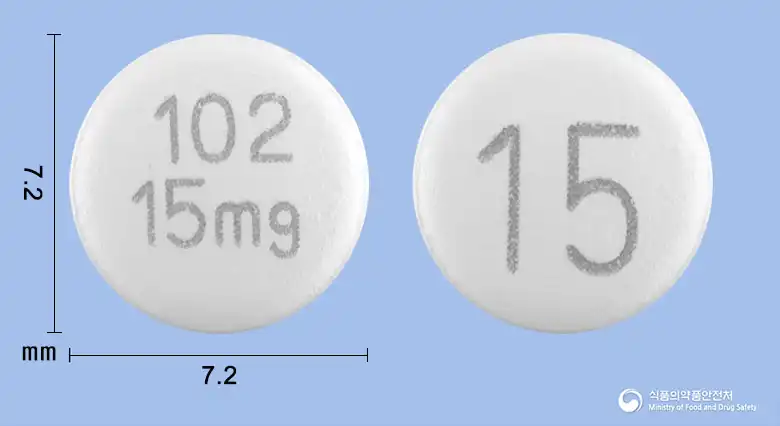
White, biconvex, round film-coated tablet
20 tablets/bottle, 40 tablets/bottle, 60 tablets/bottle, 20 tablets/box [10 tablets/PTP X 2 sheets], 60 tablets/box [10 tablets/PTP X 2 sheets X 3]
Even with the same ingredient, strength, dosage form and how it is taken can differ.
Viewing nowCombinationTrifluridine 15mg · Tipiracil Hydrochloride 7.065mg
Tablet · Prescription medication · Combination
Jeil Pharmaceutical Co., Ltd.
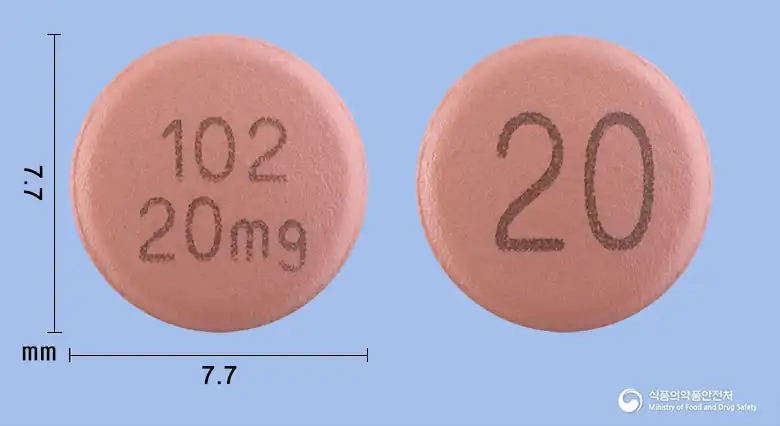 Combination
Trifluridine 20mg · Tipiracil Hydrochloride 9.42mg
Tablet · Prescription medication · Combination
Jeil Pharmaceutical Co., Ltd.
Even with the same ingredient, the dose and directions can differ by strength and dosage form. Talk to a doctor or pharmacist before switching from a medication you are already taking.
No questions yet.
For anything that needs medical judgment, consult a doctor or pharmacist.
This drug information is based on data provided by the Korea Ministry of Food and Drug Safety.
Consult a doctor or pharmacist for accurate dosage, administration, and usage instructions.