
 한국어
 English
 日本語
 中文(简体)
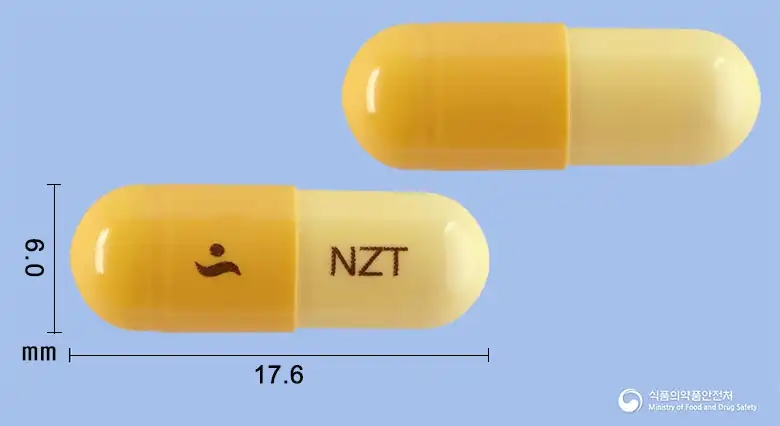 Viewing now
Artidine Capsule 150mg (Nizatidine)
Nizatidine 150mg
Hard capsule · Prescription medication
Ari Pharmaceutical Co., Ltd.
MFDS item code 201907139 · Approved 2019.10.09
Treatment and prevention of recurrence of gastric·duodenal ulcers, treatment of esophagitis·heartburn, improvement of gastritis lesions
This medication is used to treat active gastric and duodenal ulcers and to prevent the recurrence of duodenal ulcers. It is also effective in relieving symptoms of erosive and ulcerative esophagitis diagnosed by endoscopy and gastroesophageal reflux disease causing heartburn. It helps improve gastric mucosal lesions that manifest during acute exacerbations of acute and chronic gastritis, including erosion, bleeding, redness, and edema symptoms. It is used to treat and improve symptoms associated with various conditions related to the stomach and duodenum.
1. Treatment of active gastric and duodenal ulcers Adults: Administer 300mg of nizatidine once daily at bedtime, or 150mg orally twice daily, in the morning and evening. Most ulcers heal within 4 weeks, but treatment may be continued for up to 8 weeks if needed. 2. Prevention of duodenal ulcer recurrence Adults: After healing of a duodenal ulcer, administer 150mg orally once daily at bedtime. Treatment may continue for up to 1 year; results for longer-term treatment are not known. 3. Gastroesophageal reflux disease Adults: Administer 150mg orally twice daily, in the morning and evening. Treatment may continue for up to 12 weeks. 4. Improvement of gastric mucosal lesions Adults: Administer 150mg orally twice daily, in the morning and evening, for 2 weeks. 5. Dosage adjustment for patients with severe renal impairment The dose for patients with renal impairment should be reduced and adjusted as follows. Creatinine clearance 20~50 ml/min: Active duodenal ulcer, gastroesophageal reflux disease (GERD), benign gastric ulcer: 150mg daily Creatinine clearance < 20 ml/min: Active duodenal ulcer, gastroesophageal reflux disease (GERD), benign gastric ulcer: 150mg every other day Maintenance therapy Creatinine clearance 20~50 ml/min: 150mg every other day Creatinine clearance < 20 ml/min: 150mg every 3 days
This medication should not be used in certain patients. People who have had an allergic reaction to this medication or similar drugs should not take it. Additionally, patients with genetic disorders that hinder lactose breakdown should not take this medication. Caution is needed when using this medication. Patients with a history of drug allergies, impaired liver function, or kidney function issues should use this medication carefully. In particular, patients with decreased kidney function may have elevated drug concentration, so they should reduce the dosage or increase the dosing interval. Rarely, allergic symptoms such as skin rash, itching, difficulty breathing, and throat swelling may occur. If these symptoms occur, the medication should be discontinued immediately. Blood abnormalities such as anemia, leukopenia, and thrombocytopenia may occur, so consult a physician if any abnormal symptoms arise. Gastrointestinal side effects such as constipation, diarrhea, dry mouth, nausea may occur. There is a possibility of increased liver function test values or liver-related issues such as hepatitis and jaundice. Mental confusion, headache, drowsiness, dizziness, malaise may rarely occur, and seizures have also been reported in rare cases. Symptoms of rapid heartbeat may occur temporarily, and gynecomastia may rarely develop in women. Symptoms of decreased sexual function have been reported but occur at a similar frequency to the general population. Skin reactions such as excessive sweating, urticaria, rash, dermatitis, and rarely vasculitis may occur. This medication may induce asymptomatic hyperuricemia unrelated to gout or kidney stones, and symptoms such as fever, chest pain, muscle pain, rhinitis, pharyngitis, cough have also been reported. This medication may obscure symptoms of gastric cancer, so it should only be used after ruling out the possibility of gastric cancer, and the dosage should be reduced in patients with moderate or severe impairment of kidney function. During treatment, blood tests and liver-kidney function tests should be performed regularly to confirm effectiveness at the minimum dosage. It can be administered at standard doses to patients with impaired liver function, but kidney function must be normal. This medication tends to have low interactions with specific other drugs, and interactions with drugs metabolized in the liver are not a significant concern. Pregnant or nursing individuals should only use this medication under medical supervision as its safety has not been established. Nursing mothers should take only when necessary as the drug may be secreted in breast milk. The safety and efficacy of this medication have not been adequately verified for children. Older adults often have decreased kidney function, so kidney function tests should be conducted before dosing, and kidney function should be closely monitored during treatment. This medication may cause false positive responses in some clinical tests, so caution is necessary when interpreting test results. In case of overdose, symptoms such as vomiting, diarrhea, excessive salivation, and miosis may occur, and in severe cases, appropriate medical treatment should be sought. This medication is not removed by hemodialysis, so other treatment methods are necessary in case of overdose. Long-term high dose administration of this medication has not shown evidence of carcinogenic effects in animal studies, nor have negative impacts on genotoxicity or reproductive function been found. Its safety for the fetus during pregnancy is uncertain, so it should only be used when the therapeutic effects outweigh the risks. Caution is needed as the drug may be secreted into breast milk in small amounts during lactation. There have been rare reports of sexual dysfunction associated with the use of this medication.
Not everyone experiences these, and they can vary from person to person.
Store this medication in a tightly sealed container to prevent air ingress, and it is recommended to keep it at room temperature between 1 degree and 30 degrees. This way of storage helps maintain the drug's efficacy and prevent deterioration.
A hard capsule with upper yellow and lower light yellow filled with white powder
30 capsules/bottle, 300 capsules/bottle
Even with the same ingredient, strength, dosage form and how it is taken can differ.
Viewing nowNizatidine 150mg
Hard capsule · Prescription medication
Ari Pharmaceutical Co., Ltd.
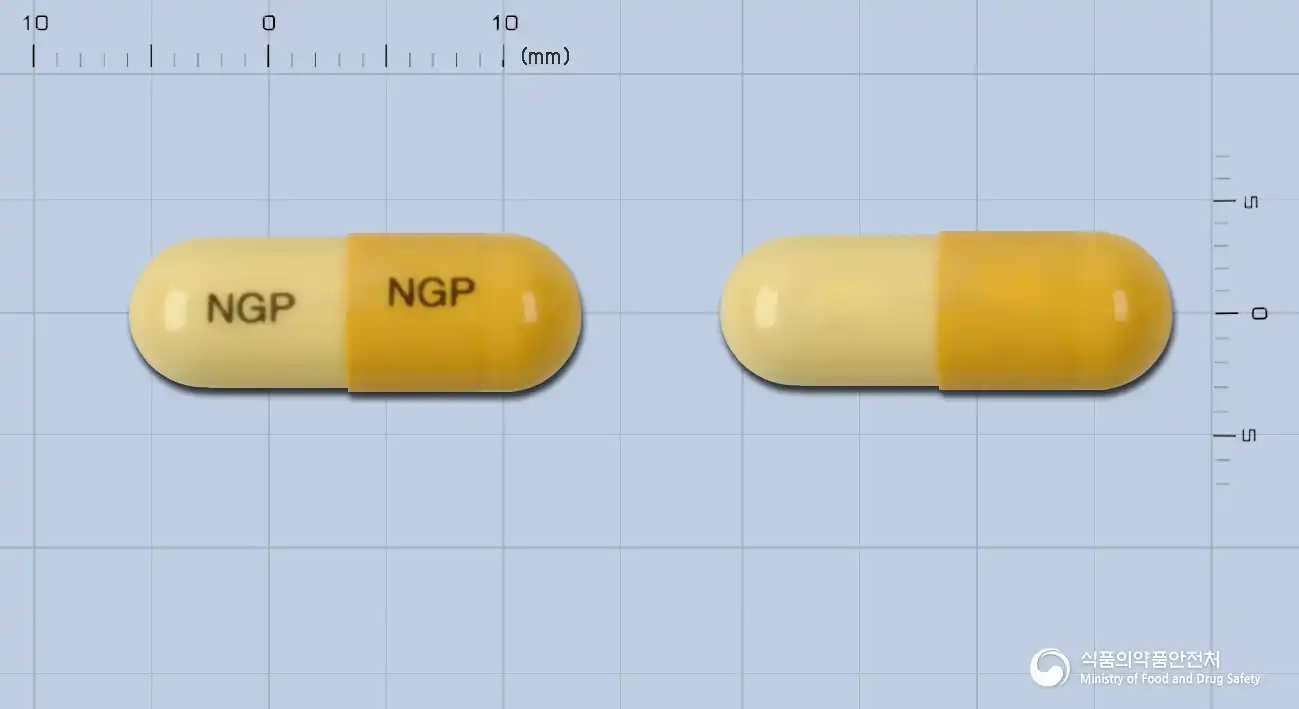
Nizatidine 150mg
Hard capsule · Prescription medication
Celix Co., Ltd.
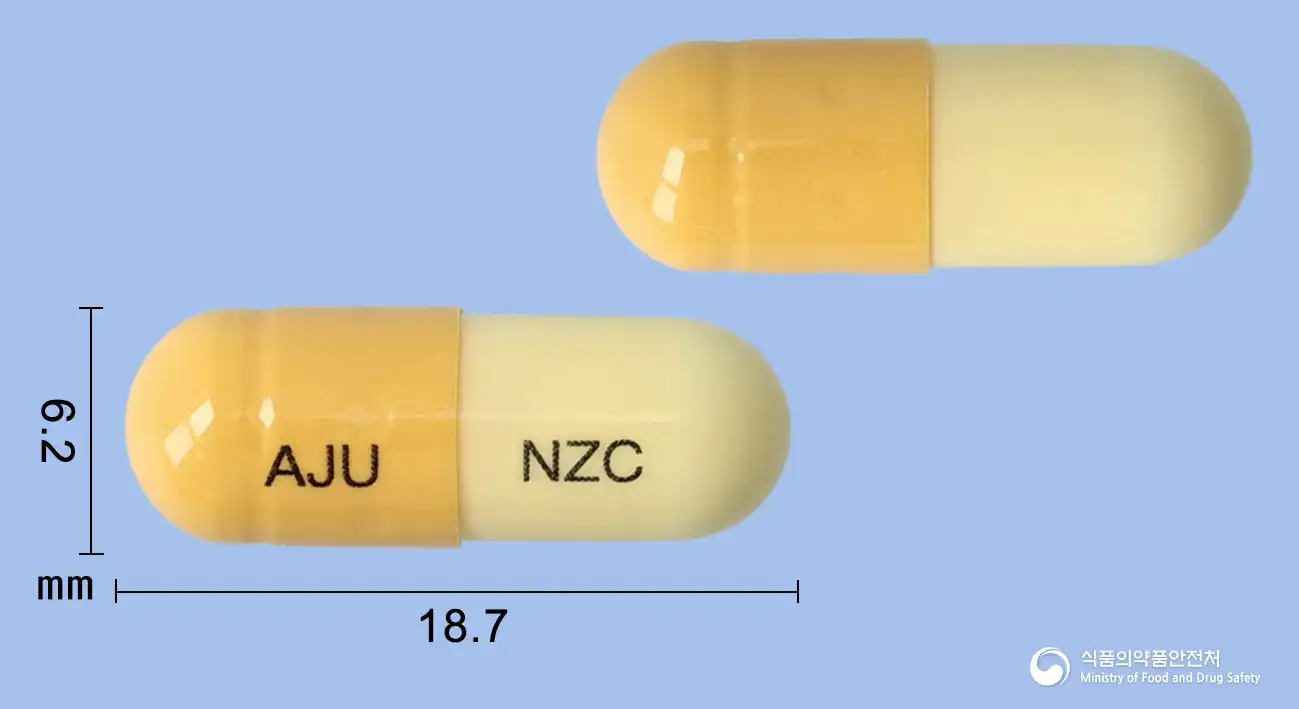
Nizatidine 150mg
Hard capsule · Prescription medication
Ajou Pharmaceutical Co., Ltd.
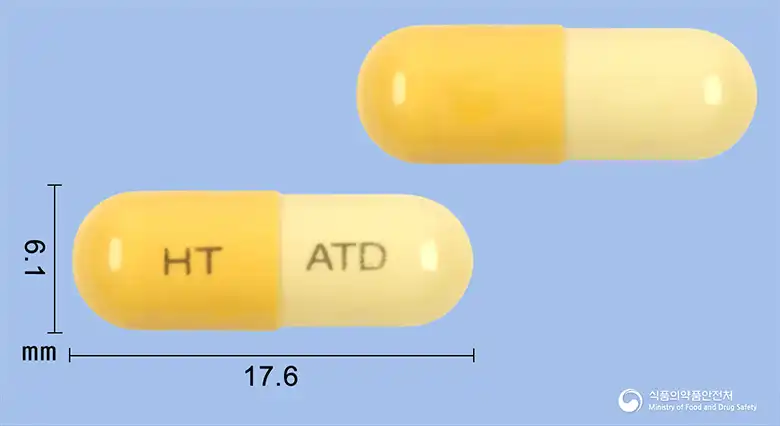
Nizatidine 150mg
Hard capsule · Prescription medication
Hankook Hyutex Pharmaceutical Co., Ltd.

Nizatidine 150mg
Hard capsule · Prescription medication
IYON Pharmaceutical Co., Ltd.
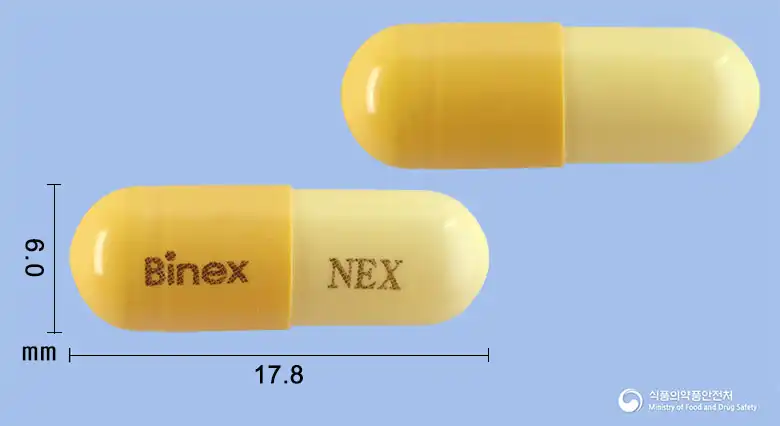
Nizatidine 150mg
Hard capsule · Prescription medication
Bionex Co., Ltd.
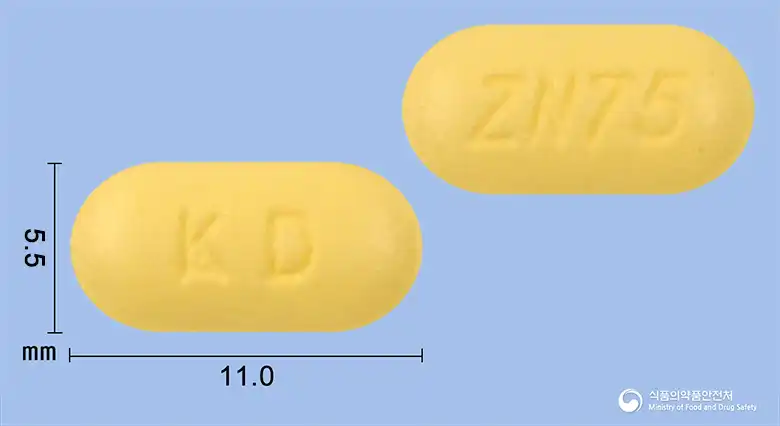
Nizatidine 75mg
Tablet · OTC medication
Kyungdong Pharmaceutical Co., Ltd.
Nizatidine 75mg
Tablet · OTC medication
HLB Pharmaceuticals Co., Ltd.
Even with the same ingredient, the dose and directions can differ by strength and dosage form. Talk to a doctor or pharmacist before switching from a medication you are already taking.
No questions yet.
For anything that needs medical judgment, consult a doctor or pharmacist.
This drug information is based on data provided by the Korea Ministry of Food and Drug Safety.
Consult a doctor or pharmacist for accurate dosage, administration, and usage instructions.