
 한국어
 English
 日本語
 中文(简体)
 Viewing now
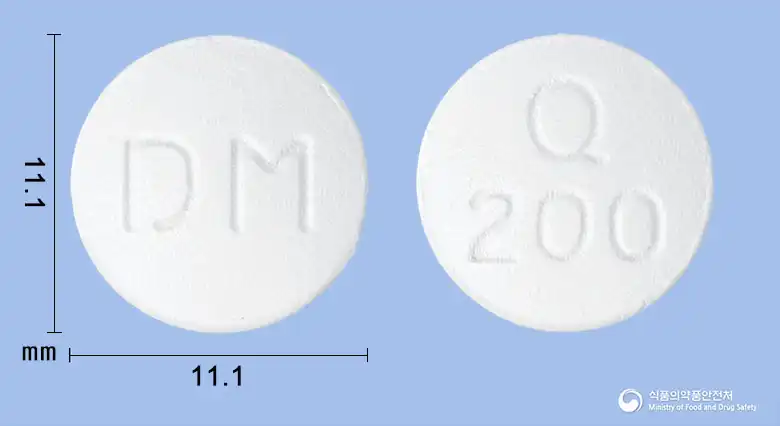
Quetiapine 200 mg (Quetiapine Fumarate)
Quetiapine Fumarate 230.26mg
Tablet · Prescription medication
Dasan Pharmaceutical Co., Ltd.
MFDS item code 201906871 · Approved 2019.09.26 · Insurance code 678601550
Treatment and prevention of recurrence of bipolar disorder (manic and depressive episodes); treatment of schizophrenia
This medication is used for the treatment of schizophrenia and bipolar disorder. It is particularly effective for the acute treatment of manic episodes and depressive episodes that occur in bipolar disorder type 1, and it helps alleviate symptoms in patients who respond to mixed episodes. It is also used to prevent the recurrence of bipolar disorder through continuous administration. Overall, this medication is effective in improving the symptoms of schizophrenia and bipolar disorder.
1. Schizophrenia - Adults: This medicine is taken twice daily, with or without food. The total daily dose for the first 4 days is 50 mg on day 1, 100 mg on day 2, 200 mg on day 3, and 300 mg on day 4. From day 4 onward, adjust to the usual effective daily dose of 300~400 mg. The dose may be adjusted within 150~750 mg/day according to the clinical response and tolerability of each patient. - Maintenance therapy has not been evaluated in adults with schizophrenia. Patients should be reassessed regularly to determine the need for maintenance therapy. 2. Bipolar disorder (1) Acute treatment of manic episodes associated with bipolar I disorder: - Adults: This medicine is taken twice daily, with or without food. As monotherapy or adjunctive therapy to a mood stabilizer (lithium or valproate), the total daily dose for the first 4 days is 100 mg on day 1, 200 mg on day 2, 300 mg on day 3, and 400 mg on day 4. The total daily dose may be increased to 800 mg by day 6, in increments of no more than 200mg per day. The dose may be adjusted within 200~800 mg/day according to the clinical response and tolerability of each patient; the usual effective daily dose is 400~800 mg. (2) Treatment of depression associated with bipolar disorder: - Adults: This medicine is taken once daily at bedtime, with or without food. The total daily dose for the first 4 days is 50 mg on day 1, 100 mg on day 2, 200 mg on day 3, and 300 mg on day 4. In confirmatory clinical trials of this medicine, doses of 50 mg on day 1, 100 mg on day 2, 200 mg on day 3, 300 mg on day 4, 400 mg on day 5, and up to 600 mg on day 8 were administered. The recommended daily dose is 300 mg. Antidepressant effects were observed with both 300 mg and 600 mg, but there was no additional benefit with 600 mg. Dose increases above 300 mg should be initiated by a physician experienced in treating bipolar disorder. In patients who tolerate the medicine, clinical trials indicate that the dose may be reduced to a minimum of 200 mg. (3) Prevention of recurrence of bipolar disorder: - Adults: To prevent recurrence of manic, mixed, or depressive episodes associated with bipolar disorder, patients who responded to quetiapine during acute treatment of bipolar disorder should continue on the same dose. The dose may be adjusted within 300~800 mg/day, administered twice daily, according to clinical response and each patient's tolerability. It is important to use the minimum effective dose for maintenance therapy. 3. Older adults : As with other antipsychotics, this medicine should be administered with caution to older adults, particularly when initiating treatment. Older patients should start at 25 mg/day, with gradual increases of 25~50 mg per day; the effective dose in older adults may be lower than in younger patients. 5. Patients with renal or hepatic impairment : Clearance after oral administration of quetiapine is reduced by approximately 25% in patients with renal or hepatic impairment. Since quetiapine is primarily metabolized in the liver, it should be administered with caution to patients with known hepatic impairment. Patients with renal or hepatic impairment should start at 25 mg/day, with gradual increases of 25~50 mg per day to the effective dose.
This medication may increase the risk of suicidal thoughts or behaviors in some patients, so it should be used with caution, especially in children, adolescents, and young adults. Blood sugar levels may increase, so diabetic patients or those with risk factors for diabetes should check their blood sugar levels regularly. This medication can rarely cause a serious side effect known as neuroleptic malignant syndrome. If symptoms such as high fever, muscle rigidity, or changes in mental state occur, immediate medical attention is required. Prolonged use may lead to extrapyramidal symptoms or tardive dyskinesia, so dose adjustment or discontinuation should be considered if abnormal symptoms occur. Elderly patients with dementia may have an increased risk of death, so use should be avoided or done with extreme caution. Severe neutropenia or agranulocytosis may occur, so regular monitoring of white blood cell counts and vigilance for infection symptoms is necessary. The risk of cerebrovascular disease may increase, so patients with stroke risk factors should exercise particular caution. There is also a risk of venous thrombosis, so thromboembolic risk factors should be assessed and preventive measures taken. For patients with cardiovascular disease or hypotension, initial dose adjustment should be done with care, and orthostatic hypotension may occur. Severe skin adverse reactions may occur, so if symptoms such as extensive rash, fever, or lymphadenopathy appear, the medication should be stopped immediately. Patients with hypersensitivity to this medication, those in a comatose state, those on specific drugs, or diabetic patients should not be administered this medication. Patients with impaired liver function should start at a low dose and be closely monitored while titrating the dose. Pregnant or nursing patients should use this medication with caution due to potential effects on the fetus or newborn, and it's preferable to avoid use. This medication may commonly cause side effects such as drowsiness, dizziness, dry mouth, and weight gain, so caution is needed while driving or operating machinery. Abrupt discontinuation of the medication may lead to withdrawal symptoms or a recurrence of psychiatric symptoms, so it is important to taper the dosage gradually. There are many drug interactions with this medication, so if you are taking other medications, consult a doctor or pharmacist before use. In case of overdose, severe drowsiness, hypotension, and tachycardia may occur, requiring immediate emergency intervention. This medication should be kept out of reach of children, and dosage and duration should be adjusted according to clinical status.
Not everyone experiences these, and they can vary from person to person.
This medication may be sensitive to air or moisture, so it should be stored in a tightly closed container. Additionally, it is important to store it in a cool place below 30 degrees Celsius to maintain the effectiveness of the medication.
White round film-coated tablet
30 tablets/bottle, 100 tablets/bottle
Even with the same ingredient, strength, dosage form and how it is taken can differ.
Viewing nowQuetiapine Fumarate 230.26mg
Tablet · Prescription medication
Dasan Pharmaceutical Co., Ltd.
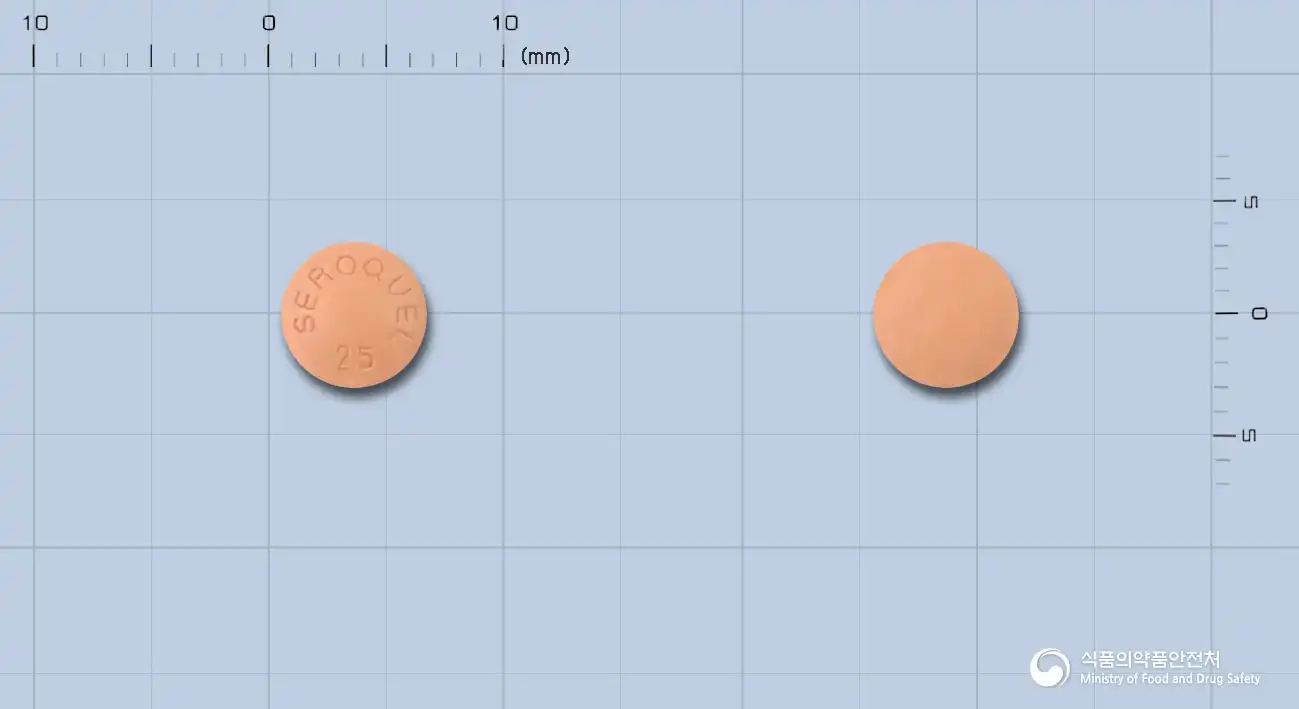
Quetiapine Fumarate 28.78mg
Tablet · Prescription medication
AlboGen Korea Co., Ltd.

Quetiapine Fumarate 115.13mg
Tablet · Prescription medication
AlboGen Korea Co., Ltd.
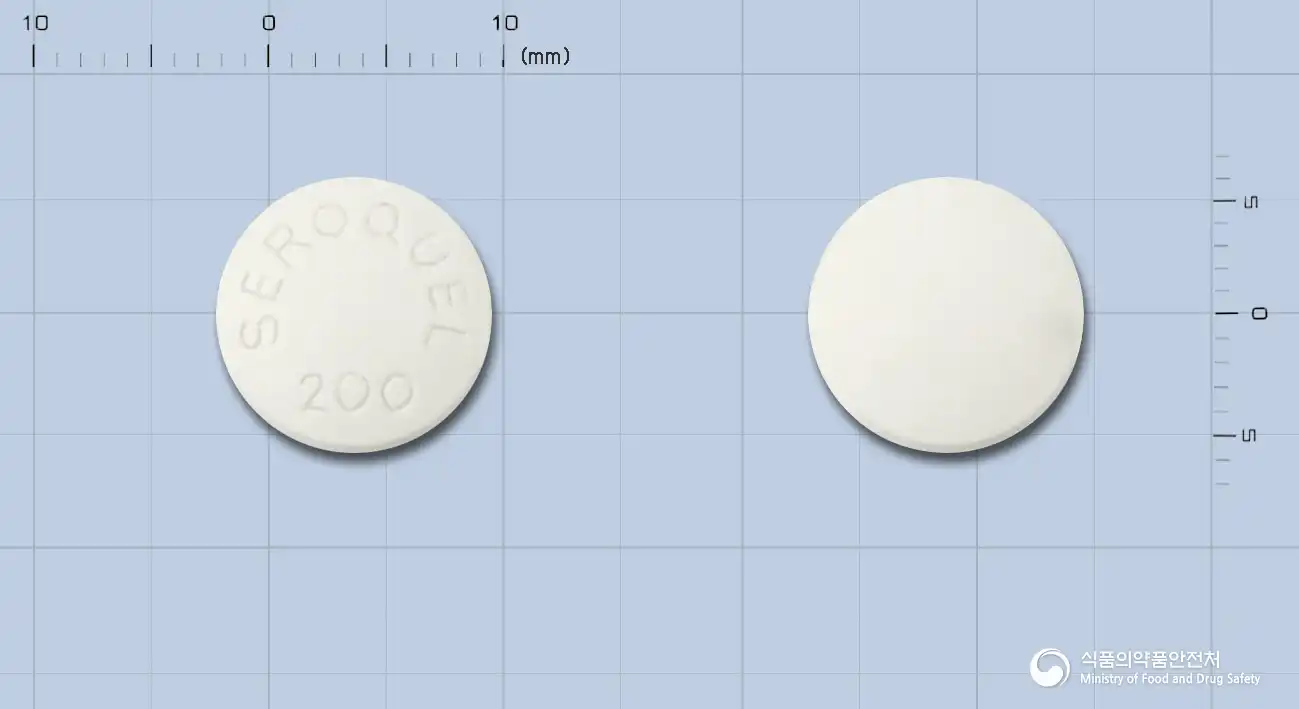
Quetiapine Fumarate 230.26mg
Tablet · Prescription medication
Albogen Korea Co., Ltd.
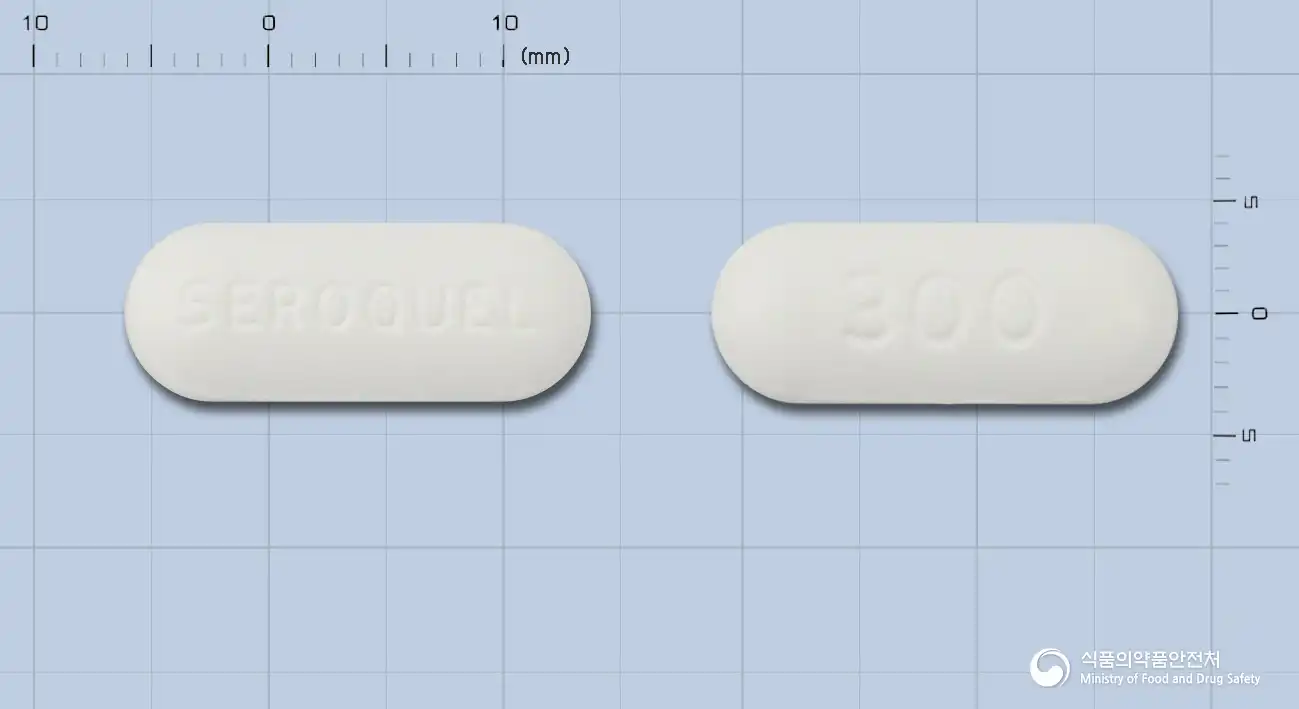
Quetiapine Fumarate 345.39mg
Tablet · Prescription medication
AlboGen Korea Co., Ltd.

Quetiapine Fumarate 115.13mg
Tablet · Prescription medication
Hanin Pharmaceutical Co., Ltd.

Quetiapine Fumarate 115.13mg
Tablet · Prescription medication
Youngjin Pharmaceutical Co., Ltd.

Quetiapine Fumarate 115.13mg
Tablet · Prescription medication
Korea Pharma Co., Ltd.
Even with the same ingredient, the dose and directions can differ by strength and dosage form. Talk to a doctor or pharmacist before switching from a medication you are already taking.
No questions yet.
For anything that needs medical judgment, consult a doctor or pharmacist.
This drug information is based on data provided by the Korea Ministry of Food and Drug Safety.
Consult a doctor or pharmacist for accurate dosage, administration, and usage instructions.