
 한국어
한국어 English
 日本語
日本語 中文(简体)
 Viewing now
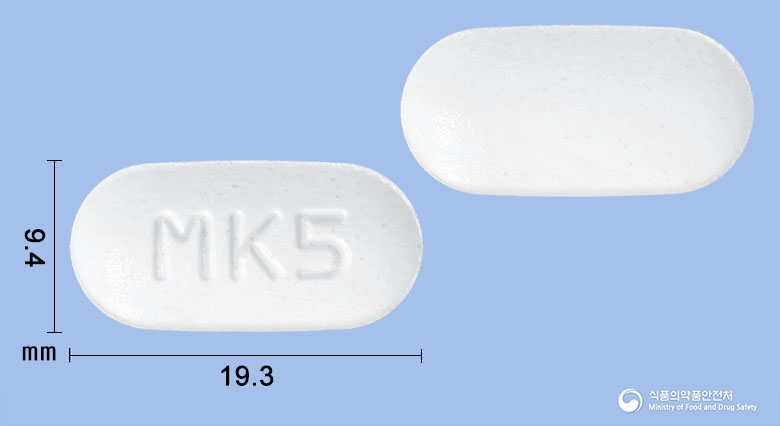
Metglucose Sustained Release Tablet 500mg (Metformin Hydrochloride)
Metformin Hydrochloride 500mg
Tablet · Prescription medication
Medica Korea Co., Ltd.
MFDS item code 201906868 · Approved 2019.09.26 · Insurance code 646004880
Improvement in Type 2 Diabetes (Blood Sugar Control)
This medication is used for the treatment of adult patients with type 2 diabetes for whom blood sugar control is difficult with diet and exercise alone, especially for overweight patients. It can be used alone or in combination with other oral hypoglycemic agents or insulin to enhance blood sugar control. This helps improve blood sugar levels and contributes to diabetes management.
The general initial dose is to take 500mg of metformin hydrochloride sustained release tablet once daily with the evening meal. After one week, blood sugar levels should be monitored to adjust the dose. If the dose is to be increased, it should be done gradually by 500mg each week up to a maximum of 2000mg taken with the evening meal. If blood sugar control is not achieved with a maximum daily dose of 2000mg, consider 1000mg twice daily.
This medication can rarely cause a serious condition called lactic acidosis. Lactic acidosis is caused by excessive accumulation of lactic acid in the body, which can be very dangerous and may lead to death in some cases. Caution is needed when using this medication with other diabetes treatments as hypoglycemia may occur, especially when combined with insulin or sulfonylureas, which can increase the risk of hypoglycemia. Patients with moderate to severe renal impairment, dehydration, serious infections, or heart problems should not use this medication. It should also be avoided in patients with acute heart failure or before and after certain radiological examinations. This medication is not to be given to those with hypersensitivity or patients with type 1 diabetes or diabetic ketoacidosis. In cases of severe infections, trauma, or before and after surgery, the administration of this medication should be temporarily halted until the patient resumes normal food intake and recovers renal function. It should be avoided in conditions that may cause hypoxia, such as poor nutritional status, liver dysfunction, respiratory failure, acute myocardial infarction, or shock. It is advisable not to use this medication during pregnancy, especially if there is a risk of placenta dysfunction or preeclampsia. While taking this medication, renal function should be monitored regularly, and if there is any deterioration in renal function, the medication should be discontinued. Irregular meals, vigorous exercise, or interactions with other medications can increase the risk of hypoglycemia or lactic acidosis, so caution is necessary. Gastrointestinal symptoms such as nausea, vomiting, and diarrhea are common at the beginning of treatment, but they usually improve over time. This medication can cause vitamin B12 deficiency, so regular blood tests are necessary for monitoring. Excessive alcohol consumption can increase the risk of side effects, so it is advisable to avoid alcohol while taking this medication. The safety and efficacy of this medication have not been established in pediatric patients, so it is not recommended for those under 17 years of age. Elderly patients often have reduced renal function, so dose adjustments and regular monitoring of renal function are required. In case of overdose, while hypoglycemia may not occur, there is a risk of lactic acidosis, and if necessary, the medication can be removed through hemodialysis. This medication should be swallowed whole and not chewed or crushed; it is normal for the tablet coating to appear in stool. When used in conjunction with other medications, efficacy may change, so patients should consult healthcare providers about any other medications they are taking. During pregnancy, blood sugar control is important, so this medication may be used with insulin or as an alternative if necessary, but fetal growth should be closely monitored. This medication is secreted in breast milk, so careful consideration should be given to breastfeeding and the possibility of discontinuing drug treatment. While taking this medication, regular monitoring of blood sugar, glycated hemoglobin, renal function, and hematological examinations is required, and any unusual symptoms should be reported to a healthcare professional immediately. This medication does not cause weight gain and may actually help with weight loss, making it favorable for long-term blood sugar control and prevention of diabetic complications.
Not everyone experiences these, and they can vary from person to person.
This medication should be stored in a tightly sealed container to protect it from air and moisture. The storage temperature should be maintained between 1 to 30 degrees Celsius room temperature. This will help preserve the effectiveness of the medication for a longer time.
White, bi-convex rectangular sustained release tablet
30 tablets/bottle, 300 tablets/bottle
Even with the same ingredient, strength, dosage form and how it is taken can differ.
Viewing nowMetformin Hydrochloride 500mg
Tablet · Prescription medication
Medica Korea Co., Ltd.
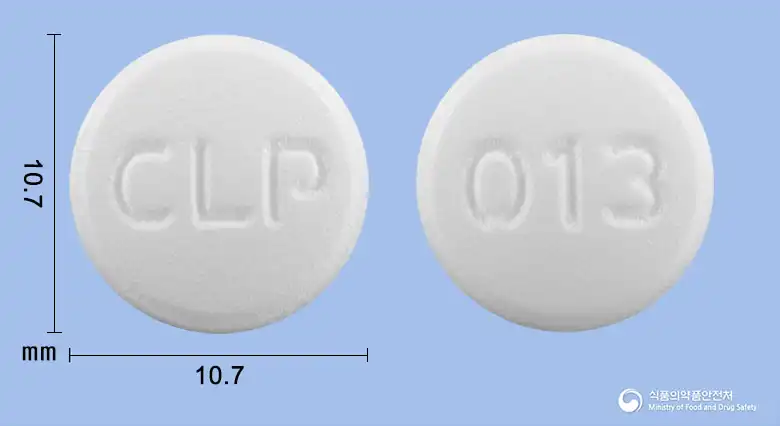
Metformin Hydrochloride 500mg
Tablet · Prescription medication
(Celltrion Pharmaceuticals)
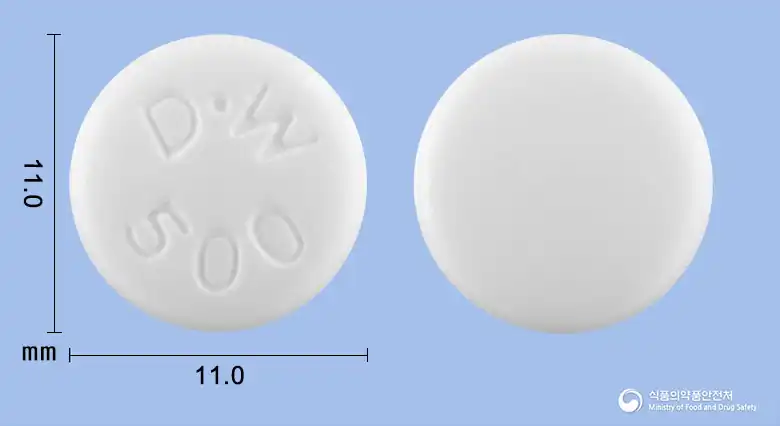
Metformin Hydrochloride 500mg
Tablet · Prescription medication
(Daewoong Pharmaceutical)
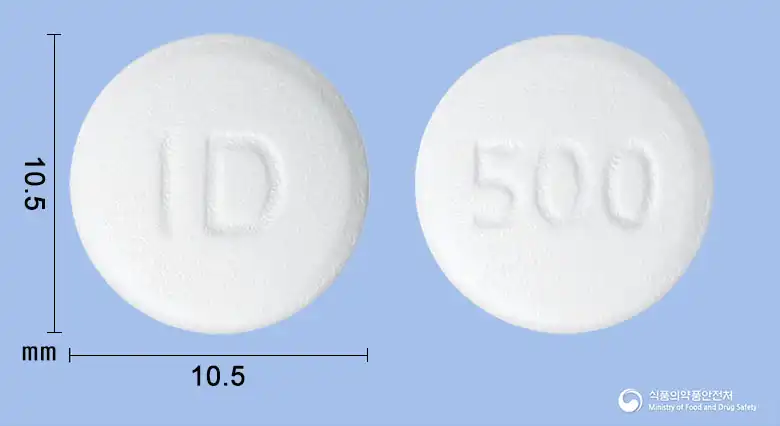
Metformin Hydrochloride 500mg
Tablet · Prescription medication
(Ildong Pharmaceutical Co., Ltd.)
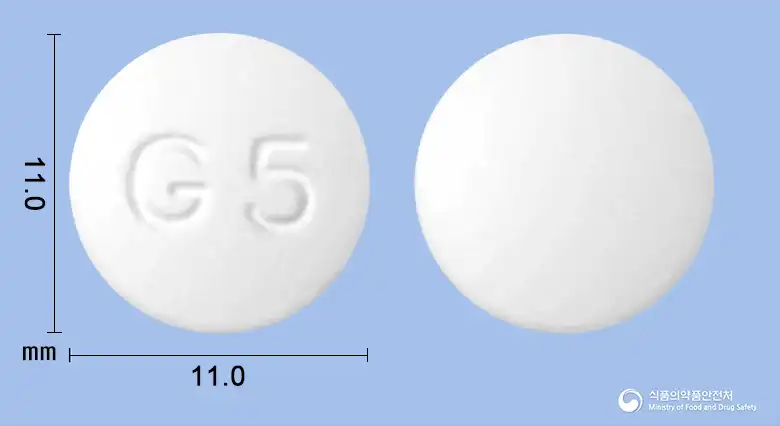
Metformin Hydrochloride 500mg
Tablet · Prescription medication
(Ilseong IS Co., Ltd.)
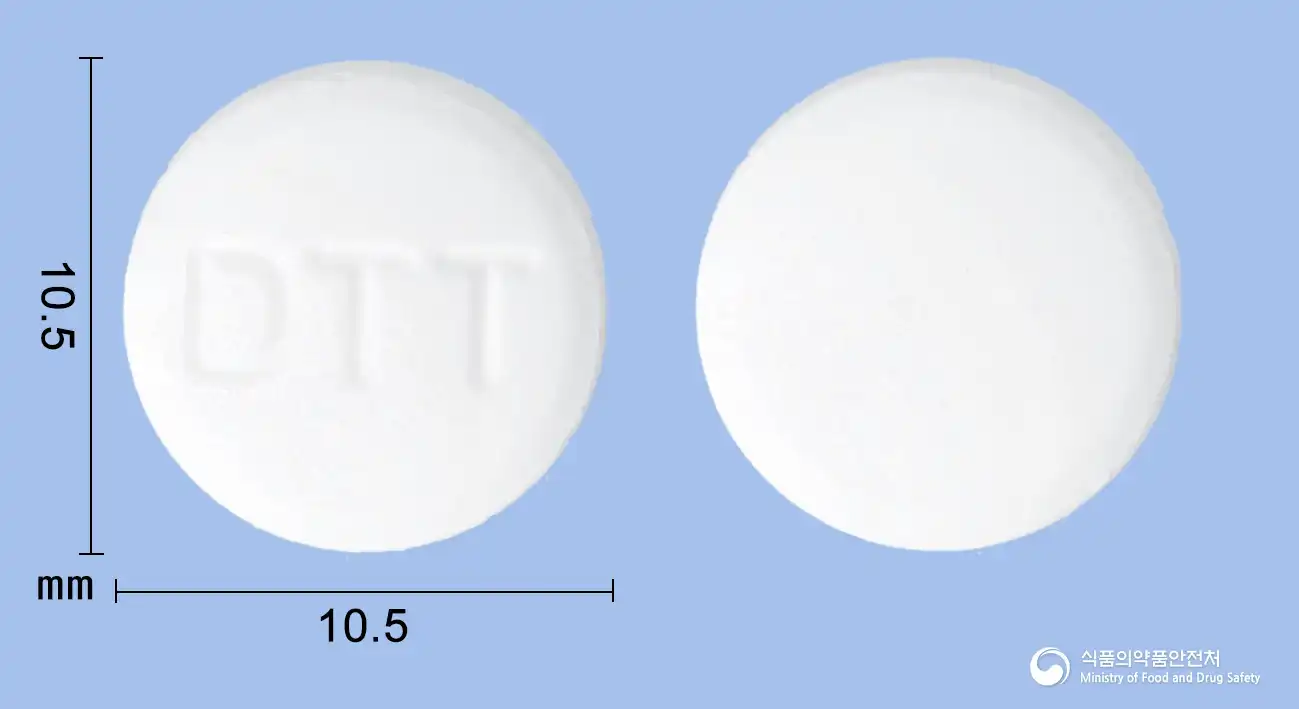
Metformin Hydrochloride 500mg
Tablet · Prescription medication
(Kyungdong Pharmaceutical Co., Ltd.)
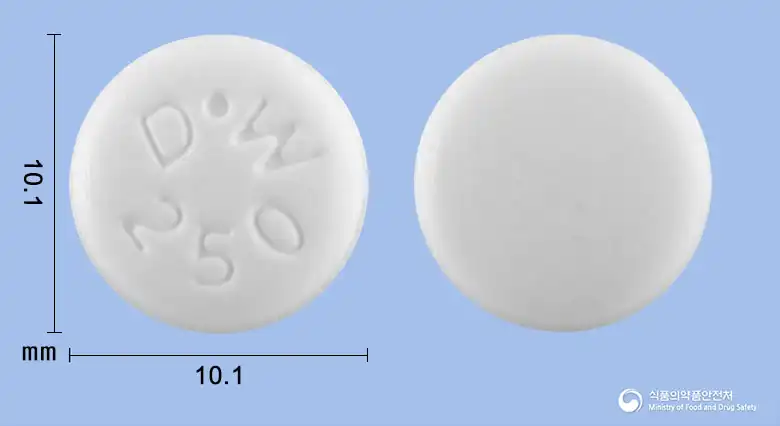
Metformin Hydrochloride 250mg
Tablet · Prescription medication
(Daewoong Pharmaceutical)

Metformin Hydrochloride 500mg
Tablet · Prescription medication
(Youngpoong Pharmaceutical Co., Ltd.)
Even with the same ingredient, the dose and directions can differ by strength and dosage form. Talk to a doctor or pharmacist before switching from a medication you are already taking.
No questions yet.
For anything that needs medical judgment, consult a doctor or pharmacist.
This drug information is based on data provided by the Korea Ministry of Food and Drug Safety.
Consult a doctor or pharmacist for accurate dosage, administration, and usage instructions.