
 한국어
한국어 English
 日本語
日本語 中文(简体)
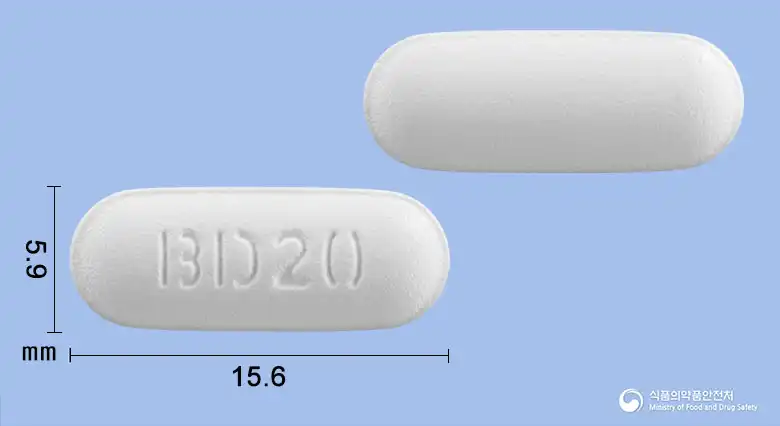
Dosage form image
Viewing nowBajemed Tablet (Bazendoxifene Acetate)
Bazedoxifene Acetate 22.6mg
Tablet · Prescription medication
Kujoo Pharmaceutical Co., Ltd.
MFDS item code 201906833 · Approved 2019.09.25
This product's status changed to Expired on 2024.09.25. It may no longer be sold, so consult a doctor or pharmacist before taking it.
Prevention of postmenopausal osteoporosis and spinal fractures
This medication is used for the treatment and prevention of osteoporosis in postmenopausal women. It is particularly effective in reducing the incidence of spinal fractures. However, please note that its effectiveness against non-vertebral fractures is still uncertain. Overall, it helps improve bone health and reduce fracture risk.
Take one tablet (20 mg as bazedoxifene) once daily, regardless of meals.
This medication may increase the risk of venous thromboembolism, which is the formation of blood clots within blood vessels. Particularly, conditions such as deep vein thrombosis, pulmonary embolism, and retinal vein thrombosis may occur, so caution is needed. This drug is intended for use only in postmenopausal women and is not recommended for premenopausal women or those who may become pregnant. Women who are pregnant or breastfeeding should also avoid taking this medication. While this drug does not induce endometrial hyperplasia, if uterine bleeding occurs during treatment, it is essential to seek medical advice. The safety of this drug has not been established for breast cancer patients, so it is not recommended for the prevention or treatment of breast cancer. Patients with hypersensitivity to this drug or a history of venous thromboembolism, unexplained uterine bleeding, or symptoms of endometrial cancer should not take this medication. Additionally, this medication contains lactose, so patients with lactose intolerance or related genetic disorders should avoid using it. Patients with hypertriglyceridemia, severe renal impairment, or liver dysfunction should use this drug cautiously, as patients with liver dysfunction may experience increased plasma drug concentration, making administration not recommended. Drowsiness or visual disturbances may occur while taking this medication, so caution is necessary when driving or operating machinery. It is advisable to avoid driving or engaging in hazardous tasks if these symptoms occur. This medication is known not to have significant interactions with other drugs, but it may affect drug concentration when taken with certain medications, so consultation with healthcare professionals is advised. In case of overdose, there is no specific antidote, and treatment should be based on symptoms. Keep this medication out of the reach of children, and store it in its original container. Avoid transferring it to another container. With long-term use, it is important to regularly check for the risk of thrombosis, liver function, and triglyceride levels. If taken during pregnancy, it may harm the fetus, so discontinue use immediately if pregnancy is confirmed. This medication is not used in children, and no special dosage adjustment is needed for the elderly, but caution is required as drug concentration may increase depending on liver function changes.
Drowsiness, dry mouth, rash, itching, muscle cramps, increased serum triglycerides, elevated alanine aminotransferase (ALT), elevated aspartate aminotransferase (AST), facial flushing, leg cramps, dry eyes, eyelid edema, eyelid twitching, eye pain, eye swelling, decreased vision, blurred vision, photophobia, visual field defects, visual impairment
Not everyone experiences these, and they can vary from person to person.
Store this medication in a tightly sealed container to protect it from air and moisture, ideally at a cool temperature below 25 degrees Celsius. Therefore, it is necessary to avoid direct sunlight and prevent storage in excessively hot or humid environments to ensure safe storage.
White or grayish capsule-shaped film-coated tablet
28 tablets (28 tablets/PTP*1)
Even with the same ingredient, strength, dosage form and how it is taken can differ.
Bazedoxifene Acetate 22.6mg
Tablet · Prescription medication
Kujoo Pharmaceutical Co., Ltd.
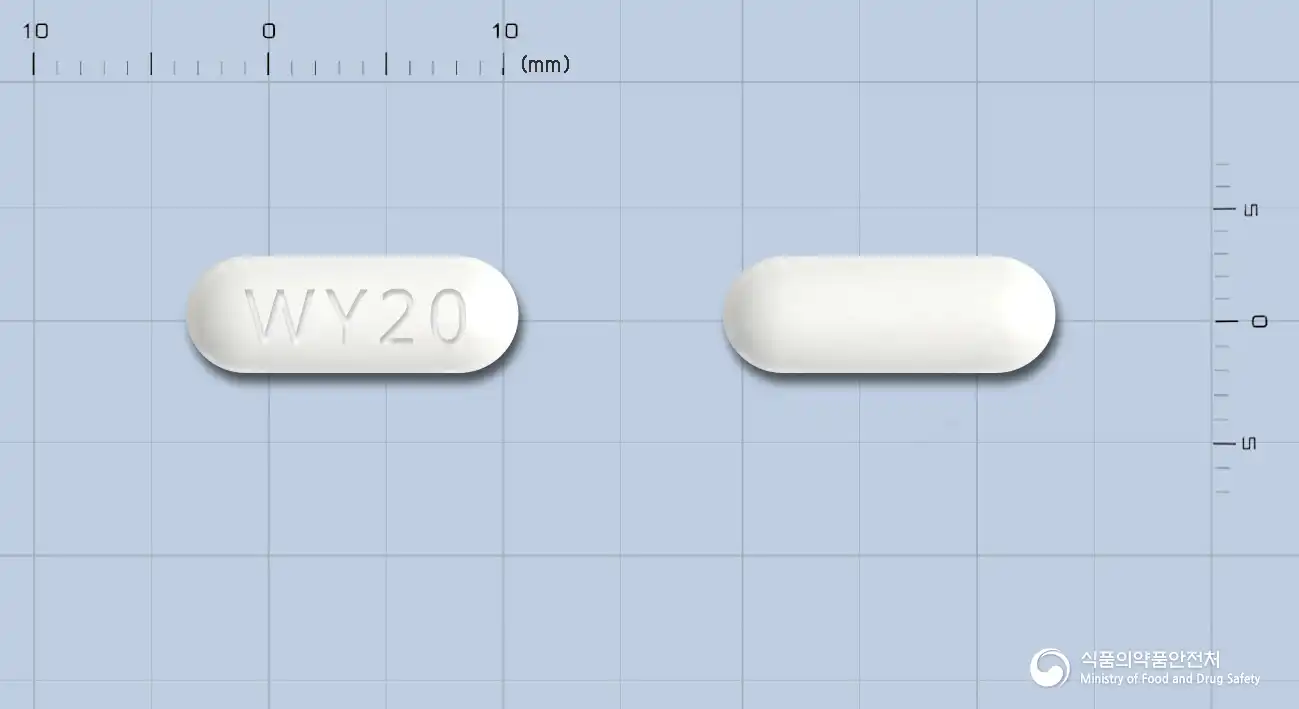
Bazedoxifene Acetate 22.6mg
Tablet · Prescription medication
Pfizer Korea Co., Ltd.
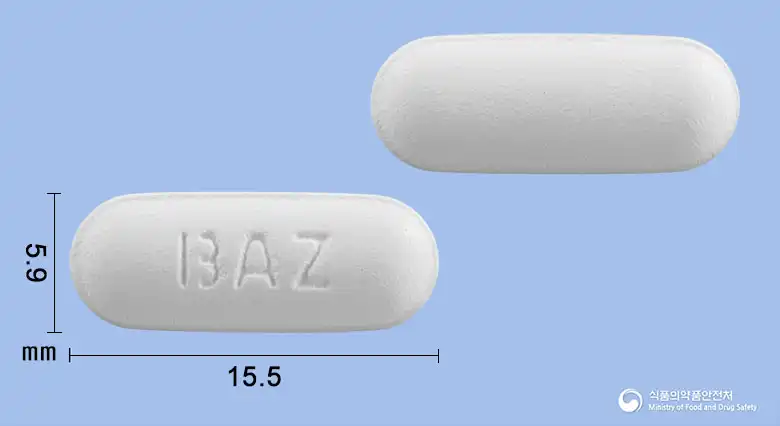
Bazedoxifene Acetate 22.6mg
Tablet · Prescription medication
Alvogen Korea Co., Ltd.
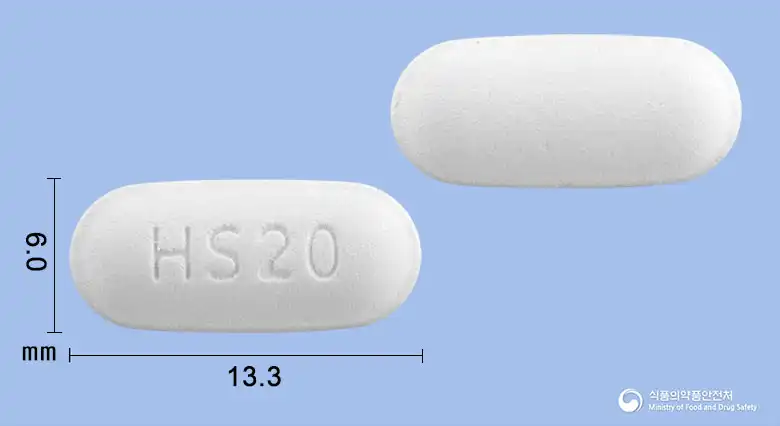
Bazedoxifene Acetate 22.6mg
Tablet · Prescription medication
Huons Co., Ltd.
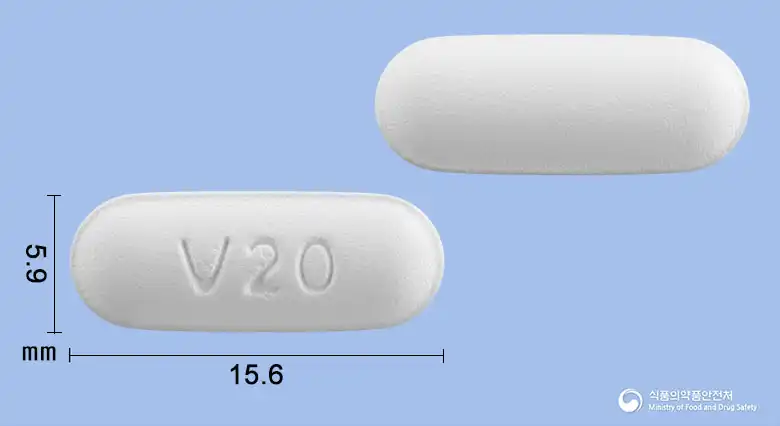
Bazedoxifene Acetate 22.6mg
Tablet · Prescription medication
Hanmi Pharmaceutical Co., Ltd.
Bazedoxifene Acetate
Tablet · Prescription medication
Hana Pharmaceutical Co., Ltd.
Bazedoxifene Acetate 22.6mg
Tablet · Prescription medication
Donggu Bio Pharmaceutical Co., Ltd.
Bazedoxifene Acetate 22.6mg
Tablet · Prescription medication
Medix Pharmaceuticals Co., Ltd.
Even with the same ingredient, the dose and directions can differ by strength and dosage form. Talk to a doctor or pharmacist before switching from a medication you are already taking.
No questions yet.
For anything that needs medical judgment, consult a doctor or pharmacist.
This drug information is based on data provided by the Korea Ministry of Food and Drug Safety.
Consult a doctor or pharmacist for accurate dosage, administration, and usage instructions.