
 한국어
 English
 日本語
 中文(简体)
Dosage form image
Viewing nowCefadroxil Dry Syrup 50 mg/5 mL (Cefpodoxime Proxetil)
Cefpodoxime Proxetil 5000mg
Prescription medication
Boryung Biopharma Co., Ltd.
MFDS item code 201906344 · Approved 2019.09.06 · Insurance code 670501871
Treatment of respiratory and ear, nose, and throat infections, skin and systemic infections (including scarlet fever), and urinary tract infections
This medication is used to treat various infections caused by different bacteria. Major infections include skin and soft tissue infections such as boils, furuncles, impetigo, cellulitis, lymphangitis, and subcutaneous abscesses. It is also effective for respiratory infections such as pharyngitis, acute bronchitis, tonsillitis, and pneumonia. It is used to treat urinary tract infections, including pyelonephritis and cystitis, middle ear infections, and sinusitis. Finally, this drug can also be used to treat systemic infections such as scarlet fever. It reliably improves these infections.
In cases considered severe or insufficiently effective, administer 4.5 mg (as cefpodoxime) per kg of body weight for each dose, 3 times a day, orally.
○ Infants and children: Suspend before use and administer orally 2~3 times daily, at a dose of 3mg (potency) of cefpodoxime per kg of body weight per dose. In severe cases or when the effect is considered insufficient, administer 4.5mg (potency) per kg of body weight per dose orally 3 times daily. The dose may be adjusted according to age, symptoms, etc.
This medication contains the artificial sweetener aspartame, which breaks down into phenylalanine in the body. Therefore, it should not be used by patients with phenylketonuria, a genetic disorder that restricts phenylalanine intake. Patients who have experienced severe allergic reactions or shock after using this medication should not be administered it. Additionally, since this medication contains lactose, it should not be used in patients with galactose intolerance, lactase deficiency, or glucose-galactose malabsorption syndrome. Caution should be exercised when administering this medication to patients with a history of allergic reactions to this drug or cephalosporins, those who are allergic to penicillin antibiotics, those with allergic predispositions, patients with severely impaired kidney function, patients who have difficulties with oral administration, elderly patients, or those in poor overall condition. This medication can rarely cause serious allergic reactions such as shock or anaphylaxis; administration should be stopped immediately if symptoms occur. If allergy symptoms such as skin rash, hives, itching, or fever appear, stop taking the medication and seek appropriate treatment. It may affect the gastrointestinal system, leading to symptoms such as abdominal pain, diarrhea, nausea, and vomiting; in severe cases, it can cause pseudomembranous colitis, so administration should be stopped immediately if symptoms appear. Respiratory symptoms and interstitial pneumonia may occur; therefore, inform medical personnel if there are symptoms such as difficulty breathing, cough, or fever. Blood tests may show thrombocytopenia or leukopenia, so regular blood tests are necessary for long-term use. As it may affect the nervous system, leading to cognitive impairment or seizures, patients with impaired renal function may need dosage adjustments and should report any abnormal symptoms immediately. Severe skin reactions may occur, so if any skin symptoms such as rash, blistering, or mucosal abnormalities appear, stop taking the medication and visit a hospital. It may affect liver and kidney function, so regular checkups are necessary to confirm any abnormalities. This medication may lead to dysbiosis such as stomatitis or candidiasis, and vitamin K deficiency may result in a tendency to bleed, so monitor for symptoms. It is advisable to administer this drug only for the minimum required duration to prevent the development of resistant bacteria, and allergy history and skin reaction tests are recommended prior to use. Patients should be cautious while driving or operating machinery as dizziness may occur. If taken for more than 10 days, blood tests should be conducted to confirm leukocyte counts. In patients with impaired kidney function, dosage adjustments are necessary, and if seizures occur, administration should be halted immediately. This medication has been reported to cause severe skin reactions, so consult healthcare professionals immediately if skin symptoms develop. Caution is needed when used with other diuretics or aminoglycoside antibiotics as they may affect kidney function. The concentration of this medication in the blood may vary when combined with certain drugs, so patients should inform healthcare providers of any medications being taken. Its safety during pregnancy has not been established, thus it should be used cautiously when necessary, and breastfeeding should be discontinued if nursing. It is not safe for neonates or infants under 2 months of age as safety has not been confirmed. Elderly patients may have decreased body function, increasing the risk of adverse reactions, so dosages and intervals should be adjusted while monitoring their condition closely. After preparing this medication, it should be stored in a sealed container to protect it from air and moisture. It is best to maintain a storage temperature between 1 and 30 degrees Celsius at room temperature. This will help preserve the medication's effectiveness for a longer period.
Shock
Not everyone experiences these, and they can vary from person to person.
This medication must be stored in a tightly sealed container to protect it from air and moisture. The storage temperature should be maintained between 1 and 30 degrees Celsius at room temperature. This helps to keep the efficacy of the medication for a longer duration.
Pale pink to pale purple granules
200 mL/bottle
Even with the same ingredient, strength, dosage form and how it is taken can differ.
Cefpodoxime Proxetil 5000mg
Prescription medication
Boryung Biopharma Co., Ltd.
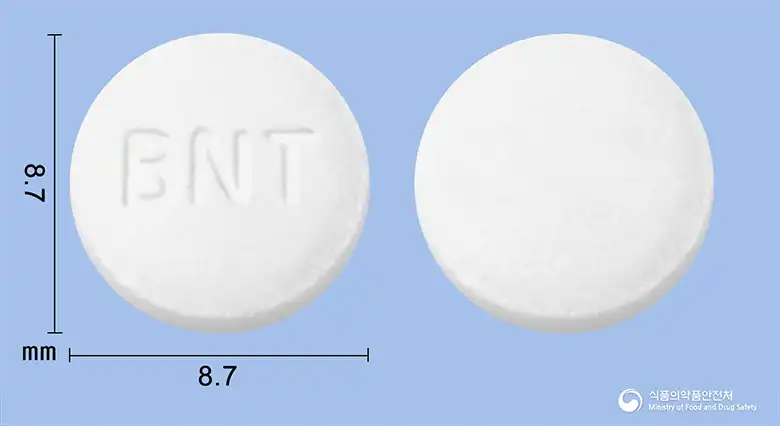
Cefpodoxime Proxetil 100mg
Tablet · Prescription medication
HK inno.N Co., Ltd.
Cefpodoxime Proxetil 5000mg
Prescription medication
HK inno.N Co., Ltd.
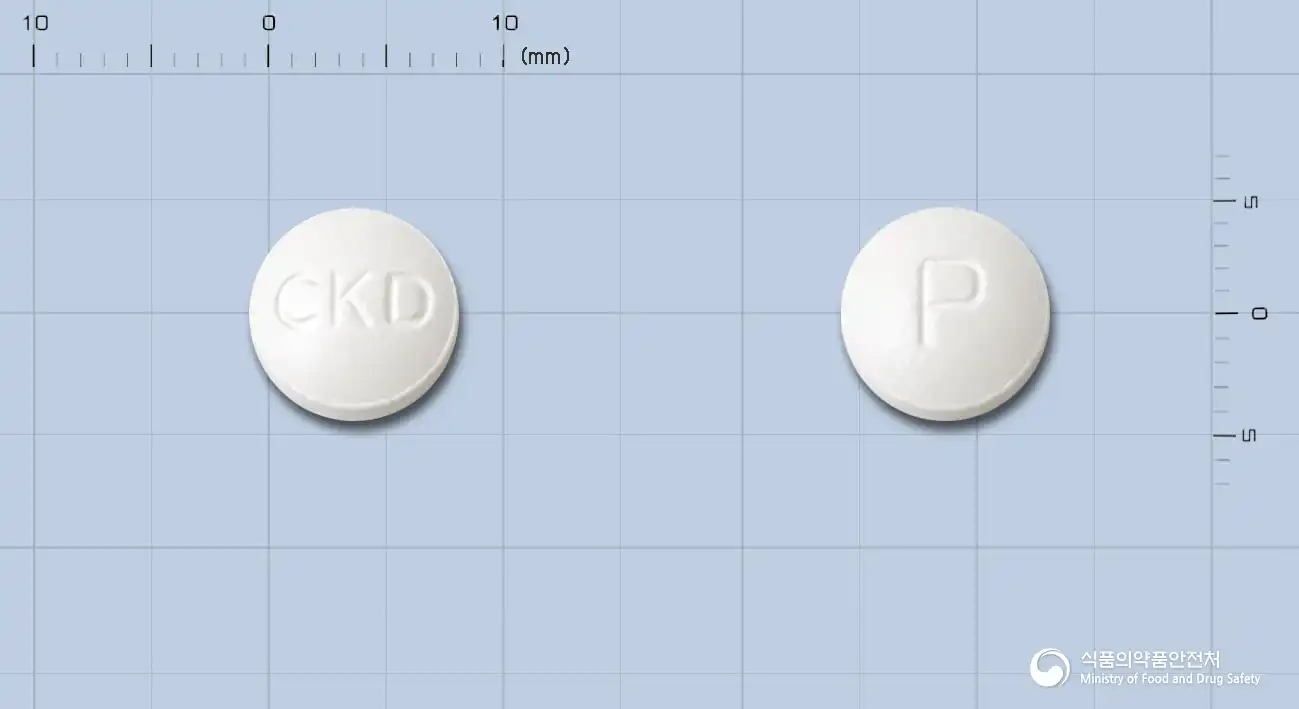
Cefpodoxime Proxetil 100mg
Tablet · Prescription medication
Jongkundang Co., Ltd.
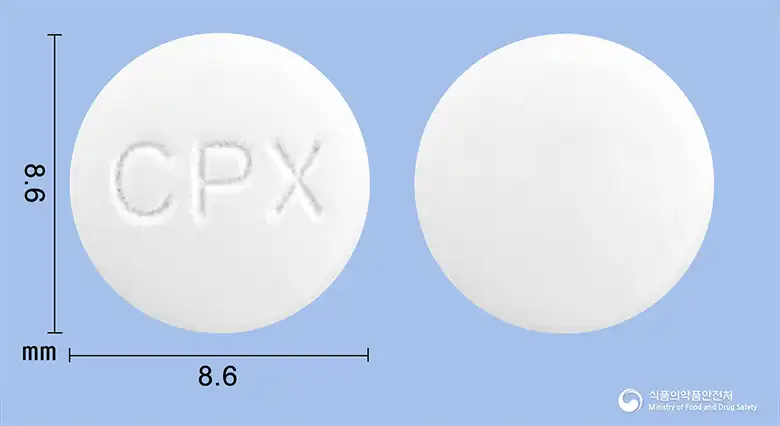
Cefpodoxime Proxetil 100mg
Tablet · Prescription medication
Youngjin Pharmaceutical Co., Ltd.
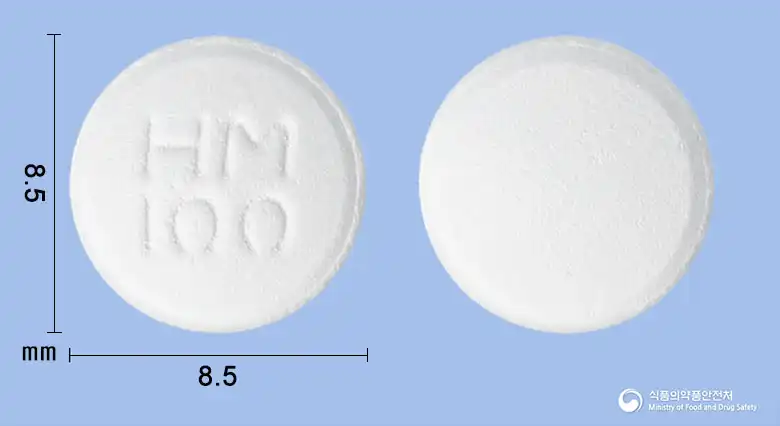
Cefpodoxime Proxetil 130mg
Tablet · Prescription medication
Hanmi Pharmaceutical Co., Ltd.
Cefpodoxime Proxetil 5000mg
Prescription medication
Jongkundang Co., Ltd.
Cefpodoxime Proxetil
Prescription medication
SK Chemicals Co., Ltd.
Even with the same ingredient, the dose and directions can differ by strength and dosage form. Talk to a doctor or pharmacist before switching from a medication you are already taking.
No questions yet.
For anything that needs medical judgment, consult a doctor or pharmacist.
This drug information is based on data provided by the Korea Ministry of Food and Drug Safety.
Consult a doctor or pharmacist for accurate dosage, administration, and usage instructions.