
 한국어
 English
 日本語
 中文(简体)
 Viewing now
Carvedilol Tablet 25mg (Carvedilol)
Carvedilol 25mg
Tablet · Prescription medication
Hanpung Pharmaceutical Co., Ltd.
MFDS item code 201905899 · Approved 2019.08.21
Treatment of essential hypertension and chronic stable angina
Used for essential hypertension and chronic stable angina.
Do not increase the dose or discontinue treatment without a physician's instructions. Essential hypertension, adults: For the first 2 days, administer carvedilol 12.5 mg orally once daily, then 25 mg orally once daily. Usually, administer 25 mg orally once daily for 2 weeks. If dose escalation is required, increase to 25 mg twice daily. The maximum dose per administration is 25 mg, and the maximum daily dose is 50 mg. Essential hypertension, elderly patients: In some elderly patients, 12.5 mg once daily may be sufficient. However, the dose may be increased if the effect is insufficient after 2 weeks of treatment. Chronic stable angina: For the first 2 days, administer this drug 12.5 mg orally twice daily, then 25 mg orally twice daily. Usually, administer 25 mg twice daily for 2 weeks. If dose escalation is required (excluding elderly patients), the dose may be increased up to 50 mg twice daily.
This medication should not be used in certain patients. For example, patients with allergies to this medication or its components, patients with cardiogenic shock, patients with severe heart conduction disorders, patients with cor pulmonale, patients with diabetic ketoacidosis, patients with severely compromised heart function, patients with asthma or chronic obstructive pulmonary disease, patients with secondary hypertension, patients with Prinzmetal angina, patients with acute pulmonary embolism, pheochromocytoma patients, certain antidepressant users, patients with severe hypotension, patients with severe liver dysfunction, pregnant or breastfeeding women, patients with peripheral circulatory disorders, patients with laryngeal edema, patients with complications of myocardial infarction, patients with severe fluid retention, patients with allergic rhinitis, and patients with lactose intolerance should not use this medication. Additionally, careful administration is required for diabetic patients or patients with a history of hypersensitivity, patients with a history or family history of skin disorders caused by beta-blockers, patients with ischemic heart disease complicated by hypotension, patients with unstable angina, patients with chronic congestive heart failure, patients with severe renal impairment, patients with first-degree atrioventricular block, patients with bradycardia, patients currently using eyedrop forms of beta-blockers, elderly patients, patients with blood pressure dropping upon position change, patients with acute inflammatory heart disease, patients taking certain antihypertensive medications, patients with salt or water depletion, patients taking cardiac glycosides, patients using calcium channel blockers or antiarrhythmics, fasting patients, patients with hyperthyroidism, contact lens users, patients under 18 years of age, and hemodynamically unstable patients with acute myocardial infarction, as well as patients with hypertension and coronary artery disease. This medication may cause dizziness, headache, fatigue, and, in severe cases, hallucinations or psychotic symptoms. Cardiac-related adverse reactions may include bradycardia, shock, heart failure, and cardiac arrest; therefore, regular monitoring of heart function is necessary. Furthermore, dizziness or loss of consciousness due to blood pressure drop may occur, so caution is advised. In patients with renal impairment, deterioration of kidney function may occur, and in patients with respiratory diseases, respiratory resistance may increase. Gastrointestinal symptoms may include nausea, diarrhea, abdominal pain, and vomiting, while skin reactions may include hives, itching, and rashes. Rarely, changes in liver function markers or thrombocytopenia and leukopenia have been reported as blood abnormalities. This medication may complicate blood sugar control in diabetic patients and may mask symptoms of hyperthyroidism. Cardiovascular adverse reactions such as bradycardia, hypotension, and worsening angina may also occur. Long-term use requires regular monitoring of heart function, blood pressure, electrocardiogram, liver and kidney function, and blood tests, as sudden discontinuation may worsen cardiac symptoms. Gradual tapering according to a physician's guidance is essential. Caution is also necessary when driving or performing hazardous tasks, as drowsiness or dizziness may occur. This medication has many drug interactions, so if you are taking other medications, it is essential to inform your physician or pharmacist, particularly when taking antihypertensives, antidepressants, sedatives, anesthetics, hypoglycemics, calcium channel blockers, antiarrhythmics, cyclosporine, and alcohol. Pregnant or potentially pregnant women and breastfeeding women should not take this medication, and safety for children and adolescents has not been established. Elderly patients may experience increased drug concentrations due to liver function reduction, and they should start with a lower dose due to the risk of cerebral infarction from blood pressure reduction. In case of overdose, symptoms may include hypotension, decreased heart rate, myocardial weakness, shock, difficulty breathing, and consciousness disorders, requiring immediate medical attention and appropriate treatment. This medication is sensitive to light, so it should be stored in a light-resistant container and kept out of reach of children. Transferring to other containers may compromise quality, so caution is advised.
Not everyone experiences these, and they can vary from person to person.
This medication is sensitive to light and should be stored in a container that does not allow light. Additionally, to maintain its efficacy, it is important to store at room temperature, specifically between 1°C and 30°C.
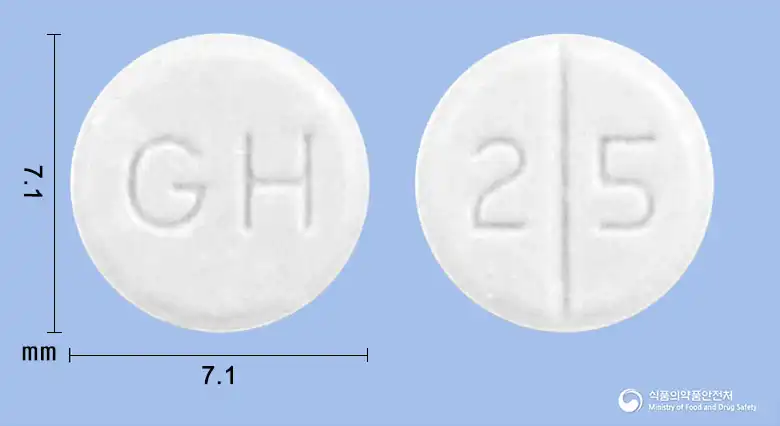
White round tablet
90 tablets/PTP [(10 tablets/PTP*9)]
Even with the same ingredient, strength, dosage form and how it is taken can differ.
Viewing nowCarvedilol 25mg
Tablet · Prescription medication
Hanpung Pharmaceutical Co., Ltd.
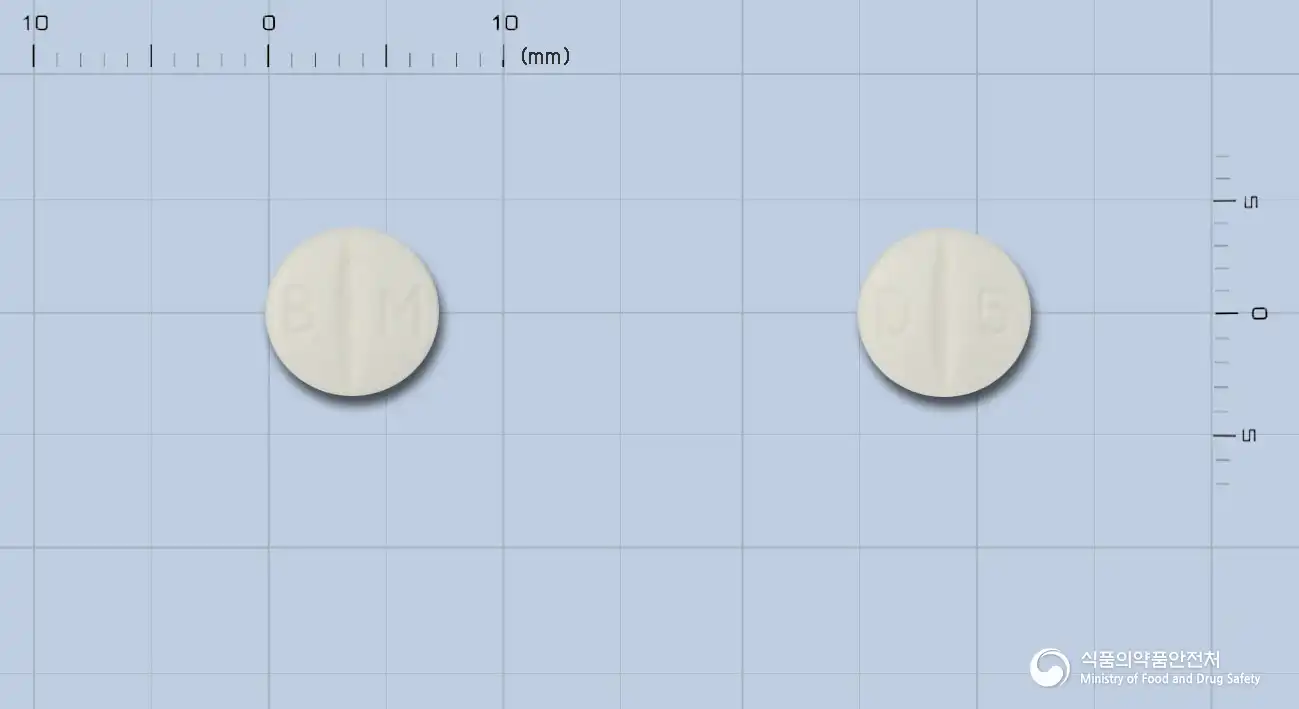
Carvedilol 25mg
Tablet · Prescription medication
Jongkun Dang Co., Ltd.
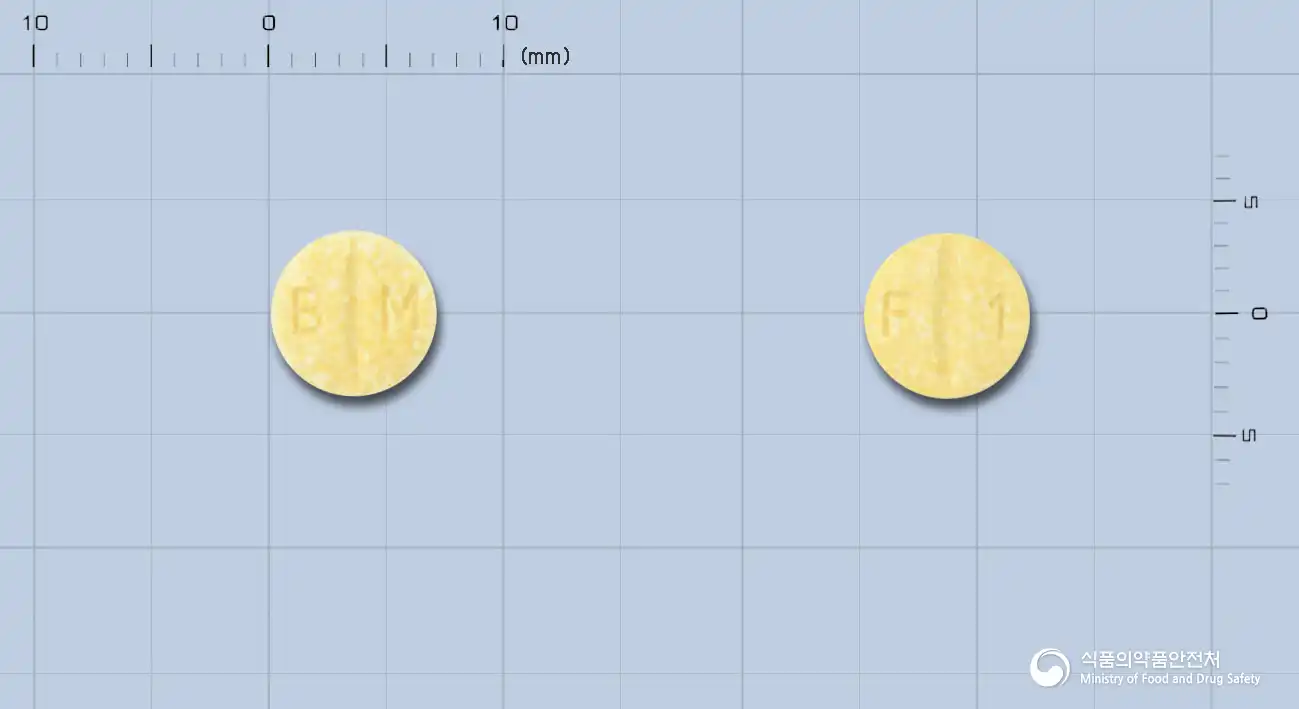
Carvedilol 6.25mg
Tablet · Prescription medication
Jongkundang Co., Ltd.
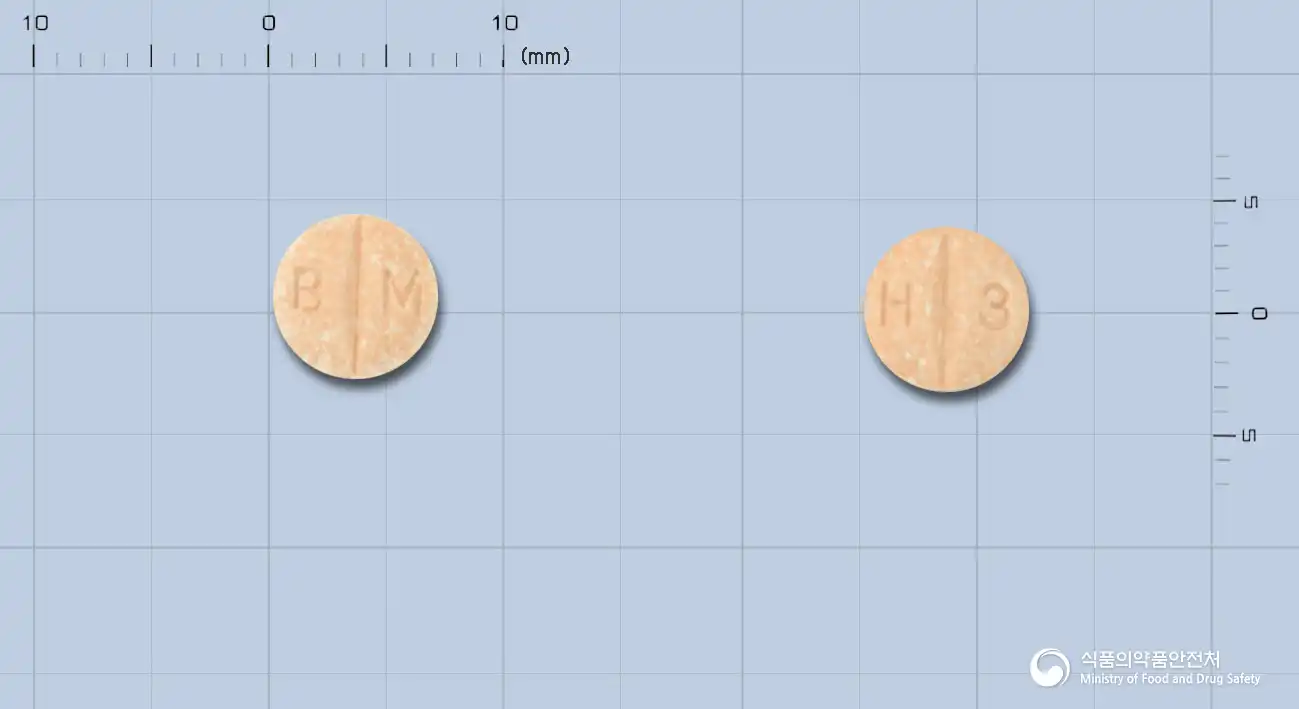
Carvedilol 12.5mg
Tablet · Prescription medication
Jongkundang Co., Ltd.
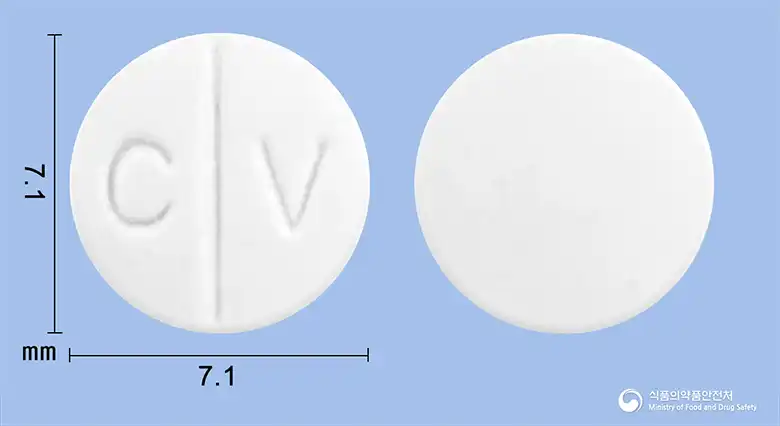
Carvedilol 25mg
Tablet · Prescription medication
Hanmi Pharmaceutical Co., Ltd.
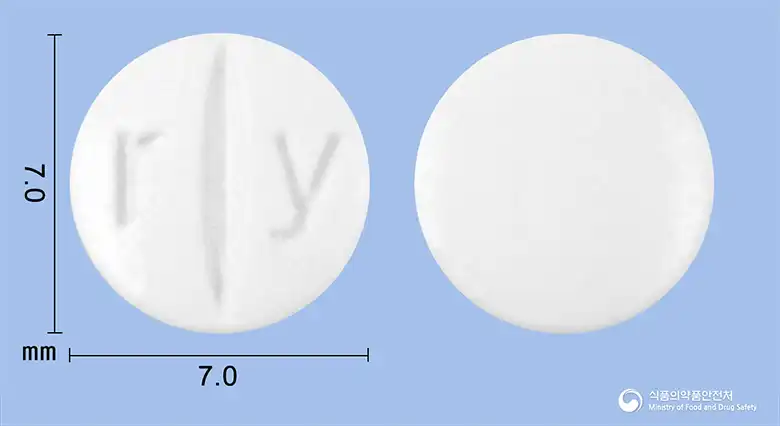
Carvedilol 25mg
Tablet · Prescription medication
Lee Yeon Pharmaceuticals Co., Ltd.
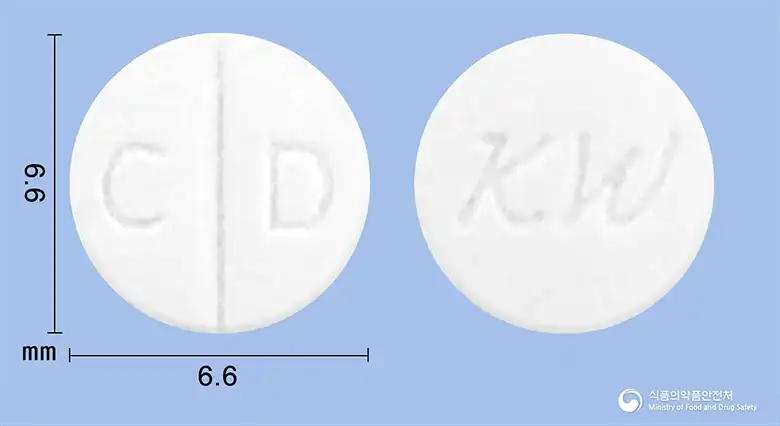
Carvedilol 25mg
Tablet · Prescription medication
Albozen Korea Co., Ltd.
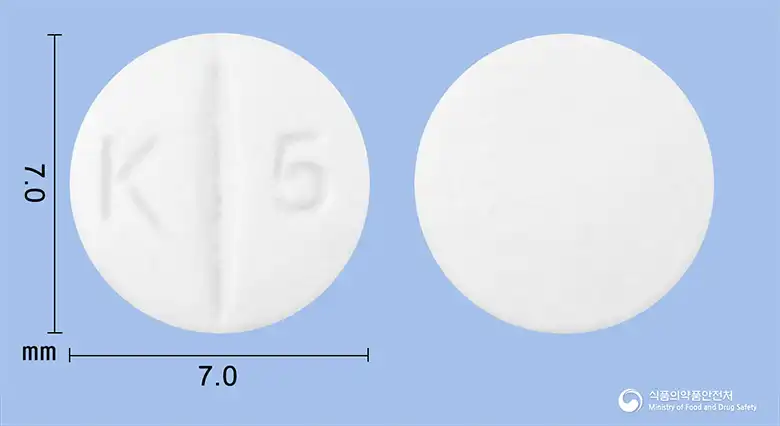
Carvedilol 25mg
Tablet · Prescription medication
Myungin Pharmaceutical Co., Ltd.
Even with the same ingredient, the dose and directions can differ by strength and dosage form. Talk to a doctor or pharmacist before switching from a medication you are already taking.
No questions yet.
For anything that needs medical judgment, consult a doctor or pharmacist.
This drug information is based on data provided by the Korea Ministry of Food and Drug Safety.
Consult a doctor or pharmacist for accurate dosage, administration, and usage instructions.