
 한국어
 English
 日本語
 中文(简体)
Dosage form image
Viewing nowBivoclonadefovir Tablets 10 mg (Adefovir Dipivoxil)
Adefovir Dipivoxil 10mg
Tablet · Prescription medication
Bivoclon Co., Ltd.
MFDS item code 201905812 · Approved 2019.08.16
This product's status changed to Expired on 2024.08.16. It may no longer be sold, so consult a doctor or pharmacist before taking it.
Treatment of chronic hepatitis B virus infection
This medication is used for the treatment of chronic Hepatitis B patients with evidence of active viral replication and persistently elevated serum aminotransferase (ALT or AST) levels or histologically active disease. It is also effective for the treatment of both HBeAg positive and negative chronic Hepatitis B patients with target liver function, as well as for those with lamivudine-resistant chronic Hepatitis B. This drug helps improve virological, biochemical, and serological responses leading to recovery of liver function and is used in the treatment of chronic Hepatitis B.
Adults: Administer adefovir dipivoxil orally at a dose of 10 mg once daily, with or without food. Patients with renal impairment: Adjust the dosing interval in patients with a creatinine clearance of less than 50 mL/min. Creatinine clearance 50 or higher (mL/min)*: Dose 10 (mg), every 24 hours Creatinine clearance 30 ~ 49 (mL/min)*: Dose 10 (mg), every 48 hours Creatinine clearance 10 ~ 29 (mL/min)*: Dose 10 (mg), every 72 hours Patients on hemodialysis: Dose 10 (mg), every 7 days after dialysis * Creatinine clearance is calculated using the Cockcroft-Gault method with lean body weight or ideal body weight. The pharmacokinetics of adefovir have not been evaluated in patients with a creatinine clearance of less than 10 mL/min who are not receiving hemodialysis; therefore, no dosing recommendations are available for these patients.
This medication must be taken at the recommended dosage and should not be taken in excess. Stopping treatment may lead to exacerbation of hepatitis, so liver function should be regularly checked for a period after discontinuation. Patients with significantly damaged liver function or cirrhosis should be closely monitored from the start of treatment, as exacerbation of hepatitis may occur. This medication may affect the kidneys, so patients with reduced kidney function or those taking medications that may burden the kidneys should carefully monitor kidney function. It is important to regularly check creatinine levels to evaluate kidney function through blood tests, and dosage adjustments may be necessary if kidney function declines. This medication must be prescribed only after confirming HIV infection status, and should be used in HIV-infected patients who are under appropriate antiviral therapy. Women who are pregnant or may become pregnant should use this medication cautiously considering its potential risks and should employ effective contraceptive methods simultaneously. Breastfeeding should be avoided while taking this medication. The safety and efficacy for children and adolescents have not been sufficiently established, and caution is required for use. Elderly patients may have a higher likelihood of reduced kidney function, requiring more careful monitoring during administration. In cases of overdose, symptoms should be closely monitored and appropriate treatment such as hemodialysis should be implemented if necessary. This medication does not appear to significantly affect the ability to drive or operate machinery, but caution is advised as individual differences may exist. When taking this medication alongside others that may affect kidney function, the possibility of interactions should be managed carefully. This medication should not be administered to patients with allergies or specific genetic issues such as lactose intolerance. This medication must be kept out of the reach of children and should not be transferred to other containers.
Not everyone experiences these, and they can vary from person to person.
This medication should be stored in a tightly sealed container to avoid exposure to air or moisture, ideally at room temperature between 1 to 30 degrees Celsius. Proper storage will help maintain the medication's effectiveness and prevent deterioration.
White to off-white round tablets
30 tablets/bottle
Even with the same ingredient, strength, dosage form and how it is taken can differ.
Adefovir Dipivoxil 10mg
Tablet · Prescription medication
Bivoclon Co., Ltd.
Adefovir Dipivoxil
Prescription medication
GlaxoSmithKline Co., Ltd.
Adefovir Dipivoxil 10mg
Tablet · Prescription medication
Samjin Pharmaceutical Co., Ltd.
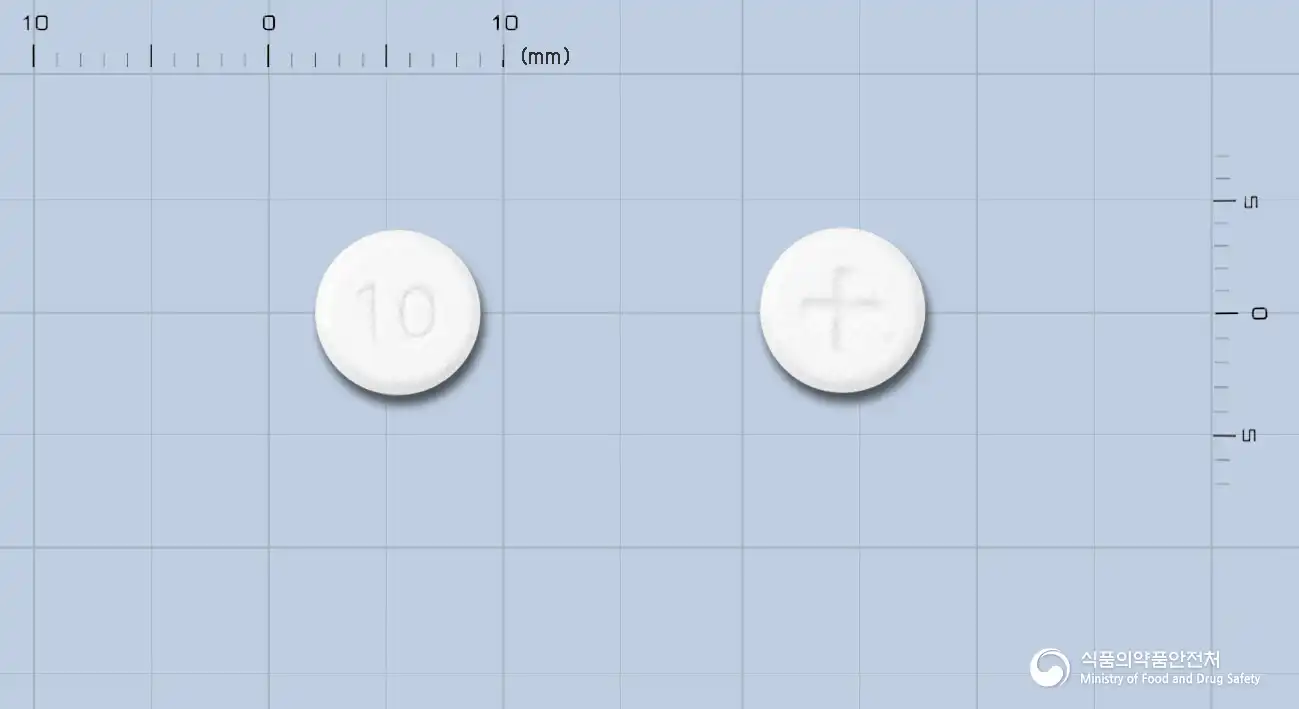
Adefovir Dipivoxil 10mg
Tablet · Prescription medication
Green Cross Corporation
Adefovir Dipivoxil 10mg
Tablet · Prescription medication
Ildong Pharmaceutical Co., Ltd.
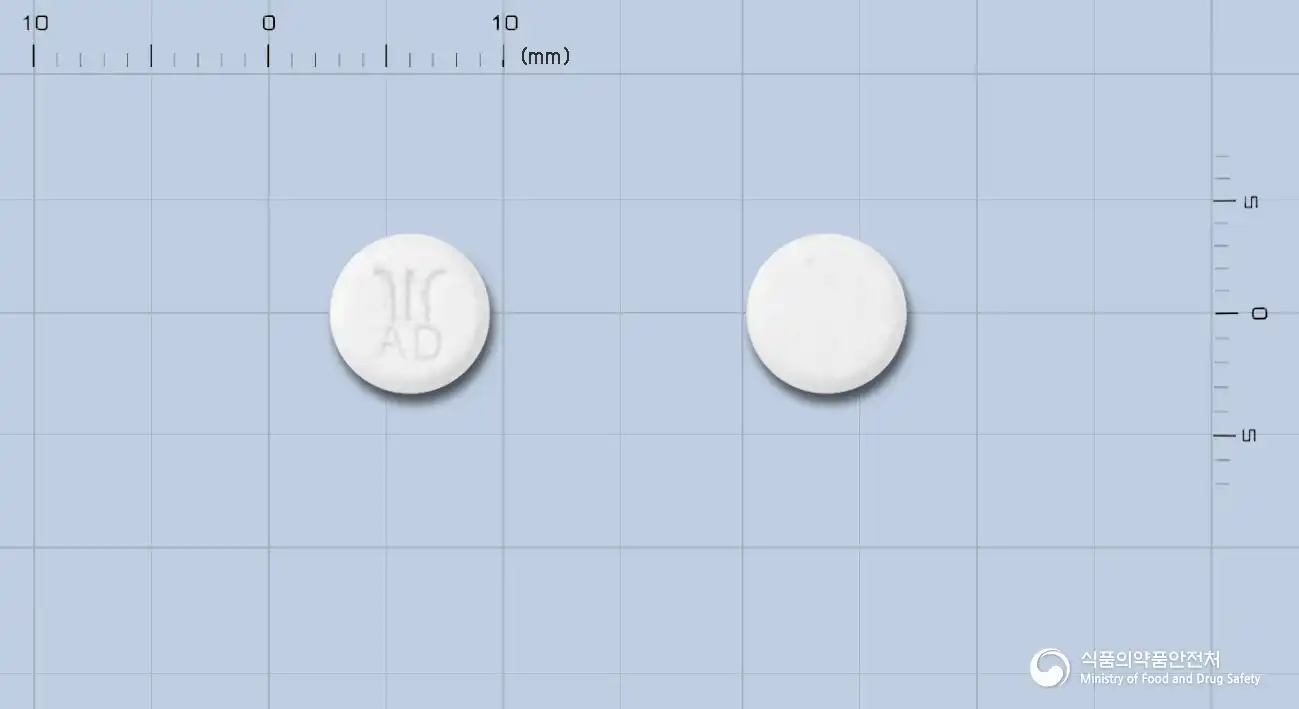
Adefovir Dipivoxil 10mg
Tablet · Prescription medication
Bukwang Pharmaceutical Co., Ltd.
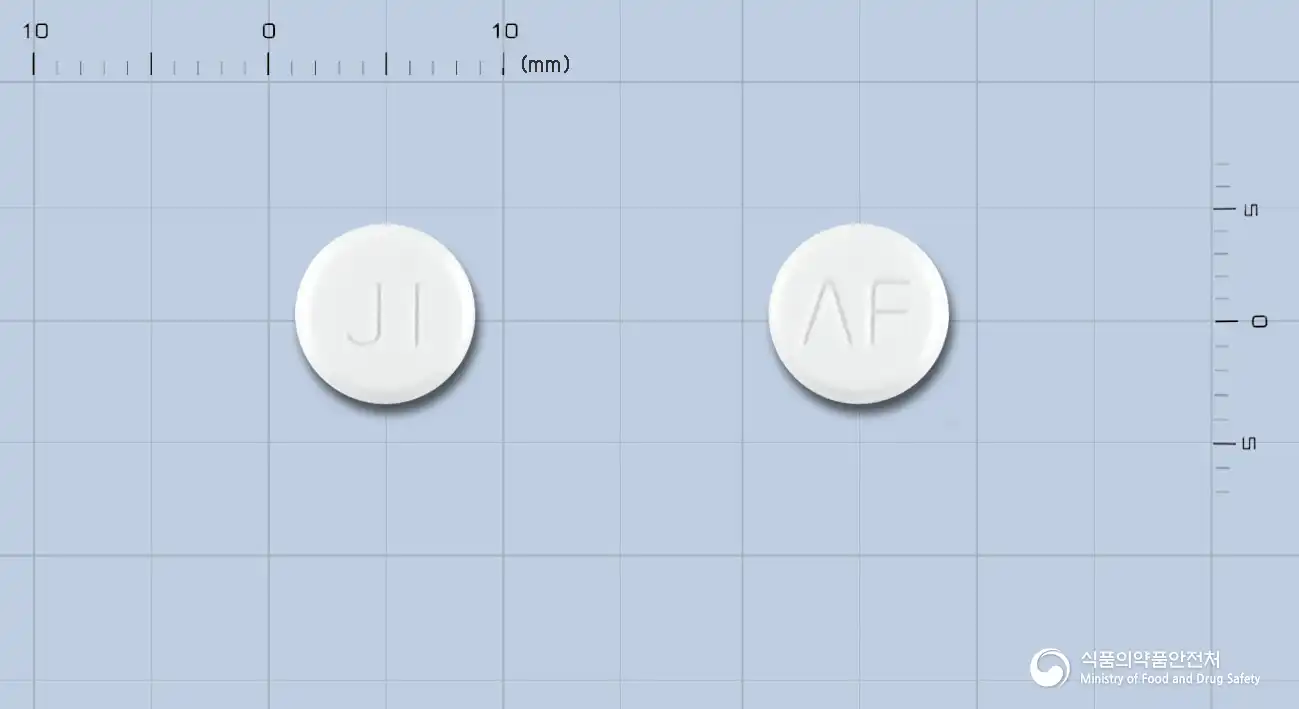
Adefovir Dipivoxil 10mg
Tablet · Prescription medication
Jeil Pharmaceutical Co., Ltd.
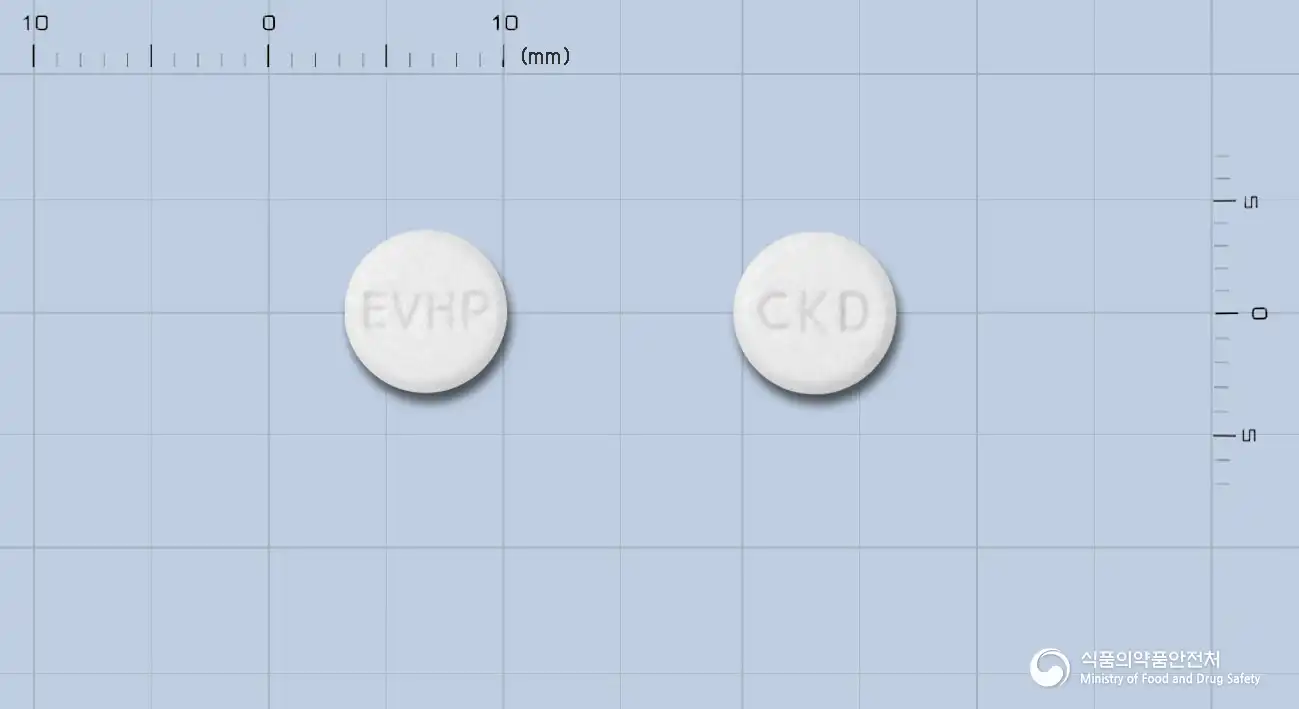
Adefovir Dipivoxil 10mg
Tablet · Prescription medication
Jongkundang Co., Ltd.
Even with the same ingredient, the dose and directions can differ by strength and dosage form. Talk to a doctor or pharmacist before switching from a medication you are already taking.
No questions yet.
For anything that needs medical judgment, consult a doctor or pharmacist.
This drug information is based on data provided by the Korea Ministry of Food and Drug Safety.
Consult a doctor or pharmacist for accurate dosage, administration, and usage instructions.